







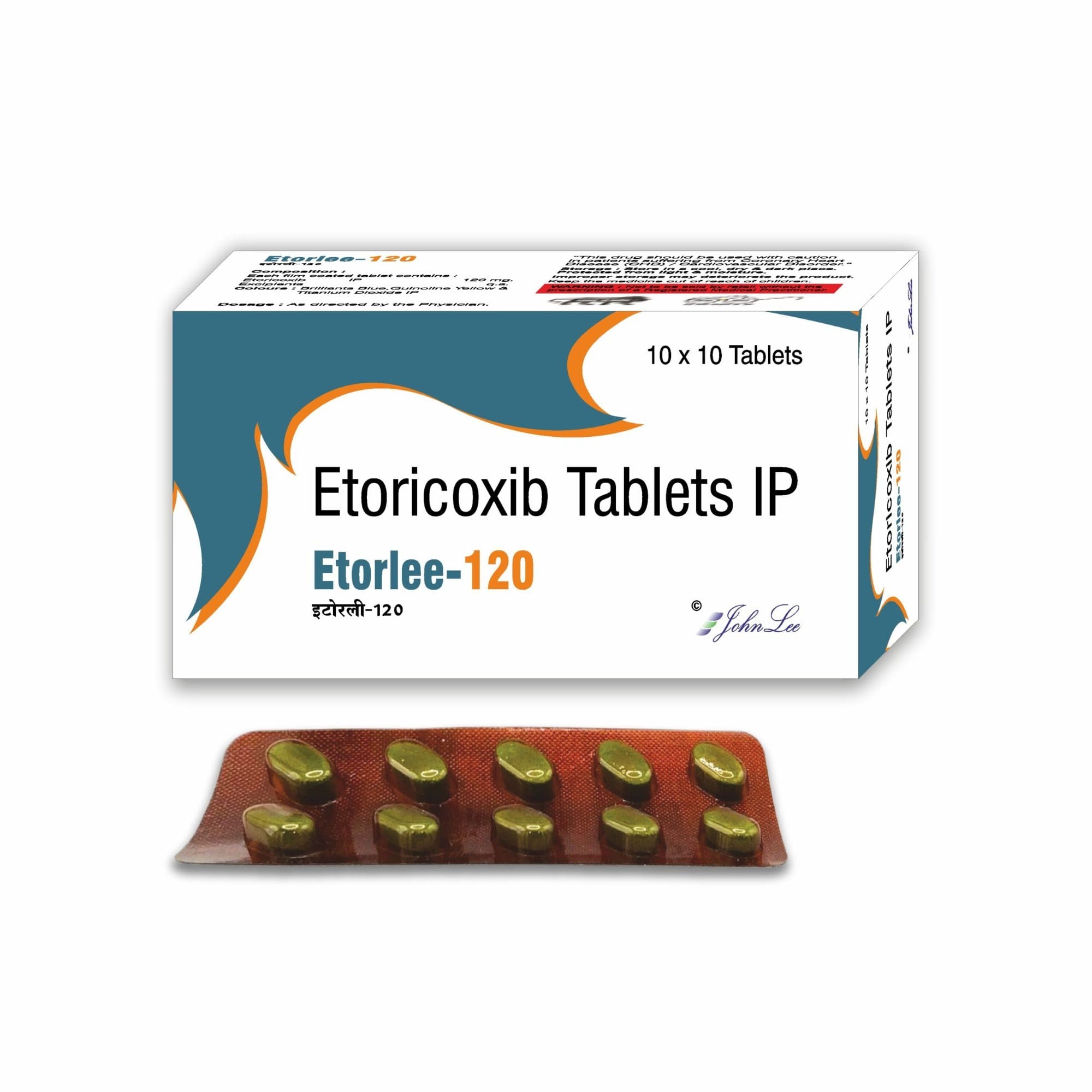
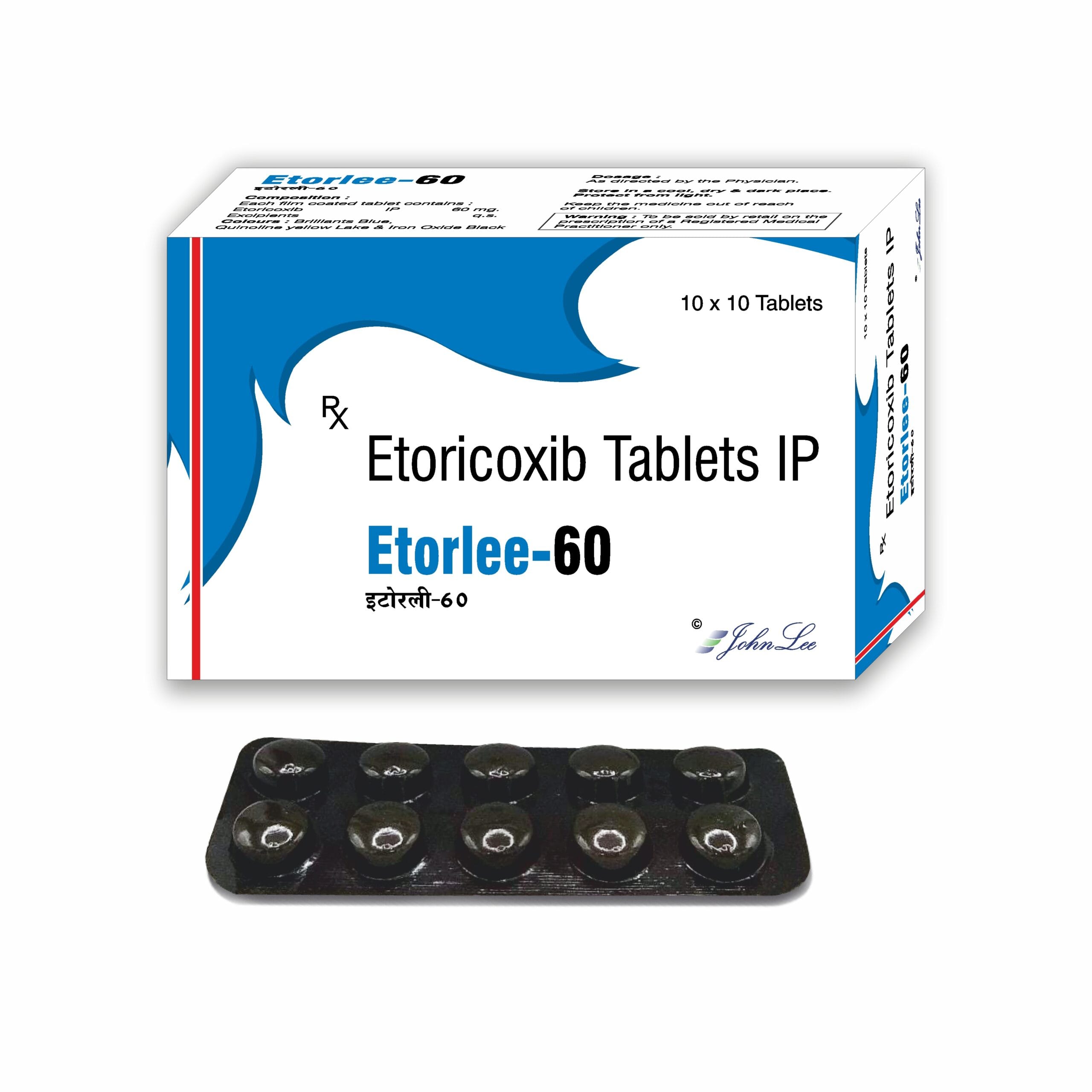
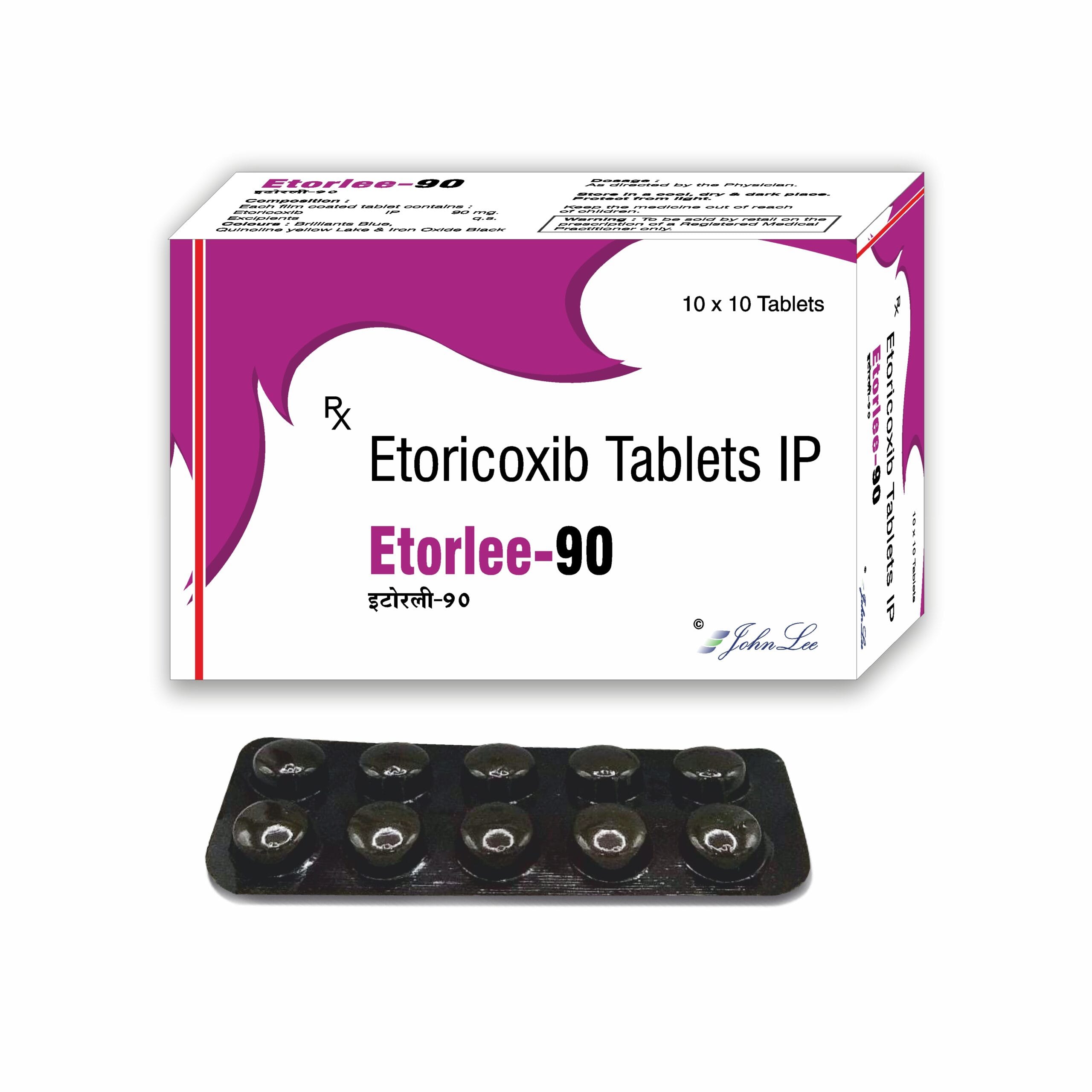
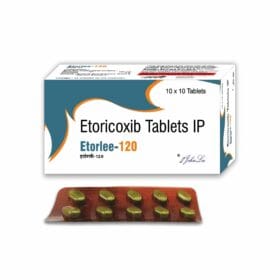
Etorlee
✅ Ανακουφίζει τον πόνο
✅ Μειώνει τη φλεγμονή
✅ Θεραπεία των Συμπτωμάτων της Αρθρίτιδας
✅ Προτεινόμενο COX-2 Αναστολέας
✅ Επιλογή από του στόματος φαρμάκου
Το Etorlee περιέχει Ετορικοξίβ.
✓ Ιατρικά ελεγμένο από Morgan Ellis — Ερευνητής Φαρμακευτικής · 8 χρόνια εμπειρία · Τελευταία αναθεώρηση: Μάιος 2026
⚡ Γρήγορη Απάντηση — Τι είναι το Etorlee;
Etorlee είναι δισκίο ετορικοξίβης διαθέσιμο σε 60 mg, 90 mg και 120 mg δυνάμεις, καλύπτοντας ολόκληρο το θεραπευτικό εύρος αυτού του υψηλά επιλεκτικού αναστολέα COX-2. Οι ενδείξεις αντιστοιχούν στη δύναμη: 60 mg για οστεοαρθρίτιδα, 90 mg για ρευματοειδή αρθρίτιδα και αγκυλωτική σπονδυλίτιδα, και 120 mg σύντομη θεραπεία (≤ 8 ημέρες) για οξεία ουρική αρθρίτιδα και οξύ πόνο. Όλες οι δόσεις λαμβάνονται μία φορά την ημέρα.
📦 Κάθε παραγγελία καλύπτεται από την Πολιτική Εγγύησης Επαναποστολής — εάν το δέμα σας δεν φτάσει εντός 20 εργάσιμων ημερών, το επαναποστέλλουμε.
Γιατί να παραγγείλετε από τη MedsBase
Τα γενόσημα φάρμακά μας προέρχονται από κατασκευαστές που πιστοποιούνται από την WHO-GMP και αποστέλλονται παγκοσμίως σε διακριτική, απλή συσκευασία — χωρίς όνομα φαρμάκου στο εξωτερικό του δέματος. Οι πληρωμές με κάρτα δρομολογούνται μέσω ρυθμισμένου επεξεργαστή (οι περιγραφές εκκαθάρισης περιλαμβάνουν ρυθμισμένο επεξεργαστή πληρωμών με κάρτα — ποτέ “MedsBase” ή οποιοδήποτε όνομα φαρμάκου). Γίνονται δεκτές και πληρωμές με κρυπτονομίσματα και τραπεζική μεταφορά SEPA. Κάθε παραγγελία καλύπτεται από την Πολιτική Επαναποστολής Εξασφαλίσεώς μας.
Etorlee είναι ένα δισκίο για από του στόματος χορήγηση της ετορικοξίβ, διαθέσιμο σε όλο το εύρος δόσεων που χρησιμοποιείται στην κλινική πράξη. Αυτό προσδίδει στο Etorlee ένα ασυνήθιστα ευρύ θεραπευτικό ρόλο — ο ίδιος ασθενής μπορεί να συνταγογραφηθεί με 60 mg μακροπρόθεσμα για οστεοαρθρίτιδα, 90 mg κατά τις επιδείνωσης της ρευματοειδούς αρθρίτιδας και 120 mg σύντομης διάρκειας για ένα επεισόδιο οξείας ουρικής αρθρίτιδας — όλα από την ίδια μάρκα.
Ποια Δόση του Etorlee για Ποια Πάθηση;
| Ισχύς | Ενδείξεις | Τυπική θεραπεία |
|---|---|---|
| 60 mg | Οστεοαρθρίτιδα | Μακροπρόθεσμα, μία φορά την ημέρα, με παρακολούθηση |
| 90 mg | Ρευματοειδής αρθρίτιδα, αγκυλωτική σπονδυλίτιδα | Συνεχής, μία φορά την ημέρα, με παρακολούθηση |
| 120 mg | Οξεία ουρική αρθρίτιδα, οξύ μυοσκελετικό/οδοντικό άλγος | Μέγιστη διάρκεια 8 ημερών |
Μόλις ελεγχθούν τα συμπτώματα με υψηλότερη δόση, οι γιατροί συνήθως μειώνουν στη χαμηλότερη αποτελεσματική δόση. Η δόση των 120 mg δεν πρέπει να χρησιμοποιείται για περισσότερες από 8 ημέρες.
Για τι χρησιμοποιείται το Etorlee;
- Οστεοαρθρίτιδα (60 mg/ημέρα) — χρόνιο άλγος στις αρθρώσεις, ειδικά σε ασθενείς με υψηλό κίνδυνο γαστρικού έλκους
- Ρευματοειδής αρθρίτιδα (90 mg/ημέρα)
- Αγκυλωτική σπονδυλίτιδα (90 mg/ημέρα)
- Οξεία ουρική αρθρίτιδα (120 mg/ημέρα για έως 8 ημέρες)
- Οξύ μυοσκελετικό άλγος (120 mg/ημέρα, βραχυπρόθεσμη θεραπεία)
- Οδοντικό άλγος μετά από επέμβαση (120 mg/ημέρα, συνήθως για 3 ημέρες)
Πώς λειτουργεί ο Ετορικοξιμπ;
Ο Ετορικοξιμπ είναι ένας ιδιαίτερα επιλεκτικός αναστολέας COX-2 (“coxib”). Αναστέλλει το ένζυμο κυκλοοξυγενάση-2 που προκαλεί φλεγμονή, ενώ σε μεγάλο βαθμό διατηρεί την COX-1 — το ένζυμο που είναι υπεύθυνο για την προστασία της γαστρικής επένδυσης και τη φυσιολογική λειτουργία των αιμοπεταλίων. Πρακτικά, αυτό παρέχει ισχυρή αντιφλεγμονώδη και αναλγητική δράση με σημαντικά μειωμένο κίνδυνο γαστρικού έλκους και ανώτερης γαστρεντερικής αιμορραγίας σε σύγκριση με τα κλασικά μη επιλεκτικά ΜΣΑΦ (ιβουπροφαίνη, διχλοφαινάκη, ναπροξένη).
Ο Ετορικοξιμπ έχει ημιζωή περίπου 22 ώρες, που επιτρέπει απλή καθημερινή δόση, και φθάνει στη μέγιστη πλάσματική συγκέντρωση εντός 1 ώρας από την από του στόματος δόση.
Χορήγηση Etorlee
- Οστεοαρθρίτιδα: 60 mg μία φορά την ημέρα
- Ρευματοειδής αρθρίτιδα, αγκυλωτική σπονδυλίτιδα: 90 mg μία φορά την ημέρα
- Οξεία ουρική αρθρίτιδα, οξύ πόνο: 120 mg μία φορά την ημέρα για έως και 8 ημέρες μόνο
- Ηπατική δυσλειτουργία: μέγιστη δόση 60 mg/ημέρα σε ήπια (Child-Pugh A) και 60 mg κάθε δεύτερη ημέρα σε μέτρια (Child-Pugh B) ηπατική δυσλειτουργία· απαγορεύεται σε σοβαρή ηπατική δυσλειτουργία
- Νεφρική δυσλειτουργία: δεν συνιστάται αν CrCl < 30 mL/min
- Ηλικιωμένοι: η συνήθης δόση ενηλίκων είναι αποδεκτή· παρακολουθήστε την πίεση και τη νεφρική λειτουργία
Πάρτε μία φορά την ημέρα με ή χωρίς φαγητό. Αν ξεχάσετε μια δόση, πάρτε την όταν το θυμηθείτε, εκτός αν η επόμενη δόση είναι αναμενόμενη εντός 12 ωρών — τότε παραλείψτε την.
Γαστρεντερική ασφάλεια. Το Etorlee (ή το συστατικό του NSAID) φέρει πραγματικό κίνδυνο γαστρίτιδας, πεπτικού έλκους και ανώτερης γαστρεντερικής αιμορραγίας. Ο κίνδυνος είναι μεγαλύτερος σε ασθενείς άνω των 65 ετών, σε εκείνους με προηγούμενη ιστορία έλκους και σε οποιονδήποτε λαμβάνει ταυτόχρονα χαμηλές δόσεις ασπιρίνης, κορτικοστεροειδή, SSRIs ή αντιπηκτικά. Πάρτε το με φαγητό, στη χαμηλότερη αποτελεσματική δόση για το συντομότερο εύλογο χρονικό διάστημα, και συμβουλευτείτε τον γιατρό σας σχετικά με την προσθήκη αναστολέα αντλίας πρωτονίων (ομεπραζόλη, παντοπραζόλη) για θεραπείες διάρκειας άνω των 2–4 εβδομάδων.
Ποιος Δεν Πρέπει να Λαμβάνει Ετορικοξιβή;
- Γνωστή υπερευαισθησία στην ετορικοξίβη ή σε οποιοδήποτε ΜΣΑΦ
- Ενεργό πεπτικό έλκος ή γαστρεντερική αιμορραγία
- Εξάρθρωση φλεγμονώδους νόσου του εντέρου
- Καρδιακή ανεπάρκεια (NYHA II–IV) — η ετορικοξίβη είναι ειδικά αντενδεικνυόμενη
- Καθιερωμένη ισχαιμική καρδιακή νόσος, περιφερική αρτηριακή νόσος ή εγκεφαλική αγγειακή νόσος
- Ανεξέλικτη υπέρταση (αρτηριακή πίεση σταθερά πάνω από 140/90 mmHg — η ετορικοξίβη αυξάνει σημαντικά την ΑΠ)
- Σοβαρή ηπατική δυσλειτουργία (Child-Pugh C)
- Σοβαρή νεφρική δυσλειτουργία (CrCl < 30 mL/min)
- Εγκυμοσύνη (όλα τα τρίμηνα) και θηλασμός
- Παιδιά κάτω των 16 ετών
- Άσθμα, κνίδωση ή αγγειοοίδημα που προκαλείται από ασπιρίνη ή ΜΣΑΦ
- Πρόσφατη χειρουργική επέμβαση αορτοστεφανιαίας παράκαμψης (CABG)
Συχνές παρενέργειες
- Συχνά (1–10%): κεφαλαλγία, ζάλη, οίδημα στους αστραγάλους, αυξημένη αρτηριακή πίεση, δυσπεψία, ναυτία, διάρροια
- Ασυνήθιστες: ήπια αύξηση των ηπατικών ενζύμων, παλμοί, αϋπνία, βρογχόσπασμος, εξάνθημα
- Σπάνιες αλλά σοβαρές: έμφραγμα του μυοκαρδίου, εγκεφαλικό επεισόδιο, επιδείνωση καρδιακής ανεπάρκειας, σοβαρή ηπατοτοξικότητα, σύνδρομο Stevens-Johnson, οξεία νεφρική βλάβη, αναφυλαξία
Διακόψτε την ετορικοξίβη και ζητήστε άμεση ιατρική περίθαλψη εάν εμφανίσετε πόνο στο στήθος, ξαφνική αδυναμία ή δυσαρθρία, σοβαρό κοιλιακό πόνο, αίμα στα κόπρανα ή στον εμετό, κίτρινισμα του δέρματος ή των ματιών ή εξανθήματα με φουσκάλες.
Παραγγελία & Παράδοση
Η MedsBase προσφέρει παγκόσμια αποστολή για κάθε παραγγελία. Οι παραγγελίες αποστέλλονται σε διακριτική συσκευασία και φτάνουν σε συσκευασίες με εμπορικό σήμα του κατασκευαστή. Εάν το προτιμώμενο μέγεθος συσκευασίας σας δεν είναι διαθέσιμο, επικοινωνήστε με την υποστήριξη πελατών για εκτίμηση χρόνου παράδοσης.
Ιατρική αποποίηση ευθυνών. Οι πληροφορίες σε αυτή τη σελίδα παρέχονται μόνο για γενική ενημέρωση. Δεν αποτελούν υποκατάστατο συμβουλών από τον γιατρό ή τον φαρμακοποιό σας. Συμβουλευτείτε έναν καταξιωμένο επαγγελματία υγείας πριν ξεκινήσετε, διακόψετε ή αλλάξετε τη θεραπεία, ειδικά αν έχετε ιστορικό έλκους, καρδιακής νόσου, νεφρικής νόσου, άσθματος, ηπατικής νόσου ή είστε έγκυος.
Συχνές Ερωτήσεις
Για τι χρησιμοποιείται το Etorlee;
Το Etorlee (ετορικοξίβη) χρησιμοποιείται για οστεοαρθρίτιδα (60 mg), ρευματοειδή αρθρίτιδα και αγκυλώσπονδυλίτιδα (90 mg) και οξέα ουρική αρθρίτιδα ή οξύ πόνο (120 mg, βραχυπρόθεσμη χορήγηση). Η δόση προσαρμόζεται ανάλογα με την ένδειξη.
Πόσο χρόνο χρειάζεται το Etorlee για να δράσει;
Η μέγιστη συγκέντρωση στο πλάσμα επιτυγχάνεται σε περίπου 1 ώρα· πολλοί ασθενείς παρατηρούν ανακούφιση από τον πόνο εντός 30–60 λεπτών. Το μέγιστο αντιφλεγμονώδες αποτέλεσμα στην χρόνια αρθρίτιδα αναπτύσσεται σε 2–3 εβδομάδες τακτικής χορήγησης.
Είναι το Etorlee ασφαλέστερο από την ιβουπροφαίνη για το στομάχι;
Ναι — σημαντικά. Ο επιλεκτικός μηχανισμός COX-2 φείδεται του προστατευτικού για το στομάχι ενζύμου COX-1, επομένως ο κίνδυνος έλκους και γαστρεντερικής αιμορραγίας είναι πολύ χαμηλότερος σε σύγκριση με τα μη επιλεκτικά ΜΣΑΦ. Ωστόσο, δεν είναι εντελώς χωρίς κίνδυνο.
Τι γίνεται με το Etorlee και τις καρδιακές παθήσεις;
Η ετορικοξίβη είναι αντενδεικνυόμενη σε καθιερωμένη ισχαιμική καρδιοπάθεια, περιφερική αρτηριακή νόσο, εγκεφαλοαγγειακή νόσο και καρδιακή ανεπάρκεια (NYHA II–IV). Σε ασθενείς με πολλαπλούς καρδιαγγειακούς παράγοντες κινδύνου, χρησιμοποιείται με προσοχή και για τη συντομότερη δυνατή χρονική περίοδο.
Μπορώ να πάρω Etorlee με παρακεταμόλη;
Ναι. Η παρακεταμόλη δρα σε διαφορετική οδό και συνδυάζεται συχνά με ετορικοξίβη για ισχυρότερη αναλγησία.
Μπορώ να πάρω Etorlee με ασπιρίνη;
Σε αντίθεση με την ιβουπροφαίνη, η ετορικοξίβη δεν μπλοκάρει την καρδιοπροστατευτική επίδραση της χαμηλής δόσης ασπιρίνης. Ο συνδυασμός αυξάνει όμως τον συνολικό κίνδυνο γαστρεντερικής αιμορραγίας· συνήθως συνταγογραφείται και ένας αναστολέας αντλίας πρωτονίων.
Μπορώ να πιω αλκοόλ ενώ παίρνω Etorlee;
Η ελαφριά κατανάλωση αλκοόλ συνήθως ανέχεται. Η τακτική ή υπερβολική χρήση αλκοόλ αυξάνει τον κίνδυνο γαστρεντερικής αιμορραγίας και ηπατικών επιπλοκών — περιορίστε την στο ελάχιστο κατά τη διάρκεια της θεραπείας.
Είναι το Etorlee εθιστικό;
Όχι. Η ετορικοξίβη δεν είναι εθιστική και δεν αποτελεί ελεγχόμενη ουσία.
Είναι το Etorlee ασφαλές κατά την εγκυμοσύνη;
Όχι — η ετορικοξίβη είναι αντενδειγμένη σε όλη τη διάρκεια της εγκυμοσύνης και κατά τον θηλασμό. Η παρακεταμόλη είναι το πρώτης επιλογής αναλγητικό κατά την εγκυμοσύνη.
Πόσο καιρό μπορώ να παίρνω Etorlee 60 ή 90 mg;
Η χρόνια μακροπρόθεσμη χρήση είναι δυνατή στη ρευματοειδή αρθρίτιδα, την οστεοαρθρίτιδα και την αγκυλωτική σπονδυλίτιδα στη χαμηλότερη αποτελεσματική δόση. Συνιστάται τακτικός έλεγχος της αρτηριακής πίεσης, της νεφρικής λειτουργίας και των ηπατικών ενζύμων.
Ποια είναι η διαφορά μεταξύ του Etorlee και του Etoford;
Και τα δύο περιέχουν ετορικοξίβη. Το Etorlee προσφέρεται σε δόσεις 60/90/120 mg, προσφέροντας πλήρη ευελιξία στις ενδείξεις. Το Etoford συνήθως διατίθεται σε δόση 120 mg (αν και υπάρχουν και παραλλαγές 60/90 mg) και συχνά επιλέγεται ειδικά για την οξεία ουρική αρθρίτιδα και τον οξύ πόνο.
Σχετικές Εναλλακτικές
Άλλα προϊόντα σε Χρόνιες Παθήσεις που οι πελάτες εξετάζουν επίσης:
Περισσότερες επιλογές σε Φάρμακα για τον Πόνο
Ταξινομημένα σύμφωνα με τον όγκο παραγγελιών στο MedsBase — τι επιλέγουν άλλοι πελάτες σε αυτήν την κατηγορία.
| Ισχύς | 60 mg, 90 mg, 120 mg |
|---|---|
| Ποσότητα | 30 δισκία, 60 δισκία, 90 δισκία, 180 δισκία |
 Etorlee
Ερωτήσεις & Απαντήσεις
Etorlee
Σχετικά προϊόντα

Κριτικές
Δεν υπάρχουν ακόμη κριτικές