








Minirin Nasal Spray
✅ Ελέγχει την υπερβολική ούρηση
✅ Διαχειρίζεται την νυκτουρία
✅ Θεραπεύει τη διαβητική ίψα
✅ Μειώνει τη νυκτουρία
✅ Αποτρέπει την αφυδάτωση
Το Minirin Nasal Spray περιέχει Δεσμοπρεσσίνη.
✓ Ιατρικά ελεγμένο από Morgan Ellis — Ερευνητής Φαρμακευτικής · 8 χρόνια εμπειρία · Τελευταία αναθεώρηση: Μάιος 2026
⚡ Γρήγορη Απάντηση — Τι είναι το Minirin Nasal Spray;
Minirin Nasal Spray είναι ένα ενδορινικό σπρέι του desmopressin (0.1 mg/mL ενρινική εφαρμογή) — ένα συνθετικό ανάλογο της φυσικής αντιδιουρητικής ορμόνης (βαζοπρεσίνης). Χρησιμοποιείται για κεντρικό διαβήτη insipidus (η διαταραχή της υπόφυσης, ΟΧΙ τον κοινό διαβήτη τύπου 2), πρωτογενή νυκτουρία (κλίνωση), και νυκτουρία. Η Desmopressin μειώνει την παραγωγή ούρων έως και 90% προωθώντας την επαναρρόφηση του νερού στους συλλεκτικούς πόρους των νεφρών. Έναρξη: 15–30 λεπτά; διάρκεια: 6–12 ώρες. Κρίσιμος κανόνας ασφαλείας — περιορίστε τα υγρά για 1 ώρα πριν και 8 ώρες μετά από κάθε δόση για να αποφευχθεί επικίνδυνη υπονατριαιμία (χαμηλό νάτριο, που μπορεί να προκαλέσει σπασμούς). Αποφύγετε σε καρδιακή ανεπάρκεια, μέτρια έως σοβαρή νεφρική δυσλειτουργία, υπονατριαιμία και SIADH. Η δεσμοπρεσσίνη είναι ΟΧΙ θεραπεία για διαβήτη τύπου 2 ή ινσουλινοαντίσταση — οι δύο παθήσεις μοιράζονται μόνο τη λέξη “διαβήτης”.
📦 Κάθε παραγγελία καλύπτεται από την Πολιτική Εγγύησης Επαναποστολής — εάν το δέμα σας δεν φτάσει εντός 20 εργάσιμων ημερών, το επαναποστέλλουμε.
Γιατί να παραγγείλετε από τη MedsBase
Τα γενόσημα φάρμακά μας προέρχονται από κατασκευαστές που πιστοποιούνται από την WHO-GMP και αποστέλλονται παγκοσμίως σε διακριτική, απλή συσκευασία — χωρίς όνομα φαρμάκου στο εξωτερικό του δέματος. Οι πληρωμές με κάρτα δρομολογούνται μέσω ρυθμισμένου επεξεργαστή (οι περιγραφές εκκαθάρισης περιλαμβάνουν ρυθμισμένο επεξεργαστή πληρωμών με κάρτα — ποτέ “MedsBase” ή οποιοδήποτε όνομα φαρμάκου). Γίνονται δεκτές και πληρωμές με κρυπτονομίσματα και τραπεζική μεταφορά SEPA. Κάθε παραγγελία καλύπτεται από την Πολιτική Επαναποστολής Εξασφαλίσεώς μας.
Το Minirin Nasal Spray είναι μια ενδορινική σκευασματολογική μορφή του
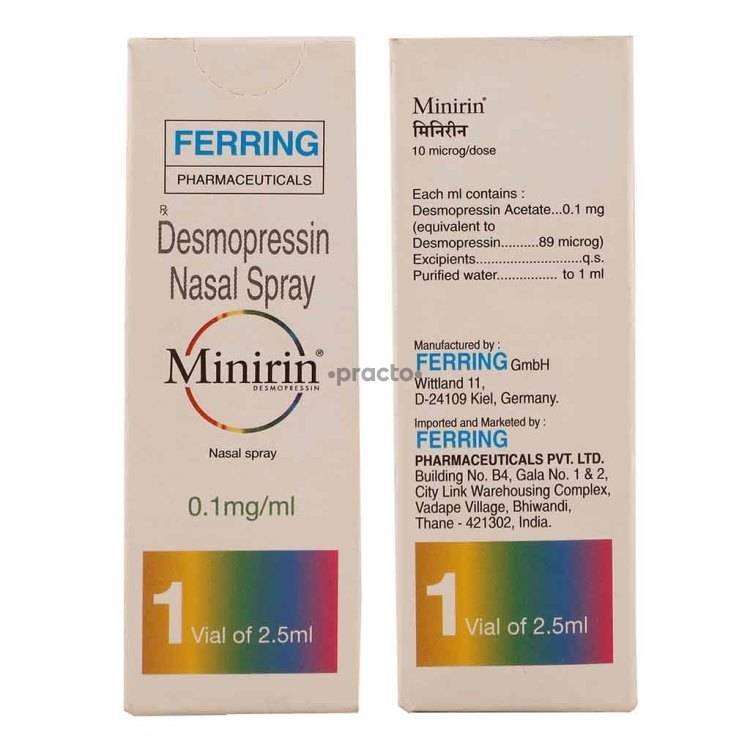
Το Minirin Nasal Spray είναι μια ενδορινική σπρέι φόρμουλα του οξικός δεσμοπρεσσίνης (0.1 mg/mL ενρινική εφαρμογή), κατασκευασμένο από τη Ferring Pharmaceuticals. Προσφέρεται σε συσκευασίες των 1 ή 3 φιαλών (2.5 mL η καθεμία).
Η δεσμοπρεσσίνη (DDAVP) είναι ένα συνθετικό ανάλογο της αργινίνης βαζοπρεσσίνης (ADH), της φυσικής αντιδιουρητικής ορμόνης του οργανισμού. Έχει τροποποιηθεί με δύο τρόπους: απενζύμωση στη θέση 1 (αυξάνοντας την αντοχή στη ενζυμική διάσπαση) και αντικατάσταση της L-αργινίνης με D-αργινίνη στη θέση 8 (απομακρύνοντας το αγγειοσυσταλτικό αποτέλεσμα). Το αποτέλεσμα είναι ένα φάρμακο με ισχυρή αντιδιουρητική δράση αλλά ελάχιστες επιπτώσεις στην πίεση του αίματος.
Πώς Λειτουργεί το Minirin Nasal Spray;
Η δεσμοπρεσσίνη εγκρίνεται για τρεις κύριες ομάδες παθήσεων:
- Κεντρική διαβητική ίψωση — προκαλείται από έλλειψη ADH (συχνά λόγω όγκου της υπόφυσης, χειρουργικής επέμβασης ή κρανιοεγκεφαλικού τραύματος). Οι ασθενείς εκκρίνουν 3–20 λίτρα αραιού ούρα την ημέρα και έχουν συνεχή δίψα. Η δεσμοπρεσσίνη αντικαθιστά την ορμόνη που λείπει.
- Πρωτογενής νυκτουρία (κλίνούρηση) — σε παιδιά ηλικίας 6 ετών και άνω, και σε ενήλικες με επίμονη νυκτουρία. Μειώνει την παραγωγή ούρων κατά τη διάρκεια της νύχτας.
- Νυκτουρία (ενήλικας) — ξύπνημα τη νύχτα για αφόδευση, όταν ο περιορισμός υγρών και άλλες μέθοδοι έχουν αποτύχει.
Εκτός ετικέτας: ήπια αιμοφιλία Α και τύπου 1 νόσος von Willebrand (αυξάνει τα επίπεδα παράγοντα VIII και von Willebrand βραχυπρόθεσμα), ουραιμική αιμορραγία πριν από επεμβάσεις.
Είναι η Desmopressin για τον Διαβήτη Τύπου 2;
Όχι. “Διαβήτης insipidus” και “διαβήτης mellitus” μοιράζονται τη λατινική λέξη διαβήτης (σημαίνει “να περνάει μέσα” — αναφέρεται στην υπερβολική παραγωγή ούρων) αλλά είναι εντελώς διαφορετικές παθήσεις:
- Διαβήτης mellitus (τύπου 1 και τύπου 2) — πρόβλημα με την ινσουλίνη και τη γλυκόζη του αίματος. Θεραπεύεται με μετφορμίνη, αναστολείς SGLT-2, αγωνιστές GLP-1, σουλφονυλουρίες, ινσουλίνη, κ.λπ.
- Διαβήτης insipidus — πρόβλημα με την αντιδιουρητική ορμόνη (είτε λόγω ανεπάρκειας από την υπόφυση, είτε λόγω ανθεκτικότητας των νεφρών). Θεραπεύεται με δεσμοπρεσσίνη (κεντρική μορφή) ή θειαζιδικά διουρητικά / αμιλορίδη (νεφρογενής μορφή).
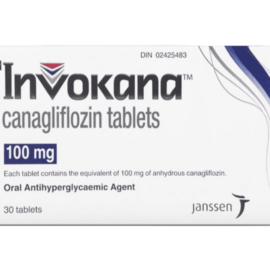
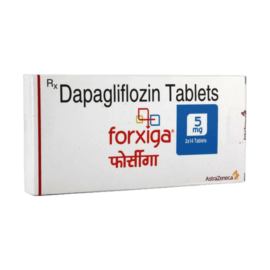
Αν ψάχνετε για φάρμακο για τη μείωση της σακχαρώδους διαβήτη, παρακαλούμε δείτε τις σελίδες των προϊόντων με μετφορμίνη, SGLT-2 ή DPP-4.
Πώς λειτουργεί το Minirin Nasal Spray;
Η δεσμοπρεσσίνη συνδέεται με V2 υποδοχείς στα κύτταρα που επενδύουν τους συλλεκτικούς πόρους των νεφρών. Αυτό προκαλεί την εισαγωγή υδατοδιαύλων ακουαπορίνης-2 στη κυτταρική μεμβράνη, επιτρέποντας την επαναρρόφηση του νερού από τα ούρα πίσω στο αίμα. Η παραγωγή ούρων μειώνεται και η συγκέντρωση τους αυξάνεται.
Στον κεντρικό διαβήτη άποιο, αυτό αντικαθιστά την ελλειπούσα ορμόνη. Στην πρωτοπαθή νυκτουρία και νυκτουρία, μειώνει τον όγκο των ούρων που παράγονται κατά τη νύχτα — έτσι η ουροδόχος κύστη δεν γεμίζει σε σημείο διαρροής ή ξυπνήματος.
Η δεσμοπρεσσίνη έχει ουσιαστικά καμία επίδραση στους υποδοχείς V1, που σημαίνει ότι δεν προκαλεί αγγειοσυστολή ή αύξηση της αρτηριακής πίεσης (σε αντίθεση με τη φυσική βαζοπρεσίνη).
Δοσολογία και Χορήγηση
Κεντρικός διαβήτης ανιδιώδης (ενήλικες): 10–20 µg (1–2 ψεκασμοί) ενρινά μία ή δύο φορές ημερησίως. Παιδιά: 5–10 µg ενρινά μία ή δύο φορές ημερησίως, προσαρμοσμένο στην απόκριση.
Πρωτογενής νυκτουρία: 10–20 µg ενρινά πριν τον ύπνο (μόνο όταν τα δισκία δεν είναι κατάλληλα). Σημείωση: το FDA απέσυρε την έγκριση της ενρινής μορφής για τη νυκτουρία το 2007 λόγω ανησυχιών για υπονατριαιμία· τα δισκία προτιμώνται για τη νυκτουρία.
Αιμοφιλία Α / νόσος von Willebrand (προφύλαξη αιμορραγίας εκτός ετικέτας): εξειδικευμένη χρήση· η δόση εξατομικεύεται.
- Προετοιμάστε την αντλία — ψεκάστε 4 φορές στον αέρα εάν είναι νέα ή εάν δεν έχει χρησιμοποιηθεί για > 24 ώρες, μέχρι να φανεί ένα λεπτό νέφος.
- Φυσήξτε απαλά τη μύτη σας πριν από τη χορήγηση.
- Κρατήστε το μπουκάλι όρθιο, εισάγετε την άκρη σε μια ρουθουνιά και ψεκάστε μία φορά ενώ εισπνέετε αργά από τη μύτη.
- Αποφύγετε να ρουφάτε πολύ δυνατά — το φάρμακο πρέπει να παραμείνει στις ρινικές κοιλότητες, όχι να τρέχει στο λαιμό.
- Περιορισμός υγρών από 1 ώρα πριν έως 8 ώρες μετά από κάθε δόση είναι απαραίτητο.
- Μια βουλωμένη ή τρέχουσα μύτη μειώνει την απορρόφηση· αλλάξτε σε δισκία εάν έχετε κρυολόγημα ή αλλεργίες.
Όλοι οι ασθενείς: Παρακολουθήστε τα επίπεδα νατρίου στο αίμα, ιδιαίτερα τις πρώτες 2 εβδομάδες και μετά από κάθε αλλαγή δόσης. Τα συμπτώματα χαμηλού νατρίου — πονοκέφαλος, ναυτία, σύγχυση, σπασμοί — απαιτούν άμεση ιατρική προσοχή.
Παρενέργειες
Συχνές:
- Κεφαλαλγία
- Ναυτία, δυσφορία στην κοιλιά
- Ξηροστομία (σπάνια παρά την αντιδιουρητική επίδραση)
- Ερυθρότητα
- Ερεθισμός ρινών, ρινίτιδα, επισταξία (ρινικό σπρέι)
Σπάνια αλλά σημαντικά — υπονατριαιμία και υδατική δηλητηρίαση:
Το ο κύριος σοβαρός κίνδυνος της δεσμοπρεσίνης είναι η αραιωτική υπονατριαιμία — χαμηλό νάτριο που προκαλείται από κατακράτηση νερού όταν δεν περιορίζονται τα υγρά. Τα πρώιμα συμπτώματα είναι πονοκέφαλος, ναυτία, αύξηση βάρους και ληθαργία. Η σοβαρή υπονατριαιμία μπορεί να προκαλέσει σπασμούς και κώμα. Πρόληψη: αυστηρός περιορισμός υγρών γύρω από κάθε δόση. Ο κίνδυνος είναι μεγαλύτερος σε ηλικιωμένους, όσους λαμβάνουν SSRI, NSAID ή θειαζίδες, και κατά τη διάρκεια οξείας ασθένειας.
Άλλα σπάνια: υπερευαισθησία, φλεγμονή της επιπεφυκότος, μικρές αυξήσεις της αρτηριακής πίεσης.
Αλληλεπιδράσεις Φαρμάκων
- Φάρμακα που προκαλούν κατακράτηση νερού ή παρόμοιες με SIADH επιδράσεις — SSRI, τρικυκλικά αντικαταθλιπτικά, καρβαμαζεπίνη, οξκαρβαζεπίνη, χλωροπρομαζίνη, NSAID. Αυξάνουν τον κίνδυνο υπονατριαιμίας· προσεκτική παρακολούθηση νατρίου.
- Διουρητικά βρόχου (φουροσεμίδη) — μπορεί να προκαλέσουν γρήγορες μεταβολές νατρίου· χρήση με προσοχή.
- Θειαζιδικά διουρητικά — ενισχύουν τον κίνδυνο υπονατριαιμίας.
- Λοπεραμίδη — μπορεί να αυξήσει σημαντικά τα επίπεδα της δεσμοπρεσσίνης από του στόματος· αποφύγετε τον συνδυασμό.
- Γλυκοκορτικοειδή — μειώνουν την επίδραση της δεσμοπρεσσίνης.
Ποιος Δεν Πρέπει να Παίρνει το Minirin Ενρινό Σπρέι;
- Τρέχουσα ή ιστορικό υπονατριαιμίας
- Σύνδρομο ακατάλληλης έκκρισης αντιδιουρητικής ορμόνης (SIADH)
- Μέτρια έως σοβαρή νεφρική δυσλειτουργία (εκκαθάριση κρεατινίνης < 50 mL/min)
- Καρδιακή ανεπάρκεια ή άλλες παθήσεις που απαιτούν διουρητική θεραπεία
- Πολυδιψία (συνηθισμένη υπερβολική δίψα/κατανάλωση υγρών)
- Γνωστή υπερευαισθησία στη δεσμοπρεσσίνη
- Ειδικά για ρινικό σπρέι: χρόνια ρινίτιδα, κατεστραμμένη βλεννογόνο, αναξιόπιστη απορρόφηση
- Χρησιμοποιείστε με προσοχή σε ηλικιωμένους (αυξημένος κίνδυνος υπονατριαιμίας)· ορισμένοι ρυθμιστικοί φορείς συνιστούν κατά της χρήσης δεσμοπρεσίνης για νυκτουρία σε ενήλικες > 65
Αποθήκευση
Φυλάξτε το Minirin Ενρινό Σπρέι κάτω από 25°C σε ξηρό μέρος (δισκία) ή στους 2–8°C μέχρι την πρώτη χρήση, έπειτα κάτω από 25°C μόλις ανοιχτεί (ενρινό σπρέι). Κρατήστε μακριά από παιδιά. Ελέγξτε την ετικέτα για την ημερομηνία λήξης και τη διάρκεια χρήσης.
Συχνές Ερωτήσεις
Είναι η δεσμοπρεσίνη το ίδιο με ένα φάρμακο για διαβήτη τύπου 2;
Όχι. Η δεσμοπρεσίνη θεραπεύει διαβήτης insipidus (ένα ορμονικό πρόβλημα/ισορροπία νερού) και την ενούρηση/νυκτουρία. Δεν μειώνει το σάκχαρο και δεν χρησιμοποιείται για διαβήτη τύπου 2. Οι δύο παθήσεις μοιράζονται μόνο τη λέξη “διαβήτης”.
Πόσο νερό μπορώ να πίνω ενώ παίρνω το Minirin Ενρινό Σπρέι;
Περιορίστε τα υγρά από 1 ώρα πριν έως 8 ώρες μετά από κάθε δόση. Η ακριβής ποσότητα εξαρτάται από το σωματικό μέγεθος και το κλίμα, αλλά οι περισσότεροι ασθενείς συμβουλεύονται να πίνουν μόνο όταν διψούν κατά τη διάρκεια αυτού του διαστήματος και να σταματούν νωρίτερα αν η ούρηση δεν αυξηθεί. Ποτέ μην “αναγκάζετε τα υγρά” με δεσμοπρεσίνη — αυτή είναι η πιο συνηθισμένη αιτία υπονατριαιμίας.
Τι πρέπει να κάνω εάν εμφανίσω πονοκέφαλο, ναυτία ή σύγχυση με το Minirin Nasal Spray;
Αυτά μπορεί να είναι πρώτα σημάδια υπονατριαιμίας. Σταματήστε το φάρμακο, σταματήστε να πίνετε και ζητήστε ιατρική βοήθεια. Μια εξέταση νατρίου στο αίμα θα επιβεβαιώσει. Η σοβαρή υπονατριαιμία μπορεί να προκαλέσει σπασμούς και είναι ιατρική επείγουσα περίπτωση.
Μπορώ να χρησιμοποιήσω το Minirin Nasal Spray για την ενουρήση κατά τον ύπνο;
Ναι, σε παιδιά ηλικίας 6 ετών και άνω και σε ενήλικες με επίμονη πρωτογενή νυκτερινή ενούρηση, η δεσμοπρεσίνη είναι μια τυπική θεραπεία — τα δισκία προτιμώνται έναντι του ρινικού σπρέι για αυτήν την ένδειξη. Συνήθης δόση: 0,2 mg πριν τον ύπνο (αυξήστε έως 0,4 mg αν χρειαστεί). Η αυστηρή περιορισμός υγρών το βράδυ είναι απαραίτητη.
Μπορούν οι ηλικιωμένοι να χρησιμοποιήσουν το Minirin Nasal Spray;
Με προσοχή. Οι ενήλικες > 65 ετών έχουν σημαντικά υψηλότερο κίνδυνο υπονατριαιμίας με δεσμοπρεσσίνη, και ορισμένοι ρυθμιστικοί φορείς (συμπεριλαμβανομένου του ΗΒ MHRA) συμβουλεύουν κατά της χρήσης της για νυκτουρία σε αυτήν την ηλικιακή ομάδα. Εάν χρησιμοποιηθεί, ξεκινήστε με τη χαμηλότερη δόση και παρακολουθείτε στενά τα επίπεδα νατρίου.
Πού μπορώ να αγοράσω Minirin Nasal Spray online;
Μπορείτε να παραγγείλετε το Minirin Nasal Spray (0.1 mg/mL ενρινική εφαρμογή) από το MedsBase σε συσκευασίες 1 ή 3 φιαλίδων (2.5 mL το καθένα). Πραγματοποιούμε αποστολές παγκοσμίως, με διακριτική συσκευασία και γνήσια προϊόντα από τον κατασκευαστή Ferring Pharmaceuticals.
Σχετικές Φαρμακευτικές Ουσίες
- Minirin — Δεσμοπρεσσίνη 0.1 mg δισκία για από του στόματος χορήγηση
- Minirin Nasal Spray — Δεσμοπρεσσίνη 0.1 mg/mL
Σχετικές Εναλλακτικές
Άλλα προϊόντα σε Χρόνιες Παθήσεις που οι πελάτες εξετάζουν επίσης:
Περισσότερες επιλογές σε φάρμακα για Διαβήτη
Ταξινομημένα σύμφωνα με τον όγκο παραγγελιών στο MedsBase — τι επιλέγουν άλλοι πελάτες σε αυτήν την κατηγορία.
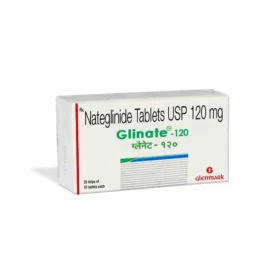

| Ισχύς | 0.1mg/ml |
|---|---|
| Ποσότητα | 1 Φιαλίδιο, 2 Φιαλίδια, 3 Φιαλίδια, 6 Φιαλίδια |
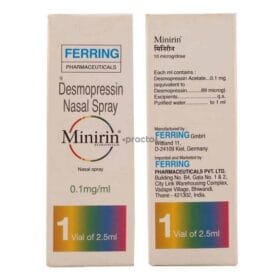 Minirin Nasal Spray
Ερωτήσεις & Απαντήσεις
Minirin Nasal Spray
Σχετικά προϊόντα


Κριτικές
Δεν υπάρχουν ακόμη κριτικές