







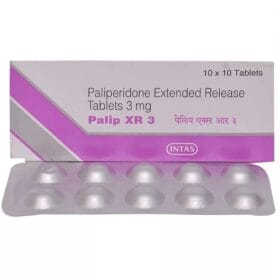
Palip XR
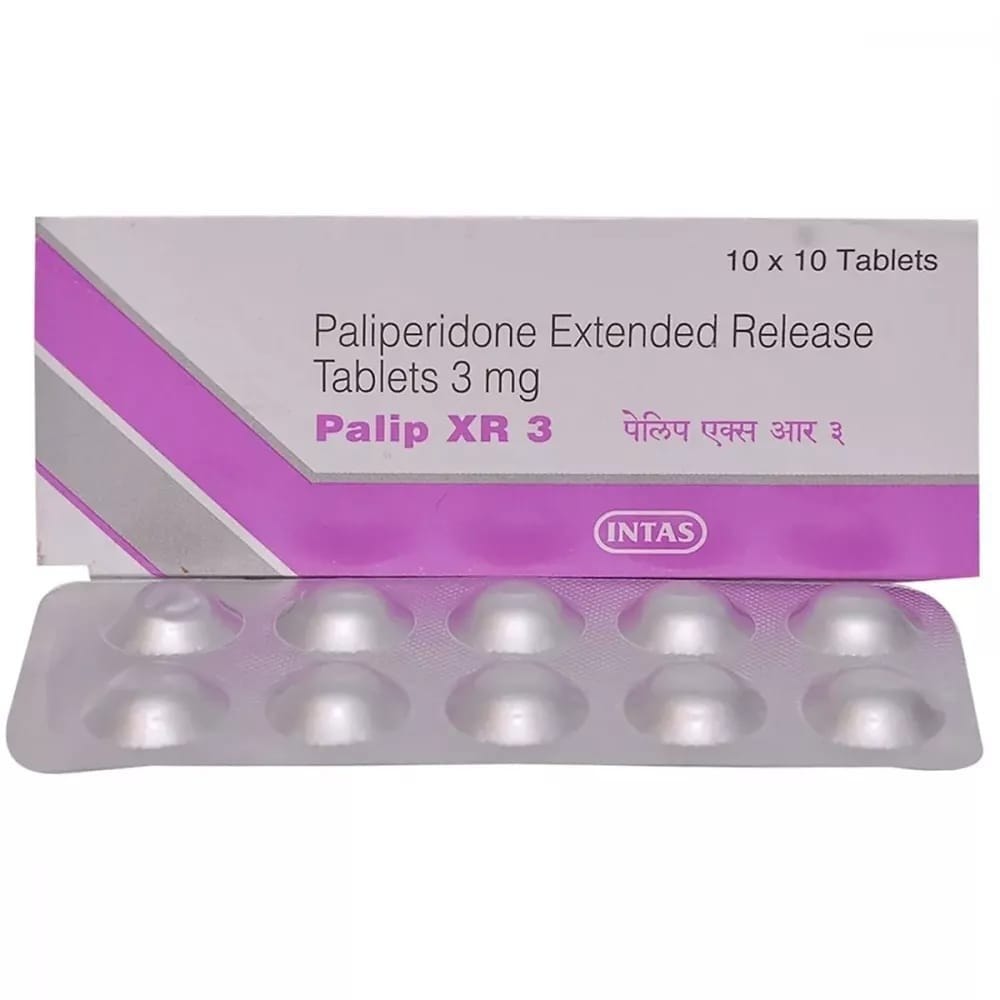
Palip XR (Paliperidone 3/6/9 mg XR) — σχεδιασμένο για παρατεταμένη απελευθέρωση, άτυπο αντιψυχωσικό για σχιζοφρένεια και σχιζοαφεκτική διαταραχή. Μια φορά την ημέρα, αποβάλλεται νεφρικά — δεν επηρεάζεται από φάρμακα που αλλάζουν το CYP.
✓ Ιατρικά ελεγμένο από Morgan Ellis — Ερευνητής Φαρμακευτικής · 8 χρόνια εμπειρία · Τελευταία αναθεώρηση: Μάιος 2026
⚡ Γρήγορη Απάντηση
Το Palip XR (Paliperidone 3 / 6 / 9 mg XR, παρατεταμένης απελευθέρωσης) είναι ένα άτυπο αντιψυχωσικό για σχιζοφρένεια και σχιζοαφεκτική διαταραχή. Ενεργό μεταβολίτης της ρισπεριδόνης, δοσολογείται μία φορά την ημέρα μέσω δισκίου OROS ωσμωτικής αντλίας. Αποβάλλεται κυρίως νεφρικά — απαιτεί προσαρμογή δόσης σε νεφρική δυσλειτουργία.
📦 Κάθε παραγγελία καλύπτεται από την Πολιτική Εγγύησης Επαναποστολής — εάν το δέμα σας δεν φτάσει εντός 20 εργάσιμων ημερών, το επαναποστέλλουμε.
Γιατί να παραγγείλετε από τη MedsBase
Το Palip XR στο MedsBase παρέχεται απευθείας από έναν κατασκευαστή που πιστοποιήθηκε από τον WHO-GMP σε απλή, διακριτική συσκευασία. Κάθε παραγγελία καλύπτεται από την Πολιτική Εγγύησης Επαναποστολής — παράθυρο άφιξης 20 εργάσιμων ημερών ή επαναποστολή χωρίς χρέωση — και δικαιούται συμμετοχή στο πρόγραμμα αφοσίωσης πελατών. Διατίθεται παγκόσμια αποστολή στις περισσότερες προορισμούς.
Τι είναι το Palip XR και πώς λειτουργεί
Το Palip XR είναι ένα εκτατομένης αποδέσμευσης δισκίο παλιπεριδόνης που παρέχεται από τη Sun Pharma. Διαθέσιμες δόσεις: 3 / 6 / 9 mg XR. Η παλιπεριδόνη είναι το κύριο ενεργό μεταβολίτη της ρισπεριδόνης (9-υδροξυρισπεριδόνη). Φαρμακολογικά πολύ παρόμοια — ισχυρή ανταγωνιστική δράση στους D2 και 5-HT2A υποδοχείς, αύξηση της προλακτίνης, EPS σε υψηλότερες δόσεις — αλλά με δύο πρακτικές διαφορές: (1) η φόρμουλα εκτεταμένης αποδέσμευσης OROS δημιουργεί μια επίπεδη καμπύλη πλάσματος 24 ωρών (καλύτερη ανοχή σε σύγκριση με την ρισπεριδόνη IR), και (2) η παλιπεριδόνη εκκρίνεται κυρίως νεφρικά (75%) αντί να μεταβολίζεται ηπατικά, επομένως δεν επηρεάζεται από φάρμακα που αλλάζουν τα CYP αλλά απαιτεί προσαρμογή δόσης σε νεφρική δυσλειτουργία.
Ενδείξεις και δοσολογία
| Ενδείξεις | Εκκίνηση | Στόχος | Μέγιστο |
|---|---|---|---|
| Σχιζοφρένεια (ενήλικες) | 6 mg μία φορά την ημέρα το πρωί | 3–12 mg μία φορά την ημέρα | 12 mg |
| Σχιζοφρένεια (εφήβους ≥ 12 ετών, ≥ 51 κιλά) | 3 mg μία φορά την ημέρα | 3–12 mg μία φορά την ημέρα | 12 mg |
| Σχιζοθυμική διαταραχή | 6 mg μία φορά την ημέρα | 3–12 mg μία φορά την ημέρα | 12 mg |
| Νεφρική δυσλειτουργία (CrCl 50–80) | 3 mg μία φορά την ημέρα | έως 6 mg | 6 mg |
| Νεφρική δυσλειτουργία (CrCl 10–50) | 1.5 mg μία φορά την ημέρα | έως 3 mg | 3 mg |
| Νεφρική δυσλειτουργία (CrCl < 10) | δεν συνιστάται | — | — |
Παίρνετε ολόκληρο — μη συνθλίβετε, μασάτε ή σπάτε. Το κέλυφος της αντλίας ώσμωσης OROS θα περάσει άθικτο στα κόπρανα — αυτό είναι φυσιολογικό και αναμενόμενο.
Σημαντικές ασφαλιστικές εκτιμήσεις
Όλα τα ατυπικά αντιψυχωσικά φέρουν προειδοποίηση μαύρου κουτιού από την FDA για αυξημένη θνησιμότητα (κυρίως καρδιαγγειακή και λοιμώδης) όταν χρησιμοποιούνται για τη θεραπεία της συμπεριφορικής διαταραχής σε ηλικιωμένους με άνοια. Τα ατυπικά δεν έχουν εγκριθεί για ψύχωση ή αναστάτωση σχετιζόμενη με άνοια.. Η χρήση σε αυτόν τον πληθυσμό είναι εκτός ετικέτας, τελευταία λύση, περιορισμένης διάρκειας και απαιτεί σαφή συζήτηση κινδύνου-οφέλους.
Ως ενεργό μεταβολίτης της ρισπεριδόνης, η παλιπεριδόνη προκαλεί την ίδια αύξηση της προλακτίνης: αμηνόρροια, γαλακτόρροια, σεξουαλική δυσλειτουργία και μακροπρόθεσμη απώλεια πυκνότητας των οστών. Παρακολουθήστε όπως με τη ρισπεριδόνη· αλλάξτε σε ένα ατυπικό που δεν επηρεάζει την προλακτίνη (αριπιπραζόλη, κετιεπίνη) εάν εμφανιστούν συμπτώματα.
Πάνω από 6 mg/ημέρα, τα EPS και η ακαθισία αυξάνονται σε συχνότητα. Εξαρτάται από τη δόση.
Το μη παραμορφώσιμο δισκίο OROS είναι θεωρητικά προβληματικό σε προϋπάρχουσες σοβαρές γαστρεντερικές στένωσεις (σοβαρές στένωες Crohn, στένωση οισοφάγου, προηγούμενη εντερική εκτομή). Σπάνιο κλινικά, αλλά αξίζει να σημειωθεί.
Συχνές παρενέργειες
- Υπερπρολακτιναιμία και επακόλουθα αποτελέσματα — ίδιο προφίλ με τη ρισπεριδόνη.
- Ακαθισία, EPS — εξαρτώμενη από τη δόση.
- Υπνηλία, καταστολή — μέτρια.
- Αύξηση βάρους —— μέτρια (2–4 kg / 6 μήνες).
- Ορθοστατική υπόταση — συχνή κατά την έναρξη.
- Επέκταση QT — μέτρια εξαρτώμενη από τη δόση.
Αλληλεπιδράσεις φαρμάκων
- Λιγότερο επηρεασμένο από CYP αναστολείς/ενεργοποιητές από τη ρισπεριδόνη (75% νεφρική εκκρίση).
- Φάρμακα που επιμηκύνουν το QT — πρόσθετος κίνδυνος.
- Αντιυπρεσσικά, κατασταλτικά του ΚΝΣ, αντικολινεργικά — αθροιστικές επιδράσεις ομάδας.
- Ισχυροί επαγωγείς CYP3A4 + P-gp (καρβαμαζεπίνη, ριφαμπικίνη, φαινυτοΐνη) — σημαντική μείωση των επιπέδων παλιπεριδόνης.
Εγκυμοσύνη, θηλασμός, παιδιατρική
Εγκυμοσύνη: περιορισμένα δεδομένα· η έκθεση στα τελευταία στάδια μπορεί να προκαλέσει νεογνικά EPS. Θηλασμός: περνά στο γάλα· συνήθως απαιτεί παρακολούθηση. Παιδιατρική: αδειοδοτημένο από 12 ετών (σχιζοφρένεια, ≥ 51 kg).
Αποθήκευση
Αποθηκεύστε σε θερμοκρασία 15–30 °C στην αρχική συσκευασία.
Συχνές Ερωτήσεις
Πώς διαφέρει το Palip XR από τη ρισπεριδόνη;
Η παλιπεριδόνη είναι το κύριο ενεργό μεταβολίτη της ρισπεριδόνης — είναι φαρμακολογικά παρόμοιες. Οι δύο πρακτικές διαφορές: (1) η μία φορά την ημέρα δόση OROS παράγει πιο σταθερά επίπεδα πλάσματος και καλύτερη ανοχή σε σύγκριση με τη BID ρισπεριδόνη IR· (2) η παλιπεριδόνη εκκρίνεται κυρίως νεφρικά, επομένως δεν επηρεάζεται από φάρμακα που αλληλεπιδρούν με το CYP αλλά απαιτεί προσαρμογή δόσης για νεφρική δυσλειτουργία.
Γιατί εμφανίζεται το άδειο κέλυφος του δισκίου στα κόπρανά μου;
Το δισκίο OROS (σύστημα προφορικής χορήγησης με ελεγχόμενη απελευθέρωση με ωσμωτικό μηχανισμό) είναι ένα μη παραμορφώσιμο κέλυφος που περιέχει το φάρμακο σε μια ημιπερατή μεμβράνη. Το νερό εισέρχεται αργά, ωθώντας το φάρμακο μέσα από μια τρυπημένη με λέιζερ οπή. Το άδειο κέλυφος περνάει άθικτο — αυτή είναι η σχεδίαση, όχι πρόβλημα. Μην διακόψετε το φάρμακο λόγω αυτού.
Είναι η μία φορά την ημέρα LAI διαφορετική από το προφορικό δισκίο;
Η παλιπεριδόνη παλμιτικό (Invega Sustenna μηνιαία, Trinza τριμηνιαία, Hafyera εξαμηνιαία) είναι το depot ενέσιμο LAI. Το προφορικό δισκίο είναι για την έναρξη, τον τιτλοδότηση και τους ασθενείς που προτιμούν την προφορική θεραπεία. Το LAI είναι ένα ξεχωριστό προϊόν με ξεχωριστή δοσολογία.
Θα επηρεάσει το Palip XR τη γονιμότητά μου;
Η αύξηση της προλακτίνης από την παλιπεριδόνη μπορεί να καταστείλει τη γονιμότητα και σε άνδρες και σε γυναίκες. Οι περισσότερες επιπτώσεις είναι αναστρέψιμες μετά τη διακοπή. Αν επιθυμείτε εγκυμοσύνη, συζητήστε την εναλλαγή σε αριπιπραζόλη ή κετιαπίνη.
Πόσο χρόνο χρειάζεται μέχρι να αρχίσει να δρα το Palip XR;
Οξεία επίδραση στην αναστάτωση εντός ημερών. Αντιψυχωτική επίδραση στα θετικά συμπτώματα σε 1–2 εβδομάδες· πλήρης επίδραση σε 4–6 εβδομάδες.
Μπορώ να σπάσω ή να λιώσω το δισκίο;
Όχι — ποτέ. Η φόρμουλα OROS με ωσμωτική αντλία βασίζεται στο ότι το δισκίο παραμένει άθικτο. Η σύνθλιψη ή η διαίρεση καταστρέφει τον ελεγχόμενo αποδέσμευση και προκαλεί άμεση απελευθέρωση της δόσης.
Τι γίνεται με την οδήγηση κατά τη χρήση του Palip XR;
Η καταστολή είναι μέτρια και συγκεντρωμένη στις πρώτες 1–2 εβδομάδες. Οι περισσότεροι ασθενείς με σταθερές δόσεις οδηγούν κανονικά. Αποφύγετε την κατανάλωση αλκοόλ κατά την οδήγηση.
Θα με κάνει το Palip XR να πάρω βάρος;
Ναι — συνήθως 2–4 κιλά σε 6 μήνες. Λιγότερο από την ολανζαπίνη ή την κετιαπίνη· παρόμοια με την ρισπεριδόνη.
Μπορεί να διακοπεί απότομα το Palip XR;
Μειώστε σταδιακά σε 2–4 εβδομάδες. Ο κίνδυνος υποτροπής στη σχιζοφρένεια και στη σχιζοθυμική διαταραχή είναι η κύρια ανησυχία.
Γιατί το Palip XR είναι καλύτερο σε ηπατικές παθήσεις από την ρισπεριδόνη;
Η παλιπεριδόνη αποβάλλεται κυρίως με νεφρική έκκριση (75%) παρά με ηπατικό μεταβολισμό — επομένως επηρεάζεται λιγότερο από ηπατική δυσλειτουργία και από φάρμακα που αλληλεπιδρούν με το CYP. Το τίμημα: απαιτεί προσαρμογή της δόσης για νεφρική δυσλειτουργία, ενώ η ρισπεριδόνη όχι.
Άλλα Φάρμακα Ψυχικής Υγείας
- Aripicon (Αριπιπραζόλη — μερικός αγωνιστής D2)
- Olanzap (Ολανζαπίνη — ισχυρό αντιψυχωσικό)
- Risdone (Ρισπεριδόνη)
- Seroquit (Κουετιαπίνη — διπολική κατάθλιψη)
- Atlura (Λουρασιδόνη — μεταβολικά ουδέτερη)
Περισσότερες επιλογές στην Ψυχική Υγεία και Ψυχιατρικά Φάρμακα
Ταξινομημένα σύμφωνα με τον όγκο παραγγελιών στο MedsBase — τι επιλέγουν άλλοι πελάτες σε αυτήν την κατηγορία.
| Ισχύς | 3 mg |
|---|---|
| Ποσότητα | 30 δισκία, 60 δισκία, 90 δισκία, 180 δισκία |
 Palip XR
Ερωτήσεις & Απαντήσεις
Palip XR
Σχετικά προϊόντα


Κριτικές
Δεν υπάρχουν ακόμη κριτικές