







Sibelium
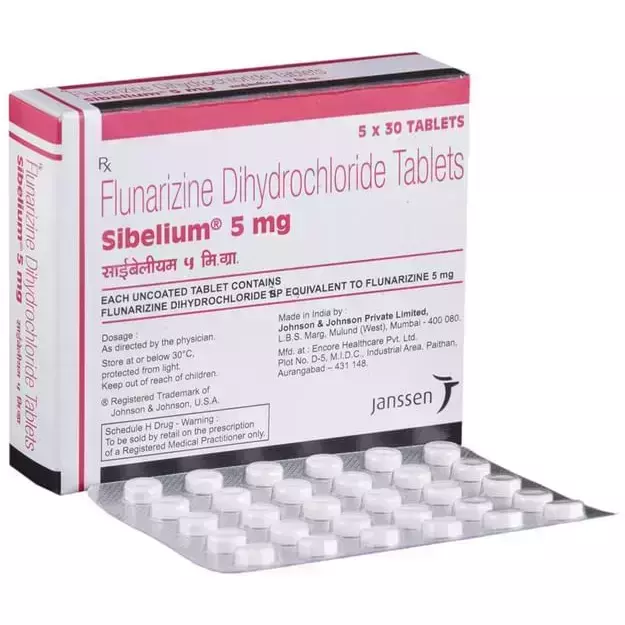
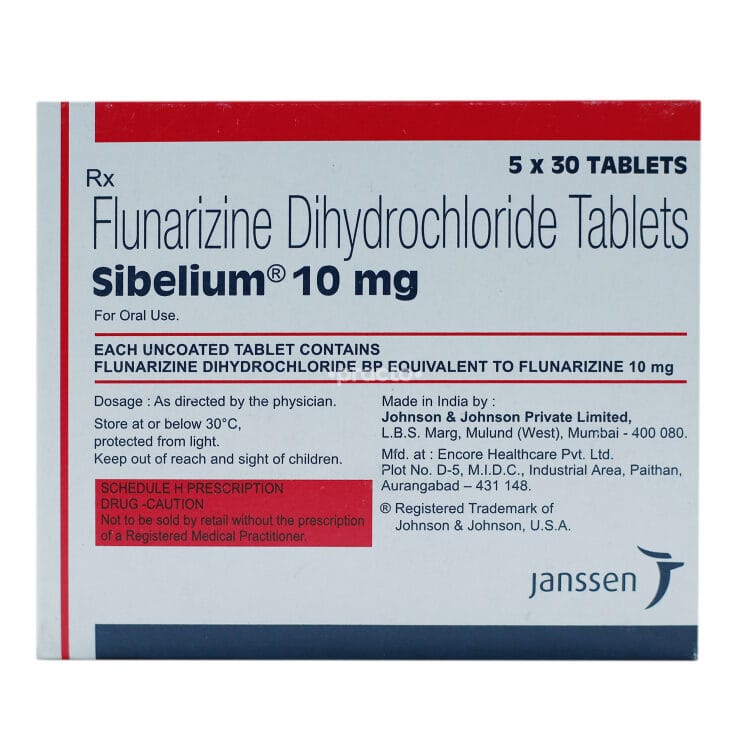
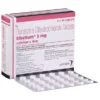

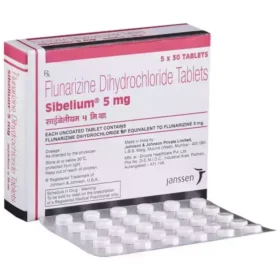
Το Sibelium είναι δισκία φλουναριζίνης 5 mg / 10 mg από τη Janssen — επιλεκτικός αναστολέας καναλιού ασβεστίου με αντιισταμινική και αντι-ντοπαμινεργική δράση. Πρώτη γραμμή πρόληψης ημικρανίας στις ευρωπαϊκές, ασιατικές και λατινοαμερικανικές οδηγίες (δεν έχει εγκριθεί από την FDA στις ΗΠΑ). Τυπική δόση 10 mg πριν τον ύπνο για ενήλικες κάτω των 65 ετών· 5 mg για ηλικιωμένους ή παιδιατρικούς ασθενείς. Ιδιαίτερα αποτελεσματικό για παιδιατρική ημικρανία, ισχυρή ίλιγγο και ημιπληγική ημικρανία. Μέγιστη συνεχής θεραπεία 6 μήνες.
✓ Ιατρικά ελεγμένο από Morgan Ellis — Ερευνητής Φαρμακευτικής · 8 χρόνια εμπειρία · Τελευταία αναθεώρηση: Μάιος 2026
⚡ Γρήγορη Απάντηση — Τι είναι το Sibelium;
Sibelium περιέχει φλουναριζίνη 5 mg / 10 mg δισκία από τη Janssen Pharmaceuticals — ένας επιλεκτικός αναστολέας καναλιού ασβεστίου με αντιισταμινική και αντι-ντοπαμινεργική δράση, χρησιμοποιείται ως πρώτη γραμμή πρόληψης για επεισοδιακή και χρόνια ημικρανία στην Ευρώπη, Ασία και Νότια Αμερική (δεν έχει εγκριθεί από την FDA στις ΗΠΑ). Τυπική δόση: 10 mg κάθε βράδυ για ενήλικες, 5 mg κάθε βράδυ για ασθενείς 65 ετών. Πλήρης αποτέλεσμα σε 6-8 εβδομάδες. Μειώνει τη συχνότητα ημικρανίας κατά 50-70% σε όσους ανταποκρίνονται — ένα από τα πιο αποτελεσματικά προληπτικά σκευάσματα για ημικρανία σε συγκριτικές μελέτες, ισάξιο μόνο με την τοπιραμάτη. Ιδιαίτερα χρήσιμο για: παιδική και εφηβική ημικρανία (≥5 ετών), ισχυρή/ισταμική ίλιγγο, ημιπληγική ημικρανία και σύνδρομο κυκλικού εμέτου. Κύριες παρενέργειες: αύξηση βάρους (σε ~15%), καταστολή και — με μακροχρόνια χρήση — φαρμακογόνο παρκινσονισμό και κατάθλιψη (ντοπαμινεργική αναστολή). Μέγιστη συνιστώμενη συνεχής διάρκεια 6 μήνες, με προγραμματισμένη περίοδο αποχής.
Τι είναι το Sibelium;
Το Sibelium είναι ένα δισκίο για από του στόματος φλουναριζίνη 5 mg / 10 mg από τη Janssen Pharmaceuticals, διαθέσιμο σε συσκευασίες 30-180 δισκίων. Η φλουναριζίνη είναι ένας επιλεκτικός αναστολέας καναλιού ασβεστίου παράγωγο της πιπεραζίνης με πρόσθετη αντιισταμινική (H1) και ασθενή αντιδοπαμινεργική (D2) δράση. Χρησιμοποιείται ευρέως στην Ευρώπη από τη δεκαετία του 1980 ως Sibelium (αρχική μάρκα Janssen) για την πρόληψη της ημικρανίας και των διαταραχών του ιστικού συστήματος. Δεν έχει εγκριθεί από την FDA στις ΗΠΑ — γι' αυτό είναι άγνωστο σε πολλούς γιατρούς που εκπαιδεύτηκαν στις ΗΠΑ, παρά το γεγονός ότι είναι πρώτης γραμμής στις ευρωπαϊκές, ασιατικές και λατινοαμερικανικές κατευθυντήριες γραμμές για την ημικρανία.
Πώς η Φλουναριζίνη Παρεμποδίζει την Ημικρανία
Η αποτελεσματικότητα της φλουναριζίνης στην ημικρανία πιστεύεται ότι περιλαμβάνει τέσσερις μηχανισμούς:
- Επιλεκτική αναστολή καναλιού ασβεστίου — μειώνει την υπερφόρτωση του ενδοκυτταρικού ασβεστίου σε ευάλωτους νευρώνες· αναστέλλει την κορτικοστατική κατάθλιψη (το παθοφυσιολογικό υπόστρωμα της αύρας της ημικρανίας)
- Σταθεροποίηση των αγγειακών κινήσεων — μειώνει τόσο τη διαστολή όσο και το σπασμό των κρανιακών αρτηριών
- Αντιισταμινική επίδραση (H1) — εξηγεί την καταστολή και την αντιϊλιγγική δράση
- Αδύναμο D2 ανταγωνισμός ντοπαμινικών υποδοχέων — εξηγεί τόσο την αποτελεσματικότητα στη ημικρανία (όπου εμπλέκεται δυσρύθμιση της ντοπαμίνης) όσο και τις μακροπρόθεσμες παρενέργειες παρκινσονισμού/κατάθλιψης
Εγκεκριμένες και Βασισμένες σε Αποδείξεις Χρήσεις
- Προφύλαξη ημικρανίας σε ενήλικες — μειώνει τις ημερήσιες ημικρανίες κατά 50-70% (πολλές τυχαιοποιημένες μελέτες· μετα-ανάλυση NNT ~3)
- Παιδιατρική προφύλαξη ημικρανίας (παιδιά 5+, εφήβοι) — ιδιαίτερα αποτελεσματική· συχνά η πρώτη γραμμή πρόληψης στην παιδιατρική νευρολογία στην Ευρώπη
- Προφύλαξη ημιπληγικής ημικρανίας (οικογενειακή και σποραδική)
- Συνιστάμενη για ημικρανία με συμπτώματα ιλίγγου — χρήσιμο τόσο για τα συμπτώματα ημικρανίας όσο και για την ίλιγγο
- Νόσος του Ménière — μείωση της ιλίγγου
- Σύνδρομο κυκλικού εμέτου σε παιδιά
- Περιφερικός ιστιριακός ίλιγγος (μη ημικρανίας)
Δοσολογία Sibelium
- Ενήλικες (40 kg): 10 mg από το στόμα πριν τον ύπνο
- Ενήλικες >65 ετών ή <40 kg σωματικό βάρος: 5 mg πριν τον ύπνο
- Παιδιά 5+ (εκτός ετικέτας σε ορισμένες χώρες): 5 mg πριν τον ύπνο
- Λήψη το βράδυ — η φλουναριζίνη έχει υπνωτική δράση, γεγονός που βοηθά στην έναρξη του ύπνου και μειώνει την υπνηλία κατά τη διάρκεια της ημέρας
- Λήψη με ή χωρίς τροφή
- Αξιολόγηση οφέλους σε 6-8 εβδομάδες
- Μέγιστη συνεχής θεραπεία: 6 μήνες, μετά προγραμματισμένη διακοπή 1-3 μηνών. Επανεκκίνηση εάν επανεμφανιστούν οι ημικρανίες.
Γιατί το όριο των 6 μηνών; Η ασθενής ανταγωνιστική δράση της φλουναριζίνης στους υποδοχείς ντοπαμίνης είναι αθροιστική. Με συνεχή χρήση >6 μηνών, αυξάνεται ο κίνδυνος παρενεργειών εξωπυραμιδικού συστήματος (τρόμος παρκινσονισμού, βραδυκινησία, ακαθισία), ειδικά σε ηλικιωμένους ασθενείς. Προγραμματισμένες διακοπές 1-3 μηνών επιτρέπουν την ανάκαμψη των ντοπαμινεργών υποδοχέων.
Παρενέργειες
Πολύ συχνά (>10%):
- Αύξηση βάρους (~15% των χρηστών· έως 5-10 kg σε 6 μήνες· μηχανισμός: αύξηση της όρεξης μέσω H1 αποκλεισμός)
- Νύστα, καταστολή (λήψη το βράδυ· μερικώς προσαρμόζεται σε 2-4 εβδομάδες)
- Αύξηση της όρεξης
Συχνά (1-10%):
- Ήπια κατάθλιψη, χαμηλή διάθεση (ντοπαμινεργής επίδραση· πιο συχνή σε ασθενείς με ιστορικό κατάθλιψης)
- Αδυναμία, ασθένεια
- Γαστρικές διαταραχές, ξηροστομία
- Γαλακτόρροια, υπερπρολακτιναιμία (ντοπαμινεργής επίδραση)
- Εμμηνορρυσικές διαταραχές σε γυναίκες
Σημαντικές μακροπρόθεσμες (μήνες έως χρόνια συνεχούς χρήσης):
- Παρκινσονισμός που προκαλείται από φάρμακα — τρόμος, δυσκαμψία, βραδυκινησία. Συνήθως αναστρέψιμα σε μήνες μετά τη διακοπή. Ο κίνδυνος αυξάνεται απότομα με συνεχή χρήση >6 μηνών, ειδικά σε ηλικιωμένους ασθενείς. Αυτός είναι ο λόγος ύπαρξης του ορίου των 6 μηνών.
- Φαρμακογενής κατάθλιψη — μπορεί να είναι σοβαρή· μηχανισμός ντοπαμινεργής. Πιο συχνή σε ασθενείς με προηγούμενο ιστορικό κατάθλιψης.
- Βραδεία δυσκινησία — σπάνια· ακούσιες κινήσεις προσώπου, γλώσσας ή άκρων· μπορεί να είναι μη αναστρέψιμες ακόμα και μετά τη διακοπή. Ασυνήθιστη σε διάρκεια 6 μηνών.
Αντενδείξεις
- Τρέχουσα ή ιστορικό κατάθλιψης
- Νόσος Parkinson ή άλλη εξωπυραμιδική διαταραχή
- Υπερευαισθησία στη φλουναριζίνη ή πιπεραζίνες
- Εγκυμοσύνη και θηλασμός (ανεπαρκή δεδομένα ασφάλειας· δεν συνιστώνται ντοπαμινεργικά φάρμακα)
- Σοβαρή ηπατική δυσλειτουργία
Αλληλεπιδράσεις Φαρμάκων
- Αλκοόλ, βενζοδιαζεπίνες, οπιοειδή, υπνωτικά αντιισταμινικά — πρόσθετη καταστολή ΚΝΣ
- Αντιψυχωσικά — πρόσθετη ντοπαμινεργική αναστολή· αποφύγετε τον συνδυασμό (κίνδυνος εξωπυραμιδικών επιπτώσεων)
- Μετοκλοπραμίδη, προχλωρπεραζίνη — ντοπαμινεργικό· αποφύγετε τη μακροχρόνια ταυτόχρονη χρήση
- Βήτα-αναστολείς — γενικά καλά ανεκτό· μπορεί να συνδυαστεί με προπρανόλολη για ημικρανικούς που χρειάζονται συνδυαστική πρόληψη
Αποθήκευση
Αποθηκεύστε σε θερμοκρασία κάτω από 25°C. Κρατήστε μακριά από παιδιά.
Συχνές Ερωτήσεις
Πόσο χρόνο χρειάζεται μέχρι να αρχίσει να δρα το Sibelium;
6-8 εβδομάδες σε θεραπευτική δόση. Μείωση 50-70% στους μηνιαίους ημέρες ημικρανίας είναι τυπική σε όσους ανταποκρίνονται. Αν δεν υπάρχει ανταπόκριση σε 8 εβδομάδες με 10 mg, αλλάξτε φάρμακο (τοπιραμάτη, προπρανόλολη, amitriptyline).
Γιατί μόνο 6 μήνες συνεχούς χρήσης;
Η flunarizine αποκλείει αδύναμα τους υποδοχείς ντοπαμίνης. Με συνεχή χρήση πέραν των 6 μηνών, αυξάνεται ο κίνδυνος φαρμακογενούς παρκινσονισμού (τρόμος, ακαμψία, βραδυκινησία) και κατάθλιψης. Ένα προγραμματισμένο διάλειμμα 1-3 μηνών κάθε 6 μήνες επιτρέπει την ανάκαμψη της ντοπαμινεργικής λειτουργίας. Εάν οι ημικρανίες παραμείνουν ελεγχόμενες μετά το διάλειμμα, ίσως να μην χρειαστεί να ξεκινήσετε ξανά· εάν επανεμφανιστούν, ξεκινήστε μια νέα 6μηνη θεραπεία.
Θα με κάνει η Sibelium να πάρω βάρος;
Ναι, για περίπου το 15% των χρηστών — έως 5-10 kg σε 6 μήνες. Μηχανισμός: αύξηση της όρεξης λόγω αντιισταμινικής δράσης. Εάν η αύξηση βάρους είναι ανησυχητική, τοπιραμάτη (προκαλεί απώλεια βάρους) ή προπρανόλολη (ουδέτερη ως προς το βάρος) είναι εναλλακτικές επιλογές.
Μπορώ να πάρω Sibelium κατά τη διάρκεια της εγκυμοσύνης;
Όχι — ανεπαρκείς δεδομένα ασφαλείας και τα ντοπαμινεργικά φάρμακα γενικά αποφεύγονται στην εγκυμοσύνη. Για έγκυες που πάσχουν από ημικρανίες, προπρανόλολη είναι η προτιμώμενη προφυλακτική· η amitriptyline είναι μια δεύτερη επιλογή.
Είναι η Sibelium ασφαλής για παιδιά;
Ναι — η flunarizine είναι ένα από τα προτιμώμενα φάρμακα για την πρόληψη ημικρανιών στην παιδιατρική νευρολογία της Ευρώπης (ηλικία 5+), συνήθως 5 mg πριν τον ύπνο. Κλινικές δοκιμές σε παιδιά έχουν δείξει παρόμοια αποτελεσματικότητα με τα δεδομένα για ενήλικες. Ισχύει το ίδιο όριο 6μηνης θεραπείας.
Μπορεί η Sibelium να θεραπεύσει την ίλιγγο;
Ναι — η flunarizine έχει άδεια για ενδοκοιλιακή ίλιγγο (Ménière, περιφερική ίλιγγος, ιλιγγώδης ημικρανία). Η αντιισταμινική και η αναστολή αγωγιμότητας ασβεστίου μειώνουν την διεγερσιμότητα του περιφερικού ιστικού. Η δόση είναι ίδια με αυτή για την ημικρανία.
Γιατί η Sibelium δεν είναι διαθέσιμη στις ΗΠΑ;
Η Janssen δεν απέκτησε ποτέ έγκριση από τον FDA. Είναι ευρέως διαθέσιμη στην Ευρώπη, την Ασία, τη Λατινική Αμερική και τον Καναδά ως πρώτης γραμμής πρόληψη για ημικρανίες. Οι ασθενείς στις ΗΠΑ μερικές φορές την προμηθεύονται μέσω διεθνών φαρμακείων.
Πού μπορώ να αγοράσω Sibelium online;
Μπορείτε να αγοράσετε Sibelium (flunarizine 5 mg / 10 mg, συσκευασίες 30-180 δισκίων) από το MedsBase με διακριτική συσκευασία και παγκόσμια αποστολή.
Σχετικές Θεραπείες Ημικρανίας στο MedsBase
- Zolmist Nasal Spray — Ζολμιτριπτάνη 5 mg (γρήγορη έναρξη δράσης)
- Zolitas ODS — Ζολμιτριπτάνη 2.5/5 mg δισκία για στοματική διάλυση
- Maxtan — Ριζατριπτάνη 5/10 mg
- Rizatop — Ριζατριπτάνη 10 mg
- Rizact — Ριζατριπτάνη (Cipla)
- Sumitop — Σουματριπτάνη 25/50/100 mg
- Περιήγηση σε όλες τις Αντι-Ημικρανικές Θεραπείες
Γιατί να παραγγείλετε από τη MedsBase
📦 Κάθε παραγγελία καλύπτεται από την Πολιτική Εγγύησης Επαναποστολής — εάν το δέμα σας δεν φτάσει εντός 20 εργάσιμων ημερών, το επαναποστέλλουμε.
Σχετικές Εναλλακτικές
Άλλα προϊόντα σε Χρόνιες Παθήσεις που οι πελάτες εξετάζουν επίσης:
Περισσότερες επιλογές στη Θεραπεία της Ημικρανίας
Ταξινομημένα σύμφωνα με τον όγκο παραγγελιών στο MedsBase — τι επιλέγουν άλλοι πελάτες σε αυτήν την κατηγορία.
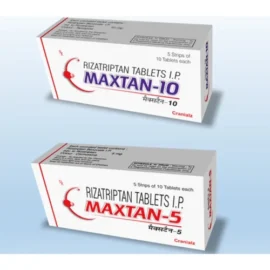
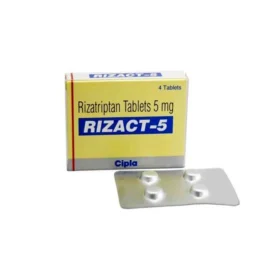
| Ισχύς | 5 mg, 10 mg |
|---|---|
| Ποσότητα | 30 δισκία, 60 δισκία, 90 δισκία, 180 δισκία |
 Sibelium
Ερωτήσεις & Απαντήσεις
Sibelium
Σχετικά προϊόντα





Κριτικές
Δεν υπάρχουν ακόμη κριτικές