








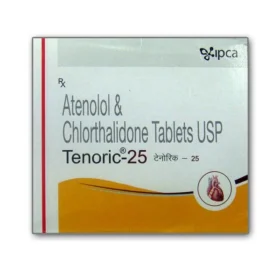
Tenoric
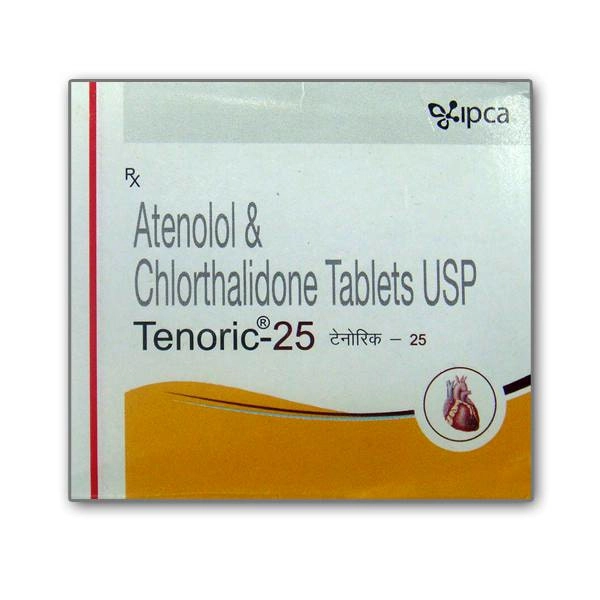
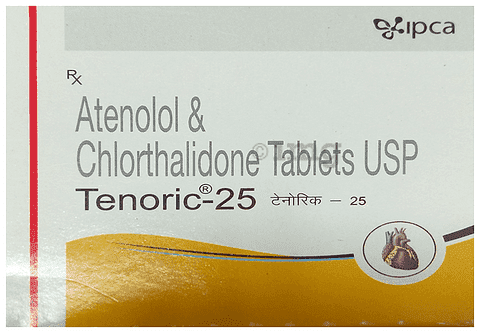
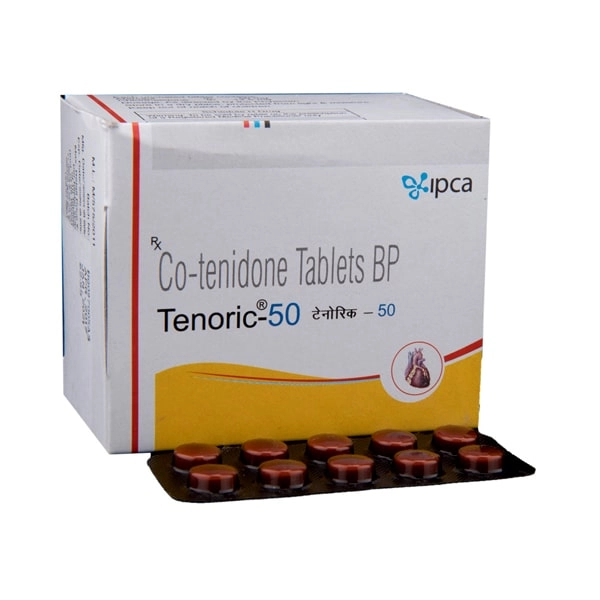
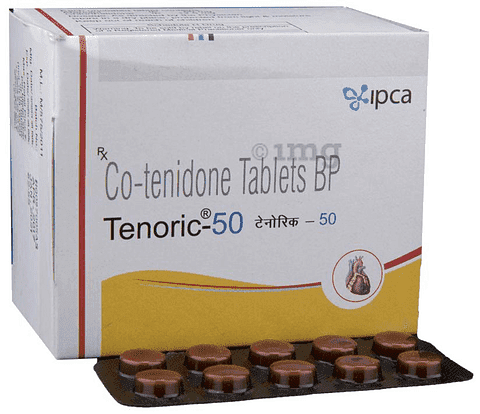
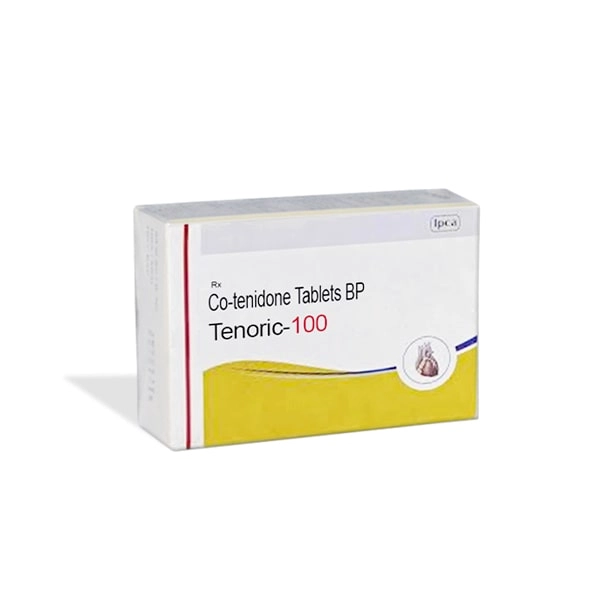
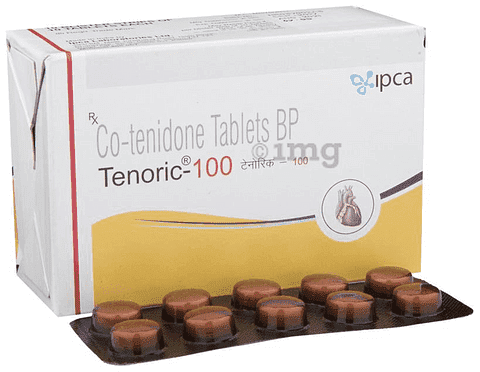
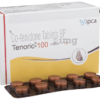
Το Tenoric είναι το σταθερό συνδυασμό της Ipca Laboratories που περιέχει atenolol (25/50/100 mg) + chlorthalidone 25 mg δισκία — συνδυασμός β-αναστολέα + διουρητικού τύπου θειαζίδης. Ιστορικός συνδυασμός πρώτης γραμμής για την υπέρταση (Tenoretic παγκοσμίως, 1970s). Οι σύγχρονες οδηγίες ωθούν τα σχήματα που βασίζονται σε β-αναστολείς στη δεύτερη γραμμή για μη περίπλοκη υπέρταση (δεδομένα LIFE/ASCOT) — διατηρεί ρόλο για υπέρταση με στηθάγχη, έλεγχο παλμών σε κολπική μαρμαρυγή, μετά από έμφραγμα. Παρακολουθήστε το κάλιο και τη γλυκόζη. Ποτέ μην διακόπτετε απότομα.
✓ Ιατρικά ελεγμένο από Morgan Ellis — Ερευνητής Φαρμακευτικής · 8 χρόνια εμπειρία · Τελευταία αναθεώρηση: Μάιος 2026
⚡ Γρήγορη Απάντηση — Τι είναι το Tenoric;
Tenoric είναι 25/25 mg, 50/25 mg, 100/25 mg σταθερό συνδυασμό δισκίο που συνδυάζει ατενολόλη (καρδιοεκλεκτικός β-1 αναστολέας) και chlorthalidone (μακράς δράσης διουρητικό τύπου θειαζίδης) από την Ipca Laboratories. Ιστορικός συνδυασμός για την υπέρταση — αποτελεσματικός για την πίεση αλλά σε μεγάλο βαθμό αντικαταστάθηκε από σχήματα που βασίζονται σε ACEi/ARB μετά τα δεδομένα LIFE και ASCOT που έδειξαν ότι η θεραπεία με βάση το atenolol ήταν κατώτερη από αυτή με βάση το losartan και το amlodipine για την πρόληψη εγκεφαλικού επεισοδίου και νεοεμφανιζόμενου διαβήτη. Διατηρεί ρόλο σε ασθενείς που είναι ήδη σταθεροί και στους δύο συστατικούς, ή όπου οι ανάγκες για στηθάγχη ή έλεγχο παλμών κάνουν τον β-αναστολέα λογική επιλογή. Τυπική δοσολογία: ένα δισκίο μια φορά την ημέρα. Αντενδείξεις: δεύτερο/τρίτο βαθμό AV μπλοκ, σοβαρό άσθμα, ανουρία, συμπτωματική βραδυκαρδία, σοβαρή υποκαλιαιμία, συγχορή θεραπεία με λίθιο (προσοχή). Παρακολουθήστε την πίεση, τον καρδιακό ρυθμό, το κάλιο, τη γλυκόζη.
📦 Κάθε παραγγελία καλύπτεται από την Πολιτική Εγγύησης Επαναποστολής — εάν το δέμα σας δεν φτάσει εντός 20 εργάσιμων ημερών, το επαναποστέλλουμε.
Γιατί να παραγγείλετε από τη MedsBase
Τα γενόσημα φάρμακά μας προέρχονται από κατασκευαστές που πιστοποιούνται από την WHO-GMP και αποστέλλονται παγκοσμίως σε διακριτική, απλή συσκευασία — χωρίς όνομα φαρμάκου στο εξωτερικό του δέματος. Οι πληρωμές με κάρτα δρομολογούνται μέσω ρυθμισμένου επεξεργαστή (οι περιγραφές εκκαθάρισης περιλαμβάνουν ρυθμισμένο επεξεργαστή πληρωμών με κάρτα — ποτέ “MedsBase” ή οποιοδήποτε όνομα φαρμάκου). Γίνονται δεκτές και πληρωμές με κρυπτονομίσματα και τραπεζική μεταφορά SEPA. Κάθε παραγγελία καλύπτεται από την Πολιτική Επαναποστολής Εξασφαλίσεώς μας.
Τι είναι το Tenoric;
Το Tenoric είναι ένας συνδυασμός σταθερής δόσης σε μορφή δισκίου που περιέχει ατενολόλη (25-100 mg) και chlorthalidone (συνήθως 25 mg) σε ένα μόνο δισκίο, από την Ipca Laboratories. Προμηθεύεται σε συσκευασίες 30-90 δισκίων.
Η ατενόλολη εισήχθη από την ICI το 1976 ως Tenormin — ένας καρδιοεκλεκτικός αναστολέας βήτα-1 αδρενεργικών υποδοχέων. Η χλορταλιδόνη είναι ένα μακράς δράσης θειαζιδικό διουρητικό που εισήχθη το 1960 και επικυρώθηκε ως θεραπεία πρώτης γραμμής για υπέρταση στην μελέτη ALLHAT (2002). Ο σταθερός συνδυασμός (Tenoric, Tenoretic παγκοσμίως) βρίσκεται σε φαρμακοτεχνικές λίστες από τη δεκαετία του 1970.
Γιατί να συνδυαστεί ένας βήτα-αναστολέας με ένα θειαζίδιο;
- Συμπληρωματικοί μηχανισμοί μείωσης πίεσης — η ατενόλολη μειώνει την καρδιακή παροχή και την απελευθέρωση ρενίνης· η χλορταλιδόνη εξαντλεί το νάτριο και προκαλεί ήπια όγκο συστολή. Πρόσθετη πτώση της πίεσης.
- Αντιρρύθμιση — τα θειαζίδια ενεργοποιούν το RAAS ως αντισταθμιστική απόκριση (μειώνοντας την επίδρασή τους)· οι βήτα-αναστολείς καταστέλλουν εν μέρει αυτό μειώνοντας την απελευθέρωση ρενίνης. Ο συνδυασμός αποκλείδει περισσότερο από τη δυναμική μείωσης της πίεσης κάθε παράγοντα.
- Ισορροπία ηλεκτρολυτών — οι βήτα-αναστολείς αυξάνουν ελαφρά το κάλιο· τα θειαζίδια το μειώνουν. Το τελικό αποτέλεσμα είναι συνήθως ήπια υποκαλιαιμία, αλλά λιγότερο σοβαρή από ό,τι με μόνο το θειαζίδιο.
Σύγχρονη τοποθέτηση: Οι μελέτες LIFE (2002), ASCOT (2005) και INVEST (2003) έδωσαν τους βήτα-αναστολείς σε δεύτερη γραμμή για απλή υπέρταση, ειδικά την ατενόλολη με χλορταλιδόνη λόγω νεοεμφανιζόμενου διαβήτη και κατώτερης πρόληψης εγκεφαλικού επεισοδίου σε σύγκριση με σχήματα ARB και CCB. Το Tenoric διατηρεί θέση όπου η βήτα-αναστολή είναι λογική (ταυτόχρονη στηθάγχη, έλεγχος παλμών σε κολπική μαρμαρυγή, μετά από έμφραγμα, ηρεμιστική ταχυκαρδία) και απαιτείται ακόμα διουρητικό.
Δοσολογία
Τυπική δόση: ένα δισκίο 25/25 mg, 50/25 mg, 100/25 mg μια φορά την ημέρα το πρωί (η διούρηση από τη χλορταλιδόνη μπορεί να διαταράξει τον ύπνο αν ληφθεί το βράδυ).
Προσαρμογή δόσης: υπάρχουν συνδυασμοί υψηλότερης δόσης (π.χ. 100/25 mg)· για ανεξέλεγκτη πίεση, συχνά είναι καλύτερο να προστεθεί ένας ACEi/ARB ή CCB παρά να αυξηθεί περαιτέρω η ατενόλολη ή η χλορταλιδόνη.
Παρακολούθηση: βασική πίεση αίματος, καρδιακή συχνότητα, ηλεκτρολύτες (κάλιο, νάτριο), κρεατινίνη, νηστικό γλυκόζη, ουρικό οξύ, ηλεκτροκαρδιογράφημα σε περίπτωση βραδυκαρδίας/ανησυχίας για AV κόμβο. Επανάληψη ηλεκτρολυτών σε 1-2 εβδομάδες, στη συνέχεια σε 4-6 εβδομάδες. Ετήσια μεταβολική εξέταση. Παρακολούθηση για υποκαλιαιμία, νεοεμφανιζόμενη ουρική αρθρίτιδα, επιδείνωση διαβητικού ελέγχου, συμπτωματική βραδυκαρδία.
Παρενέργειες
Συνδυάζει τα χαρακτηριστικά και των δύο συστατικών. Συχνά:
- Κόπωση, μειωμένη άσκηση αντοχής (ατενόλολ)
- Κρύα άκρα (περιφερική αγγειοσύσπαση από ατενόλολ)
- Υποκαλιαιμία, ήπια υπονατριαιμία (χλωρθαλιδόνη)
- Υπερουρικαιμία και έναρξη ουρικής αρθρίτιδας (χλωρθαλιδόνη)
- Μέτρια επιδείνωση της ανοχής στη γλυκόζη (και τα δύο συστατικά)
- Ανικανότητα στύσης
- Βραδυκαρδία, ήπια
- Εξάνθημα φωτοευαισθησίας (θειαζίδιο)
- Μικρές αλλαγές στα λιπίδια
Σπάνια αλλά σοβαρές: σοβαρή υπονατριαιμία, συμπτωματική βραδυκαρδία/AV αποκλεισμός, αποκωδικοποιημένη ΚΑ, σοβαρός βρογχόσπασμος, παγκρεατίτιδα (θειαζίδη), σύνδρομο Stevens-Johnson.
Αντενδείξεις
- Αποκλεισμός δεύτερου ή τρίτου βαθμού AV (χωρίς βηματοδότη)
- Σοβαρή βραδυκαρδία, καρδιογενής σοκ
- Οξεία αποκωδικοποιημένη ΚΑ
- Ανουρία ή σοβαρή νεφρική δυσλειτουργία (eGFR <30 — η θειαζίδη χάνει την αποτελεσματικότητά της)
- Υπερευαισθησία σε σουλφοναμίδη (χλωρθαλιδόνη)
- Σοβαρό άσθμα, σοβαρή ΧΑΠ
- Συμπτωματική υπονατριαιμία ή υποκαλιαιμία στη βασική αξιολόγηση
- Υπερκαλσιναιμία
- Μη θεραπευμένο φαιοχρωμοκύττωμα
- Εγκυμοσύνη (ατενολόλη — περιορισμός εμβρυϊκής ανάπτυξης· θειαζίδη — νεογνικός ίκτερος/θρομβοπενία)
Αλληλεπιδράσεις Φαρμάκων
- Λιθιο — η χλωρθαλιδόνη μειώνει την κάθαρση του λιθίου· προκαλεί τοξικότητα. Παρακολουθήστε εβδομαδιαία· μειώστε το λίθιο 25-50%.
- Βεραπαμίλη ή διλτιαζέμη — πρόσθετη βραδυκαρδία με ατενολόλη· αποφύγετε.
- Μη στεροειδή αντιφλεγμονώδη φάρμακα (NSAIDs) — μειώνει την αντιυπερτασική επίδραση· τριπλή επίδραση ΟΝΕ εάν συνδυαστεί με ACEi/ARB.
- Ντιγκοξίνη — πρόσθετη βραδυκαρδία· η υποκαλιαιμία ενισχύει την τοξικότητα της διγοξίνης.
- Ινσουλίνη, σουλφονυλουρίες — η ατενολόλη κρύβει την υπογλυκαιμία· η θειαζίδη επιδεινώνει την ανοχή στη γλυκόζη. Παρακολουθήστε προσεκτικά τους διαβητικούς.
- Αιφινικά κορτικοστεροειδή, αμφοτερικίνη Β — πρόσθετη υποκαλιαιμία.
- Χοληστυραμίνη / κολεστιπόλη — μειώνει την απορρόφηση της χλορθαλιδόνης. Χωρίστε τη λήψη κατά 4 ώρες.
- Clonidine — πάντα διακόψτε πρώτα το βηματοδέκτη· η αντίστροφη σειρά επιδεινώνει τη διακοπή της κλονιδίνης.
- Αλκοόλ — πρόσθετη ορθοστατική υπόταση.
Αποθήκευση
Φυλάξτε το Tenoric κάτω από 25°C. Κρατήστε το μακριά από παιδιά.
Συχνές Ερωτήσεις
Είναι το Tenoric σήμερα φάρμακο πρώτης γραμμής για την υπέρταση;
Όχι — οι σύγχρονες οδηγίες διατηρούν τα σχήματα που βασίζονται σε βηματοδέκτες ως δεύτερη ή τρίτη γραμμή για μη περίπλοκη υπέρταση, κυρίως λόγω των δεδομένων των μελετών LIFE, ASCOT και INVEST που έδειξαν κατώτερη πρόληψη εγκεφαλικού επεισοδίου και αυξημένη νεοεμφάνιση διαβήτη σε σύγκριση με τα σχήματα ARB και CCB. Το Tenoric διατηρεί ρόλο όπου η βηματοαποκλειστική δράση είναι ειδικά ενδειγμένη (στενωκαρδία, έλεγχος καρδιακής συχνότητας σε κολπική μαρμαρυγή, μετά από έμφραγμα μυοκαρδίου).
Μπορώ να διακόψω το Tenoric απότομα;
Όχι — η ατενόλολη μπορεί να προκαλέσει αντιδραστική υπερσυμπαθητικοτονία (ταχυκαρδία, αύξηση της πίεσης, στενοκαρδία σε ασθενείς με στεφανιαία νόσο) εάν διακοπεί απότομα. Μειώστε σταδιακά τη δόση σε διάστημα 1-2 εβδομάδων.
Θα χρειαστώ κάλιο με το Tenoric;
Μερικές φορές. Η χλορθαλιδόνη μπορεί να μειώσει το κάλιο κάτω από 3,5 mmol/L· η ατενόλολη αυξάνει ελαφρά το κάλιο, μερικώς αντισταθμίζοντας. Ελέγξτε την αρχική τιμή, σε 1-2 εβδομάδες και έπειτα περιοδικά. Η υποκαλιαιμία συνήθως διορθώνεται με την προσθήκη ACEi/ARB (ελαττώνει την απώλεια καλίου από τα θειαζιδικά) παρά με συμπληρώματα καλίου.
Μπορώ να πάρω Tenoric κατά την εγκυμοσύνη;
Όχι — η ατενόλολη συνδέεται με περιορισμό της εμβρυϊκής ανάπτυξης· τα θειαζιδικά στην εγκυμοσύνη μπορεί να προκαλέσουν νεογνική ίκτερο και θρομβοπενία. Αλλάξτε σε μεθυλδόπα, λαβεταλόλη ή νιφεδιπίνη.
Πού μπορώ να αγοράσω Tenoric online;
Μπορείτε να αγοράσετε Tenoric (ατενόλολη + χλορθαλιδόνη 25/25 mg, 50/25 mg, 100/25 mg, 30-90 δισκία) από το MedsBase με διακριτική συσκευασία και παγκόσμια αποστολή.
Σχετικά Καρδιακά & Υπερτασικά Φάρμακα
- Amlode — Αμολοδιπίνη (CCB)
- Cardace — Ramipril (ACE αναστολέας)
- Ecosprin — Ασπιρίνη 75/150 mg
- Lanoxin — Διγοξίνη 0.25 mg (καρδιακό γλυκοζίτη)
- Lotensyl — Κιλνιδιπίνη 10/20 mg (L+N-type CCB)
- Zivast AM — συνδυασμός Atorvastatin + Amlodipine
- Περιήγηση σε όλα τα Φάρμακα για Υψηλή Πίεση Αίματος
Περισσότερες επιλογές σε φάρμακα για υψηλή πίεση αίματος
Ταξινομημένα σύμφωνα με τον όγκο παραγγελιών στο MedsBase — τι επιλέγουν άλλοι πελάτες σε αυτήν την κατηγορία.

| Ισχύς | 25 mg, 50 mg, 100 mg |
|---|---|
| Ποσότητα | 30 Δισκία, 60 Δισκία, 90 Δισκία |
| Φαρμακευτική Μορφή | Δισκία |
| Κατασκευαστής | Ipca Laboratories |
| Θεραπεία | ΚΑΡΔΙΑ & ΠΙΕΣΗ ΑΙΜΑΤΟΣ |
| Γενόσημη μάρκα | Ατενόλολη + Χλωρθαλιδόνη |
 Tenoric
Ερωτήσεις & Απαντήσεις
Tenoric
Σχετικά προϊόντα






Κριτικές
Δεν υπάρχουν ακόμη κριτικές