








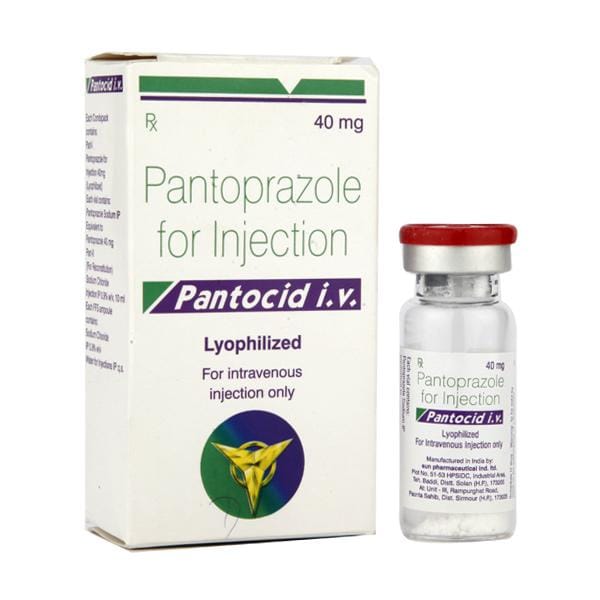
Pantocid Injection
✅ Nopea happosuojaus
✅ Mahahaavan paraneminen
✅ Vähentää refluksia
✅ Estää happovaurioita
✅ Tehokas GERD-hoito
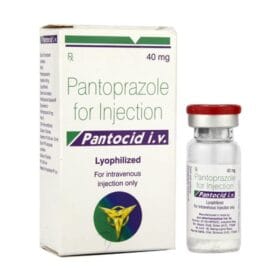
Pantocid-injektio sisältää pantopratsolia.
✓ Lääketieteellinen tarkistus Morgan Ellis — Farmasian tutkija · 8 vuoden kokemus · Viimeisin arvio: toukokuu 2026
⚡ Pikavastaus — Mikä on Pantocid-injektio?
Pantocid Injection on pantopratsolinatriumia 40 mg/pullo laskimonsisäiseen käyttöön, valmistaja Sun Pharma WHO-GMP-sertifioidussa tuotantolaitoksessa. Tämä on pantopratsolin parenteraalinen muoto, jota käytetään sairaalassa, kun potilas ei voi ottaa suun kautta annettavaa protonipumpun estäjää — suun kautta syömättömille, leikkauksen jälkeisille, intuboituille tai aktiivisen yläruokatorven verenvuodon yhteydessä. Vakioannos: 40 mg laskimonsisäisesti kerran päivässä, liuotettuna 0,9 % suolaliuokseen ja annettuna 15 minuutin aikana. Aktiiviseen ei-varikooseen yläruokatorven verenvuotoon korkean riskin endoskooppisella leesiolla (Forrest Ia/Ib/IIa/IIb) protokollana on 80 mg laskimonsisäinen bolus annos, jota seuraa 8 mg/h jatkuva infuusio 72 tunnin ajan. Vaihda suun kautta annettavaan pantopratsoliin (esim. Pantodac 40 mg) heti, kun potilas pystyy nielemään turvallisesti. Jatkuva laskimonsisäinen protonipumpun estäjä yli 3–5 päivää ei tuo farmakologisesti mitään lisäarvoa.
📦 Jokainen tilaus on katettuna meidän Reshipment Assurance Policy -politiikkamme piiriin — jos lähetyksesi ei saavu 20 arkipäivässä, lähetämme uuden.
Miksi tilata MedsBasesta
Geneeriset lääkkeemme on hankittu WHO-GMP sertifioiduilta valmistajilta ja toimitettu maailmanlaajuisesti hienotunteisessa, neutraalissa pakkauksessa — lääkkeen nimeä ei ole pakkauksen ulkopuolella. Korttimaksut käsitellään säädeltyjen maksunvälittäjien kautta (tilisiirtojen kuvaukset sisältävät säädellyn korttimaksun käsittelijän — ei koskaan “MedsBase” tai lääkkeen nimeä). Kryptovaluutat ja SEPA-pankkisiirrot hyväksytään myös. Jokainen tilaus on turvattu meidän Reshipment Assurance Policy -takuuohjelmalla.
Mikä Pantocid Injection on
Pantocid Injection on Sun Pharman tuotemerkki intravenoosista pantopratsoli-natriumista. Jokainen pullo sisältää pantopratsoli-natriumia, joka vastaa 40 mg pantopratsolibasista, ja se on saatavilla steriilinä lyofiloituna jauheena uudelleenliuotusta varten. Se on parenteraalinen muoto samasta molekyylistä, joka on saatavilla suun kautta annettavana nimillä Pantodac, Pan, Pentab, Penlip ja Walapan-40.
Kuinka Pantocid Injection toimii
Pantopratsoli on bentsimidatsolijohdannainen protonipumpun estäjä. IV-annostelun jälkeen lääkeaine keskittyy mahalaukun pariettalisolujen happamiin erityskanavihin. Siellä se protonoituu aktiiviseksi sulfenamidimuodoksi, joka muodostaa kovalenttisen disulfidisidoksen H+/K+-ATPase-pumpun kysteiinijäämien kanssa. Tämä estää happojen erityksen peruuttamattomasti, kunnes uusia pumppuja syntetisoidaan, mikä antaa 24–72 tunnin farmakodynaamisen vaikutuksen jokaisesta annoksesta huolimatta lääkkeen lyhyestä noin 1 tunnin plasmahäviöajasta. Jatkuvaa infuusiota käytetään aktiiviseen ruoansulatuskanavan verenvuotoon, koska se ylläpitää kohonnutta mahalaukun pH-arvoa yli 6:n — kynnysarvon, jonka yläpuolella verihiutaleiden aggregaatio säilyy ja hyytymän vakaus paranee.
Indikaatiot — Kun IV-pantopratsolia käytetään
1. Aktiivinen yläruoansulatuskanavan verenvuoto mahahaavasta (endoskopian jälkeen)
Laajin näyttöaineisto. Korkean riskin vammojen (aktiivinen arteriaalinen verenvuoto Forrest Ia, tihkuvu Ib, ei-vuotava näkyvä verisuoni IIa tai kiinnittynyt hyytymä IIb) endoskopisen verenkiertoon saattamisen jälkeen 72 tunnin IV-PPI-infuusio 80 mg bolus + 8 mg/h vähentää uudelleenverenvuotoa, leikkaustarvetta ja 30 päivän kuolleisuutta. Matalan riskin vammoja (Forrest IIc/III) saaneet potilaat eivät tarvitse IV-hoitoa ja voivat siirtyä suoraan suun kautta annettavaan korkeaan pantopratsoliannokseen.
2. NPO-potilaat (ei suun kautta), jotka tarvitsevat happojen erityksen estoa
Postoperatiivinen ileus, mekaaninen hengitys, vakava haimatulehdus, jatkuva oksentelu tai dysfagia. Kun enteraalinen ravitsemus jatkuu, siirry suun kautta annettavaan pantopratsoliin.
3. Teho-osaston stressihaavojen ehkäisy
Mekaanisesti hengitettäville potilaille yli 48 tuntia, potilaille, joilla on veren hyytymishäiriö, tai potilaille, jotka ovat vasopressoreilla. Huomio: pitkittynyt teho-osaston PPI-käyttö liittyy lisääntyneeseen 5–10 days for skin/soft-tissue and dental infections. Bone and joint infections may need 4–6 weeks (often started intravenously then stepped down to oral). Acne courses are longer-term low-dose, usually 6–12 weeks. Always complete the prescribed course. infektioon ja hengityskoneen aiheuttamaan keuhkokuumeeseen — arvioi indikaatio päivittäin ja lopeta, kun sitä ei enää tarvita.
4. Zollinger-Ellisonin oireyhtymä — siltaus
Potilaille, joilla on happojen liikatuotantotiloja eivätkä voi tilapäisesti ottaa suun kautta annettavaa protonipumpun estäjää.
Annostelu ja käyttö
| Käyttöaihe | Annos | Huomautuksia |
|---|---|---|
| Vakioaikuisannos | 40 mg IV kerran päivässä | Laimenna 10 ml:n 0,9 % natriumkloridiliuoksella; voidaan laimentaa edelleen 100 ml:n 0,9 % NaCl-liuoksessa; infusio 15 minuutin aikana |
| Ylemmän ruoansulatuskanavan verenvuoto (korkean riskin vaurio, endoskopian jälkeen) | 80 mg IV bolus, sitten 8 mg/h jatkuva infuusio | 72 tuntia, sitten siirry suun kautta annettavaan 40 mg kahdesti päivässä 14 päivän ajan |
| Vakava Zollinger-Ellisonin oireyhtymä | 80 mg IV joka 8–12 tunti (erikoistuneen lääkärin ohjauksessa) | 0,9 % NaCl-laimentaminen; erikoistuneen lääkärin valvonta |
| Maksavaurio | Enintään 40 mg/vrk | Seuraa maksan toimintaa (LFT) |
| Munuaisvaurio | Annoksen säätöä ei tarvita | Vakiokohtelu |
Yhteensopivuus: Laimenna vain 0,9 % natriumkloridilla. Älä sekoita muiden IV-lääkkeiden kanssa samassa linjassa. Laimennettu liuos on vakaa 12 tuntia huoneenlämmössä; hävitä käyttämätön osa.
Vaihda suun kautta otettavaan PPI:hen heti, kun potilas voi nielemään turvallisesti. IV-PPI:n jatkaminen yli 3–5 päivää ei tarjoa farmakologista etua suun kautta annosteltuun hoitoon verrattuna ja lisää merkittävästi kustannuksia ja infektioriskiä.
Haittavaikutukset
Yleiset (1–10 %): päänsärkyä, ripulia, pahoinvointia, vatsakipua, ruiskutuspaikan reaktioita (kipua, tromboliittia kanyylin kohdalla).
Epätavallisia mutta tärkeitä: ylialtistus (ihottuma, angioödeema; hyvin harvoin anafylaksia), akuutti interstitiaalinen nefriitti, hepatotoksisuus (harvinainen), vakava hypomagnesemia (pitkäaikaisessa käytössä), 5–10 days for skin/soft-tissue and dental infections. Bone and joint infections may need 4–6 weeks (often started intravenously then stepped down to oral). Acne courses are longer-term low-dose, usually 6–12 weeks. Always complete the prescribed course. infektio (erityisesti sairaalassa olevilla potilailla) ja ventilaattoriin liittyvä keuhkokuume.
Käyttökiellot
- Tunnettu yliherkkyys pantopratsoliolle tai mille tahansa bentsimidatsoli-protonipumpun estäjälle
- Rilpivirinin (HIV) samanaikainen käyttö – ehdoton vasta-aihe
- Vakava maksan vajaatoiminta — vähennä annosta
Säilytys
Säilytä avaamattomia pulloja 15–30 °C:ssa, valolta suojattuna. Laimennuksen jälkeen liuos on vakaa 12 tuntia huoneenlämmössä; jääkaappisäilytys ei ole tarpeen, mutta ei myöskään pidennä vakautta yli 24 tunnin. Hävitä kaikki näkyvästi värjäytyneet tai hiukkasia sisältävät liuokset.
Usein Kysytyt Kysymykset
Milloin IV-pantopratsolia käytetään suun kautta otetun sijaan?
Vain silloin, kun potilas ei voi ottaa suun kautta PPI-lääkettä – ei suun kautta ruokaa, leikkauksen jälkeinen, intuboitu, jatkuva oksentelu, vakava dysfagia – tai akuutin yläruoansulatuskanavan verenvuodon yhteydessä, jossa korkean annoksen jatkuva infuusio parantaa tuloksia endoskopisen hemostaasin jälkeen. Kun enteraalinen ravitsemus jatkuu, suun kautta otettu pantopratsoli tarjoaa vastaavan happosuppression murto-osalla kustannuksista.
Miksi verenvuotoprotokollan annos on niin paljon suurempi (80 mg + 8 mg/h)?
Aktiivinen yläruoansulatuskanavan verenvuoto vaatii jatkuvaa mahalaukun pH:n yli 6:n saavuttamista verihiutaleiden aggregaation stabiloimiseksi ja hyytymän suojaamiseksi peptiselta hajoamiselta. 80 mg:n latausannos plus 8 mg/h jatkuva infuusio on hoitosuositus, jolla on laajin satunnaistettujen kliinisten tutkimusten näyttöaineisto tähän tarkoitukseen. Alhaisemmat tai epäjatkuvat annokset aiheuttavat suuria pH:n vaihteluita ja heikomman uudelleenverenvuodon ehkäisyn.
Kuinka pitkään IV PPI:tä tulisi jatkaa?
Akuutin ruoansulatuskanavan verenvuodon hoidossa jatkuva infuusio 72 tunnin ajan, mukaan oralinen 40 mg kahdesti päivässä 14 päivän ajan, sitten kerran päivässä. NPO-potilailla siirrytään oraaliselle PPI:lle heti, kun ruoansulatuskanava toimii. Pitkitetty IV PPI-käyttö yli 5 päivää ei tarjoaa farmakologista etua ja lisää 5–10 days for skin/soft-tissue and dental infections. Bone and joint infections may need 4–6 weeks (often started intravenously then stepped down to oral). Acne courses are longer-term low-dose, usually 6–12 weeks. Always complete the prescribed course. ja keuhkokuumeen riskiä sairaalassa.
Onko IV pantopratsoli parempi kuin IV omeperatsoli tai esomeperatsoli?
Pelkän happotuotannon estossa ei — kaikki IV PPI-lääkkeet saavuttavat vastaavan mahalaukun pH-tason. Pantopratsoli on kliinisessä käytössä suosittu, koska sillä on puhtaampi lääkevuorovaikutusprofiili (erityisen merkityksellinen teho-osastopotilailla, jotka saavat useita CYP3A4- ja CYP2C19-entsyymien metabolisoimia lääkkeitä) ja koska verenvuodon ehkäisyyn liittyvä näyttöaineisto on laajin pantopratsolin ja esomeperatsolin osalta.
Voiko sitä sekoittaa muihin IV-lääkkeisiin?
Ei. Pantopratsolia tulisi rekonstituoida vain 0,9 % natriumkloridiliuoksella ja annostella erillisen IV-linjan kautta. Älä annosta samassa linjassa muiden lääkkeiden kanssa yhteensopivuusongelmien vuoksi useiden yleisten IV-lääkkeiden kanssa.
Onko IV pantopratsoli turvallinen raskauden aikana?
Pantopratsolilla on kohtuullinen turvallisuusprofiili raskauden aikana. IV pantopratsolia käytettäisiin raskauden aikana vain, kun oraalihoito on mahdotonta — esim. hyperemesis gravidarum, joka on niin vakava, että vaatii parenteraalista ravitsemusta, tai akuutti mahahaavan verenvuoto. Keskustele synnytyslääketieteen ja ruoansulatuskanavan erikoislääkärien kanssa.
Mitkä ovat IV pantopratsolin haittavaikutukset?
Useimmat ovat samanlaisia kuin oraalisilla PPI-lääkkeillä: päänsärkyä, ripulia, pahoinvointia. IV-käyttöön liittyviä erityisiä haittavaikutuksia: ruiskutuspaikan kipua tai trombofliittiä kanyylin kohdalla. Tärkeitä sairaalassa seurattavia komplikaatioita: 5–10 days for skin/soft-tissue and dental infections. Bone and joint infections may need 4–6 weeks (often started intravenously then stepped down to oral). Acne courses are longer-term low-dose, usually 6–12 weeks. Always complete the prescribed course. infektio, hengityskoneeseen liittyvä keuhkokuume, hypomagnesemia (pitkät teho-osastojaksot) ja harvinainen akuutti interstitiaalinen nefriitti (kreatiniinin nousu).
Vaikuttaako IV-pantopratsoli klopidogreeliin?
Pantopratsolilla on pienin klopidogreelivuorovaikutus kaikista protonipumpun estäjistä, koska se ei estä CYP2C19-entsyymiä kliinisesti merkittävästi. Tämä on yksi syy, miksi se on kardiologian ja sydänkirurgian osastojen vakio-IV-protonipumpun estäjä.
Voidaanko sitä antaa ääreiskannulan kautta?
Kyllä – vakio 40 mg annos, joka on liuotettu ja laimennettu 100 ml 0,9 % suolaliuokseen, voidaan antaa ääreiskannulan kautta. 8 mg/h jatkuva infuusio ruoansulatuskanavan verenvuodon hoidossa annetaan useimmiten erillisen kannulan kautta hoitoajan pituuden vuoksi. Tarkkaile tromboflebiittiä kannulapaikassa.
Miten se säilytetään liuotuksen jälkeen?
Liuotettu ja laimennettu liuos on stabiili 12 tuntia huoneenlämmössä 0,9 % suolaliuoksessa. Jääkaapissa säilyvyysaika pitenee 24 tuntiin. Hävitä kaikki värjäytyneet, sameat tai hiukkasia sisältävät liuokset.
Aiheeseen liittyvät vaihtoehdot
Muut tuotteet Yleinen terveys joita asiakkaat myös katsovat:
Lisää vaihtoehtoja närästyksen hoidossa
Luokiteltu MedsBase-tilausmäärän mukaan — mitä muut asiakkaat tässä kategoriassa valitsevat.

| Vahvuus | 40 mg |
|---|---|
| Määrä | 1 pullo, 2 pulloa, 3 pulloa, 6 pulloa |
 Pantocid Injection
Kysymykset ja vastaukset
Pantocid Injection
Liittyvät tuotteet


Arvostelut
Ei vielä arvosteluja