







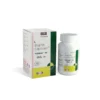
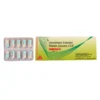
Inmecin

✅ Lievittää tulehdusta
✅ Lievittää kipua
✅ Vähentää turvotusta
✅ Hoitaa niveltulehdusta
✅ Hallitsee kihtia
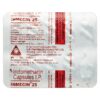
Inmecin sisältää indometasiinia.
✓ Lääketieteellinen tarkistus Morgan Ellis — Farmasian tutkija · 8 vuoden kokemus · Viimeisin arvio: toukokuu 2026
⚡ Pika vastaus — Mikä on Inmecin?
Inmecin on indometasiinikapseli saatavilla 25 mg ja 50 mg vahvuudet. Indometasiini on yksi voimakkaimmista ei-valikoivista NSAID-lääkkeistä ja on ensilinjan hoito akuuttiin kihdin, perikardiittiin, ankyloivaan spondyliittiin ja Bartterin oireyhtymään. Tavallinen aikuisannos on 25–50 mg kahdesti kolmeen kertaan päivässä ruoan kanssa. Indometasiinilla on voimakkaampi keskushermoston haittavaikutusprofiili (päänsärky, huimaus) kuin ibuprofeenilla tai diklofenaakilla, ja sitä tulisi käyttää mahdollisimman alhaisessa tehollisessa annoksessa mahdollisimman lyhyen ajan.
📦 Jokainen tilaus on katettuna meidän Reshipment Assurance Policy -politiikkamme piiriin — jos lähetyksesi ei saavu 20 arkipäivässä, lähetämme uuden.
Miksi tilata MedsBasesta
Geneeriset lääkkeemme on hankittu WHO-GMP sertifioiduilta valmistajilta ja toimitettu maailmanlaajuisesti hienotunteisessa, neutraalissa pakkauksessa — lääkkeen nimeä ei ole pakkauksen ulkopuolella. Korttimaksut käsitellään säädeltyjen maksunvälittäjien kautta (tilisiirtojen kuvaukset sisältävät säädellyn korttimaksun käsittelijän — ei koskaan “MedsBase” tai lääkkeen nimeä). Kryptovaluutat ja SEPA-pankkisiirrot hyväksytään myös. Jokainen tilaus on turvattu meidän Reshipment Assurance Policy -takuuohjelmalla.
Inmecin on välitönvaikutteinen suun kautta nautittava kapseli, joka sisältää indometasiinista, voimakkaan ei-valikoivan NSAID-lääkkeen, joka kehitettiin vuonna 1963. Indometasiini on WHO:n välttämättömien lääkkeiden listalla ja säilyy kultastandardina suun kautta nautittavana NSAID-lääkkeenä useissa erityisindikaatioissa, joissa sen epätavallisen voimakas tulehdusta vähentävä vaikutus ylittää sen suhteellisen suuremman haittavaikutusten taakan verrattuna uusiin NSAID-lääkkeisiin.
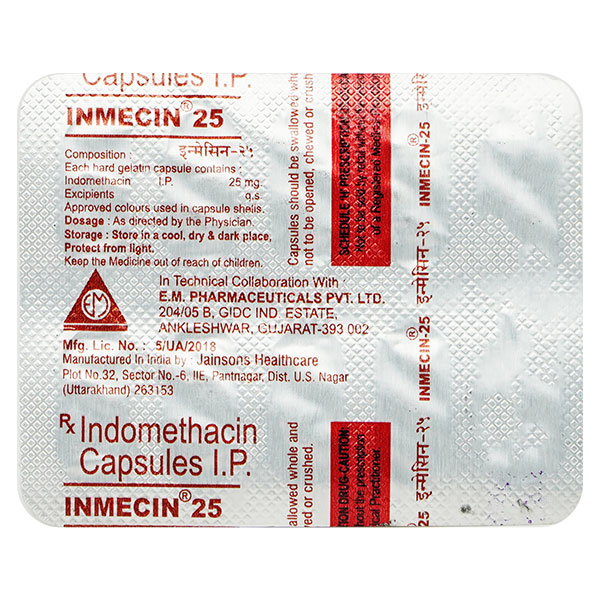
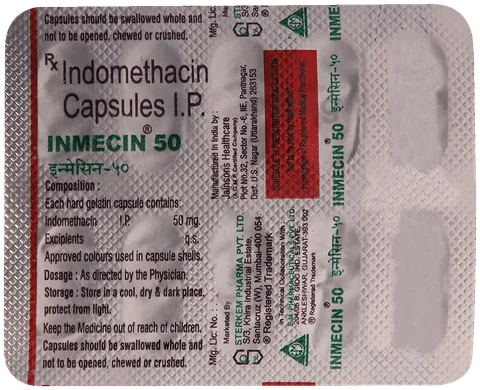
Kapselivahvuuksia on saatavilla kaksi:
- Inmecin 25 mg — aloitus- ja ylläpitoannos, erityisesti vanhemmilla potilailla
- Inmecin 50 mg — vakavampien tulehduskipujen hoitoon; akuutti kihdin ja perikardiitti vaativat usein tätä vahvuutta
Mihin Inmecinia käytetään?
- Äkillinen kihdi — suun kautta otettavien kipulääkkeiden kultainen standardi kihdinkohtauksen hoidossa; korkeampi 50 mg annos 3 kertaa päivässä 2–3 päivän ajan, minkä jälkeen annosta vähennetään
- Reumaattinen niveltulehdus ja osteoartriitti — kun muut tulehduskipulääkkeet eivät riitä
- Ankyloiva spondyliitti — monien hoitosuosituksissa ensisijainen tulehduskipulääke
- Perikardiitti — ensisijainen suun kautta otettava tulehduskipulääke, yleensä yhdistettynä kolkisiiniin
- Reaktiivinen niveltulehdus, psoriaattinen artriitti — tulehdukselliset selkärangan niveltulehdukset
- Pseudokihdin (kalsiumpyrofosfaatti-sairaus) — akuutti kohtaus
- Lapsen valtimotiehyt (PDA) sulkeutuminen vastasyntyneillä — vain sairaalassa
- Bartterin oireyhtymä ja Gitelmanin oireyhtymä — munuaisten prostaglandiinien liikatuotannon vähentämiseksi
- Ensisijainen dysmenorrea — toissijainen hoito
Miten Indometatsiini toimii?
Indometatsiini on ei-valikoiva NSAID — se estää sekä COX-1 (joka ylläpitää mahalaukkua, verihiutaletoimintaa ja munuaisten verenkiertoa) ja COX-2 (joka aktivoituu tulehduspaikoilla). Tämä laaja vaikutus selittää sekä sen voimakkaan tulehdustahtoinen vaikutuksen että sen tunnetun ruoansulatuskanavan ja munuaisten haittavaikutusprofiilin.
Terapeuttinen tapahtumaketju on sama kaikille NSAID-lääkkeille:
- Kudosvaurio tai tulehdus vapauttaa fosfolipidejä solukalvoista
- Fosfolipaasi A₂ muuntaa ne arakidonihapoksi
- Syklooksigenaasi (COX-1/COX-2) muuntaa arakidonihapon prostaglandiineiksi — molekyyleiksi, jotka aiheuttavat kipua, turvotusta ja kuumeilua
- Indometatsiini estää COX-entsyymejä, jolloin vähemmän prostaglandiinia tuotetaan, mikä vähentää kipua ja tulehdusta
Koska prostaglandiinit myös suojaavat vatsan limakalvoa, säätelevät munuaisten verenkiertoa ja vaikuttavat verihiutaleiden toimintaan, sama mekanismi, joka lievittää kipua, on myös vastuussa NSAID-lääkkeiden päähaitoista: vatsan ärsytyksestä, nesteen kertymisestä, korkeasta verenpaineesta ja (joillakin yksilöillä) munuaisten kuormituksesta.
Inmecin-annostelu
- Reumatoidi artriitti, osteoartriitti, ankyloiva spondyliitti: 25 mg kahdesti tai kolmesti päivässä; voidaan tarvittaessa nostaa 50 mg kolme kertaa päivässä. Enintään 200 mg/vrk (harvoin perusteltua).
- Akuutti kihti: 50 mg kolme kertaa päivässä 2 päivän ajan, sitten 25 mg kolme kertaa päivässä vielä 2–3 päivän ajan, jonka jälkeen lääkitys lopetetaan.
- Perikardiitti: 25–50 mg kolme kertaa päivässä 2 viikon ajan, määrän vähentämisen jälkeen, yhdessä kolkisiinin kanssa.
- Ensisijainen dysmenorrea: 25 mg kolme kertaa päivässä kivun alkamisesta 2–3 päivän ajan.
Ota aina ruoan kanssa tai antasidin kanssa vähentääksesi mahavaivoja. Nielaise kapselit kokonaisina kunnolla veden kanssa. Älä makuuta vähintään 15 minuuttia annoksen ottamisen jälkeen (vähentää ruokatorven ärsytystä).
Koska indometasiinin puoliintumisaika on 4 tuntia, kolminkertainen päivittäinen annostelu on standardi. Yksinkertaisempaa kerran tai kahdesti päivässä annostelua varten on saatavana pitkävaikutteinen muoto, kuten Inmecin-R 75 mg on saatavana.
Ruoansulatuskanavan turvallisuus — lue tämä ennen ensimmäistä annosta. Jokainen NSAID, mukaan lukien Inmecin, sisältää todellisen riskin gastriitille, mahahaavoille ja ylemmän ruoansulatuskanavan verenvuodolle. Riskin on suurin yli 65-vuotiailla potilailla, niillä, joilla on aiempaa mahahaavaa, ja kaikilla, jotka käyttävät myös pieniä annoksia aspiriinia, kortikosteroideja, SSRI-lääkkeitä tai verenohennuslääkkeitä. Ota Inmecin ruoan kanssa, käytä tehokkainta mahdollisimman pientä annosta mahdollisimman lyhyen ajan, ja kysy lääkäriltäsi protonipumpun estäjän (omepratsoli, pantopratsoli) määräämisestä, jos tarvitset lääkettä yli 2–4 viikon ajan.
Kenen ei tulisi ottaa Inmeciniä?
- Tunnetuille yliherkkyysreaktioille indometasiiniin tai mihin tahansa NSAID-lääkkeeseen
- Aktiivinen tai toistuva mahahaava, ruoansulatuskanavan verenvuoto tai perforaatio
- Aspiriinin tai muun NSAID-lääkkeen aiheuttama astma, nokkosihottuma tai nenälimakalvontulehdus (“aspiriinille pahentunut hengitystieoireyhtymä”)
- Vakava sydämen vajaatoiminta (NYHA-luokan IV)
- Vakava maksan vajaatoiminta (Child–Pugh C)
- Vakava munuaisten vajaatoiminta (CrCl < 30 ml/min)
- Raskauden kolmas kolmannes (riskinä ennenaikainen ductus arteriosuksen sulkeutuminen ja oligohydramnios)
- Äskettäinen sepelvaltimoiden ohitusleikkaus (CABG) — ehdottoman vasta-aihe kaikille NSAID-lääkkeille
Indometasiinille ominaiset varotoimet:
- Aiempi kouristus- tai epilepsiahistoria – indometasiini voi alentaa kouristuskynnystä
- Psyykkiset häiriöt – voi aiheuttaa sekavuutta, masennusta, hallusinaatioita (enemmän kuin muut NSAID-lääkkeet)
- Parkinsonin tauti — voi pahentaa oireita
- Vanhukset — suurempi riski keskushermoston haittavaikutuksille; harkitse pienempää annosta tai vaihtoehtoista NSAID-lääkettä
Sydän- ja verisuonitautiriski
Kaikki NSAID-lääkkeet (lukuun ottamatta pieniä annoksia aspiriinia) lisäävät jonkin verran sydäninfarktin ja aivohalvauksen riskiä ja voivat pahentaa sydämen vajaatoimintaa. Riski on annos- ja kesto-riippuvainen ja yleensä suurin COX-2-valikoivilla aineilla ja diklofenaacilla. Potilailla, joilla on vakiintunut iskeeminen sydänsairaus, ääreisvaltimosairaus, aivohalvaus tai hallitsematon kohonnut verenpaine, tulisi käyttää ei-valikoivia NSAID-lääkkeitä (ibuprofeeni tai naprokseni) mahdollisimman pieninä annoksina tai käyttää parasetamolia sen sijaan, jos mahdollista.
Munuaiset (nefrologinen turvallisuus)
NSAID-lääkkeet vähentävät munuaisten prostaglandiinituotantoa, mikä voi aiheuttaa suolan ja veden kertymistä, verenpaineen nousua ja – herkissä potilaissa – akuuttia munuaisten vajaatoimintaa. Korkean riskin ryhmiin kuuluvat iäkkäät potilaat, potilaat, jotka käyttävät ACE-estäjiä/ARB-lääkkeitä ja diureetteja (“kolmoisvaikutus”), kuka tahansa nestehukassa (oksennus, ripuli, kuumeneminen, kova liikunta) ja ne, joilla on jo olemassa oleva krooninen munuaissairaus (CKD). Lopeta NSAID-lääkkeen käyttö ja hakeudu lääkärin tarkastukseen, jos kehität vähentynyttä virtsaneritystä, turvotusta tai selittämätöntä painonnousua.
Inmecinin yleisimmät haittavaikutukset
Indometasiinilla on voimakkaammat haittavaikutukset kuin ibuprofeenilla tai diklofenaakilla, erityisesti keskushermostossa.
Hyvin yleinen (>10%):
- Päänsärky (jopa 25 % käyttäjistä; usein “otsapaine”-tyyppinen)
- Huimaus, pyörryys
- Ruoansulatusvaivat, pahoinvointi
Yleiset (1–10 %):
- Vatsakipu, ripuli tai ummetus
- Väsymys, sekavuus (erityisesti vanhuksilla)
- Tinnitus
- Iho-oireet, kutina
- Nesteytymisongelmat, korkea verenpaine
Harvinainen mutta vakava:
- Mahahaava, ruoansulatuskanavan verenvuoto, perforaatio
- Masennus, psykoottiset oireet, hallusinaatiot (harvinaisia mutta esiintyy)
- Akuutti munuaisten vajaatoiminta
- Hepatotoksisuus
- Veren dyskrasiat (harvinaiset)
Indometasiinipääsky on yleisin syy, minkä vuoksi potilaat keskeyttävät hoidon. Jos se on sietämätön, lääkäri voi vaihtaa naprokseeniin, diklofenaakiin tai COX-2-valikoivaan lääkkeeseen.
Inmecin vs Inmecin-R vs muut kihdin NSAID-lääkkeet
| Tuote | Muoto | Annos | Puoliintumisaika |
|---|---|---|---|
| Inmecin | IR-kapseli 25/50 mg | TID | ~4,5 h |
| Inmecin-R | SR-kapseli 75 mg | OD tai BID | ~4,5 h (pidennetty) |
| Naproxen | Tabletti 500 mg | BID | ~13 h |
| Colchicine | Tabletti 0,5/0,6 mg | Pulssittainen pieni annos | ~30 h |
Tilaus ja toimitus
MedsBase tarjoaa maailmanlaajuisen toimituksen jokaisesta tilauksesta. Tilaukset lähetetään huomaamattomissa pakkauksissa ja saapuvat valmistajan brändätyissä pakkauksissa. Jos haluamasi vahvuus tai pakkauskoko on loppuunmyyty, ota yhteyttä asiakaspalveluun arvioidun toimitusajan saamiseksi.
Lääketieteellinen vastuuvapauslauseke. Tällä sivulla annettu tieto on vain yleissivistävää tarkoitusta varten. Se ei korvaa oman lääkärin tai apteekkarin antamaa neuvontaa. NSAID-lääkkeillä on hyvin dokumentoituja ruoansulatus-, sydän- ja munuaisriskejä – keskustele pätevän terveydenhuollon ammattilaisen kanssa ennen hoidon aloittamista, lopettamista tai muuttamista, erityisesti jos sinulla on mahahaava-, sydän-, munuais- tai astmatautia tai olet raskaana.
Usein Kysytyt Kysymykset
Mihin Inmeciniä käytetään?
Inmecin (indometasiini) on voimakas ei-valikoiva NSAID-lääke, jota käytetään akuuttiin kihdin, ankylosoivaan spondyliittiin, perikardiittiin, reumaattiseen artriittiin, osteoartriitin pahenemiseen ja ensisijaiseen dysmenorrhoaan.
Miksi indometasiini aiheuttaa päänsärkyä?
Indometasiini ylittää veri-aivoesteen useimpia muita NSAID-lääkkeitä helpommin, minkä vuoksi se voi aiheuttaa päänsärkyä, huimausta ja joskus sekavuutta. Jopa joka neljäs käyttäjä kokee tätä. Ruoan kanssa ottaminen ja aloittaminen 25 mg kahdesti päivässä voi vähentää vaikutusta; jos oireet jatkuvat, on järkevää vaihtaa toiseen NSAID-lääkkeeseen.
Miten Inmecin eroaa Inmecin-R:stä?
Molemmat sisältävät indometasiinia. Inmecin on välittömästi vaikuttava 25 tai 50 mg kapseli, joka annostellaan kolme kertaa päivässä. Inmecin-R on 75 mg pitkävaikutteinen kapseli, joka annostellaan kerran tai kahdesti päivässä — kätevämpi kroonisissa tiloissa.
Sopiiko Inmecin kihtiin?
Kyllä — indometasiini on kultainen standardi suun kautta otettavana NSAID-lääkkeenä akuutissa kihdin pahenemisessa. Tyypillinen annostelu: 50 mg kolme kertaa päivässä 2 päivän ajan, sitten 25 mg kolme kertaa päivässä vielä 2–3 päivän ajan, jonka jälkeen lääkitys lopetetaan. Yhdistä kolkisiiniin vakavissa pahenemissa, jos ei ole vasta-aiheita.
Voinko käyttää Inmeciniä pitkäaikaisesti?
Pitkäaikainen käyttö on mahdollista tulehduksellisessa niveltulehduksessa, mutta se ei yleensä ole ensisijainen NSAID-lääke pitkäaikaiseen hoitoon keskushermosto- ja ruoansulatuskanavan haittavaikutusten vuoksi. Tarvittaessa yhdistä protonipumpun estäjään ruoansulatuskanavan suojaksi ja arvioi hoitoa vähintään kolmen kuukauden välein.
Voinko juoda alkoholia Inmecinin kanssa?
Vältä alkoholia — se lisää ruoansulatuskanavan verenvuotoriskiä ja pahentaa väsymystä ja huimausta. Sosiaalinen kevyt juominen on parasta välttää hoidon aikana.
Onko Inmecin turvallinen raskauden aikana?
Ei — erityisesti kolmannella kolmanneksella (riskinä sikiön ductus arteriosuksen ennenaikainen sulkeutuminen). Indometasiinia käytetään joskus erikoislääkärin valvonnassa tokolyysissä (ennenaikaisen synnytyksen pysäyttämiseen) lyhyen ajan, mutta tämä on sairaalan päätös.
Voinko ajaa autoa Inmeciniä käyttäessäni?
Koska huimaus ja väsymys ovat yleisiä, arvioi ensin omaa vointiasi. Älä aja ensimmäisenä hoitopäivänäsi ja vältä ajamista, jos koet mitään keskushermostoon liittyviä oireita.
Vuorovaikutteeko Inmecin muiden lääkkeiden kanssa?
Kyllä — erityisesti litiumin (nostaa litiumitasoja), metotreksaatin (lisää metotreksaatin myrkyllisyyttä), ACE-estäjien/ARB-lääkkeiden ja diureettien yhdistelmän (“kolmoisvaikutus” munuaisten vaurioon), antikoagulanttien (verenvuotoriski) ja SSRI-lääkkeiden (verenvuotoriski) kanssa. Kerro aina täydellinen lääkelistasi lääkärillesi.
Mitä teen, jos unohdan Inmecin-annoksen?
Ota lääke, kun muistat sen, jos seuraava annos ei ole kahden tunnin kuluessa. Älä koskaan ota kahta annosta kerralla.
Onko Inmecin vahvempi kuin ibuprofeeni?
Kyllä. Milligrammasta milligrammaan indometasiini on yksi tehokkaimmista NSAID-lääkkeistä. Se aiheuttaa myös useammin keskushermostoon ja ruoansulatuskanavaan liittyviä haittavaikutuksia, minkä vuoksi sitä käytetään yleensä vain tilanteissa, joissa sen lisätehoa tarvitaan.
Aiheeseen liittyvät vaihtoehdot
Muut tuotteet Krooniset sairaudet joita asiakkaat myös katsovat:
Lisää vaihtoehtoja kipulääkkeissä
Luokiteltu MedsBase-tilausmäärän mukaan — mitä muut asiakkaat tässä kategoriassa valitsevat.
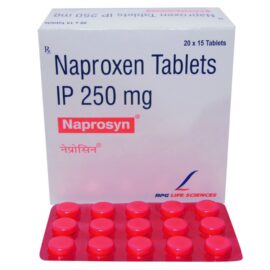
| Vahvuus | 25 mg, 50 mg |
|---|---|
| Määrä | 30 kapselia, 60 kapselia, 90 kapselia, 180 kapselia |
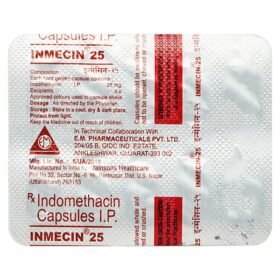 Inmecin
Kysymykset ja vastaukset
Inmecin
Liittyvät tuotteet


Arvostelut
Ei vielä arvosteluja