







Silectone
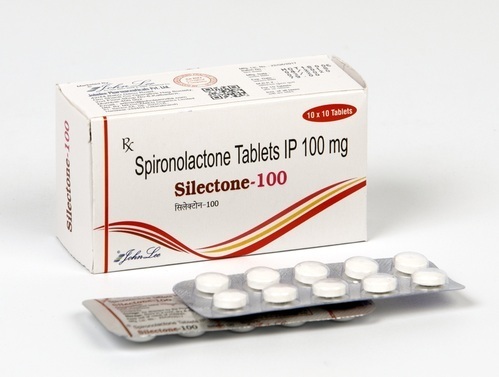
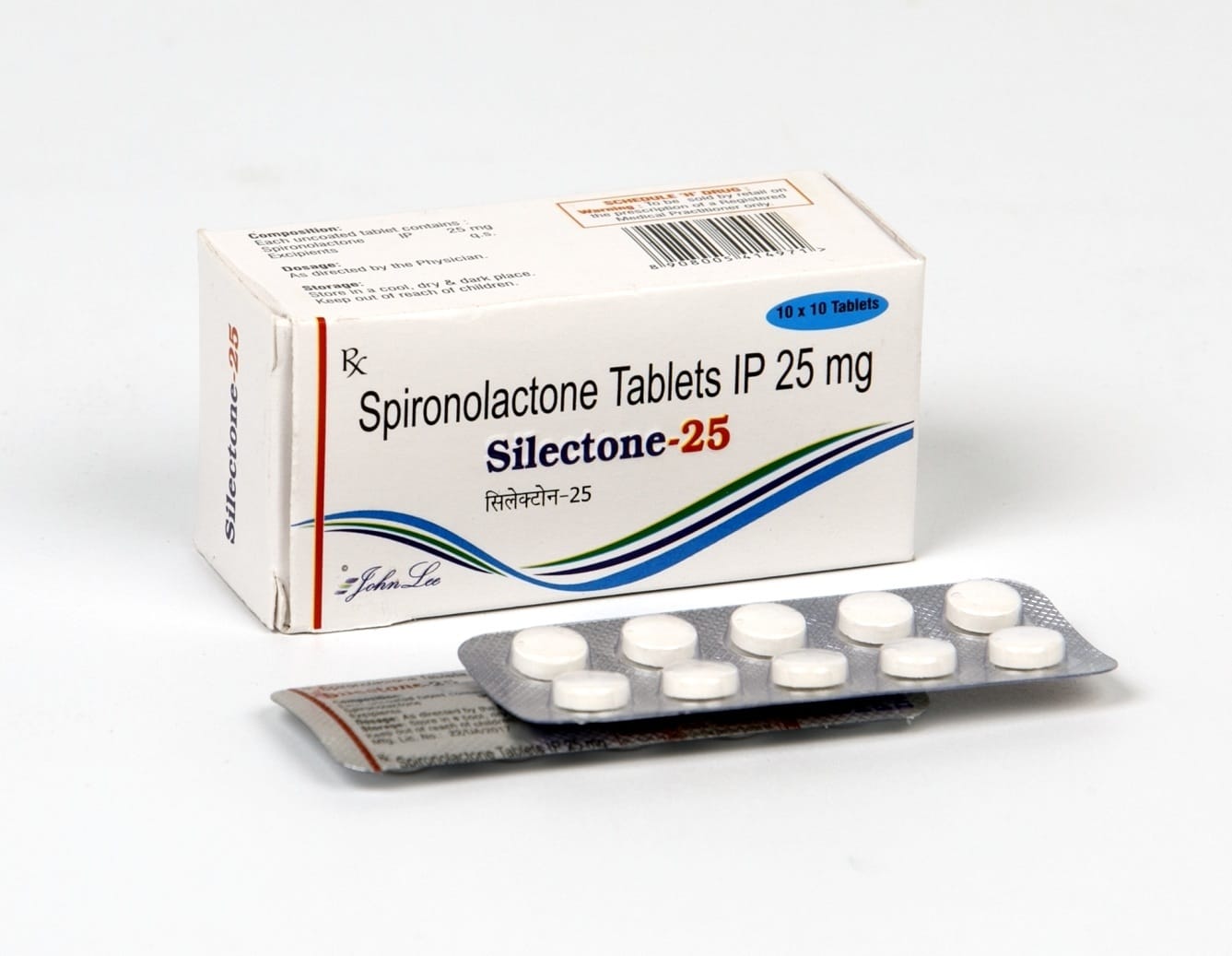
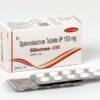
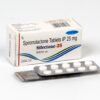
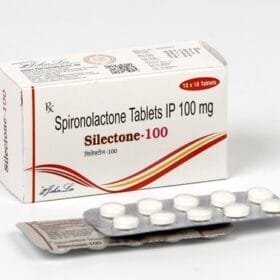
Silectone е таблетката на Sun Pharma, съдържаща спиронолактон 25/50 mg — антагонист на минералокортикоидните рецептори. Стандартните дози при сърдечна недостатъчност (12.5-25 mg, целеви 25-50 mg според RALES), резистентна хипертония (25-50 mg според PATHWAY-2), цирозичен асцит (50-400 mg) и PCOS/хирзутизъм (50-200 mg). Калиеспестяващ диуретик с забавен ефект (24-72 часа чрез активния метаболит каренон). Следете калия внимателно.
✓ Медицински преглед от Morgan Ellis — Фармацевтичен изследовател · 8 години опит · Последен преглед: май 2026 г.
⚡ Бърз отговор — Какво е Silectone?
Silectone е Таблетка със спиронолактон 25 / 50 mg от Sun Pharma — антагонист на минералокортикоидните рецептори (антагонист на алдостерона) който действа върху минералокортикоидния рецептор (MR) в главните клетки на кортикалната събирателна тръба. Спиронолактонът е въведен от G.D. Searle през 1959 г. — създаден като синтетичен стероид за антагонизиране на ефекта на алдостерона върху задържането на натрий и изхвърлянето на калий в дисталните каналчета. Първият антагонист на MR; остава референтният агент въпреки наличието на по-селективния еплеренон. Период на полуразпад 1,4 часа (родителско съединение); 16-24 часа (активни метаболити каненон и 7-α-тиометилспиронолактон); начало на действие 24-48 часа (необходимо време за проява на рецепторния антагонизъм на тъканно ниво); пиков ефект 2-3 дни; продължителност 2-3 дни след преустановяване. Основна индикация: сърдечна недостатъчност с намалена изхвърлятелна фракция (HF-REF), първичен алдостеронизъм, резистентна хипертония, цирротичен асцит, допълнително лечение при хипертрихоза и PCOS. Типично дозиране: Резистентна хипертония (кръвното налягане не се контролира с ACEi/ARB + CCB + тиазид): 25-50 mg веднъж дневно — доказателства от PATHWAY-2. Спиронолактонът е по-ефективен от бисопролола и доксазозина като четвърти агент при резистентна хипертония. Не е първичен антихипертензивен препарат. Първичен алдостеронизъм (Conn’s): 50-400 mg/ден, докато калият и кръвното налягане се нормализират, след което поддържаща доза 25-100 mg. Основни контраиндикации: вижте пълния списък по-долу. Мониторирайте електролити, креатинин и глюкоза. Не комбинирайте с литий (тиазидни/петливи диуретици могат да предизвикат литиева токсичност). Използването по време на бременност е индивидуално (вижте бележката за бременност). За повечето пациенти с хипертония, диуретиците работят най-добре като втори или трети агент — обикновено в комбинация с ARB, ACE инхибитор или калциев канал блокер, вместо да се използват самостоятелно.
📦 Всяка поръчка е покрита от нашата Политика за повторна изпратка — ако вашата пратка не пристигне в рамките на 20 работни дни, ние я изпращаме отново.
Защо да поръчвате от MedsBase
Нашите генерични лекарства се доставят от производители, сертифицирани от WHO-GMP, и се изпращат по целия свят в дискретна, обикновена опаковка — без име на лекарството външно на пратката. Плащанията с карта се обработват чрез регулиран процесор (описанието на извлечението включва регулиран процесор за плащане с карта — никога “MedsBase” или име на лекарство). Приемат се също криптовалути и банков превод SEPA. Всяка поръчка е подкрепена от нашата политика за гарантирано преизпращане.
Какво е Silectone?
Silectone е орална таблетка със спиронолактон 25 / 50 mg от Sun Pharma, достъпна в опаковки от 30-180 таблетки. Спиронолактонът е въведен от G.D. Searle през 1959 г. — създаден като синтетичен стероид за антагонизиране на ефекта на алдостерона върху задържането на натрий и изхвърлянето на калий в дисталните каналчета. Първият антагонист на минералокортикоидните рецептори; остава референтен агент въпреки наличието на по-селективния еплеренон.
Как действа спиронолактонът
Спиронолактонът инхибира минералокортикоидния рецептор (MR) в главните клетки на кортикалната събирателна тръба. Последващите ефекти:
- Блокира алдостерона на минералокортикоидния рецептор в главните клетки на кортикалния събирателен канал
- Намалено реабсорбиране на натрий, намалена секреция на калий — лека натриуреза с задържане на калий (калий-спестяващ ефект)
- Антифибротичен и антиремоделиращ ефект в миокарда — алдостеронът предизвиква сърдечна фиброза независимо от своя сол-задържащ ефект; блокирането на рецептора намалява фиброзата. Това е основният механизъм за намаляване на смъртността при HF-REF (RALES).
- Антиандрогенна активност — кръстосана реактивност с андрогеновите и прогестероновите рецептори причинява гинекомастия и менструална нередовност като класови странични ефекти; същата активност обуславя извънетикетната му употреба при хипертрихоза и PCOS.
- Забавен начален/краен ефект (24-72 часа във всяка посока) — рецепторна фармакология плюс дългодействащи активни метаболити (каренон)
- Ефективен при резистентна хипертония (PATHWAY-2) — действа върху подгрупата от хипертоници със скрито излишество на алдостерон
Одобрени и доказани приложения
- Сърдечна недостатъчност с намалена изтласкваща фракция (HF-REF), първичен алдостеронизъм, резистентна хипертония, цирротичен асцит, допълнително лечение при хипертрихоза и PCOS — основна индикация
- Сърдечна недостатъчност с намалена изхвърлятелна фракция (EF ≤35%) — доказателства от RALES, 25-50 mg дневно
- Първичен алдостеронизъм (синдром на Кон) — окончателна медикаментозна терапия за двустранна адренална хиперплазия; преходна терапия за едностранна аденома преди операция
- Резистентна хипертония — доказателства от PATHWAY-2; четвърти избор след ACEi/ARB + CCB + тиазид
- Циррозен асцит — първи избор диуретик при цироза (при недостатъчен ефект се добавят циклични диуретици)
- Хирзутизъм, акне свързано с PCOS, женско моделна загуба на коса — оф-лейбъл антиандрогенна терапия
- След инфаркт с LV дисфункция — еплеренонът е за предпочитане (специфично за изследването EPHESUS)
Ключови доказателства от клинични изследвания: RALES (1999) — ключово изследване на спиронолактон 25-50 mg при тежка HF-REF; 30% намаление на общата смъртност. Установи антагонизма на алдостерона като стандартна терапия за HF-REF. EPHESUS и EMPHASIS-HF разширен до еплеренон. PATHWAY-2 (2015) — спиронолактонът 25-50 mg се оказа най-ефективният четвърти агент при резистентна хипертония в сравнение с бисопролол или доксазозин. TOPCAT — умерена полза при сърдечна недостатъчност с запазена изхвърлятелна фракция (HF-PEF); сигналът е по-силен в американската група в сравнение с руската (спорно).
Дозировка на Silectone
Сърдечна доза: Резистентна хипертония (кръвното налягане не се контролира с ACEi/ARB + CCB + тиазид): 25-50 mg веднъж дневно — доказателства от PATHWAY-2. Спиронолактонът е по-ефективен от бисопролола и доксазозина като четвърти агент при резистентна хипертония. Не е първичен антихипертензивен препарат. Първичен алдостеронизъм (Conn’s): 50-400 mg/ден, докато калият и кръвното налягане се нормализират, след което поддържаща доза 25-100 mg.
Други показания: Сърдечна недостатъчност с намалена изхвърлятелна фракция (EF ≤35%): 12.5-25 mg веднъж дневно; целева доза 25-50 mg при добра толерантност (изследване RALES). Цирозен асцит: 50-400 mg/ден, обикновено с фуросемид 20-160 mg (съотношение 1:2.5); целево отслабване 0.5 kg/ден. Хирзутизъм / СПКЯ / акне (при жени): 50-200 mg/ден — потиска андрогенно-зависимия растеж на косми и акне за 3-6 месеца (извън показанията, но добре установено).
Прилагане: веднъж дневно (или два пъти дневно за високи дози циклични диуретици при сърдечна недостатъчност), сутрин. Вечерен прием причинява никтурия и трябва да се избягва, когато е възможно. Приемявайте в едно и също време всеки ден. Храненето не влияе значително на абсорбцията за нито един от тези диуретици.
График на мониторинг:
- Базово изследване: урея, електролити (особено калий и натрий), креатинин, eGFR, глюкоза, серумен урат. Домашно или клинично измерване на кръвното налягане и дневно тегло за пациенти със сърдечна недостатъчност.
- 1-2 седмици след начало или промяна на дозата: повторете U&E и креатинин. Очаквайте леки електролитни промени; изследвайте значителни отклонения.
- 4-6 седмици: преглед на кръвното налягане и пълен метаболитен панел.
- Продължаващо: годишен U&E, урат, глюкоза и липиден панел след стабилизиране. По-често при хронична бъбречна недостатъчност, сърдечна недостатъчност или при комбинирана терапия.
- Спрете или намалете дозата при: натрий 5.5, повишение на креатинин >30%, новоприетигот, симптоми на тежка дехидратация.
Прекратяване на терапията: няма синдром на отменяне, но внезапното спиране може да причини обратно задържане на обем при пациенти със сърдечна недостатъчност на хронични високи дози циклични диуретици — постепенно намалявайте дозата, когато е възможно, и наблюдавайте теглото.
- Неселективна активност на стероидни рецептори предизвика гинекомастия (5-10%), масталгия и менструална нередовност чрез ефекти върху андрогенови и прогестеронови рецептори. Еплеренонът е селективен за MR и избягва тези ефекти; сменете, ако се развие гинекомастия.
- Забавен ефект: ефектът се проявява след 2-3 дни и отшумява за 2-3 дни; дозировките трябва да отчитат това забавяне.
- Херкалиемията е доза-ограничаваща токсичност, особено при комбинация с ACEi/ARB (стандартно при сърдечна недостатъчност и хипертония). Мониторирайте калий и креатинин при първоначално изследване, след 1 седмица, 1 месец и на всеки 3-4 месеца.
- Съображения за контрацепция: спиронолактонът е тератогенен (феминизация на мъжкия плод) — жените, приемащи спиронолактон за акне/хирзутизъм, трябва да използват надеждна контрацепция.
Странични ефекти
Често (>1%):
- Хиперкалиемия — доза-ограничаващ; тежък при ХББ или в комбинация с ACEi/ARB
- Гинекомастия и масталгия при мъже (5-10% при 25-50 mg; до 50% при високи дози >150 mg)
- Менструална нередовност при жени
- Еректилна дисфункция и намалено либидо при някои мъже
- Леки стомашни разстройства
- Метаболична ацидоза (намалена дистална секреция на Н+) — обикновено лека
- Синдром на Стивънс-Джонсън — рядка хиперчувствителна реакция
- Повишение на креатинина — умерено повишение (10-20%) се очаква при започване на терапия; изследвайте при >30%
Нечесто срещани, но клинично значими:
- Тежка хипонатриемия — особено при възрастни с нискосолова диета, състояния, предразполагащи към SIADH, или при комбинация със SSRI. Може да се прояви като объркване, падания или припадъци.
- Панкреатит — рядък ефект на тиазидните/луковите диуретици; незабавно спиране при горна коремна болка с повишение на липазата
- Тромбоцитопения, левкопения, агранулоцитоза — редки хиперчувствителни реакции (по-чести при тиазидите отколкото при луковите диуретици)
- Остра миопия и ъглова глаукома — рядка реакция на сулфонамидния клас, възникваща в рамките на часове до дни след започване на лечение; незабавно спиране при внезапна болка в окото или промяна в зрението
- Синдром на Стивънс-Джонсън / токсичен епидермален некролиза — изключително рядък, но описан
- Тежка хиперкалиемия при сърдечни аритмии — най-често при ХББ или при комбинация с ACEi/ARB
Противопоказания
- Хиперкалиемия >5.5 mmol/L в началото — проверете преди започване
- Тежко увреждане на бъбреците (eGFR <30) — неприемлив риск от хиперкалиемия
- Болест на Адисън (първична надбъбречна недостатъчност)
- Бременност — тератогенен (антиандрогенният ефект феминизира мъжките ембриони)
- Едновременни калиеви добавки — не комбинирайте без мониторинг
- Едновременен прием на други диуретици, спестяващи калий (амилорид, триамтерен, еплеренон)
- Анурия
Бременност: абсолютно контраиндикирани — антиандрогенната активност причинява феминизация на мъжките ембриони.
Кърмене: обикновено приемливо при ниски дози; високите дози могат да потискат лактацията (особено тиазидите). За предпочитане са алтернативни антихипертензивни средства (пропранолол, нифедипин), когато е възможно.
Лекарствени взаимодействия
- Литий — КРИТИЧНО ВЗАИМОДЕЙСТВИЕ. Спиронолактонът има умерен ефект върху клиренса на лития в сравнение с тиазидите и диуретиците от цикъл, но мониторирайте нивата, ако комбинацията е неизбежна.
- НПВС — намаляват диуретичния ефект (чрез блокиране на простагландините) и значително увеличават риска от ОПБ при комбинация с ACE инхибитори/ARB (“тройния удар”). За предпочитане е използването на парацетамол при хронична болка.
- ACE инхибитори и ARB — допълнителен риск от хиперкалиемия — мониторирайте калия внимателно, особено при ХББ. Стандартно при HF-REF (ACEi/ARB + спиронолактон) с внимателен мониторинг; опасно при пациенти с базов K >5.0 или eGFR <30.
- Калиеви добавки и калиеспестяващи диуретици — не комбинирайте; добавна хиперкалиемия.
- Дигоксин — хипокалиемията потенцира токсичността на дигоксин (при диуретици от тип петлеви и тиазидни); спиронолактонът директно намалява клиренса на дигоксин. Мониторирайте нивата на дигоксин и калия при започване или промяна на диуретика.
- Перорални кортикостероиди, амфотерицин В, стимулантни слабителни — адитивна хипокалиемия (при петлеви/тиазидни диуретици) или маскирана нужда от калий (при спиронолактон).
- Перорални антидиабетни лекарства, инсулин — тиазидите и (в по-малка степен) петлевите диуретици влошават толерантността към глюкозата; може да се наложи коригиране на дозата.
- Холестирамин / колестипол — намаляват абсорбцията на тиазидни и петлеви диуретици с 40-85%. Разделете приема с 4 часа.
- Силни CYP3A4 инхибитори (кларитромицин, ритонавир, итраконазол) — повишават нивата на кареноновия метаболит; увеличават риска от хиперкалиемия.
- Alcohol — адитивна ортостатна хипотензия.
Мястото на Silectone в класа на диуретиците
| Клас | Представители | Типично приложение |
|---|---|---|
| Тиазидни | HCTZ, хлорталидон | Първи избор при артериална хипертония, калциеви камъни, нефрогенен несахарен диабет |
| Тиазидоподобни | Индапамид, метолазон | Артериална хипертония (при възрастни, доказателства от HYVET), последователна блокада на нефрона |
| Петлеви (краткодействащи) | Фуросемид, буметанид | Остър белодробен оток, хронична сърдечна недостатъчност, асцит, хиперкалциемия |
| Петлеви (дългодействащи) | Торасемид | Хронична сърдечна недостатъчност (CHF), хипертония (само при наличие на доказателства за ефективност на диуретици от цикличния тип), хронична бъбречна недостатъчност (CKD) с отеци |
| Антагонист на алдостерона | Спиронолактон, еплеренон | HF-REF (RALES), резистентна хипертония (PATHWAY-2), Конова синдром, циротичен асцит |
| Други калий-спестяващи | Амилорид, триамтерен (обикновено в комбинации) | Превенция на хипокалиемия при добавяне към петлев/тиазиден диуретик |
| Карбоанхидраза | Ацетазоламид | Планинска болест, глаукома, метаболитна алкалоза |
Съхранение
Съхранявайте Silectone при температура под 25°C в оригиналната блистерна опаковка. Държете извън достъпа на деца.
Често задавани въпроси
Кога трябва да приемам Silectone — сутрин или вечер?
Сутрин в почти всички случаи. Диуретичният ефект причинява увеличено отделяне на урина за 2-8 часа след приема. Вечерният прием причинява нощна уринация и нарушава съня. Пациенти, които приемат диуретици два пъти дневно, обикновено ги приемат при закуска и късно следобед (не преди лягане).
Дали Silectone е препарат от първа линия за кръвно налягане?
Не — спиронолактонът е антихипертензивен препарат от четвърта линия. Той е предпочитаният допълнителен препарат, когато кръвното налягане остава неконтролирано при трикомпонентна комбинация от ACE инхибитор/ARB + калциев канал блокер + тиазид (доказателства от изследването PATHWAY-2). Също така има специфични първични показания при първичен алдостеронизъм, сърдечна недостатъчност с намалена изтласкваща фракция, и цироза с асцит.
Дали Silectone ще повлияе на калия ми?
Да — спиронолактонът повишава калий (той е калий-спестяващ). Хиперкалиемията (>5.5 mmol/L) е основният проблем за безопасността, особено при комбинация с ACE инхибитори или ARB (което е стандартната комбинация при сърдечна недостатъчност). Проверете базовия калий преди започване, след това след 1 седмица, 1 месец и на всеки 3-4 месеца след това. Преустановете Silectone, ако калият се повиши над 5.5 и разследвайте.
Имам гихт — мога ли да приемам Silectone?
Да — спиронолактонът е неутрален до леко понижаващ уратите и не предизвиква гихт. Той е разумен избор на диуретик при пациенти с гихт.
Аз съм диабетик — безопасен ли е Silectone?
Да. Спиронолактонът е метаболично неутрален по отношение на глюкозата и липидите. Той има специфични доказателства при диабетни пациенти със сърдечна недостатъчност (популацията RALES включваше 26% диабетици) и не влошава диабетния контрол.
Мога ли да приемам ибупрофен с Silectone?
Епизодичната краткосрочна употреба обикновено е безопасна. Хроничната ежедневна употреба на НСПВС (ибупрофен, диклофенак, напроксен) намалява диуретичния и антихипертензивния ефект на Silectone (блокиране на простагландините) и значително увеличава риска от остра бъбречна недостатъчност при комбинация с ACE инхибитор или ARB — “тройният удар”. За хронична болка предпочитайте парацетамол.
Ще уринирам ли повече през нощта?
Обикновено не, ако приемате Silectone сутрин. Диуретичният ефект достига максимум 2-8 часа след приема и предимно изчезва към вечерта. Ноктурията е честа жалба при пациенти, които преминават към вечерен прием; върнете се към сутрешен прием и ноктурията се разрешава в рамките на 1-3 дни.
Мога ли да приемам Silectone по време на бременност?
Не — абсолютно контраиндициран. Спиронолактонът има антиандрогенна активност, което води до феминизация на мъжките плодове. Жените в детеродна възраст, приемащи спиронолактон (за всякакви показания, включително акне и хирзутизъм), трябва да използват надеждна контрацепция. За жени, които планират бременност, се препоръчва преминаване към алтернативна терапия преди зачеването.
Какво да направя, ако пропусна доза?
Приемете го веднага щом си спомните, освен ако не е близо времето за следващата ви доза — в този случай пропуснете изпуснатата доза. Не приемайте двойна доза. Единична пропусната доза не влияе значително на дългосрочния контрол на кръвното налягане или течностите.
Къде мога да купя Silectone онлайн?
Можете да закупите Silectone (25 / 50 mg спиронолактон, 30-180 таблетки) от MedsBase с дискретна опаковка и доставка по целия свят.
Свързани антихипертензивни и диуретични средства в MedsBase
- Aquazide — Хидрохлоротиазид (HCTZ) тиазид
- Dytor — Торасемид (петлест, с по-предсказуема биодостъпност)
- Lasix — Фуросемид 40 mg (луп)
- Losar — Лозартан (АРА партньор за диуретик)
- Natrilix SR — Индапамид 1.5 mg SR (тиазидоподобен)
- Ramcor — Рамиприл (ACEi партньор за диуретик)
- Разгледайте всички лекарства за високо кръвно налягане
Свързани алтернативи
Други продукти в Хронични заболявания които клиентите също разглеждат:
Още опции в лекарства за високо кръвно налягане
Класирани според скорошния обем на поръчки в MedsBase — какво избират други клиенти в тази категория.
| Сила | 25 mg, 100 mg |
|---|---|
| Количество | 30 Таблетки, 60 Таблетки, 90 Таблетки, 180 Таблетки |
 Silectone
Въпроси и отговори
Silectone
Свързани продукти




Отзиви
Все още няма отзиви