







Albalon Eye Drop
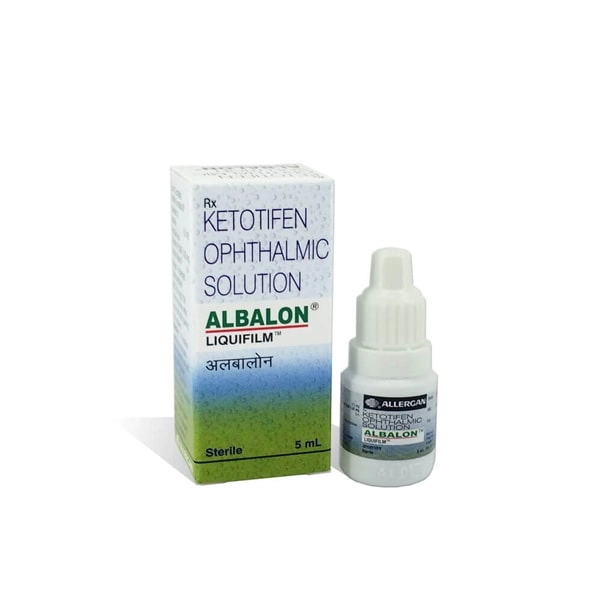
Albalon (ναφαζολίνη 0,012%) — τοπικό αλφα-αδρενοεργικό αποσυμφορητικό για ερυθρότητα οφθαλμού από μικρή ερεθισμό. Μέγιστη διάρκεια χρήσης 5 ημέρες — η παρατεταμένη χρήση κινδυνεύει με ανάκαμψη συμφόρησης.
✓ Ιατρικά ελεγμένο από Morgan Ellis — Ερευνητής Φαρμακευτικής · 8 χρόνια εμπειρία · Τελευταία αναθεώρηση: Μάιος 2026
⚡ Γρήγορη απάντηση — Τι είναι το Albalon Eye Drop;
Το Albalon Eye Drop είναι Ναφαζολίνη 0,012%, ένα τοπικό αποσυμφορητικό για γρήγορη ανακούφιση από ερυθρότητα οφθαλμού λόγω μικρού ερεθισμού. Χρησιμοποιείται μόνο για σύντομες περιόδους — μην ξεπερνάτε τις 3–5 συνεχόμενες ημέρες λόγω κινδύνου ανάκαμψης συμφόρησης.
📦 Κάθε παραγγελία καλύπτεται από την Πολιτική Εγγύησης Επαναποστολής — εάν το δέμα σας δεν φτάσει εντός 20 εργάσιμων ημερών, το επαναποστέλλουμε.
Γιατί να παραγγείλετε από τη MedsBase
Το Albalon Eye Drop προέρχεται από έναν κατασκευαστή πιστοποιημένο από τον WHO-GMP και αποστέλλεται παγκοσμίως σε απλή, διακριτική συσκευασία. Κάθε παραγγελία καλύπτεται από την Πολιτική Εγγύησης Επαναποστολής — εάν δεν έχει φτάσει μετά από 20 εργάσιμες ημέρες, το ξαναστέλνουμε χωρίς επιπλέον κόστος. Υποστηρίζεται από πάνω από 1,400 επαληθευμένες κριτικές πελατών.
Τι είναι το Albalon Eye Drop;
Το Albalon Eye Drop κατασκευάζεται από την Allergan και περιέχει Naphazoline 0.012% ως στείρη οφθαλμική λύση. Η Naphazoline είναι ένας α-αδρενοϋποδοχέας αγωνιστής που συστέλλει τα αιμοφόρα αγγεία του επιπεφυκότος, μειώνοντας γρήγορα την ερυθρότητα από μικρή οφθαλμική ερεθισμό, έκθεση σε σκόνη ή καπνό και υπερβολική χρήση φακών επαφής. ΔΕΝ θεραπεύει την αλλεργία.
Πώς Λειτουργεί
Η Naphazoline ενεργοποιεί τους α-1 και α-2 αδρενοϋποδοχείς στα αιμοφόρα αγγεία του επιπεφυκότος, προκαλώντας αγγειοσύσπαση. Το μάτι λευκαίνει μέσα σε λίγα λεπτά και η επίδραση διαρκεί 2–4 ώρες. Η Naphazoline δεν επηρεάζει την ισταμίνη, τα μαστοκύτταρα ή οποιαδήποτε διαδρομή κεντρική για την αλλεργία.
Ενδείξεις
- Μικρή ερυθρότητα ματιών από περιβαλλοντικό ερεθισμό (σκόνη, καπνός, χλώριο πισίνας)
- Ερυθρότητα σχετιζόμενη με φακούς επαφής (βραχυπρόθεσμα μόνο — ελέγξτε την υγιεινή των φακών)
- Αλλεργική ερυθρότητα ως συμπλήρωμα σε πραγματικό αντιισταμινικό σκεύασμα
Χορήγηση
1–2 σταγόνες στο(α) επηρεαζόμενο(α) μάτι(α) έως και 4 φορές ημερησίως κατά ανάγκη. Μην υπερβείτε τις 3–5 συνεχόμενες ημέρες — δείτε την προειδοποίηση για ανάκαμψη παρακάτω.
Παρενέργειες
Τοπικά: ήπιο τσούξιμο κατά την εγκατάσταση, παροδική θολή όραση, ξηρότητα, μυδρίαση (διαστολή κόρης), αντιδραστικό κοκκίνισμα με παρατεταμένη χρήση.
Συστημικά: σπάνια· θεωρητικός κίνδυνος υπέρτασης, παλμών, στενογωνίου γλαυκώματος εάν απορροφηθεί σε σημαντικές ποσότητες (ειδικά σε μικρά παιδιά).
Ειδοποιήσεις & Αντενδείξεις
- Στενόγωνιο γλαύκωμα — η διαστολή της κόρης μπορεί να προκαλέσει επίθεση κλειστής γωνίας
- Σοβαρή καρδιαγγειακή νόσος, ανεξέλεγκτη υπέρταση
- Υπερθυρεοειδισμός
- Παιδιά < 6 ετών — αποφύγετε (η συστηματική απορρόφηση μπορεί να προκαλέσει καταστολή ΚΝΣ)
- Ταυτόχρονη χρήση αναστολέων ΜΑΟ
- Εγκυμοσύνη / θηλασμός — γενικά αποφεύγεται εκτός αν είναι σαφώς απαραίτητο
- Διαβήτης — προσοχή με αδρενοεργικές ουσίες
Αποθήκευση
Αποθήκευση στους 15–25°C. Απόρριψη 28 ημέρες μετά την πρώτη άνοιξη.
Συχνές Ερωτήσεις
Πότε είναι το σωστό να επιλέξετε τα σταγόνες οφθαλμού Albalon;
Για βραχυπρόθεσμη ανακούφιση από ελαφριά ερυθρότητα των ματιών λόγω σκόνης, καπνού, κολύμβησης ή παροδικής ερεθισμού. ΟΧΙ για χρόνια ξηροφθαλμία, βλεφαρίτιδα ή αλλεργία — αυτές απαιτούν διαφορετική θεραπεία.
Γιατί δεν μπορώ να χρησιμοποιώ τις σταγόνες οφθαλμού Albalon κάθε μέρα;
Η ναφαζολίνη προκαλεί ανάκαμψη αγγειοδιαστολής όταν χρησιμοποιείται συνεχώς για > 3–5 ημέρες. Το μάτι γίνεται πιο ερυθρό από το βασικό επίπεδο μεταξύ των δόσεων και οι ασθενείς γίνονται εξαρτημένοι από τις σταγόνες. Σταματήστε μετά από 5 ημέρες.
Τι γίνεται αν τα μάτια μου είναι χρόνια ερυθρά;
Θεραπεύστε την υποκείμενη αιτία: ξηροφθαλμία, βλεφαρίτιδα, αλλεργική κοjunctivitis, επισκληρίτιδα. Οι σταγόνες αποσυμφορητικές κρύβουν την ερυθρότητα χωρίς να αντιμετωπίζουν την αιτία και μπορεί να την επιδεινώσουν.
Μπορούν τα παιδιά να χρησιμοποιήσουν τα οφθαλμικές σταγόνες Albalon;
Αποφύγετε σε παιδιά κάτω των 6 ετών — η συστηματική απορρόφηση της ναφαζολίνης μπορεί να προκαλέσει καταστολή ΚΝΣ, υποτασία και βραδυκαρδία. Για μεγαλύτερα παιδιά, χρησιμοποιήστε με φειδώ υπό γονεϊκή επίβλεψη.
Θα προκαλέσει το Albalon Eye Drop διαστολή των κορών;
Ναι — η α-αδρενοεργική διέγερση προκαλεί ήπια διαστολή της κόρης, η οποία μπορεί να επιταχύνει οξεία γλαύκωμα στενής γωνίας σε ασθενείς με στενές γωνίες. Αποφύγετε σε γνωστό γλαύκωμα στενής γωνίας.
Τι γίνεται αν έχω υψηλή πίεση αίματος;
Η τοπική ναφαζολίνη μπορεί να απορροφηθεί και να προκαλέσει συστηματικά α-αδρενοεργικά αποτελέσματα (αυξημένη πίεση αίματος, παλμούς) σε ευαίσθητους ασθενείς. Προσοχή σε ανεξέλεγκτη υπέρταση.
Μπορώ να χρησιμοποιήσω το Albalon Eye Drop με τους φακούς επαφής;
Αφαιρέστε τους φακούς πριν από την εγκατάσταση· επανατοποθετήστε μετά από 10 λεπτά. Το συντηρητικό μπορεί να απορροφηθεί από τους μαλακούς φακούς.
Τι γίνεται αν έχω διαβήτη;
Χρησιμοποιήστε με προσοχή. Τα αδρενοεργικά μέσα μπορεί να μειώσουν την απόκριση της καρδιακής συχνότητας στην υπογλυκαιμία.
Και για την οδήγηση;
Η ναφαζολίνη προκαλεί ήπια διαστολή της κόρης — μπορεί να προκύψει παροδική εκπομπή φωτός, ειδικά τη νύχτα. Περιμένετε μέχρι η όραση να επανέλθει στο φυσιολογικό πριν οδηγήσετε.
Ποια είναι η εναλλακτική λύση για χρόνια ερυθρότητα;
Αν τα μάτια σας είναι κόκκινα λόγω αλλεργίας, χρησιμοποιήστε σταγόνες αντιισταμίνης (ολοπαταδίνη, επιναστίνη). Αν λόγω ξηρών ματιών, λιπαντικά και κυκλοσπορίνη. Αν λόγω βλεφαρίτιδας, υγιεινή των βλεφάρων και μερικές φορές αζιθρομυκίνη ή δοξυκυκλίνη από το στόμα.
Άλλα Φάρμακα για τη Φροντίδα των Ματιών
Οι πελάτες που βλέπουν αυτό το προϊόν εξετάζουν επίσης αυτές τις εναλλακτικές λύσεις στην Φροντίδα Ματιών ποικιλία μας:
- Olopat Οφθαλμικές Στάγονες (olopatadine)
- Pataday Οφθαλμικές Στάγονες (olopatadine)
- Epina Οφθαλμικές Στάγονες (epinastine)
- Albalon Οφθαλμικές Στάγονες (naphazoline)
- Ocurest-AH Eye Drops
Ιατρική Αποποίηση Ευθύνης
Οι πληροφορίες σε αυτή τη σελίδα προορίζονται μόνο για εκπαιδευτικούς σκοπούς και δεν αποτελούν υποκατάστατο ιατρικής συμβουλής από έναν προσόντα οφθαλμίατρο ή οπτομετρία. Οι παθήσεις των ματιών μπορούν να απειλήσουν γρήγορα την όραση — η ξαφνική απώλεια όρασης, ο σοβαρός πόνος ή το τραύμα αποτελούν οφθαλμολογική έκτακτη ανάγκη. Συμβουλευτείτε πάντα έναν επαγγελματία φροντίδας των ματιών πριν ξεκινήσετε, διακόψετε ή αλλάξετε οποιαδήποτε θεραπεία.
Περισσότερες επιλογές στη Φροντίδα Ματιών
Ταξινομημένα σύμφωνα με τον όγκο παραγγελιών στο MedsBase — τι επιλέγουν άλλοι πελάτες σε αυτήν την κατηγορία.
| Ισχύς | 0.5 mg |
|---|---|
| Ποσότητα | 1 Μπουκάλι/α, 3 Μπουκάλια, 6 Μπουκάλια |
| Φαρμακευτική Μορφή | Τα σταγονίδια ματιού |
| Κατασκευαστής | Allergan |
| Θεραπεία | Αλλεργική οφθαλμική νόσος |
| Γενόσημη μάρκα | Naphazoline |
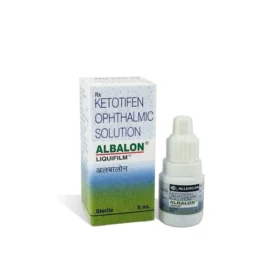 Albalon Eye Drop
Ερωτήσεις & Απαντήσεις
Albalon Eye Drop
Σχετικά προϊόντα
Κριτικές
Δεν υπάρχουν ακόμη κριτικές