







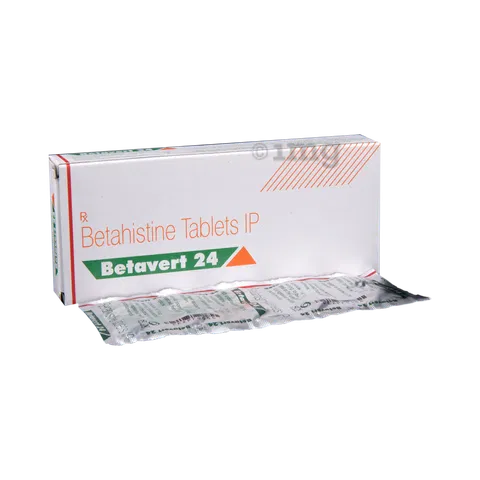
Betavert Tab
✅ Μειώνει τα συμπτώματα ιλίγγου
✅ Βελτιώνει την ισορροπία
✅ Ελαχιστοποιεί την ναυτία
✅ Ανακουφίζει τη ζάλη
✅ Ενισχύει τη λειτουργία του εσωτερικού αυτιού
Το Betavert περιέχει Betahistine.
✓ Ιατρικά ελεγμένο από Morgan Ellis — Ερευνητής Φαρμακευτικής · 8 χρόνια εμπειρία · Τελευταία αναθεώρηση: Μάιος 2026
⚡ Γρήγορη Απάντηση — Τι είναι το Betavert Tab;
Betavert Tab είναι betahistine 24 mg δισκίο — μια επιλογή υψηλότερης δόσης που παρέχει την πλήρη ημερήσια δόση των 48 mg σύμφωνα με τη δοκιμή BEMED σε μόλις δύο δισκία ημερησίως, χρήσιμη για τη συμμόρφωση ασθενών σε μακροχρόνια συντήρηση Meniere. Αναλόγο ισταμίνης (αδύναμος H1 αγωνιστής + H3 ανταγωνιστής) που βελτιώνει την κυκλοφορία στο εσωτερικό αυτί. Λαμβάνετε 24 mg δύο φορές ημερησίως με τα γεύματα (ή 16 mg από μια μάρκα μικρότερης δόσης τρεις φορές ημερησίως). Η έναρξη είναι σταδιακή — απαιτείται 4–6 εβδομάδες.
Γιατί να παραγγείλετε από τη MedsBase
📦 Κάθε παραγγελία καλύπτεται από την Πολιτική Εγγύησης Επαναποστολής — εάν το δέμα σας δεν φτάσει εντός 20 εργάσιμων ημερών, το επαναποστέλλουμε.
Betavert Tab είναι ένας κατασκευαστής πιστοποιημένος από τη WHO-GMP betahistine 24 mg δισκίο, που χρησιμοποιείται ειδικά για περιφερική βαρηκοΐα ίλιγγο και την κλασική τριάδα της νόσου Meniere: επεισοδιακός ίλιγγος, αισθητηριακή απώλεια ακοής και εμβοές. Η βεταϊστίνη βρίσκεται σε κλινική χρήση από τη δεκαετία του 1960 και παραμένει η πιο ευρέως συνταγογραφούμενη ειδική θεραπεία για τη νόσο Meniere στην Ευρώπη και την Ασία.
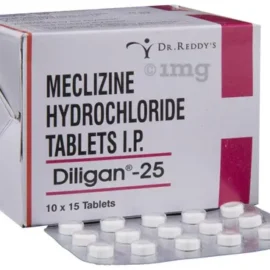
Το Betavert Tab διαφέρει από τα φάρμακα που χρησιμοποιούνται για ναυτία (μεκλιζίνη σε Diligan, διμενυδρινάτη, κιναριζίνη) και από τα αντιεμετικά που χρησιμοποιούνται για οξεία Επεισόδια ίλιγγου (προχλορπεραζίνη, προμεθαζίνη). Η λάθος κατηγορία φαρμάκου για τον λάθος τύπο ίλιγγου επιτυγχάνει ελάχιστα.
Για τι χρησιμοποιείται το Betavert Tab
- νόσου Meniere — η κλασική ένδειξη· μειώνει τη συχνότητα και τη βαρύτητα των επεισοδίων ίλιγγου· μπορεί να βελτιώσει ελαφρά τον εμβοϊσμό και τις διακυμάνσεις της ακοής
- Περιφερικός ιστιριακός ίλιγγος — επαναλαμβανόμενη περιστροφική ζάλη με προέλευση από τον εσωτερικό αυτί ή τον ιστιριακό νεύρο
- Ιστιριακή νευρίτιδα (φάση ανάρρωσης) — υποστηρίζει την κεντρική αντιρρόπηση ως μέρος προγράμματος ιστιριακής αποκατάστασης
- BPPV (συμπληρωματικό) — οι ελιγμοί επανατοποθέτησης καναλιθίων (Epley, Semont) παραμένουν πρώτη γραμμή· η βετιστίνη είναι μόνο υποστηρικτική
Η βετιστίνη είναι δεν ενδείκνυται για κινητική ασθένεια, ζάλη από ορθοστατική πτώση, κεντρική (εγκεφαλικής προέλευσης) ίλιγγο ή γενική μη ειδική ζάλη.
Γιατί να παραγγείλετε από τη MedsBase
Το Betavert Tab διανέμεται από έναν κατασκευαστή πιστοποιημένο από τη WHO-GMP, σε συσκευασία blister και αποστέλλεται διακριτικά παγκοσμίως. Κάθε παραγγελία καλύπτεται από την Πολιτική Εγγύησης Επαναποστολής — εάν δεν παραδοθεί εντός 20 εργάσιμων ημερών, επαναποστέλλουμε δωρεάν. Πάνω από 1.400 επαληθευμένοι πελάτες — διαβάστε κριτικές.
Πώς Λειτουργεί η Βεταϊστίνη
Ο ακριβής μηχανισμός δράσης της βεταϊστίνης στο εσωτερικό αυτί εξακολουθεί να είναι αντικείμενο συζήτησης, αλλά έχουν χαρακτηριστεί αρκετές δράσεις:
- Αγγειοδιαστολή της μικροκυκλοφορίας του αγγειοχώρου στο εσωτερικό αυτί — πιστεύεται ότι μειώνει την πίεση του ενδολυμφατικού υγρού στη νόσο του Meniere
- H3 ανταγωνισμός υποδοχέων στους βεστιβουλικούς πυρήνες — αυξάνει τον κύκλο εργασιών της ισταμίνης και υποστηρίζει τη βεστιβουλική αποκατάσταση
- Ασθενής H1 αγωνιστική δράση σε μετασυναπτικούς τόπους
- Βελτιώνει τη συμμετρία της βεστιβουλικής νευρικής εξόδου κατά την ανάκαμψη από μονόπλευρη βεστιβουλική βλάβη
Η έναρξη της κλινικής βελτίωσης είναι σταδιακή — οι περισσότεροι ασθενείς χρειάζονται 4–6 εβδομάδες σε επαρκή δόση πριν μειωθεί η συχνότητα των επεισοδίων ίλιγγου. Αυτός είναι ο λόγος για τον οποίο το Betavert Tab είναι ένα προληπτικό φάρμακο, όχι ένα φάρμακο διάσωσης.
Χορήγηση
| Σενάριο | Δόση | Σημειώσεις |
|---|---|---|
| Νόσος του Meniere (πρότυπο) | 16 mg τρεις φορές ημερησίως (48 mg/ημέρα) | Στοχευμένη δόση που υποστηρίζεται από τη δοκιμή BEMED για μέτρια έως σοβαρή νόσο |
| Αρχική δοσολογία | 8 mg τρεις φορές ημερησίως | Αυξήστε τη δόση μετά από 2–4 εβδομάδες εάν υπάρχει μερική απόκριση |
| Συντήρηση μόλις ελεγχθεί | 8–16 mg τρεις φορές ημερησίως | Συνεχίστε για μήνες· μειώστε σταδιακά υπό ιατρική επίβλεψη μόλις επιτευχθεί διαρκή έλεγχος |
| Μέγιστη ημερήσια δόση | 48 mg/ημέρα | Χωρισμένο σε 2–3 δόσεις· οι υψηλότερες ημερήσιες δόσεις δεν προσφέρουν πρόσθετο όφελος |
| Ηλικιωμένοι | Τυπική δόση | Χωρίς ρουτίνα μείωσης· η βεταϊστίνη δεν προκαλεί υπνηλία |
| Ηπατική / νεφρική δυσλειτουργία | Χωρίς συγκεκριμένη προσαρμογή | Χρησιμοποιείτε με προσοχή σε σοβαρή δυσλειτουργία |
| Εγκυμοσύνη και θηλασμός | Αποφύγετε εκτός αν είναι απαραίτητο | Περιορισμένα ανθρώπινα δεδομένα |
Πώς να παίρνετε σωστά το Betavert Tab
- Καταπιείτε ολόκληρο με νερό, με ή μετά το γεύμα για να μειωθεί η γαστρική ενόχληση
- Κατανείμετε τις δόσεις ομοιόμορφα κατά τη διάρκεια της ημέρας — πρωί, απόγευμα, βράδυ (ή δύο φορές την ημέρα για τη δόση των 24 mg)
- Επιτρέψτε 4–6 εβδομάδες σε επαρκή δόση πριν κρίνετε την αποτελεσματικότητα
- Συνδυάστε με μέτρα διαβίωσης για το σύνδρομο Meniere: δίαιτα χαμηλή σε αλάτι (< 2 g νατρίου/ημέρα), σταθερή υδάτωση, μέτρια κατανάλωση καφεΐνης και αλκοόλ, διαχείριση του στρες
- Μην διακόψετε απότομα μετά από μήνες χρήσης — σταδιακή μείωση της δόσης υπό ιατρική επίβλεψη
- Κρατήστε ένα ημερολόγιο ιλίγγου — ο κύριος δείκτης αποτελεσματικότητας είναι η μείωση των κρίσεων ανά μήνα, όχι πώς αισθάνεστε σε μια συγκεκριμένη ημέρα
Παρενέργειες
| Βαρύτητα | Αποτέλεσμα |
|---|---|
| Συχνά | Ήπια ναυτία, δυσπεψία, πονοκέφαλος |
| Ασυνήθιστες | Εξάνθημα, κνησμός, κνίδωση, ερυθρότητα |
| Σπάνιες | Βρογχόσπασμος σε ασθματικούς, αγγειοοίδημα, σοβαρή υπερευαισθησία |
Αναζητήστε ιατρική βοήθεια για δυσκολία στην αναπνοή, γενικευμένο εξάνθημα ή πρήξιμο του προσώπου.
Αντενδείξεις και προφυλάξεις
- Φαιοχρωμοκύττωμα — απόλυτη αντενδείξη· τα ανάλογα της ισταμίνης μπορούν να προκαλέσουν έκρηξη κατεχολαμινών
- Βρογχικό άσθμα — χρησιμοποιείστε με προσοχή, παρακολουθήστε για βρογχόσπασμο σε σοβαρή νόσο
- Ενεργό πεπτικό έλκος — η βεταϊστίνη μπορεί να επιδεινώσει τη γαστρική ερεθισμό· λαμβάνεται με τροφή
- Εγκυμοσύνη και θηλασμός — αποφύγετε εκτός αν είναι σαφώς απαραίτητο
- BPPV — οι ελιγμοί επανατοποθέτησης των καναλιθίων είναι καθοριστικοί· το Betavert Tab είναι το πολύ συμπληρωματικό
- Παιδιά — περιορισμένα δεδομένα ασφάλειας· δεν χρησιμοποιείται συνήθως
Αλληλεπιδράσεις Φαρμάκων
| Φάρμακο / Τάξη | Αλληλεπίδραση |
|---|---|
| H1 αντιισταμινικά (cetirizine, loratadine, diphenhydramine, meclizine) | Φαρμακολογική ανταγωνισμός της βεταϊστίνης — μην συνδυάζετε συνήθως· επιλέξτε μία στρατηγική |
| MAO αναστολείς (phenelzine, tranylcypromine, moclobemide, selegiline) | Αναστολή μεταβολισμού βεταϊστίνης — αύξηση επιπέδων· αποφύγετε ή παρακολουθήστε |
| β2-αγωνιστές (salbutamol, formoterol) | Καμία κλινικά σχετική αλληλεπίδραση |
| Διουρητικά (θειαζίδες) | Συχνά συνταγογραφούνται για το σύνδρομο Meniere — καμία δυσμενής αλληλεπίδραση |
| Αλκοόλ | Εντείνει τα συμπτώματα του περιφερικού ιλίγγου σε ενεργή νόσο — περιορισμός |
Αποθήκευση
- Κάτω από 25 °C σε ξηρό μέρος, μακριά από άμεση ηλιακή ακτινοβολία
- Φυλάξτε στην αρχική συσκευασία, μακριά από παιδιά
- Μην χρησιμοποιείτε μετά την ημερομηνία λήξης
Συχνές Ερωτήσεις
Για τι χρησιμοποιείται το Betavert Tab;
Το Betavert Tab (βεταϊστίνη) χρησιμοποιείται κυρίως για νόσου Meniere και άλλες μορφές περιφερική βαρηκοΐα ίλιγγο. Μειώνει τη συχνότητα και τη σοβαρότητα των επεισοδίων ιλίγγου και μπορεί να βελτιώσει ελαφρά τα συνοδευτικά συμπτώματα εμβοών και διακυμάνσεων στην ακοή.
Πόσο γρήγορα δρα το Betavert Tab;
Το όφελος αυξάνεται σταδιακά — απαιτείται 4–6 εβδομάδες σε επαρκή δόση πριν κρίνετε την επίδραση. Η βεταϊστίνη μειώνει τη συχνότητα των μελλοντικών επεισοδίων ίλιγγου· δεν διακόπτει ένα επεισόδιο που είναι ήδη σε εξέλιξη.
Μπορώ να χρησιμοποιήσω το Betavert Tab για την κινητική ασθένεια;
Όχι — η βεταϊστίνη δεν είναι αποτελεσματική για την κινητική ασθένεια. Χρησιμοποιήστε μεκλιζίνη (Diligan), κιναριζίνη ή διμενυδρινάτη αντ' αυτού.
Μπορώ να χρησιμοποιήσω το Betavert Tab για τον BPPV;
Το BPPV (καλοήθης παροξυσμικός θέσεως ίλιγγος) ανταποκρίνεται καλύτερα σε ελιγμούς επανατοποθέτησης καναλιθίου — ο ελιγμός Epley ή Semont — που μετατοπίζουν φυσικά τον κρύσταλλο του εσωτερικού αυτιού που προκαλεί τον BPPV. Το Betavert Tab είναι το πολύ συμπληρωματικό.
Βοηθάει το Betavert Tab στον εμβοισμό;
Σε ασθενείς με νόσο Meniere, ο εμβοισμός συχνά βελτιώνεται παράλληλα με τον έλεγχο του ιλίγγου. Για απομονωμένο εμβοισμό χωρίς ίλιγγο, τα στοιχεία για όφελος της βεταϊστίνης είναι πιο αδύναμα και προτιμώνται άλλες προσεγγίσεις (ηχητική κάλυψη, θεραπεία επανεκπαίδευσης εμβοισμού, γνωσιακή-συμπεριφορική θεραπεία).
Πόσο καιρό πρέπει να παίρνω το Betavert Tab;
Η νόσος Meniere είναι μια χρόνια πάθηση· οι ασθενείς συχνά συνεχίζουν τη βεταϊστίνη για μήνες έως χρόνια ανάλογα με τη συχνότητα των επεισοδίων. Ο κλινικός σας θα σας καθοδηγήσει στις προσπάθειες μείωσης της δόσης μετά από παρατεταμένες περιόδους χωρίς κρίσεις.
Μπορώ να πάρω το Betavert Tab κατά τη διάρκεια της εγκυμοσύνης;
Περιορισμένα ανθρώπινα δεδομένα. Συνήθως αποφεύγεται εκτός αν είναι σαφώς απαραίτητο. Συζητήστε με το γιατρό σας.
Τι πρέπει να κάνω κατά τη διάρκεια μιας οξείας κρίσης ίλιγγου;
Το Betavert Tab είναι προληπτικό· δεν διακόπτει μια οξεία επίθεση. Κατά τη διάρκεια μιας επίθεσης, καθίστε ή ξαπλώστε ακίνητοι σε ένα ήσυχο σκοτεινό δωμάτιο, αποφύγετε απότομες κινήσεις του κεφαλιού και εάν έχετε σοβαρά συμπτώματα χρησιμοποιήστε μια σύντομη πορεία μεκλιζίνης (Diligan) ή prochlorperazine (Stemetil) για τις πρώτες 48–72 ώρες.
Προκαλεί το Betavert Tab υπνηλία;
Λιγότερο από τα αντιισταμινικά όπως η cinnarizine. Η betahistine δεν είναι σημαντικά υπνωτική, αν και ορισμένοι χρήστες βιώνουν αρχικά ήπια υπνηλία ή πονοκέφαλο που εξασθενούν τις πρώτες 1–2 εβδομάδες.
Ποιες μέτρα διαβίωσης βοηθούν στη νόσο του Meniere;
Δίαιτα χαμηλή σε αλάτι (< 2 g νατρίου/ημέρα), σταθερή ενυδάτωση, περιορισμός της καφεΐνης και του αλκοόλ, αποφυγή MSG, διαχείριση του στρες και ασκήσεις βεστιβουλικής αποκατάστασης. Αυτά τα μέτρα ενισχύουν τα οφέλη της betahistine και σε ορισμένους ασθενείς ελέγχουν τα συμπτώματα με ελάχιστη φαρμακευτική αγωγή.
Betavert Tab (βεταϊστίνη 16 mg) αντιμετωπίζει χρόνια ιλαρυγγική ίλιγγο με καθημερινή δοσολογία, αλλά δεν σταματά την οξεία ναυτία κατά τη μετακίνηση — γι' αυτό, ο H1-ανταγωνιστής Avimax (προμεθαζίνη 25 mg) είναι το κλινικό συμπλήρωμα, με δοσολογία μια φορά 30 έως 60 λεπτά πριν από το ταξίδι.
Άλλες Θεραπείες για Ίλιγγο και Κινητική Αρρωστία
- Vertin (betahistine 8 mg, Abbott)
- Betavert (βεταϊστίνη 8 / 16 mg, Sun Pharma)
- Diligan (meclizine 25 mg) — για ναυτία και οξεία ίλιγγο τις πρώτες 48–72 ώρες
- Stemetil (prochlorperazine 5 mg) — άμεση αντιμετώπιση ίλιγγου/ναυτίας
- Avomine (promethazine 25 mg) — υπνωτικό αντιισταμινικό για ναυτία
Ιατρική Αποποίηση Ευθύνης
Αυτή η σελίδα είναι μόνο για ενημερωτικούς σκοπούς και δεν αποτελεί υποκατάστατο συμβουλών από έναν καταξιωμένο κλινικό. Οξύς σοβαρός ίλιγγος με νευρολογικά συμπτώματα (απώλεια ακοής, διπλή όραση, ασαφής ομιλία, αδυναμία, μούδιασμα, σοβαρό πονοκέφαλο ή ασταθές βάδισμα) απαιτεί άμεση ιατρική αξιολόγηση — αυτά μπορεί να υποδηλώνουν εγκεφαλικό ή κεντρική παθολογία παρά αιτία εσωτερικού ωτός. Συζητήστε νέα συμπτώματα ίλιγγου με γιατρό πριν από αυτοθεραπεία.
Περισσότερες επιλογές στη Θεραπεία Ιλίγγου & Ναυτίας
Ταξινομημένα σύμφωνα με τον όγκο παραγγελιών στο MedsBase — τι επιλέγουν άλλοι πελάτες σε αυτήν την κατηγορία.
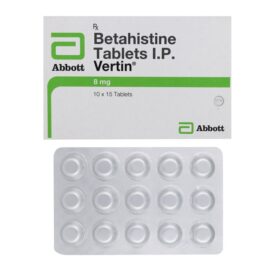
| Ισχύς | 24 mg |
|---|---|
| Ποσότητα | 30 δισκία, 60 δισκία, 90 δισκία, 180 δισκία |
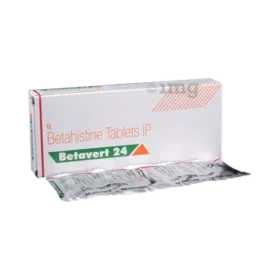 Betavert Tab
Ερωτήσεις & Απαντήσεις
Betavert Tab
Σχετικά προϊόντα

Κριτικές
Δεν υπάρχουν ακόμη κριτικές