








Calcirol
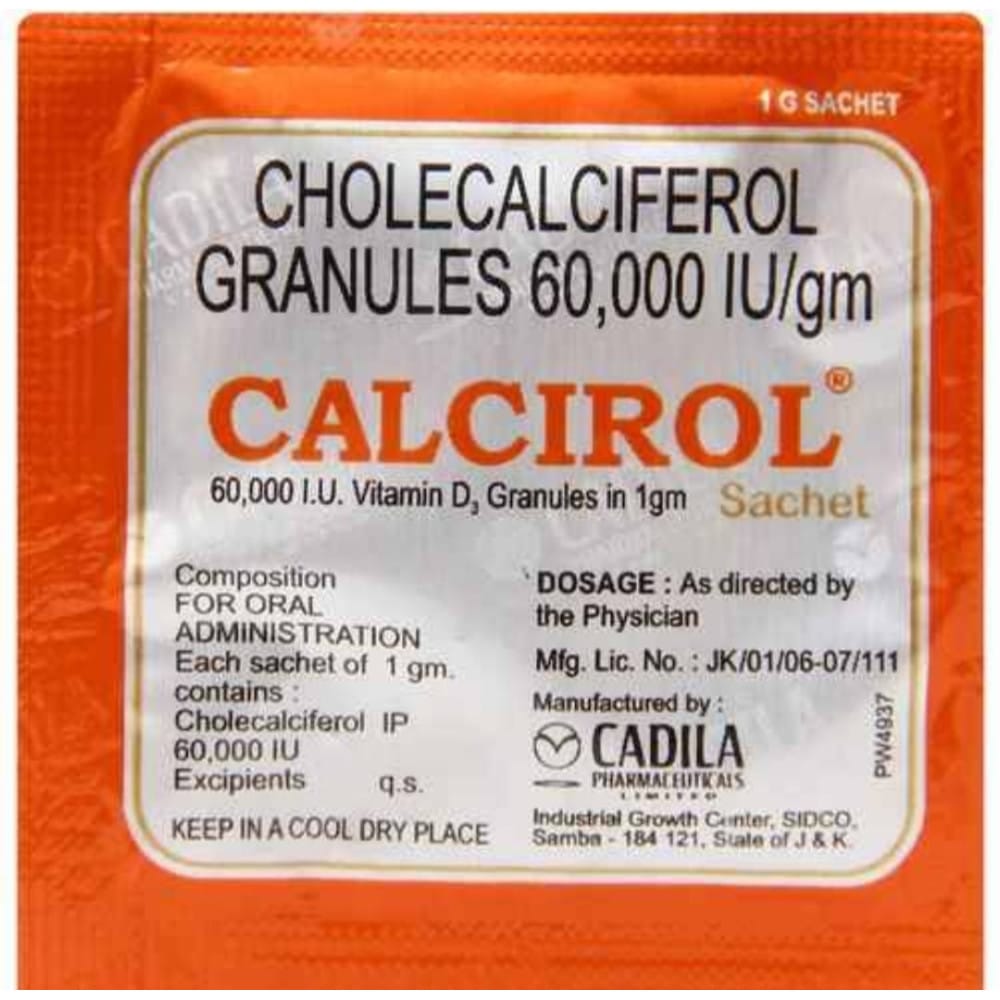
✅ Αυξάνει τα επίπεδα βιταμίνης D
✅ Ενισχύει τα οστά
✅ Υποστηρίζει την απορρόφηση ασβεστίου
✅ Βελτιώνει τη λειτουργία του ανοσοποιητικού
✅ Προάγει τη γενική υγεία
Το σακέτα Calcirol περιέχει Χοληκαλσιφερόλη.
✓ Ιατρικά ελεγμένο από Morgan Ellis — Ερευνητής Φαρμακευτικής · 8 χρόνια εμπειρία · Τελευταία αναθεώρηση: Μάιος 2026
Γρήγορη απάντηση
Calcirol (χοληκαλσιφερόλη 60,000 IU σακέτα για από του στόματος χορήγηση (Cipla)) είναι υψηλής δόσης βιταμίνη D3 που χρησιμοποιείται για τη θεραπεία και την πρόληψη της ανεπάρκειας βιταμίνης D. Το τυπικό σχήμα θεραπείας είναι ένα σακέτο 60,000 IU εβδομαδιαίως για 8 εβδομάδες (φόρτωση), και στη συνέχεια ένα σακέτο μηνιαίως για συντήρηση.
- Υψηλής δόσης χοληκαλσιφερόλη από του στόματος — 60,000 IU ανά σακέτο, κόκκοι που διαλύονται σε γάλα ή νερό
- Πιστοποιημένος κατασκευαστής WHO-GMP (Cipla)
- Δόση φόρτωσης: 1 σακέτο/εβδομάδα × 8 εβδομάδες· συντήρηση: 1 σακέτο/μήνα
- Διακριτική αποστολή παγκοσμίως · καλύπτεται από την Πολιτική Επαναποστολής Εξασφαλίσεων
📦 Κάθε παραγγελία καλύπτεται από την Πολιτική Εγγύησης Επαναποστολής — εάν το δέμα σας δεν φτάσει εντός 20 εργάσιμων ημερών, το επαναποστέλλουμε.
Κάθε παραγγελία καλύπτεται από την Πολιτική Εγγύησης Επαναποστολής.
Γιατί να παραγγείλετε από τη MedsBase
Το Calcirol προέρχεται από πιστοποιημένο κατασκευαστή WHO-GMP. Κάθε παραγγελία αποστέλλεται σε διακριτική, απροσωποποίητη συσκευασία παγκοσμίως και καλύπτεται από την Πολιτική Επαναποστολής Εξασφαλίσεων μας. Πληρώστε ασφαλώς με πιστωτική κάρτα, τραπεζική μεταφορά SEPA ή κρυπτονομίσματα. Δείτε τα 1,400+ επαληθευμένες κριτικές πελατών.
Τι είναι το Calcirol;
Το Calcirol είναι υψηλής δόσης χοληκαλσιφερόλη (βιταμίνη D3) για από του στόματος χορήγηση, σε σακέτα κόκκων 60,000 IU από τη Cipla. Είναι το πιο ευρέως χρησιμοποιούμενο σχήμα φόρτωσης βιταμίνης D στο Ινδικό υποήπειρο και λειτουργεί εξίσου καλά σε οποιοδήποτε πληθυσμό με τεκμηριωμένη ανεπάρκεια. Η χοληκαλσιφερόλη είναι το ίδιο μόριο που το δέρμα συνθέτει από τη 7-δεϋδροχοληστερόλη με έκθεση σε UV-B· υδροξυλιώνεται σε 25-υδροξυβιταμίνη D στο ήπαρ και σε 1,25-διυδροξυβιταμίνη D (καλσιτριόλη) στα νεφρά.
Ενδείξεις
- Ανεπάρκεια βιταμίνης D (ορού 25-OH-D < 20 ng/ml ή < 50 nmol/l)
- Ελλιπής βιταμίνη D (20–30 ng/ml ή 50–75 nmol/l)
- Οστεομαλακία σε ενήλικες και ραχίτιδα σε παιδιά (υπό ειδικευμένη επίβλεψη)
- Συμπληρωματική θεραπεία στην οστεοπόρωση παράλληλα με διφωσφονικά και ασβέστιο
- Εγκυμοσύνη και θηλασμός σε τεκμηριωμένη έλλειψη (συντήρηση με μικρότερη δόση μετά από φόρτωση)
- Μετά από βαριάτρικη επέμβαση κακή απορρόφηση
- Μακροχρόνια αντισπασμωδικά (η φαινυτοΐνη, η καρβαμαζεπίνη και η φαινοβαρβιτάλη προκαλούν καταβολισμό της βιταμίνης D)
| Πληθυσμός / επίπεδο | Φόρτωση | Συντήρηση | Επαναλήψτε έλεγχο |
|---|---|---|---|
| Ενήλικες, με έλλειψη (<20 ng/ml) | 1 σακούλα (60.000 IU) εβδομαδιαία × 8 εβδομάδες | 1 σακούλα μηνιαία | 12 εβδομάδες μετά τη φόρτωση |
| Ενήλικες, ανεπαρκής (20–30 ng/ml) | 1 σακούλα εβδομαδιαία × 4 εβδομάδες | 1 σακούλα μηνιαία | 12 εβδομάδες |
| Εγκυμοσύνη (έλλειψη) | 1 σακούλα εβδομαδιαία × 4–8 εβδομάδες (υπό μαιευτική καθοδήγηση) | 1,000–2,000 IU/ημέρα ή 1 σακούλα μηνιαία | Επανάληψη στις 24–28 εβδομάδες |
| Ηλικιωμένοι (πρόληψη πτώσεων και καταγμάτων) | Συχνά παραλείπεται η φόρτωση· ξεκινήστε συντήρηση | 800–2,000 IU/ημέρα ή 1 σακούλα μηνιαία | Ετήσια |
| Βαριατρική / χρόνια κακή απορρόφηση | Συχνά απαιτούνται υψηλότερες δόσεις (ειδικός) | Τιτλοδότηση από ειδικό | 12 εβδομάδες |
| Σοβαρή έλλειψη με ραχίτιδα / οστεομαλακία | Επιτήρηση από ειδικό· σκεφτείτε αποθεματική ενδομυική θεραπεία | Τιτλοδότηση από ειδικό | Τιτλοδότηση από ειδικό |
Πώς να πάρετε
Αδειάστε το περιεχόμενο του σακουλακιού σε ένα ποτήρι γάλα ή νερό, ανακατέψτε και πιείτε. Καλύτερα να λαμβάνεται με το γεύμα που περιέχει τις περισσότερες λιπαρές ουσίες της ημέρας — η βιταμίνη D είναι λιποδιαλυτή και η απορρόφηση είναι σημαντικά καλύτερη με λίπος στο γεύμα.
Η συνεχής πρόσληψη πάνω από 4.000 IU/ημέρα (το ανώτερο ασφαλές όριο της ΕΕ) χωρίς παρακολούθηση 25-OH-D μπορεί να προκαλέσει υπερκαλσιναιμία (ανορεξία, ναυτία, πολυουρία, νεφρολιθίαση, ασβεστοποίηση μαλακών ιστών). Το σχήμα εβδομαδιαίας-και-μηνιαίας χορήγησης του Calcirol διατηρεί τον μέσο όρο πολύ κάτω από αυτό· προβλήματα εμφανίζονται όταν οι ασθενείς λαμβάνουν κατά λάθος ένα σακουλάκι καθημερινά ή συνδυάζουν πολλά συμπληρώματα με βιταμίνη D. Επαναλάβετε τη μέτρηση 25-OH-D 12 εβδομάδες μετά την έναρξη και κάθε 6–12 μήνες κατά τη συντήρηση.
Παρενέργειες
Σε τυπικές δόσεις, το Calcirol είναι εξαιρετικά καλά ανεκτό. Σε υψηλές σωρευτικές δόσεις ή με ελλείψεις παρακολούθησης:
- Υπερκαλσιναιμία — ναυτία, ανορεξία, δυσκοιλιότητα, πολυουρία, πολυδιψία, σύγχυση (σπάνια με σωστή δοσολογία)
- Υπερκαλσιουρία — μπορεί να προκαλέσει νεφρολιθίαση
- Αποθήκευση ασβεστίου σε μαλακούς ιστούς σε συνεχείς τοξικές συγκεντρώσεις
Αλληλεπιδράσεις φαρμάκων
- Θειαζιδικά διουρητικά — αυξάνουν τον κίνδυνο υπερκαλσιναιμίας· παρακολουθήστε το ασβέστιο
- Αντισπασμωδικά (φαινυτοΐνη, καρβαμαζεπίνη, φαινοβαρβιτάλη) — προκαλούν καταβολισμό της βιταμίνης D, ενδέχεται να απαιτούνται υψηλότερες δόσεις
- Γλυκοκορτικοειδή — ανταγωνίζονται τη δράση της βιταμίνης D· οι μακροχρόνιοι χρήστες στεροειδών συχνά χρειάζονται υψηλότερες δόσεις
- Χοληστυραμίνη, ορλιστάτ, ορυκτό λάδι — μειώνουν την απορρόφηση των λιποδιαλυτών βιταμινών· χωρίστε τη λήψη τους κατά 4 ώρες
- Ντιγκοξίνη — η υπερκαλσιουρία αυξάνει τον κίνδυνο τοξικότητας της διγοξίνης
Αντενδείξεις
- Υπερκαλσιουρία οποιασδήποτε αιτίας
- Υπερβιταμίνωση D
- Ενεργή σαρκοείδωση ή άλλη κοκκιωματώδης νόσος (η εξωνεφρική 1-α-υδροξυλίωση μπορεί να προκαλέσει σοβαρή υπερκαλσιουρία)
- Σοβαρή νεφρική δυσλειτουργία (χρησιμοποιήστε αλφακαλσιδόλη — δείτε Alphadol — ή καλσιτριόλη αντί αυτής)
Αποθήκευση
Αποθηκεύστε κάτω από 25°C. Διατηρήστε σε ξηρό μέρος. Χρησιμοποιήστε αμέσως μετά το άνοιγμα του σακουλακιού.
Συχνές Ερωτήσεις
Γιατί 60.000 IU και όχι ένα δισκίο 1.000 IU ημερησίως;
Και τα δύο λειτουργούν. Η εβδομαδιαία φόρτωση με 60.000 IU επιτυγχάνει γρηγορότερη αναπλήρωση της 25-OH-D (συνήθως μέχρι την 8η εβδομάδα έναντι 3–6 μηνών για τα ημερήσια 1.000 IU) και η συμμόρφωση είναι πολύ καλύτερη — ένα εβδομαδιαίο σακουλάκι είναι πιο δύσκολο να ξεχαστεί από ένα ημερήσιο δισκίο. Μετά τη φόρτωση, η επιλογή είναι θέμα προτίμησης: μηνιαίο σακουλάκι ή ημερήσια δόση 1.000–2.000 IU.
Πρέπει να παίρνω ασβέστιο με το Calcirol;
Μόνο εάν η διατροφική πρόσληψη ασβεστίου είναι χαμηλή ή αν θεραπεύεται οστεοπόρωση. Η συμπλήρωση μόνο με βιταμίνη D είναι αρκετή για τη διόρθωση της έλλειψης στους περισσότερους ασθενείς με επαρκή διατροφική πρόσληψη ασβεστίου (>700 mg/ημέρα από γαλακτοκομικά προϊόντα, πράσινα λαχανικά, tofu, σαρδέλες).
Πόσο γρήγορα θα νιώσω καλύτερα;
Εάν τα συμπτώματα (κόπωση, πόνος στα οστά, μυϊκή αδυναμία) οφείλονται σε επιβεβαιωμένη έλλειψη, αναμένεται μερική βελτίωση σε 4–6 εβδομάδες και πλήρες όφελος σε 12 εβδομάδες. Πολλοί ασθενείς με αόριστη κόπωση ΔΕΝ έχουν συμπτώματα που προκαλούνται από έλλειψη — ελέγξτε πρώτα το επίπεδο παρά να υποθέσετε.
Μπορώ να πάρω Calcirol κατά την εγκυμοσύνη;
Ναι, σε τεκμηριωμένη έλλειψη υπό μαιευτική καθοδήγηση. Η βιταμίνη D κατά την εγκυμοσύνη υποστηρίζει την ανάπτυξη των οστών του εμβρύου, μειώνει τον κίνδυνο γεστασιακής διαβήτη και είναι ασφαλής σε δόσεις έως 4,000 IU/ημέρα. Αποφύγετε μεγάλες δόσεις χωρίς επίβλεψη.
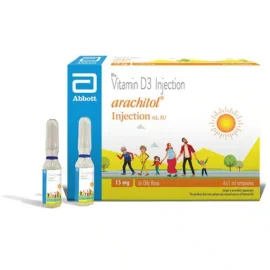
Πώς διαφέρει το Calcirol από την ένεση Arachitol 6L;
Το Calcirol είναι από του στόματος (σακούλες με κόκκους, 60,000 IU ανά δόση, εβδομαδιαία). Η ένεση Arachitol 6L είναι ενδομυϊκή (6,00,000 IU = 600,000 IU ανά δόση, μία ετήσια ένεση σε επιλεγμένες περιπτώσεις σοβαρής έλλειψης). Το ενδομυϊκό αποθετήριο χρησιμοποιείται σε σοβαρή κακή απορρόφηση, πολύ κακή συμμόρφωση ή όταν απαιτείται γρήγορη φόρτωση.
Πώς διαφέρει από το Alphadol (alfacalcidol);
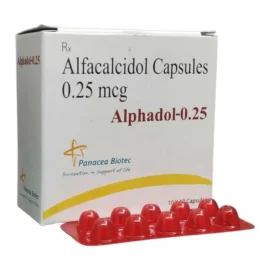
Το Calcirol είναι χοληκαλσιφερόλη — ο πρόδρομος που απαιτεί ενεργοποίηση από το ήπαρ και τα νεφρά. Το Alphadol είναι alfacalcidol — προ-ενεργοποιημένο παρακάμπτοντας το νεφρικό βήμα 1-α-υδροξυλίωσης. Το Alphadol χρησιμοποιείται σε χρόνια νεφρική νόσο όπου το νεφρό δεν μπορεί να ενεργοποιήσει τη χοληκαλσιφερόλη· όλοι οι άλλοι χρησιμοποιούν Calcirol.
Ποιο είναι το στόχος για το επίπεδο 25-OH-D;
Οι περισσότερες οδηγίες στοχεύουν σε 30–50 ng/ml (75–125 nmol/l). Πάνω από 50 ng/ml δεν έχει αποδειχθεί επιπλέον όφελος. Πάνω από 100 ng/ml πλησιάζει την τοξικότητα και θα πρέπει να οδηγήσει σε μείωση της δόσης.
Είναι ασφαλής η μακροπρόθεσμη χρήση;
Ναι, σε δόσεις συντήρησης με περιοδικό έλεγχο 25-OH-D. Πολλοί ασθενείς με περιορισμένη έκθεση στον ήλιο (υψηλό γεωγραφικό πλάτος, εργασίες σε εσωτερικούς χώρους, μετριόφωνα ρούχα, σκούρο δέρμα) χρειάζονται ισόβια συμπλήρωση. Το εβδομαδιαίο και στη συνέχεια μηνιαίο σχήμα του Calcirol είναι άνετο για μακροπρόθεσμη χρήση.
Θα αποτρέψει το Calcirol την COVID-19;
Όχι. Ο ισχυρισμός της αρχής της πανδημίας ότι η συμπλήρωση βιταμίνης D αποτρέπει την COVID-19 δεν έχει επιβεβαιωθεί από τυχαιοποιημένες μελέτες. Η διόρθωση της έλλειψης αξίζει για τα καθιερωμένα οφέλη (οστά, μύες, πρόληψη πτώσεων)· η συμπλήρωση σε ήδη επαρκείς ασθενείς δεν προσφέρει τίποτα.
Μπορούν τα παιδιά να πάρουν Calcirol;
Ναι, υπό παιδιατρική επίβλεψη για τεκμηριωμένη έλλειψη ή ραχίτιδα. Η δοσολογία βασίζεται στο βάρος και είναι χαμηλότερη από την ενήλικη φόρτωση. Η ρουτίνα πρόληψης σε υγιή παιδιά είναι συνήθως 400 IU/ημέρα από τη γέννηση (σύμφωνα με οδηγίες ΗΒ/ΠΟΥ), όχι υψηλές δόσεις σε σακούλες.
Άλλες Βιταμίνες & Ανόργανα
- Calcirol — χοληκαλσιφερόλη 60,000 IU σακέτα
- Arachitol 6L Injection — χολεκαλσιφερόλη 6,00,000 IU IM depot
- Alphadol — αλφακαλσιδιόλη για έλλειψη σχετιζόμενη με ΧΑΝ
- Cipcal — ανθρακικό ασβέστιο + βιταμίνη D
- Topcal M — ασβέστιο + μαγνήσιο + βιταμίνη D
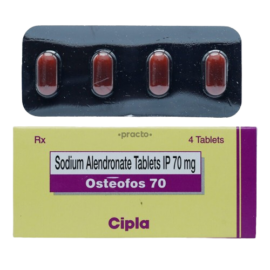
- Osteofos — αλενδρονικό οξύ για οστεοπόρωση
Ιατρική Αποποίηση Ευθύνης
Περισσότερες επιλογές σε Βιταμίνες και Μέταλλα
Ταξινομημένα σύμφωνα με τον όγκο παραγγελιών στο MedsBase — τι επιλέγουν άλλοι πελάτες σε αυτήν την κατηγορία.
| Ισχύς | 1 g |
|---|---|
| Ποσότητα | 5 Σακέτα, 10 Σακέτα, 15 Σακέτα, 30 Σακέτα |
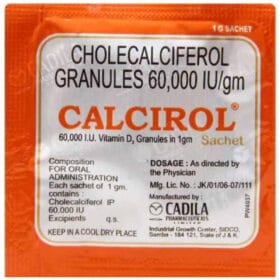 Calcirol
Ερωτήσεις & Απαντήσεις
Calcirol
Σχετικά προϊόντα
Κριτικές
Δεν υπάρχουν ακόμη κριτικές