








Cardivas
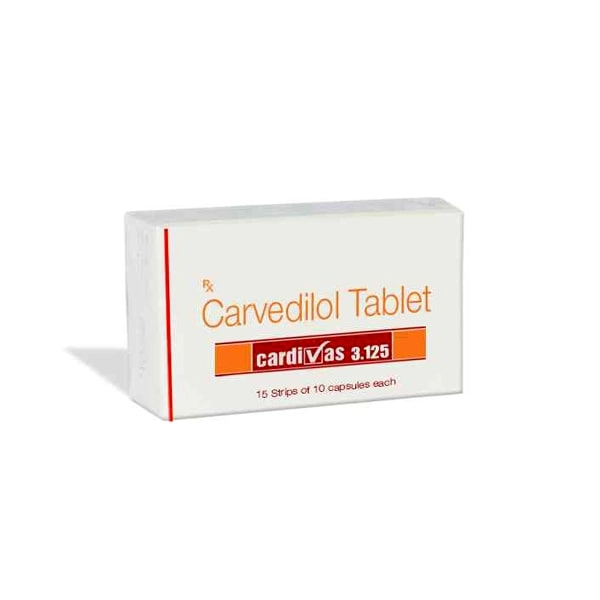
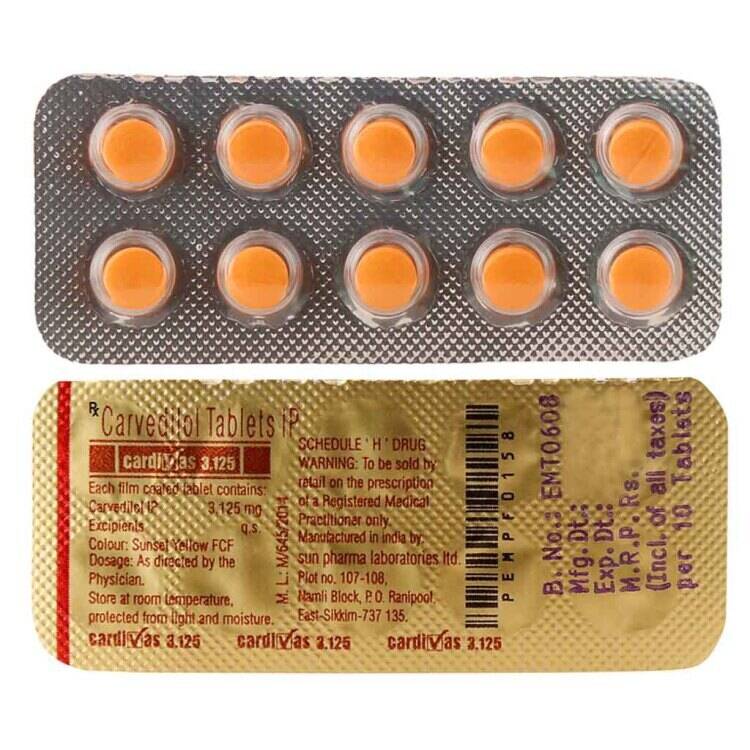
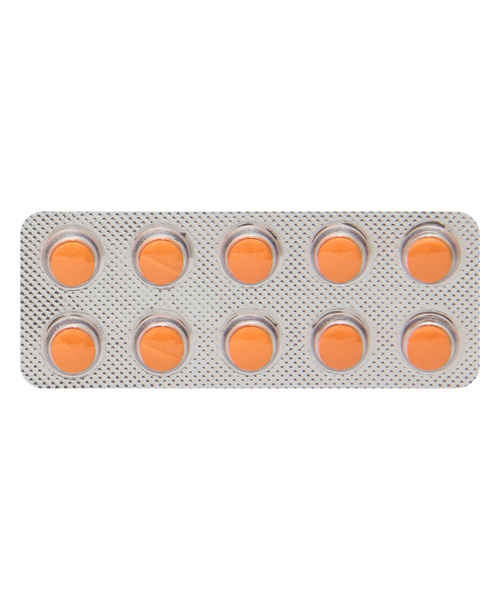
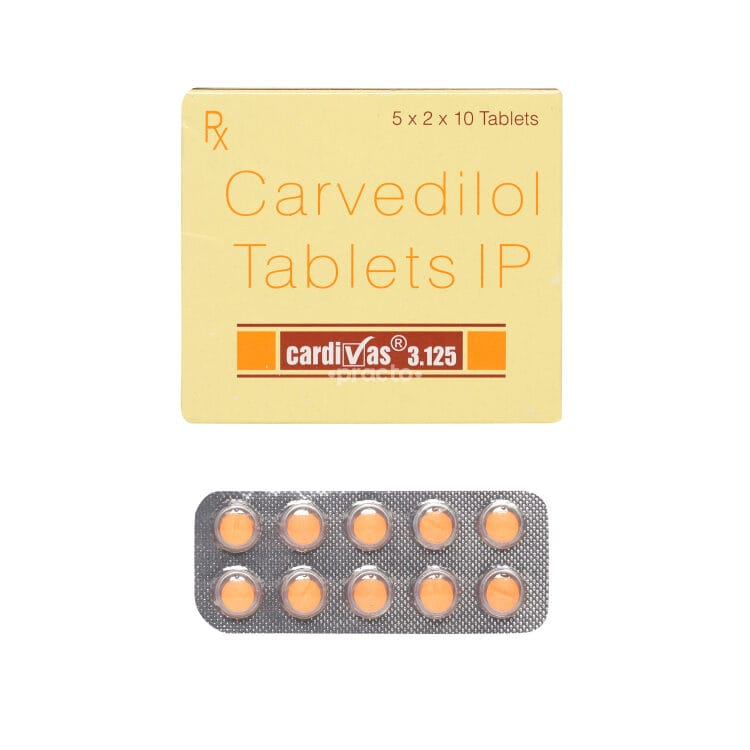
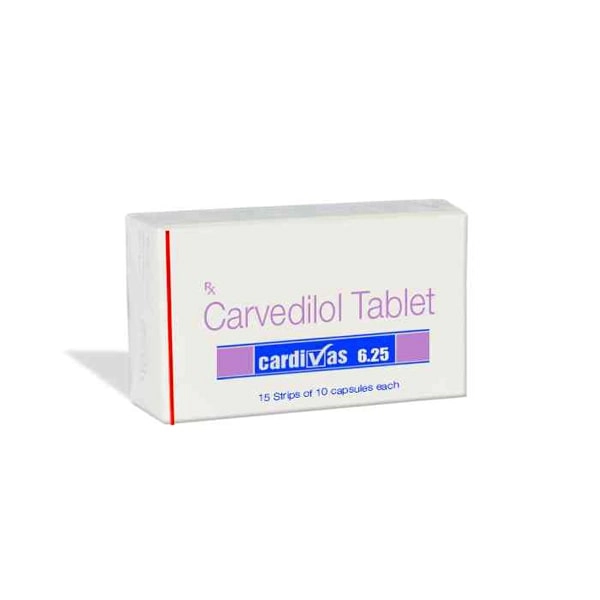
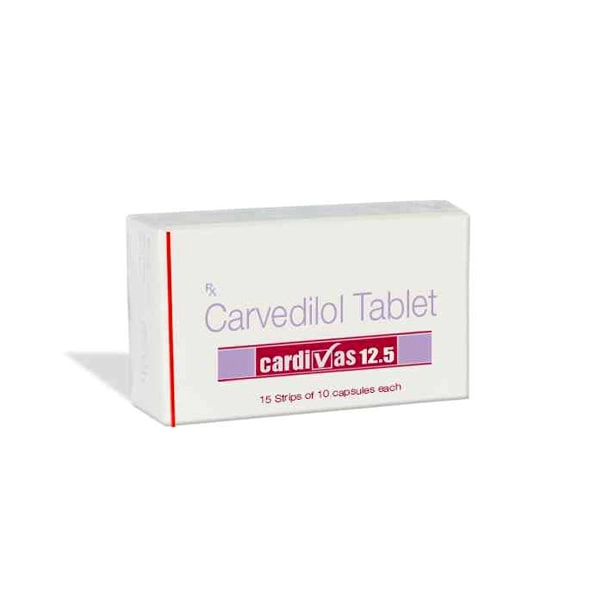
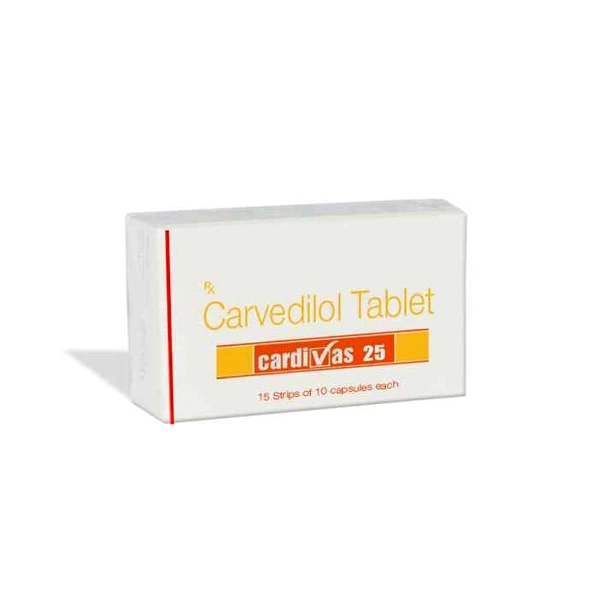
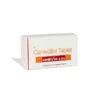
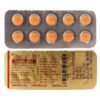
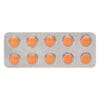
Το Cardivas είναι τα δισκία carvedilol 3.125/6.25/12.5/25 mg της Sun Pharma — μη καρδιοεκλεκτικός β-αναστολέας με πρόσθετη α-1 ανταγωνιστική δράση, προσφέροντας αγγειοδιαστολή εκτός από μείωση της συχνότητας και της συστολικής ικανότητας. Σημαντικά στοιχεία για καρδιακή ανεπάρκεια: COPERNICUS (σοβαρή HF-REF, 35% μείωση θνησιμότητας), CAPRICORN (μετά έμφραγμα), COMET (το carvedilol ανώτερο από το metoprolol tartrate στην καρδιακή ανεπάρκεια). Χρήσεις: καρδιακή ανεπάρκεια με μειωμένο κλάσμα αποβολής (πρώτη γραμμή μαζί με ACEi/ARNI + MR ανταγωνιστή), υπέρταση, δυσλειτουργία αριστεράς κοιλίας μετά έμφραγμα, χρόνια σταθερή στηθάγχη. Αυξήστε τη δόση κάθε 2 εβδομάδες από 3.125 mg BD· στόχος 25 mg BD.
✓ Ιατρικά ελεγμένο από Morgan Ellis — Ερευνητής Φαρμακευτικής · 8 χρόνια εμπειρία · Τελευταία αναθεώρηση: Μάιος 2026
⚡ Γρήγορη απάντηση — Τι είναι το Cardivas;
Cardivas είναι 3.125 / 6.25 / 12.5 / 25 mg δισκίο καρβεδιλόλης άμεσης απελευθέρωσης από τη Sun Pharma — μη εκλεκτικός β-αναστολέας με πρόσθετη α-1 αναστολή. Κύριο χρήση είναι η υπέρταση; · χρησιμοποιείται επίσης για στηθάγχη, έλεγχο αρρυθμιών, δευτερογενή πρόληψη μετά από έμφραγμα του μυοκαρδίου, και καρδιακή ανεπάρκεια με μειωμένο κλάσμα εξώθησης (HF-REF) (ένας από τους τρεις β-αναστολείς με αποδεδειγμένη μείωση θνησιμότητας στην HF-REF). Τυπική δόση για υπέρταση: 6.25-25 mg δύο φορές ημερησίως (12.5-50 mg/ημέρα). Αντενδείκνυται σε άσθμα, σοβαρή βραδυκαρδία, καρδιακό μπλοκ δεύτερου/τρίτου βαθμού, οξεία αποσταθεροποιημένη καρδιακή ανεπάρκεια και φαιοχρωμοκύττωμα χωρίς προηγούμενη α-αναστολή. ΜΗΝ διακόψετε απότομα — μειώστε σταδιακά σε 1-2 εβδομάδες για να αποφύγετε αντανακλαστική ταχυκαρδία / στηθάγχη / έμφραγμα.
📦 Κάθε παραγγελία καλύπτεται από την Πολιτική Εγγύησης Επαναποστολής — εάν το δέμα σας δεν φτάσει εντός 20 εργάσιμων ημερών, το επαναποστέλλουμε.
Γιατί να παραγγείλετε από τη MedsBase
Τα γενόσημα φάρμακά μας προέρχονται από κατασκευαστές που πιστοποιούνται από την WHO-GMP και αποστέλλονται παγκοσμίως σε διακριτική, απλή συσκευασία — χωρίς όνομα φαρμάκου στο εξωτερικό του δέματος. Οι πληρωμές με κάρτα δρομολογούνται μέσω ρυθμισμένου επεξεργαστή (οι περιγραφές εκκαθάρισης περιλαμβάνουν ρυθμισμένο επεξεργαστή πληρωμών με κάρτα — ποτέ “MedsBase” ή οποιοδήποτε όνομα φαρμάκου). Γίνονται δεκτές και πληρωμές με κρυπτονομίσματα και τραπεζική μεταφορά SEPA. Κάθε παραγγελία καλύπτεται από την Πολιτική Επαναποστολής Εξασφαλίσεώς μας.
Τι είναι το Cardivas;
Το Cardivas είναι δισκίο άμεσης απελευθέρωσης για από του στόματος που περιέχει καρβεδιλόλη 3.125 / 6.25 / 12.5 / 25 mg από τη Sun Pharma, διαθέσιμο σε συσκευασίες 30-90 δισκίων. Η καρβεδιλόλη είναι μη εκλεκτικός β-αναστολέας με πρόσθετη α-1 αναστολή. Τρίτης γενιάς β-αναστολέας με ιδιότητες αγγειοδιαστολής από την α-1 αναστολή. Διακρίνεται για στοιχεία-ορόσημο για την καρδιακή ανεπάρκεια (COPERNICUS, CAPRICORN): ένα από τα μόνο τρία βητα-αναστολέα (μαζί με το μετοπρολόλη σουκσινικό και το μπισοπρόλολ) που έχουν αποδειχθεί ότι μειώνουν τη θνησιμότητα στην HF-REF.
Πώς το Carvedilol Μειώνει την Πίεση του Αίματος
Οι βητα-αναστολείς μειώνουν την πίεση του αίματος μέσω τεσσάρων μηχανισμών:
- Μείωση της καρδιακής απόδοσης — ο βητα-1 αποκλεισμός στον κόμβο ηλεκτρικής διέγερσης μειώνει τον καρδιακό ρυθμό, και ο αποκλεισμός στη μυοκάρδιο των κοιλιών μειώνει τη συστολική ικανότητα. Χαμηλότερη καρδιακή απόδοση = χαμηλότερη πίεση αίματος.
- Καταστολή του συστήματος ρενίνης-αγγειοτενσίνης — ο βητα-1 αποκλεισμός στα κύτταρα παρασπειραματικού μηχανισμού μειώνει την απελευθέρωση ρενίνης, μειώνοντας την αγγειοτενσίνη II και την αλδοστερόνη σε διάστημα 2-4 εβδομάδων. Αυτό ευθύνεται για μεγάλο μέρος της μακροπρόθεσμης επίδρασης στην πίεση.
- Μείωση της κεντρικής συμπαθητικής δραστηριότητας — τα λιποφιλικά β-αναστολείς διασχίζουν τον αιματοεγκεφαλικό φραγμό και μειώνουν την κεντρική συμπαθητική εκροή.
- Αναστολή α-1 — άμεση περιφερειακή αγγειοδιαστολή (ειδική για το καρβεδιλόλη), παρέχοντας ταχύτερη μείωση της πίεσης αίματος σε σύγκριση με τους καθαρούς β-αναστολείς.
Οι β-αναστολείς είναι λιποφιλικοί. Ο χρόνος ημιζωής του καρβεδιλόλης στο πλάσμα είναι 7-10 ώρες.
Εγκεκριμένες και Βασισμένες σε Αποδείξεις Χρήσεις
- Υπέρταση (πρωτογενής ένδειξη)
- Καρδιακή ανεπάρκεια με μειωμένο κλάσμα εξώθησης (HF-REF) — βασισμένη σε αποδεδειγμένα στοιχεία, μειώνει τη θνησιμότητα· προσαρμογή δόσης από 3,125 mg δύο φορές ημερησίως έως 25 mg δύο φορές ημερησίως (50 mg δύο φορές ημερησίως σε ασθενείς >85 kg) σε διάστημα 8-12 εβδομάδων
- Δευτερογενής πρόληψη μετά από έμφραγμα του μυοκαρδίου — μελέτη CAPRICORN
- Σταθερή στηθάγχη
- Δυσλειτουργία αριστεράς κοιλίας μετά από έμφραγμα του μυοκαρδίου
Δοσολογία Cardivas
Δόση για υπέρταση σε ενήλικες: 6.25-25 mg δύο φορές ημερησίως (12.5-50 mg/ημέρα).
Ξεκινήστε με χαμηλή δόση και αυξήστε σταδιακά σε διάστημα 2-4 εβδομάδων για να επιτευχθεί ο στόχος πίεσης αίματος (συνήθως <140/90 σε μη περίπλοκη υπέρταση· <130/80 σε σακχαρώδη διαβήτη, χρόνια νεφρική νόσο ή καθιερωμένη καρδιαγγειακή νόσο). Ελέγξτε τον ηρεμιστικό σφυγμό πριν από κάθε αύξηση δόσης — μην αυξήσετε τη δόση εάν ο σφυγμός είναι <55 bpm.
Παρακολούθηση:
- Παλμός ηρεμίας και αρτηριακή πίεση στις 2, 4 και 8 εβδομάδες μετά την έναρξη ή αλλαγή δόσης
- Βασικό ηλεκτροκαρδιογράφημα εάν υπάρχει καρδιακή ιστορία· περιοδικό ηλεκτροκαρδιογράφημα εάν αλλάξουν τα συμπτώματα
- Για χρήση σε HF-REF: ηχοκαρδιογράφημα στους 3 και 6 μήνες· προσαρμογή δόσης προς τον στόχο εάν ανεκτή
Χορήγηση: καταπιείτε ολόκληρο με νερό. Λήψη περίπου την ίδια ώρα κάθε μέρα.
Διακοπή: ΠΟΤΕ μην διακόπτετε απότομα. Σταδιακή μείωση σε 1-2 εβδομάδες (μείωση κατά 25-50% κάθε 3-5 ημέρες). Η απότομη διακοπή προκαλεί αναπήδηση ταχυκαρδίας, επιδείνωση στηγίδας και — σε ασθενείς με στεφανιαία νόσο — μπορεί να προκαλέσει έμφραγμα του μυοκαρδίου. Αυτό είναι ένα από τα πιο σημαντικά σημεία ασφαλείας για τα βητα-αναστολείς.
Παρενέργειες
Συχνά (>5%):
- Κούραση, νωθρότητα — συχνά προσαρμόζεται σε 2-4 εβδομάδες
- Κρύα χέρια και πόδια (περιφερική αγγειοσύσπαση)
- Βραδυκαρδία (ελέγξτε τον σφυγμό· διακόψτε εάν <50 παλμοί ανά λεπτό)
- Ανεπάρκεια στην άσκηση — ο μέγιστος καρδιακός ρυθμός μειώνεται από τη βήτα-αποκλειστική θεραπεία
- Ζάλη, ορθοστατική υπόταση
- Κεντρικές νευρικές επιδράσεις είναι πιθανές αλλά λιγότερο συχνές σε σύγκριση με την προπρανολόλη
- Κλίνη ζάλης (πιο συχνή λόγω της αγγειοδιασταλτικής συνιστώσας)
Λιγότερο συχνές: κατάθλιψη, μειωμένη λίμπιντο / στυτική δυσλειτουργία, γαστρεντερική δυσφορία, ψυχρή δυσανεξία τύπου Raynaud, βρογχόσπασμος (πιο συχνά με μη εκλεκτικά παράγοντες).
Σημαντικό αλλά σπάνιο:
- Καλυμμένη υπογλυκαιμία σε διαβητικούς — οι βήτα-αποκλειστές μειώνουν την ταχυκαρδία / το τρέμουλο ως προειδοποιητικά σημάδια χαμηλής σακχαρόλυσης. Παρακολουθήστε τη γλυκόζα πιο προσεκτικά· προτιμήστε νεμπιβολόλη ή βισοπρολόλη σε διαβητικούς με ινσουλινοθεραπεία.
- Βρογχόσπασμος — μπορεί να είναι σοβαρός σε άσθμα / ΧΑΠ. Απόλυτη αντένδειξη για μη εκλεκτικούς παράγοντες· σχετική για καρδιοεκλεκτικούς.
- Καρδιακή αποκλειστική ή επιδείνωση καρδιακής ανεπάρκειας — σε ευάλωτους ασθενείς. Ξεκινήστε με χαμηλή δόση, αυξάνετε αργά.
Αντενδείξεις και προφυλάξεις
- Άσθμα / σοβαρή ΧΑΠ / οποιαδήποτε βρογχοσπαστική διαταραχή — απόλυτη αντίθεση (μη επιλεκτική βήτα-αποκλεισμός)
- Ατριοκοιλιακό μπλοκ δεύτερου ή τρίτου βαθμού (χωρίς βηματοδότη)
- Κολπική βραδυκαρδία <50 bpm
- Καρδιογενής σοκ, αποκωμπανσμένη καρδιακή ανεπάρκεια που απαιτεί ινοτροπικά
- Σοβαρή περιφερική αρτηριακή νόσος, σύνδρομο Raynaud (σχετική αντίθεση)
- Φαιοχρωμοκύττωμα χωρίς προηγούμενη άλφα-αποκλεισμό — παραδοξαστική υπερτασική κρίση (Ο Carvedilol έχει άλφα-1 αποκλειστική δράση, που μετριάζει αλλά δεν εξαλείφει αυτόν τον κίνδυνο)
- Σοβαρή ηπατική δυσλειτουργία (για φάρμακα με εκτεταμένη ηπατική μεταβολή: προπρανόλολη, μετοπρολόλη, καρβεδιλόλη, λαβεταλόλη)
- Σοβαρή νεφρική δυσλειτουργία — απαιτείται προσαρμογή δόσης για φάρμακα που εκκρίνονται νεφρικά (ατενολόλη, ναδολόλη)
- Υπερευαισθησία στην καρβεδιλόλη
Εγκυμοσύνη: Κατηγορία C· διασχίζουν τον πλακούντα· μικρός κίνδυνος εντραυτερικής αναπτυξιακής καθυστέρησης, νεογνικής βραδυκαρδίας και υπογλυκαιμίας. Χρησιμοποιείται μόνο εάν το όφελος υπερβαίνει σαφώς τον κίνδυνο·; λαβεταλόλη είναι η προτιμώμενη βήτα-αποκλειστική κατά την εγκυμοσύνη.
Θηλασμός: μικρές ποσότητες στο μητρικό γάλα· γενικά θεωρείται συμβατό με παρακολούθηση.
Αλληλεπιδράσεις Φαρμάκων
- Βεραπαμίλη, διλτιαζέμη (μη διυδροπυριδινικά CCBs) — πρόσθετη βραδυκαρδία, καρδιακό μπλοκ και αρνητική ινοτροπία· γενικά αποφεύγεται ο συνδυασμός. Τα διυδροπυριδινικά CCBs (amlodipine, νιφεδιπίνη) είναι ασφαλέστερα να συνδυαστούν με βήτα-αποκλειστικά.
- Άλλα βητα-αναστολείς — μην συνδυάζετε· πρόσθετη βραδυκαρδία
- Clonidine — εάν διακόπτεται η κλονιδίνη, διακόψτε πρώτα τον βητα-αναστολέα (αρκετές ημέρες πριν) για να αποφύγετε κρίση υπέρτασης από ανάκαμψη
- Ινσουλίνη και σουλφονυλουρίες — αποκρύπτουν τα σημάδια προειδοποίησης της υπογλυκαιμίας· παρακολουθείστε στενά τη γλυκόζη
- Μη στεροειδή αντιφλεγμονώδη φάρμακα (NSAIDs) — μειώνουν την αντιυπερτασική επίδραση των βητα-αναστολέων· αποφύγετε χρόνιο συνδυασμό
- Αναστολείς CYP2D6 (φλουοξετίνη, παρoxετίνη, κινιδίνη, μπουπροπιόνη) — αυξάνουν τα επίπεδα της καρβεδιλόλης· μειώστε τη δόση ή παρακολουθείστε στενά
- Αλκοόλ — πρόσθετη υποτόνηση και καταστολή ΚΝΣ (ειδικά για λιποφιλικά παράγωγα)
Βητα-Αναστολείς σε Μία Ματιά
| Βήτα-αναστολέας | Επιλεκτικότητα | Καλύτερο για |
|---|---|---|
| Προπρανόλολη (Inderal, Ciplar, Beloc) | Μη επιλεκτική | Ημικρανία, τρόμος, θυρεοτοξίκωση, άγχος απόδοσης, υπέρταση |
| Μετοπρόλολη | Καρδιοεπιλεκτική | Μετά έμφραγμα, καρδιακή ανεπάρκεια με μειωμένο κλάσμα εκροής (σουκσινικό ER), στηθάγχη, έλεγχος παλμών σε κολπική μαρμαρυγή |
| Carvedilol | Μη επιλεκτική + α-1 | HF-REF (αποδεικτικά στοιχεία θνησιμότητας), μετά από έμφραγμα |
| Μπισοπρόλολη | Υψηλά καρδιοεπιλεκτική | HF-REF, ΥΤΑ, στηθάγχη, έλεγχος παλμών κολπικής μαρμαρυγής |
| Νεμπιβολόλη | Υπερ-επιλεκτική + NO | Ηλικιωμένοι, μεταβολικό σύνδρομο, στυτική δυσλειτουργία |
| Ατενολόλη | Καρδιοεκλεκτικό (υδροφιλικό) | Στηθάγχη, έλεγχος παλμών σε κολπική μαρμαρυγή (δευτερογενής για υπέρταση) |
| Λαβεταλόλη | Μη επιλεκτική + α-1 | Υπέρταση εγκυμοσύνης, υπερτασική κρίση |
Το 3.125 mg αρχική δόση (Carloc) και 6.25 mg επόμενη δόση (Carvego) σχεδιάστηκαν για τη σταδιακή κλίμακα τιτλοδότησης στην καρδιακή ανεπάρκεια. Μη εκλεκτικά; αντενδείκνυται στο άσθμα.
Αποθήκευση
Αποθηκεύστε το Cardivas κάτω από 25°C. Κρατήστε μακριά από παιδιά — η τυχαία κατάποση βηματοανασταλτών από παιδιά μπορεί να προκαλέσει απειλητική για τη ζωή βραδυκαρδία και υπογλυκαιμία.
Συχνές Ερωτήσεις
Πόσο χρόνο χρειάζεται το Cardivas για να μειώσει την αρτηριακή πίεση;
Θα πρέπει να δείτε κάποια μείωση της πίεσης εντός 1-2 ημερών από την έναρξη· η πλήρης αντιυπερτασική επίδραση διαρκεί 2-4 εβδομάδες (οφείλεται στη σταδιακή καταστολή του συστήματος ρενίνης-αγγειοτενσίνης, όχι στη στιγμιαία επίδραση στην καρδιακή συχνότητα). Μετρήστε την πίεση στο σπίτι την ίδια ώρα κάθε μέρα για να παρακολουθήσετε την απόκριση.
Μπορώ να πάρω Cardivas αν έχω άσθμα;
Όχι — Το Carvedilol είναι μη επιλεκτικό και μπορεί να προκαλέσει σοβρό βρογχόσπασμο σε ασθματικούς. Απόλυτη αντένδειξη. Για ασθματικούς ασθενείς που χρειάζονται βητα-αναστολέα, νεμπιβολόλη ή βισοπρολόλη (ιδιαίτερα καρδιοεπιλεκτικοί) είναι ασφαλέστερες εναλλακτικές — αν και κανένας βητα-αναστολέας δεν είναι εντελώς ασφαλής στο άσθμα.
Γιατί δεν πρέπει να διακόψω ποτέ το Cardivas απότομα;
Η απότομη διακοπή προκαλεί αναδρομική ταχυκαρδία και επιδείνωση της στηθάγχης εντός 24-48 ωρών, λόγω υπερέκφρασης των βητα υποδοχέων κατά τη χρόνια αναστολή. Σε ασθενείς με στεφανιαία νόσο, αυτό μπορεί να προκαλέσει έμφραγμα του μυοκαρδίου ή ασταθή στηθάγχη. Πάντα μειώνετε σταδιακά τη δόση σε 1-2 εβδομάδες όταν διακόπτετε.
Θα επηρεάσει το Cardivas την απόδοσή μου στην άσκηση;
Ναι — η βητα-αναστολή μειώνει την καρδιακή απόκριση στην άσκηση, οπότε ο μέγιστος σφυγμός σας είναι χαμηλότερος και κουράζεστε πιο γρήγορα σε υψηλές εντάσεις. Για αναψυχαστική άσκηση οι περισσότεροι προσαρμόζονται· για αθλητές αντοχής σε αγωνιστικό επίπεδο, οι βητα-αναστολείς μπορούν να μειώσουν σημαντικά την απόδοση και απαγορεύονται σε ακριβειακά αθλήματα (σκοποβολή, τοξοβολία — όπου μειώνουν τον φυσιολογικό τρόμο).
Θα επηρεάσει το Cardivas το σάκχαρο μου αν έχω διαβήτη;
Βήτα-αναστολείς μασκαρεύουν τα προειδοποιητικά σημάδια της υπογλυκαιμίας όπως η ταχυκαρδία, ο τρόμος και οι παλμοί, καθιστώντας τη χαμηλή σάκχαρο πιο δύσκολο να ανιχνευθεί. Μπορούν επίσης να μειώσουν την αντίστροφη ρύθμιση της γλυκόζης. Παρακολουθείτε τη γλυκόζα πιο συχνά όταν βρίσκεστε σε β-αναστολέα, ειδικά αν λαμβάνετε ινσουλίνη ή σουλφονυλουρίες. Νεμπιβολόλη και βισοπρολόλη έχουν το καλύτερο μεταβολικό προφίλ.
Μπορώ να πίνω αλκοόλ με το Cardivas;
Το μέτριο αλκοόλ είναι γενικά αποδεκτό, αλλά το αλκοόλ ενισχύει τις υποτασικές και τις κατασταλτικές επιδράσεις στο ΚΝΣ. Σηκωθείτε αργά μετά από την κατανάλωση αλκοόλ. Το αλκοόλ είναι επίσης ανεξάρτητος αυξητικός παράγοντας της πίεσης· η μείωση της κατανάλωσης μπορεί να βελτιώσει τον έλεγχο της πίεσης ανεξάρτητα από το Cardivas.
Προκαλεί το Cardivas αύξηση βάρους;
Οι παλαιότεροι β-αναστολείς (προπρανόλολ, ατενόλολ, μετοπρολόλ) σχετίζονται με μέτρια αύξηση βάρους (1-3 κιλά) και επιδείνωση της ευαισθησίας στην ινσουλίνη με το πέρασμα του χρόνου. Ο νεβιβολόλ και ο καρβεδιλόλ είναι ουδέτεροι ως προς το βάρος ή ελαφρώς ευνοϊκοί για το βάρος λόγω των αγγειοδιασταλτικών τους συστατικών. Για ασθενείς με μεταβολικό σύνδρομο, νεμπιβολόλη είναι ο προτιμώμενος β-αναστολέας όταν απαιτείται.
Είναι το Cardivas ασφαλές κατά την εγκυμοσύνη;
Κατηγορία C. Χρησιμοποιείται μόνο εάν το όφελος ξεκάθαρα υπερβαίνει τον κίνδυνο. Για την αντιυπερτασική χρήση κατά την εγκυμοσύνη, λαβεταλόλη είναι ο προτιμώμενος β-αναστολέας· η μεθυλντόπα και η νιφεδιπίνη είναι οι άλλες δύο ασφαλείς επιλογές κατά την εγκυμοσύνη.
Μπορώ να πάρω το Cardivas με άλλα φάρμακα για την πίεση;
Ναι — οι β-αναστολείς συνδυάζονται καλά με διυδροπυριδινοί αναστολείς αγωγιμότητας ασβεστίου (amlodipine), Αναστολείς ACE (ραμιπρίλη, λισινοπρίλη), λοσαρτάνη (losartan, telmisartan, ολμεσαρτάνη), και διουρητικά θειαζίδης (HCTZ). Αποφύγετε τον συνδυασμό με μη διυδροπυριδινούς αναστολείς αγωγιμότητας ασβεστίου (βεραπαμίλη, διλτιαζέμη) — κίνδυνος πρόσθετης βραδυκαρδίας και καρδιακής αποκλεισμού.
Πού μπορώ να αγοράσω Cardivas online;
Μπορείτε να αγοράσετε Cardivas (καβεδιλόλη 3,125 / 6,25 / 12,5 / 25 mg ταχείας απελευθέρωσης δισκίο, 30-90 δισκία) από τη MedsBase με διακριτική συσκευασία και παγκόσμια αποστολή.
Σχετικά Β-Αναστολείς & Αντιυπερτασικά
- Carloc — Καβεδιλόλη 3,125 mg (για έναρξη καρδιακής ανεπάρκειας)
- Carvego — Καβεδιλόλη 6,25 mg
- Metomac — Μετοπρολόλη 25 mg
- P-Nolol — Προπρανολόλη 20/40 mg
- P-Nolol SR — Προπρανολόλη 80 mg παρατεταμένης απελευθέρωσης
- Topme XL — Μετοπρολόλη ER 100 mg
- Περιήγηση σε όλα τα Φάρμακα για Υψηλή Πίεση Αίματος
Περισσότερες επιλογές σε φάρμακα για υψηλή πίεση αίματος
Ταξινομημένα σύμφωνα με τον όγκο παραγγελιών στο MedsBase — τι επιλέγουν άλλοι πελάτες σε αυτήν την κατηγορία.
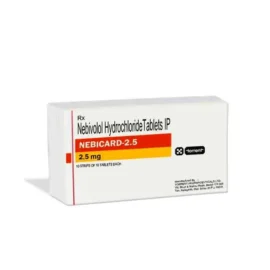

| Ισχύς | 3,125 mg, 6,25 mg, 12,5 mg, 25 mg |
|---|---|
| Ποσότητα | 30 Δισκία, 60 Δισκία, 90 Δισκία |
| Φαρμακευτική Μορφή | Δισκία |
| Κατασκευαστής | Sun Pharma |
| Θεραπεία | Υψηλή αρτηριακή πίεση, Καρδιακή ανεπάρκεια, Θωρακική πόνος (Στηθάγχη) |
| Γενόσημη μάρκα | Carvedilol |
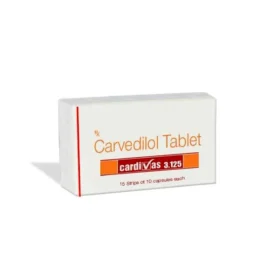 Cardivas
Ερωτήσεις & Απαντήσεις
Cardivas
Σχετικά προϊόντα




Κριτικές
Δεν υπάρχουν ακόμη κριτικές