







Fml Σταγόνες για τα Μάτια
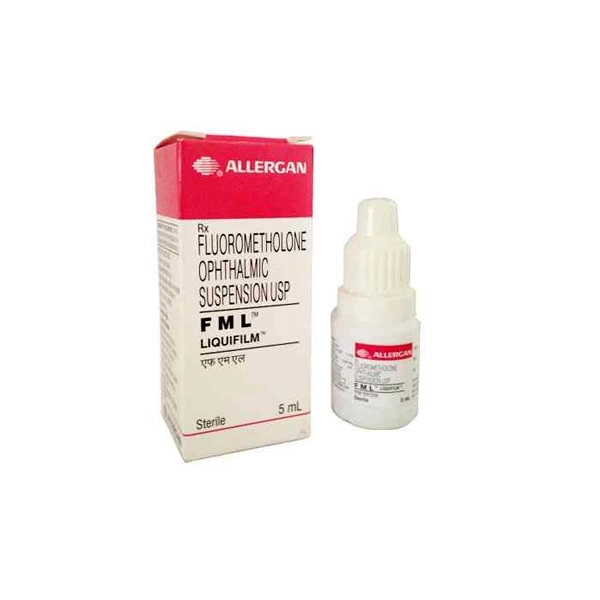
FML (φλουορομεθαλον 0.1%) — κορτικοστεροειδές χαμηλής δράσης για αλλεργική κοντζονκτιβίτιδα και ήπια μετεγχειρητική φλεγμονή. Μικρότερος κίνδυνος αύξησης ενδοφθάλμιου πιέσεως σε σύγκριση με οξικό πρεδνιζολόνη.
✓ Ιατρικά ελεγμένο από Morgan Ellis — Ερευνητής Φαρμακευτικής · 8 χρόνια εμπειρία · Τελευταία αναθεώρηση: Μάιος 2026
⚡ Γρήγορη Απάντηση — Τι είναι το FML Eye Drop;
Το FML Eye Drop είναι Φθορομεθολονόνη 0.1%, ένα κορτικοστεροειδές χαμηλής δράσης για οφθαλμικές φλεγμονές — ουαΐτιδα, μεταχειρουργική φλεγμονή, αλλεργική κονοjunctivitis και επιδείνωση ξηροφθαλμίας. Χρησιμοποιείται 2–8 φορές ημερησίως ανάλογα με τη σοβαρότητα. Παρακολούθηση της ενδοφθάλμιας πίεσης εάν χρησιμοποιηθεί για > 2 εβδομάδες.
📦 Κάθε παραγγελία καλύπτεται από την Πολιτική Εγγύησης Επαναποστολής — εάν το δέμα σας δεν φτάσει εντός 20 εργάσιμων ημερών, το επαναποστέλλουμε.
Γιατί να παραγγείλετε από τη MedsBase
Το FML Eye Drop προέρχεται από έναν κατασκευαστή πιστοποιημένο από τη WHO-GMP και αποστέλλεται παγκοσμίως σε απλή, διακριτική συσκευασία. Κάθε παραγγελία καλύπτεται από την Πολιτική Εγγύησης Επαναποστολής — εάν δεν έχει φτάσει μετά από 20 εργάσιμες ημέρες, το ξαναστέλνουμε χωρίς επιπλέον κόστος. Υποστηρίζεται από πάνω από 1,400 επαληθευμένες κριτικές πελατών.
Τι είναι το FML Eye Drop;
Το FML Eye Drop κατασκευάζεται από την Allergan και περιέχει Φθορομεθολονόνη 0.1% ως στείρη οφθαλμική διάλυση ή αιώρηση. Η Φθορομεθολονόνη είναι ένα στεροειδές χαμηλής δράσης με μειωμένο κίνδυνο ενδοφθάλμιας πίεσης — το προτιμώμενο στεροειδές για χρόνια ήπια-μέτρια φλεγμονή όπως αλλεργία και επιδείνωση ξηροφθαλμίας.
Πώς Λειτουργεί
Η Φθορομεθολονόνη συνδέεται με ενδοκυτταρικούς γλυκοκορτικοειδείς υποδοχείς, καταστέλλοντας τη μεταγραφή των προ-φλεγμονωδών κυτοκινών, χημειοκινών και μορίων προσκόλλησης λευκοκυττάρων. Το αποτέλεσμα είναι μειωμένη ερυθρότητα, οίδημα, πόνος και διήθηση ανοσοποιητικών κυττάρων.
Ενδείξεις
- Προσθια ουαΐτιδα (ιρίτιδα, ιριδοκυκλίτιδα)
- Μεταχειρουργική φλεγμονή μετά από χειρουργείο καταρράκτη, γλαυκώματος, κερατοειδούς ή διαθλαστικής χειρουργικής
- Σοβαρή αλλεργική κονοjunctivitis — όταν τα αντιισταμινικά και οι σταθεροποιητές μαστοκυττάρων είναι ανεπαρκή
- Ανοιξιάτικη κερατοκογκτιβίτιδα
- Επιδείνωση ξηροφθαλμίας — σύντομη δόση στεροειδούς χαμηλής δράσης παράλληλα με την έναρξη κυκλοσπορίνης
- Επισκληρίτιδα, σκληρίτιδα (specialist setting)
- Απόρριψη κερατοειδούς μοσχεύματος (specialist)
Χορήγηση
Εξαρτάται σε μεγάλο βαθμό από την ένδειξη και τη βαρύτητα. Τυπικές δοσολογίες:
- Σοβαρή ουαΐτιδα: 1–2 σταγόνες κάθε 1–2 ώρες κατά τη διάρκεια της ημέρας, με σταδιακή μείωση επί εβδομάδες
- Μετά την καταράκτωση: QID για 1 εβδομάδα, TID εβδομάδα 2, BID εβδομάδα 3, OD εβδομάδα 4
- Αλλεργική έξαρση / ξηροφθαλμική έξαρση: 4 φορές ημερησίως για 2–4 εβδομάδες
Πάντα ακολουθήστε το συγκεκριμένο πρόγραμμα μείωσης δόσης που σας έχει ορίσει ο οφθαλμίατρος. Η απότομη διακοπή μετά από παρατεταμένη χρήση μπορεί να προκαλέσει υποτροπή φλεγμονής.
Παρενέργειες
Τοπικά: τσούξιμο κατά την εγκατάσταση, θολή όραση (ειδικά με αιωρήματα — ανακατέψτε καλά), αυξημένη ενδοφθάλμια πίεση (στερειδική αντίδραση), υποθαλαμική καταρράκτη με χρόνια χρήση, δευτερογενής οφθαλμική λοίμωξη (βακτηριακή, ιογενής, μυκητιακή), καθυστερημένη επούλωση τραυμάτων, μυδρίαση, πτώση (σπάνια).
Συστημικές (σπάνιες με τοπική χρήση): Κουσινγκοειδή χαρακτηριστικά, καταστολή άξονα HPA — εξαιρετικά σπάνια από μόνο τα οφθαλμικές σταγόνες.
Ειδοποιήσεις & Αντενδείξεις
- Ενεργή κερατίτιδα από ιό απλού έρπητα — απόλυτη αντίθεση
- Ενεργή μυκητιακή κερατίτιδα — απόλυτη αντίθεση
- Ευλογιά, ανεμοβλογιά, μυκοβακτηριακή κερατίτιδα — απόλυτη αντίθεση
- Μη θεραπευμένη βακτηριακή λοίμωξη (χωρίς αντιβιοτική κάλυψη) — σχετικό
- Ιστορικό γλαυκώματος — υψηλός κίνδυνος IOP· προτιμήστε λοτεπρεδνόλη
- Παιδιά — στενή παρακολούθηση· υψηλότερος κίνδυνος καταρράκτη
- Εγκυμοσύνη/θηλασμός — συζήτηση· ελάχιστη τοπική απορρόφηση
- Χρήστες φακών επαφής — αφαίρεση κατά τη θεραπεία
Αποθήκευση
Αποθήκευση στους 15–25°C προστατευμένο από το φως. Ανακινήστε καλά πριν από κάθε χρήση εάν αναγράφεται ως εναιώρημα. Απόρριψη 28 ημέρες μετά την πρώτη άνοιξη.
Συχνές Ερωτήσεις
Πότε είναι το FML Eye Drop η σωστή επιλογή;
Όταν χρειάζεται έλεγχος ήπιας-μέτριας φλεγμονής με χαμηλότερο κίνδυνο IOP — χρόνια αλλεργική κογκτιβίτιδα, ήπια μεταχειρουργική φλεγμονή, εμφανίσεις ξηροφθαλμίας.
Τι είναι η στεροειδής απόκριση;
Γενετική προδιάθεση για ανάπτυξη αυξημένου IOP με τοπικά στεροειδή. Περίπου 1/3 του πληθυσμού. Εκδήλωση συνήθως μετά από 2+ εβδομάδες. Ελέγξτε το IOP εάν χρησιμοποιείτε οποιοδήποτε τοπικό στεροειδές για περισσότερο από 2 εβδομάδες.
Πόσο καιρό μπορώ να χρησιμοποιώ το FML Eye Drop;
Οξείες θεραπείες: 2–4 εβδομάδες με σταδιακή μείωση. Χρόνια χρήση απαιτεί παρακολούθηση από οφθαλμολόγο με τακτικούς ελέγχους IOP και φακού. Η λοτεπρεδνόλη προτιμάται για οποιαδήποτε θεραπεία πέραν των 4 εβδομάδων.
Γιατί πρέπει να αποφύγω το FML Eye Drop στην έρπητα;
Η κερατίτιδα από ιό έρπητα μπορεί να καταστρέψει τον κερατοειδή όταν προστίθενται στεροειδή χωρίς αντιιική κάλυψη. Το δενδριτικό έλκος μπορεί να εξελιχθεί σε γεωγραφικό έλκος, στρωματική νόσο ή ενδοθηλιακή κερατίτιδα — οδηγώντας σε μόνιμη απώλεια όρασης. Πάντα επιβεβαιώστε την αιτία πριν ξεκινήσετε.
Μπορεί το FML Eye Drop να προκαλέσει καταρράκτη;
Ναι — η χρόνια χρήση προκαλεί οπίσθια υποθυλακική καταρράκτη, ειδικά σε παιδιά και μετά από μήνες έως χρόνια συνεχούς θεραπείας. Περιορίστε τη διάρκεια· μεταβείτε σε λοτεπρεδνόλη ή ΜΣΑΦ όπου είναι δυνατόν.
Είναι το FML Eye Drop ασφαλές κατά την εγκυμοσύνη;
Η τοπική απορρόφηση είναι ελάχιστη. Γενικά αποδεκτό όταν υπάρχει σαφής ένδειξη. Συζητήστε με τον ιατρό σας.
Τι γίνεται με τους φακούς επαφής;
Διακόψτε τη χρήση φακών κατά τη διάρκεια της θεραπείας — τα συντηρητικά και η ανοσοκαταστολή από τα στεροειδή αυξάνουν τον κίνδυνο μικροβιακής κερατίτιδας.
Τι γίνεται αν η όρασή μου χειροτερεύσει κατά τη θεραπεία;
Άμεση οφθαλμολογική εξέταση. Πιθανότητες: μη διαγνωσμένη ερπητική νόσος, μυκητιασική λοίμωξη, αύξηση της ενδοφθάλμιας πίεσης από στεροειδή ή επιπλοκή της κερατοειδούς.
Ποια είναι η διαφορά μεταξύ πρεδνιζολόνης, φθορομεθολόνης και λοτεπρεδνόλης;
Πρεδνιζολόνη οξικό: ισχυρότερη, μεγαλύτερος κίνδυνος ενδοφθάλμιας πίεσης. Φθορομεθολόνη: μέσης ισχύος, μικρότερος κίνδυνος ενδοφθάλμιας πίεσης. Λοτεπρεδνόλη: ‘μαλακό’ στεροειδές που μεταβολίζεται γρήγορα στο μάτι, ελάχιστος κίνδυνος ενδοφθάλμιας πίεσης — προτιμάται για χρόνια χρήση. Όλα απαιτούν παρακολούθηση μετά τις 2 εβδομάδες.
Μπορώ να διακόψω το FML Eye Drop απότομα;
Όχι — η απότομη διακοπή μπορεί να προκαλέσει ανάκαμψη της φλεγμονής. Ακολουθήστε πάντα το συνταγοποιημένο πρόγραμμα σταδιακής μείωσης.
Άλλα Φάρμακα για τη Φροντίδα των Ματιών
Οι πελάτες που βλέπουν αυτό το προϊόν εξετάζουν επίσης αυτές τις εναλλακτικές λύσεις στην Φροντίδα Ματιών ποικιλία μας:
- Pred Forte (πρεδνιζολόνη οξικό)
- FML Eye Drop (φθορομεθολόνη)
- Lotepred Eye Drop (λοτεπρεδνόλη)
- Acular LS (κετορολάκη)
- Megabrom (bromfenac)
Ιατρική Αποποίηση Ευθύνης
Οι πληροφορίες σε αυτή τη σελίδα προορίζονται μόνο για εκπαιδευτικούς σκοπούς και δεν αποτελούν υποκατάστατο ιατρικής συμβουλής από έναν προσόντα οφθαλμίατρο ή οπτομετρία. Οι παθήσεις των ματιών μπορούν να απειλήσουν γρήγορα την όραση — η ξαφνική απώλεια όρασης, ο σοβαρός πόνος ή το τραύμα αποτελούν οφθαλμολογική έκτακτη ανάγκη. Συμβουλευτείτε πάντα έναν επαγγελματία φροντίδας των ματιών πριν ξεκινήσετε, διακόψετε ή αλλάξετε οποιαδήποτε θεραπεία.
Περισσότερες επιλογές στη Φροντίδα Ματιών
Ταξινομημένα σύμφωνα με τον όγκο παραγγελιών στο MedsBase — τι επιλέγουν άλλοι πελάτες σε αυτήν την κατηγορία.
| Ισχύς | 0.1% (5 ml ) |
|---|---|
| Ποσότητα | 1 Μπουκάλι/α, 3 Μπουκάλια, 6 Μπουκάλια |
| Φαρμακευτική Μορφή | Τα σταγονίδια ματιού |
| Κατασκευαστής | Allergan |
| Θεραπεία | Φλεγμονή του οφθαλμού |
| Γενόσημη μάρκα | Fluorometholone |
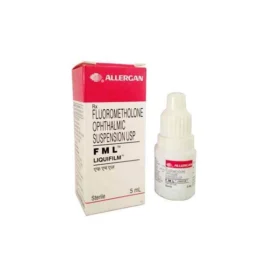 Fml Σταγόνες για τα Μάτια
Ερωτήσεις & Απαντήσεις
Fml Σταγόνες για τα Μάτια
Σχετικά προϊόντα




Κριτικές
Δεν υπάρχουν ακόμη κριτικές