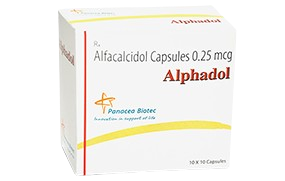
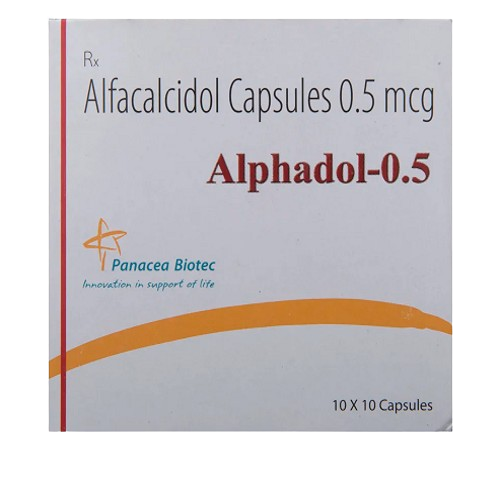
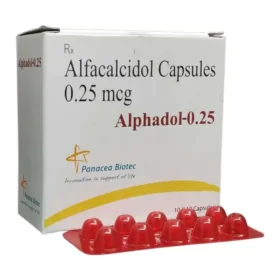
Alphadol
✅ Ενισχύει την απορρόφηση του ασβεστίου
✅ Θεραπεύει την έλλειψη βιταμίνης D
✅ Ενισχύει τα οστά
✅ Υποστηρίζει την υγεία των δοντιών
✅ Βελτιώνει τη λειτουργία των μυών
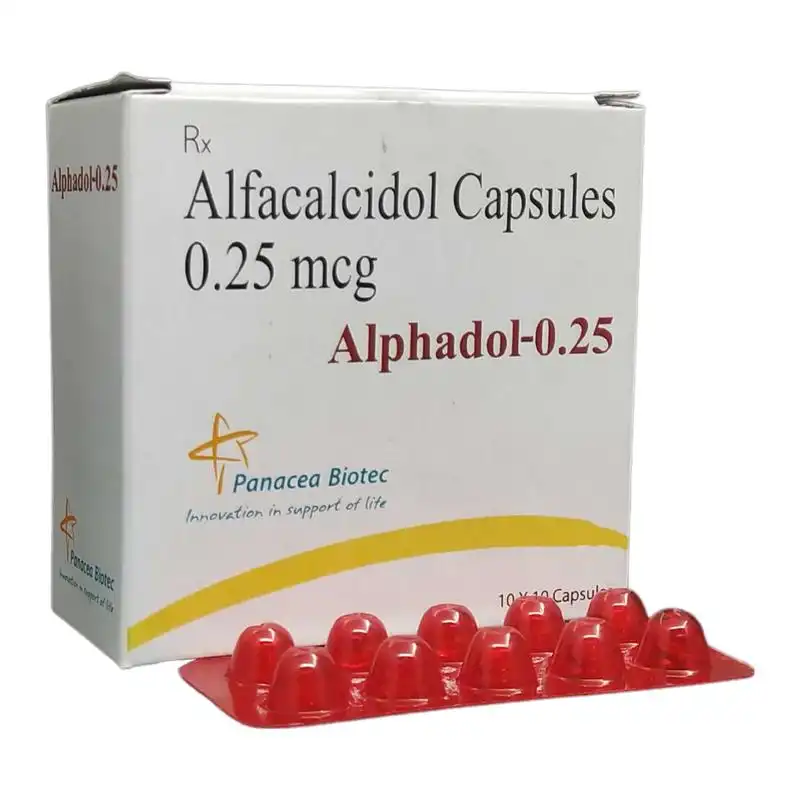
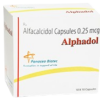
Το Alphadol περιέχει Alfacalcidol.
✓ Ιατρικά ελεγμένο από Morgan Ellis — Ερευνητής Φαρμακευτικής · 8 χρόνια εμπειρία · Τελευταία αναθεώρηση: Μάιος 2026
Γρήγορη απάντηση
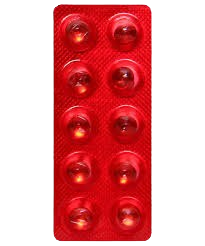
Alphadol (alfacalcidol 0.25 / 1 mcg μαλακή ζελατινώδης κάψουλα) είναι alfacalcidol — ένα προ-ενεργοποιημένο ανάλογο βιταμίνης D που χρησιμοποιείται σε χρόνια νεφρική νόσο, υποπαραθυρεοειδισμό και νεφρική οστεοδυστροφία όπου το νεφρό δεν μπορεί να πραγματοποιήσει 1-α-υδροξυλίωση της χοληκαλσιφερόλης.
- Alfacalcidol — παρακάμπτει το βήμα της νεφρικής ενεργοποίησης που αποτυγχάνει σε CKD
- Μαλακή ζελατινώδης κάψουλα, τυπική δόση 0.25–1 mcg/ημέρα
- Ειδικευμένη παρακολούθηση σε CKD, υποπαραθυρεοειδισμό, ραχίτιδα ανθεκτική στη βιταμίνη D
- πιστοποιημένο από τη WHO-GMP κατασκευαστή
📦 Κάθε παραγγελία καλύπτεται από την Πολιτική Εγγύησης Επαναποστολής — εάν το δέμα σας δεν φτάσει εντός 20 εργάσιμων ημερών, το επαναποστέλλουμε.
Κάθε παραγγελία καλύπτεται από την Πολιτική Εγγύησης Επαναποστολής.
Γιατί να παραγγείλετε από τη MedsBase
Το Alphadol προέρχεται από έναν κατασκευαστή πιστοποιημένο από τον WHO-GMP. Κάθε παραγγελία αποστέλλεται σε διακριτική, ασήμαντη συσκευασία παγκοσμίως και καλύπτεται από την Πολιτική Εγγύησης Επαναποστολής μας. Πληρώστε ασφαλώς με πιστωτική κάρτα, τραπεζική μεταφορά SEPA ή κρυπτονομίσματα. Δείτε το 1,400+ επαληθευμένες κριτικές πελατών.
Τι είναι το Alphadol;
Το Alphadol είναι alfacalcidol (1-α-υδροξυχοληκαλσιφερόλη) — ένα συνθετικό ανάλογο βιταμίνης D που είναι ήδη 1-α-υδροξυλιωμένο. Μετά την απορρόφηση απαιτεί μόνο ένα βήμα υδροξυλίωσης στο ήπαρ για να γίνει 1,25-διυδροξυβιταμίνη D (καλσιτριόλη), τη βιολογικά ενεργή μορφή. Αυτό παρακάμπτει το βήμα της νεφρικής 1-α-υδροξυλίωσης που αποτυγχάνει στη χρόνια νεφρική νόσο.
Πότε το alfacalcidol είναι η σωστή επιλογή
Για όλους με ακέραια νεφρική λειτουργία, προτιμάται η απλή χοληκαλσιφερόλη (βιταμίνη D3) — είναι φθηνότερη, έχει πολύ ευρύτερο περιθώριο ασφαλείας και το σώμα ρυθμίζει την ενεργοποίησή της αυστηρά. Το alfacalcidol διατηρείται για ασθενείς στους οποίους το νεφρό δεν μπορεί να ολοκληρώσει την 1-α-υδροξυλίωση:
- Χρόνια νεφρική νόσος (CKD) σταδια 4–5 με δευτερογενή υπερπαραθυρεοειδισμό
- Νεφρική οστεοδυστροφία σχετιζόμενη με αιμοκάθαρση
- Υποπαραθυρεοειδισμός (μεταθυρεοειδεκτομή, αυτοάνοσος)
- Ψευδουποπαραθυρεοειδισμός
- Ραχίτιδα ανθεκτική στη βιταμίνη D (Χ-συνδεόμενη υποφωσφαταιμική ραχίτιδα, βιταμίνη D-εξαρτώμενη ραχίτιδα τύπου 1)
- Σοβαρή ηπατική νόσος με μειωμένη 25-υδροξυλίωση (περιστασιακά)
| Ενδείξεις | Αρχική δόση | Τιτλοδότηση | Παρακολούθηση |
|---|---|---|---|
| ΧΑΝ στάδιο 4–5 (προ-αιμοκάθαρση) | 0,25 mcg ημερησίως | Τιτλοδότηση σε στόχο PTH κατά 0,25 mcg κάθε 4–8 εβδομάδες | Ασβέστιο, φώσφορος, PTH κάθε 4–8 εβδομάδες κατά τη διάρκεια της τιτλοδότησης· στη συνέχεια τριμηνιαία |
| Αιμοκάθαρση (νεφρική οστεοδυστροφία) | 0,25–0,5 mcg τις ημέρες αιμοκάθαρσης | Τιτλοδότηση σε PTH | Όπως παραπάνω |
| Υποπαραθυρεοειδισμός | 1–3 mcg ημερησίως | Τιτλοδότηση σε διορθωμένο ασβέστιο 8–9 mg/dl (χαμηλό-φυσιολογικό) | Εβδομαδιαία κατά τη διάρκεια της τιτλοποίησης· έπειτα μηνιαία |
| Ραχίτιδα ανθεκτική στη βιταμίνη D | 0,5–3 mcg ημερησίως (παιδιατρικός ειδικός) | Τιτλοδότηση από ειδικό | Τιτλοδότηση από ειδικό |
| Σοβαρό ελάττωμα 25-υδροξυλίωσης στο ήπαρ | 0,5–1 mcg ημερησίως | Προσαρμογή δόσης σύμφωνα με την κλινική απόκριση | Ως ΧΝΠ |
Επειδή το αλφακαλσιδιόλη παρακάμπτει το ρυθμιζόμενο βήμα ενεργοποίησης στα νεφρά, ο οργανισμός δεν μπορεί να τη ρυθμίσει προς τα κάτω — η υπερκαλσιναιμία είναι η πιο συχνή παρενέργεια σε υπερθεραπευτικές δόσεις. Τα συμπτώματα (ανορεξία, ναυτία, πολυουρία, σύγχυση, ΟΝΕ) μπορεί εύκολα να παραβλεφθούν σε ασθενείς με ΧΝΠ που ήδη αισθάνονται άσχημα. Ελέγξτε το ορικό ασβέστιο και φωσφορικά εβδομαδιαίως κατά τη διάρκεια της προσαρμογής δόσης και τριμηνιαίως σε σταθερή δόση. Διακόψτε και επαναλάβετε τον έλεγχο εάν το ασβέστιο > 10,5 mg/dl (2,6 mmol/l).
Παρενέργειες
- Υπερκαλσιναιμία — η κύρια δοσο-περιοριστική παρενέργεια
- Υπερφωσφαταιμία — συχνή σε ΧΝΠ· συνδυάζεται με φωσφορικό δεσμευτή
- Αποθήκευση ασβεστίου σε μαλακούς ιστούς σε παρατεταμένα υψηλό γινόμενο ασβεστίου-φωσφόρου
- Κνησμός, ναυτία, κεφαλαλγία — συνήθως σχετίζεται με τη δόση
Αλληλεπιδράσεις φαρμάκων
- Θειαζιδικά διουρητικά — ενίσχυση της υπερκαλσιναιμίας
- Φωσφορικοί δεσμευτές που περιέχουν ασβέστιο — πρόσθετος κίνδυνος υπερκαλσιναιμίας· οι μη ασβεστούχοι δεσμευτές (σεβελαμέρη, λανθάνιο) συχνά προτιμώνται όταν η δόση αλφακαλσιδόλης είναι υψηλή
- Αντιόξινα που περιέχουν μαγνήσιο — κίνδυνος υπερμαγνησιαιμίας σε χρόνια νεφρική νόσο
- Ντιγκοξίνη — η υπερκαλσιναιμία ενισχύει την τοξικότητα
- Χοληστυραμίνη — μειώνει την απορρόφηση· χωρίστε τη λήψη κατά 4 ώρες
Αντενδείξεις
- Υπερκαλσιναιμία από οποιαδήποτε αιτία
- Υπερβιταμίνωση D
- Ενεργή μεταστατική ασβεστοποίηση
- Υπερφωσφαταιμία που δεν έχει ελεγχθεί ακόμη με φωσφορικό δεσμευτή (σχετικός)
Αποθήκευση
Αποθηκεύστε σε θερμοκρασία κάτω από 25°C στην αρχική συσκευασία, προστατεύοντας από το φως.
Συχνές Ερωτήσεις
Πρέπει να χρησιμοποιήσω Alphadol ή Calcirol;
Για φυσιολογική λειτουργία των νεφρών, χρησιμοποιήστε το Calcirol (χοληκαλσιφερόλη) — είναι ασφαλέστερο, φθηνότερο και ο οργανισμός ρυθμίζει την ενεργοποίησή του. Η αλφακαλσιδιόλη (Alphadol) προορίζεται για ασθενείς των οποίων τα νεφρά δεν μπορούν να εκτελέσουν 1-α-υδροξυλίωση: CKD σταδια 4–5, διαλυτική αγωγή, υποπαραθυρεοειδισμό, ψευδουποπαραθυρεοειδισμό και ορισμένες μορφές ραχίτιδας.
Πώς διαφέρει η αλφακαλσιδιόλη από την καλσιτριόλη;
Η καλσιτριόλη είναι πλήρως ενεργή 1,25-διυδροξυβιταμίνη D — δεν απαιτεί περαιτέρω ενεργοποίηση. Η αλφακαλσιδιόλη είναι 1-α-υδροξυβιταμίνη D — απαιτεί μόνο ηπατική 25-υδροξυλίωση, η οποία διατηρείται στο CKD. Η διαφορά είναι κυρίως στο κόστος και στα διαστήματα δοσολογίας· κλινικά είναι παρόμοιες σε ισοδύναμες δόσεις (αλφακαλσιδιόλη ∼ 1,5× δόση καλσιτριόλης).
Πόσο γρήγορα δρα;
Η έναρξη της δράσης είναι σε ώρες· πλήρης επίδραση σε 1–2 εβδομάδες. Ο χρόνος ημιζωής είναι σύντομος (~5–8 ώρες), επομένως οι αλλαγές στη δόση εμφανίζονται γρήγορα — το ασβέστιο μπορεί να ομαλοποιηθεί (ή να αυξηθεί σε υπερκαλσιαιμία) μέσα σε ημέρες.
Γιατί να παρακολουθούμε το ασβέστιο τόσο συχνά;
Επειδή η αλφακαλσιδιόλη παρακάμπτει το ρυθμιζόμενο νεφρικό βήμα, η υπερκαλσιαιμία είναι εύκολο να προκληθεί, ειδικά με ταυτόχρονη χρήση δεσμευτών φωσφάτου που περιέχουν ασβέστιο. Η εβδομαδιαία μέτρηση του ασβεστίου κατά τη διόρθωση της δόσης είναι ο ασφαλέστερος τρόπος για να βρεθεί η δόση που ελέγχει την PTH χωρίς να αυξάνει το ασβέστιο.
Μπορώ να σταματήσω το συμπλήρωμα ασβεστίου μου;
Συζητήστε με τον νεφρολόγο σας. Σε ασθενείς υπό διαλυτική αγωγή που λαμβάνουν αλφακαλσιδιόλη, οι δέσμευτες φωσφάτου που περιέχουν ασβέστιο συχνά αντικαθίστανται με μη-ασβεστούχους δεσμευτές (σεβελαμέρη, λανθάνιο) για να αποφευχθεί η πρόσθετη υπερκαλσιαιμία.
Θα χρειαστώ ακόμη χοληκαλσιφερόλη (βιταμίνη D3);
Μερικές φορές ναι — η θρεπτική κατάσταση της βιταμίνης D (25-OH-D) είναι ξεχωριστή από τη δραστηριότητα της καλσιτριόλης. Πολλές οδηγίες συνιστούν να διατηρείται η 25-OH-D > 30 ng/ml ακόμα και σε ασθενείς με χρόνια νεφρική νόσο που λαμβάνουν αλφακαλσιδόλη, λόγω των μη-σκελετικών ρόλων της βιταμίνης D. Ο νεφρολόγος σας θα αποφασίσει.
Είναι η αλφακαλσιδόλη ασφαλής κατά την εγκυμοσύνη;
Χρησιμοποιείται κατά την εγκυμοσύνη όταν απαιτείται για υποπαραθυρεοειδισμό ή σοβαρή χρόνια νεφρική νόσο υπό ειδικευμένη καθοδήγηση. Οι απαιτήσεις σε βιταμίνη D αυξάνονται κατά την εγκυμοσύνη και η αλυσίδα υποστρώματος-προϊόντος εξακολουθεί να λειτουργεί· οι δόσεις συχνά χρειάζονται προσαρμογή.
Πώς αλληλεπιδρά με τα διφωσφονικά;
Συμβατά. Στον δευτερογενή υπερπαραθυρεοειδισμό λόγω χρόνιας νεφρικής νόσου, η αλφακαλσιδόλη ελέγχει την PTH ενώ το διφωσφονικό (όταν η νεφρική λειτουργία το επιτρέπει) προστατεύει τα οστά. Παρακολουθήστε για υποκαλσιαιμία μετά τη χορήγηση διφωσφονικού· η αλφακαλσιδόλη βοηθά στην πρόληψη αυτού.
Μπορώ να το πάρω μόνο τις ημέρες αιμοκάθαρσης;
Ναι — ορισμένες πρωτόκολλο αιμοκάθαρσης χρησιμοποιούν διαλείπουσα δόση τρεις φορές την εβδομάδα τις ημέρες αιμοκάθαρσης (π.χ. 0,25–0,5 mcg τρεις φορές την εβδομάδα) αντί για καθημερινή. Και οι δύο μέθοδοι λειτουργούν· η επιλογή εξαρτάται από την απόκριση της PTH και του ασβεστίου.
Τι γίνεται αν χάσω μια δόση;
Πάρτε το όταν το θυμάστε αν είναι την ίδια ημέρα. Παραλείψτε αν είναι την επόμενη ημέρα — μην διπλασιάσετε τη δόση. Ο μικρός χρόνος ημιζωής σημαίνει ότι οι χαμένες δόσεις δεν προκαλούν δραματικές διακυμάνσεις, αλλά η συνεπής χορήγηση βελτιώνει τον έλεγχο της PTH.
Άλλες Βιταμίνες & Ανόργανα
- Calcirol — χοληκαλσιφερόλη 60,000 IU σακέτα
- Arachitol 6L Injection — χολεκαλσιφερόλη 6,00,000 IU IM depot
- Alphadol — αλφακαλσιδιόλη για έλλειψη σχετιζόμενη με ΧΑΝ
- Cipcal — ανθρακικό ασβέστιο + βιταμίνη D
- Topcal M — ασβέστιο + μαγνήσιο + βιταμίνη D
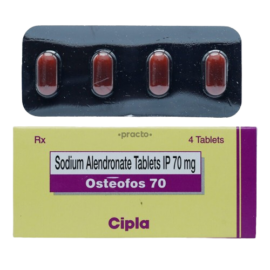
- Osteofos — αλενδρονικό οξύ για οστεοπόρωση
Ιατρική Αποποίηση Ευθύνης
Περισσότερες επιλογές σε Βιταμίνες και Μέταλλα
Ταξινομημένα σύμφωνα με τον όγκο παραγγελιών στο MedsBase — τι επιλέγουν άλλοι πελάτες σε αυτήν την κατηγορία.
| Ισχύς | 0.25 mg |
|---|---|
| Ποσότητα | 30 Καψάκια, 60 Καψάκια, 90 Καψάκια, 180 Καψάκια |
Ερωτήσεις & Απαντήσεις
 Alphadol
Σχετικά προϊόντα