







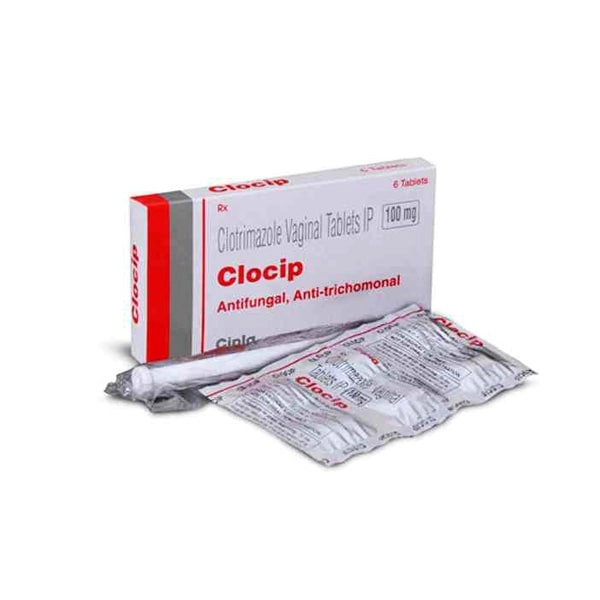
Clocip
✅ Θεραπεύει διάφορες μυκητιασικές λοιμώξεις.
✅ Γρήγορη ανακούφιση από τη δυσφορία.
✅ Καλά ανεκτό και ευέλικτο.
Το Clocip περιέχει Clotrimazole
✓ Ιατρικά ελεγμένο από Morgan Ellis — Ερευνητής Φαρμακευτικής · 8 χρόνια εμπειρία · Τελευταία αναθεώρηση: Μάιος 2026
💡 Γρήγορη Απάντηση
Το Clocip είναι κρέμα κλοτριμαζόλης 1% w/w — ένα ευρέος φάσματος ιμιδαζολικό αντιμυκητιασικό για τοπική χρήση. Ενεργό κατά των δερματοφύτων (αθλητικό πόδι / βουβωνική κνήμη / κύκλωμα), Candida (δερματική καντιντίαση, διατριτική, βαλανίτιδα, κολπική καντιντίαση) και Malassezia (ποικιλόχρωμος λειχήνας). Εφαρμόζεται 2–3 φορές ημερησίως για 2–4 εβδομάδες. Ελάχιστη συστημική απορρόφηση — ασφαλές στην εγκυμοσύνη και κατά τον θηλασμό (προτιμώμενο τοπικό αντιμυκητιασικό στην εγκυμοσύνη). Οικονομικό, καλά ανεκτό, διαθέσιμο χωρίς συνταγή στις περισσότερες χώρες.
WHO-GMP
πιστοποιημένος κατασκευαστής
📦 Κάθε παραγγελία καλύπτεται από την Πολιτική Εγγύησης Επαναποστολής — εάν το δέμα σας δεν φτάσει εντός 20 εργάσιμων ημερών, το επαναποστέλλουμε.
Γιατί να παραγγείλετε από τη MedsBase
Τα γενόσημα φάρμακά μας προέρχονται από κατασκευαστές που πιστοποιούνται από την WHO-GMP και αποστέλλονται παγκοσμίως σε διακριτική, απλή συσκευασία — χωρίς όνομα φαρμάκου στο εξωτερικό του δέματος. Οι πληρωμές με κάρτα δρομολογούνται μέσω ρυθμισμένου επεξεργαστή (οι περιγραφές εκκαθάρισης περιλαμβάνουν ρυθμισμένο επεξεργαστή πληρωμών με κάρτα — ποτέ “MedsBase” ή οποιοδήποτε όνομα φαρμάκου). Γίνονται δεκτές και πληρωμές με κρυπτονομίσματα και τραπεζική μεταφορά SEPA. Κάθε παραγγελία καλύπτεται από την Πολιτική Επαναποστολής Εξασφαλίσεώς μας.
Διακριτική συσκευασία
απλό φάκελο
Παγκόσμια αποστολή
στις περισσότερες χώρες
🔒 Γιατί να παραγγείλετε το Clocip από τη MedsBase
- πιστοποιημένο από τη WHO-GMP κατασκευαστή — προέρχεται από ρυθμιζόμενη εγκατάσταση, ολοκληρωμένη συσκευασία με αριθμό παρτίδας και ημερομηνία λήξης.
- Διακριτική συσκευασία — απλό φάκελο, χωρίς όνομα φαρμάκου στο εξωτερικό.
- Παγκόσμια αποστολή στις περισσότερες χώρες με Reshipment Assurance.
- Πόντοι αφοσίωσης — 1 πόντος ανά $1 που ξοδεύετε (εξαιρούνται τα πεπτίδια/αποστολή)· 100 πόντους = $5 έκπτωση στην επόμενη παραγγελία σας.
Χρήσεις
Το Clocip (κρέμα κλοτριμαζόλης 1% w/w, Cipla) είναι ένα ευρέος φάσματος τοπικό αντιμυκητιασικό. Καλύπτει όλους τους κοινούς δερματικούς και βλεννογόνους μύκητες: δερματοφύτες (Trichophyton, Epidermophyton, Microsporum), ζύμες (Candida albicans και τα περισσότερα μη albicans είδη) και Malassezia (η αιτία του ποικιλόχρωμου λειχήνα και της σεβοροϊκής δερματίτιδας).
| Ενδείξεις | Τρόπος χρήσης |
|---|---|
| Αθλητικό πόδι (tinea pedis) | Εφαρμόστε σε καθαρό, ξηρό δέρμα ανάμεσα στα δάχτυλα και στις πατούμες, δύο φορές ημερησίως × 2–4 εβδομάδες· συνεχίστε για 1 εβδομάδα μετά την εξαφάνιση των συμπτωμάτων |
| Βουβωνική κνήμη (tinea cruris) | Δύο φορές ημερησίως × 2 εβδομάδες |
| Κύκλωμα (tinea corporis) | Δύο φορές ημερησίως × 2–4 εβδομάδες· καλύψτε την άκρη της βλάβης + 2 cm υγιούς δέρματος |
| Δερματική καντιντίαση (intertrigo, δερματίτιδα από πάνες με Candida) | 2–3 φορές ημερησίως × 1–2 εβδομάδες |
| Πιτυρίαση ερυθροπεταλία | Διπλή δόση ημερησίως × 2–3 εβδομάδες |
| Βαλανίτιδα (Candida) | Διπλή δόση ημερησίως × 1–2 εβδομάδες |
| Καντιντίαση της αιδοιόδης (εξωτερικός κνησμός) | 2–3 φορές ημερησίως × 1 εβδομάδα (σε συνδυασμό με ενδοκολπικό πησάριο ή από του στόματος φλουκοναζόλη για πλήρη θεραπεία) |
Πώς να κάνετε αίτηση
- Πλύνετε και στεγνώστε καλά το προσβεβλημένο δέρμα — οι μύκητες αναπτύσσονται σε υγρασία, οπότε το στέγνωμα είναι το μισό της θεραπείας.
- Εφαρμόστε ένα λεπτό στρώμα κρέμας και τρίψτε απαλά. Καλύψτε το ορατό έκμα και 1–2 cm από το φαινομενικά υγιές περιβάλλον δέρμα.
- Πλύνετε τα χέρια μετά την εφαρμογή (εκτός αν θεραπεύετε τα χέρια).
- Συνεχίστε τη θεραπεία για τουλάχιστον 1 εβδομάδα μετά την εξαφάνιση των συμπτωμάτων — η πρόωρη διακοπή είναι η πιο συχνή αιτία υποτροπής.
- Εάν δεν υπάρχει βελτίωση μετά από 2 εβδομάδες σωστής χρήσης, επανεκτιμήστε τη διάγνωση (μπορεί να είναι έκζεμα, ψωρίαση, επαφής δερματίτιδα ή ανθεκτικός οργανισμός).
Πώς λειτουργεί
Η κλοτριμαζόλη αναστέλλει τον μυκητιακό CYP51 (λανόστερολη 14-α-απομεθυλάση), αποκλείοντας τη μετατροπή της λανόστερολης σε εργόστερολη — τον κύριο στερόλη των μυκητιακών κυτταρικών μεμβρανών. Η προκύπτουσα μεμβράνη φτωχή σε εργόστερολη γίνεται διαπερατή και το μυκητιακό κύτταρο χάνει την ακεραιότητά του. Η τοπική εφαρμογή παρέχει υψηλές τοπικές συγκεντρώσεις στο δέρμα ενώ η συστημική απορρόφηση παραμένει αμελητέα (< 0,5% από άθικτο δέρμα) — γι' αυτό η τοπική κλοτριμαζόλη είναι ασφαλής στην εγκυμοσύνη.
Παρενέργειες
- Γενικά καλά ανεκτή.
- Συχνές (5–10%): ήπια καύση ή τσούξιμο στο σημείο εφαρμογής, παροδική ερύθημα, ξηρότητα ή ξεφλούδισμα.
- Σπάνια: επαφής δερματίτιδα (αληθινή αλλεργία στην κλοτριμαζόλη ή στο φορέα), κνίδωση.
- Εάν εμφανιστεί έντονη καύση, έκκριση ή επιδείνωση του εξανθήματος, διακόψτε και επανεξετάστε — θα μπορούσε να είναι αλλεργική δερματίτιδα ή λανθασμένη διάγνωση (εκζέμα που παρεξηγήθηκε ως μυκητίαση).
Αλληλεπιδράσεις φαρμάκων
Αμελητέα συστηματική αλληλεπίδραση λόγω ελάχιστης απορρόφησης. Αποφύγετε ταυτόχρονη τοπική χορήγηση κορτικοστεροειδών εκτός εάν συνταγογραφηθεί συγκεκριμένα — τα συνδυαστικά προϊόντα (κλοτριμαζόλη + βεταμεθαζόνη) χρησιμοποιούνται μερικές φορές βραχυπρόθεσμα για φλεγμονώδεις μυκητιασικές λοιμώξεις, αλλά το στεροειδές μπορεί να κρύψει την εμφάνιση της μυκητιασικής λοίμωξης εάν χρησιμοποιηθεί μόνο του, και η παρατεταμένη χρήση προκαλεί ατροφία του δέρματος.
Εγκυμοσύνη & θηλασμός
Η τοπική κλοτριμαζόλη είναι η προτιμώμενη τοπική αντιμυκητιασική αγωγή κατά την εγκυμοσύνη και τον θηλασμό — ελάχιστη συστηματική απορρόφηση, δεκαετίες ασφάλειας δεδομένων. Για την κολπική καντιντίαση στην εγκυμοσύνη, οι κολπικές υποθετικές δισκίες κλοτριμαζόλης είναι πρώτης γραμμής (ασφαλέστερες από την από του στόματος φλουκοναζόλη, η οποία αποφεύγεται στο πρώτο τρίμηνο).
Συχνές Ερωτήσεις
Πόσο γρήγορα θα βελτιωθεί η μυκητίαση των ποδιών μου;
Ο κνησμός συνήθως καταπραΰνεται εντός 3–7 ημερών. Ο ορατός ξεφλούδισμα και η ερυθρότητα βελτιώνονται σε 2 εβδομάδες. Συνεχίστε τη θεραπεία για 1 εβδομάδα μετά την εξαφάνιση των συμπτωμάτων για να αποφύγετε υποτροπή — η πρόωρη διακοπή είναι ο κύριος λόγος που οι μυκητιασικές λοιμώξεις επανεμφανίζονται.
Μπορώ να χρησιμοποιήσω κλοτριμαζόλη στο πρόσωπό μου;
Ναι για μυκητιασική λοίμωξη του δέρματος (π.χ. μυκητίαση προσώπου, ποικιλόχρωμη πιτυρίαση). Αποφύγετε την επαφή με τα μάτια. Πολλές παρουσιάσεις ‘κόκκινου κνησμού προσώπου’ είναι στην πραγματικότητα σμηγματορροϊκή δερματίτιδα ή ροδόχρω, όχι μυκητιασικές — εάν δεν υπάρχει βελτίωση σε 2 εβδομάδες, συμβουλευτείτε κλινικό ιατρό.
Είναι το Clocip το ίδιο με το Canesten;
Ναι — το Canesten είναι η αρχική μάρκα Bayer της κλοτριμαζόλης. Το Clocip περιέχει την ίδια ενεργή ουσία (κλοτριμαζόλη 1%), κατασκευασμένη από την Cipla σύμφωνα με τα πρότυπα WHO-GMP. Βιοισοδύναμο.
Πρέπει να καλύψω την περιοχή με επίδεσμο;
Όχι — αφήστε την περιοχή ανοιχτή στον αέρα. Οι μύκητες ευδοκιμούν σε ζεστά υγρά περιβάλλοντα· οι αποφρακτικοί επίδεσμοι ενισχύουν την ανάπτυξη μυκήτων και μπορούν να προκαλέσουν μακράρωση. Για τη μυκητίαση των διαστημάτων των δακτύλων, κοιμηθείτε με λεπτό γάζο ανάμεσα στους δακτύλους εάν χρειάζεται αλλά μην κλείσετε ερμητικά.
Η δερματίτιδα από πάνα δεν βελτιώνεται — πρέπει να χρησιμοποιήσω κλοτριμαζόλη;
Η επίμονη ευαισθησία της πάνας με έντονα κόκκινα σημεία στα άκρα είναι συχνά Candida και ανταποκρίνεται σε κλοτριμαζόλη 2–3 φορές ημερησίως. Εάν το εξάνθημα είναι ομοιόμορφο και ξηρό, μια απλή κρέμα φραγμού είναι πιο κατάλληλη. Εάν δεν υπάρχει βελτίωση σε 1 εβδομάδα, συμβουλευτείτε έναν γιατρό.
Μπορώ να χρησιμοποιήσω κλοτριμαζόλη και μια κρέμα στεροειδών μαζί;
Τα συνδυαστικά προϊόντα (κλοτριμαζόλη + υδροκορτιζόνη, ή + βεταμεθαζόνη) μειώνουν τη φλεγμονή γρηγορότερα αλλά πρέπει να χρησιμοποιούνται μόνο βραχυπρόθεσμα (< 2 εβδομάδες). Το στεροειδές μόνο σε μυκητιασική λοίμωξη την κάνει χειρότερη — ‘tinea incognito’.
Γιατί το δέρμα φαίνεται ακόμα αποχρωματισμένο ακόμα και μετά την εξάλειψη του εξανθήματος;
Ειδικά για την pityriasis versicolor, οι λευκές ή καφέ κηλίδες μπορεί να παραμείνουν για εβδομάδες έως μήνες μετά τον θανάτωση του μύκητα. Η ανάκαμψη της χρωστικής ουσίας συμβαίνει με την έκθεση στον ήλιο. Η λοίμωξη έχει εξαφανιστεί — συνεχίστε να χρησιμοποιείτε αντηλιακό και το χρώμα θα επανέλθει στο φυσιολογικό.
Είναι η κλοτριμαζόλη ασφαλής κατά την εγκυμοσύνη;
Ναι — η τοπική κλοτριμαζόλη έχει δεκαετίες δεδομένων ασφάλειας κατά την εγκυμοσύνη και είναι η προτιμώμενη τοπική αντιμυκητιασική. Οι ενδοκολπικές πιλούλες κλοτριμαζόλης είναι πρώτης γραμμής για την κολπική καντιντίαση στην εγκυμοσύνη (πιο ασφαλείς από την από του στόματος φλουκοναζόλη, η οποία αποφεύγεται στο πρώτο τρίμηνο).
Μπορεί ο σύντροφός μου να κολλήσει tinea / Candida από εμένα;
Η tinea (αθλητικό πόδι, κνησμός, δερματομυκητίαση) είναι ελαφρώς μεταδοτική — μοιραστείτε μια πετσέτα, μοιραστείτε έναν μύκητα. Η Candida balanitis μπορεί να μεταδοθεί μεταξύ συντρόφων. Θεραπεύστε και τους δύο συντρόφους εάν είναι συμπτωματικοί, πλύνετε τα σεντόνια και μην μοιράζεστε πετσέτες μέχρι να εξαφανιστεί.
Τι γίνεται αν η κλοτριμαζόλη δεν λειτουργεί;
Επαναξιολογήστε τη διάγνωση μετά από 2 εβδομάδες σωστής εφαρμογής δύο φορές την ημέρα. Το έκζεμα, η ψωρίαση, η επαφής δερματίτιδα και ο λειχηνός επίπεδος μπορούν όλα να μιμηθούν τη μυκητίαση. Εάν είναι πραγματικά μυκητιασική αλλά ανθεκτική, σκεφτείτε μια πιο ισχυρή τοπική θεραπεία (κρέμα τερβιναφίνης) ή φαρμακευτική αγωγή (τερβιναφίνη για δερματόφυτα, φλουκοναζόλη για Candida).
Αποθήκευση
Αποθηκεύστε σε θερμοκρασία 15–25 °C, μακριά από θερμότητα και άμεσο ηλιακό φως. Κλείστε καλά το καπάκι μετά τη χρήση. Φυλάξτε μακριά από παιδιά. Απορρίψτε 6 μήνες μετά την πρώτη άνοιξη.
Αν Clocip (κρέμα κλοτριμαζόλης 1%) δεν αποκαθιστά μια μυκητίαση των ποδιών ή δερματική λοίμωξη Candida εντός δύο εβδομάδων, η αλλαγή της κατηγορίας ιμιδαζόλης σε Micogel Cream (τοπική μικοναζόλη 2%) είναι ένα λογικό επόμενο βήμα πριν από την κλιμάκωση σε φαρμακευτική αγωγή.
Άλλα Αντιμυκητιασικά Φάρμακα που μπορεί να σας ενδιαφέρουν
Εάν το Clocip δεν είναι διαθέσιμο, εδώ είναι μερικές εναλλακτικές λύσεις — η ίδια μόριο από διαφορετικό κατασκευαστή, καθώς και άλλα ευρέος φάσματος τοπικά αντιμυκητιασικά.
- Terbicip Cream (τερβιναφίνη 1%) — Το πιο ισχυρό τοπικό για αθλητικό πόδι, πορεία 1–2 εβδομάδων.
- Lulibet XL Cream (λουλικοναζόλη 1%) — Νεότερης γενιάς ιμιδαζόλη, πορεία 1 εβδομάδας για κρούρις/κορπόρις.
- Clocip (clotrimazole 1% κρέμα) — Ευρέος φάσματος, OTC πρότυπο, ασφαλές στην εγκυμοσύνη.
- Keto Cream (ketoconazole 2%) — Καλύτερο για δερματίτιδα σεβορροϊκή (Malassezia).
- Zimig (τερβιναφίνη 250 mg από του στόματος) — Προχωρήστε σε από του στόματος θεραπεία όταν η τοπική αποτυγχάνει ή για εκτεταμένη νόσο.
Περισσότερες επιλογές στην κατηγορία Αντιμυκητιασικά
Ταξινομημένα σύμφωνα με τον όγκο παραγγελιών στο MedsBase — τι επιλέγουν άλλοι πελάτες σε αυτήν την κατηγορία.
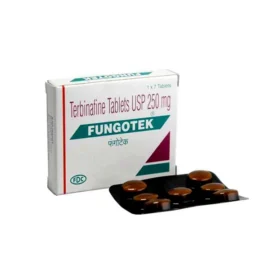
| Ισχύς | 100 mg |
|---|---|
| Ποσότητα | 12 Δισκία, 24 Δισκία, 48 Δισκία |
| Φαρμακευτική Μορφή | Δισκία |
| Κατασκευαστής | Cipla Inc |
| Θεραπεία | Μυκητιασικές λοιμώξεις του δέρματος |
| Γενόσημη μάρκα | Κλοβεταζόλη |
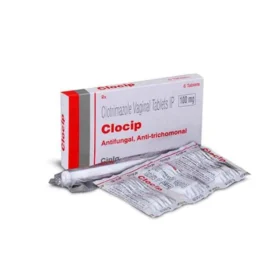 Clocip
Ερωτήσεις & Απαντήσεις
Clocip
Σχετικά προϊόντα





Κριτικές
Δεν υπάρχουν ακόμη κριτικές