







Coq Forte
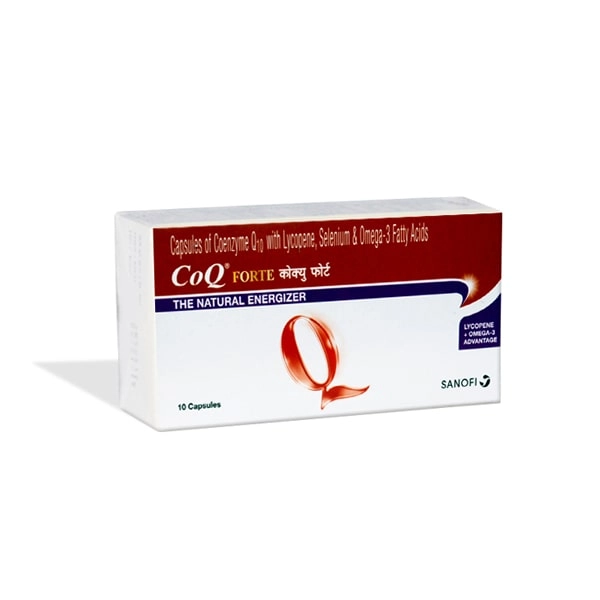
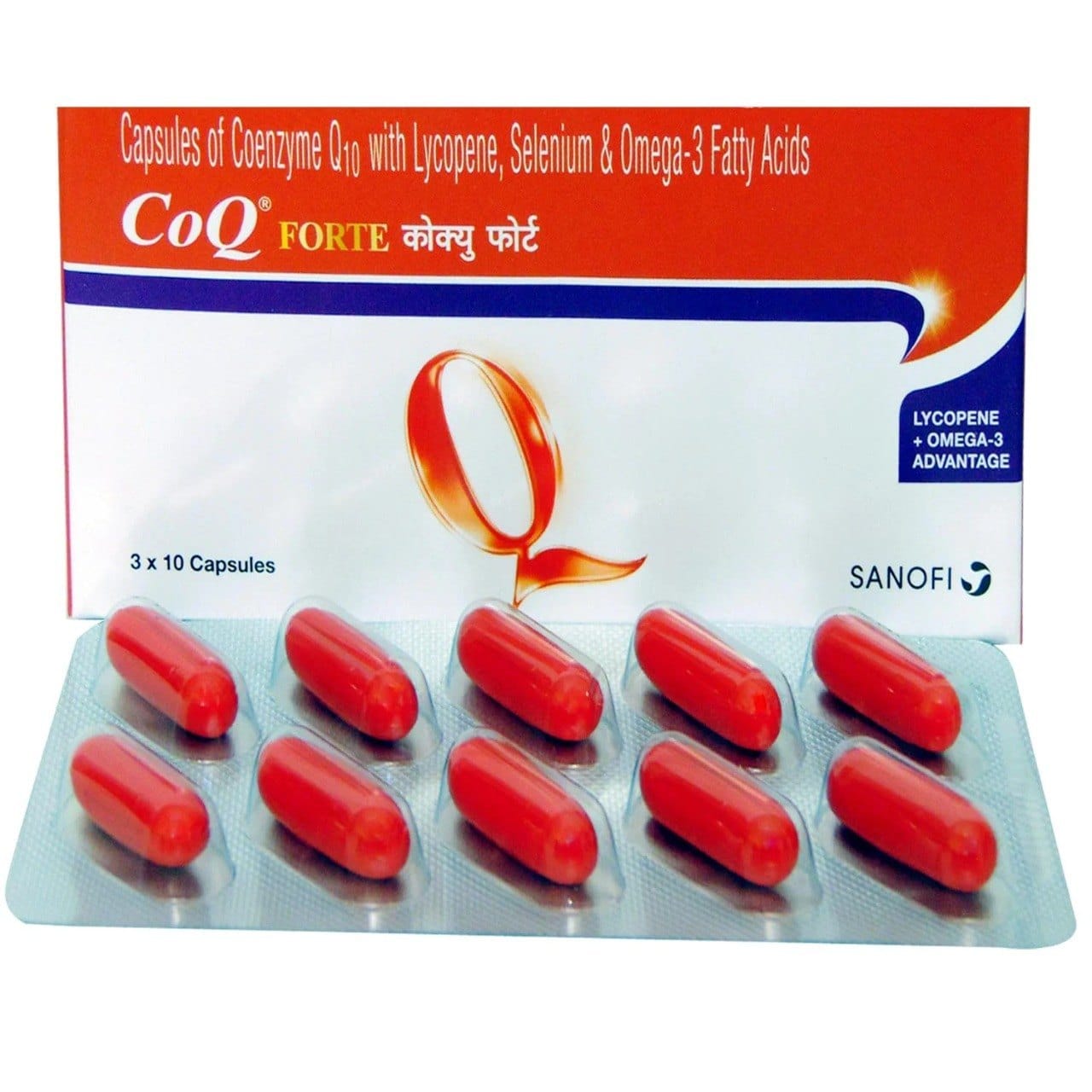

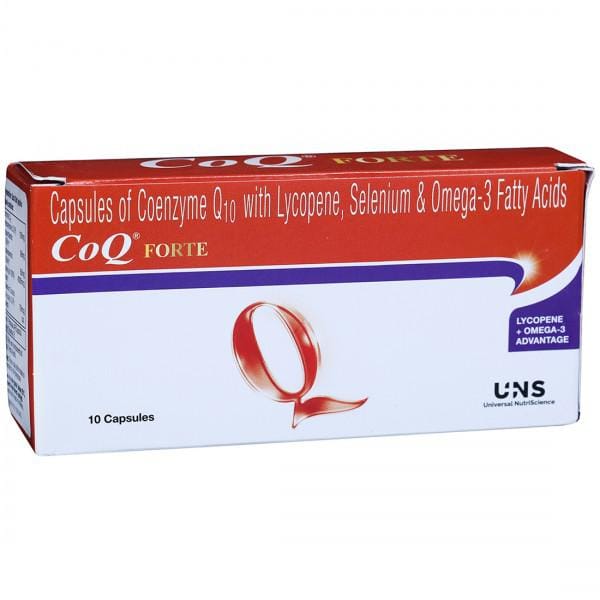
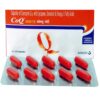
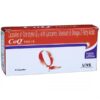
Το Coq Forte είναι ένα συμπλήρωμα καρδιαγγειακής υποστήριξης που περιέχει Συνένζυμο Q10, λυκοπένιο, σελήνιο και ωμέγα-3 λιπαρά οξέα (EPA/DHA). Δεν είναι φαρμακευτικό σκεύασμα — είναι ένα νευροσκεύασμα για γενική καρδιαγγειακή υποστήριξη. Η μελέτη Q-SYMBIO (2014) πρότεινε οφέλη από το CoQ10 στη χρόνια καρδιακή ανεπάρκεια· τα στοιχεία για άλλες ενδείξεις είναι ποικίλα. Χρησιμοποιείται συχνά εμπειρικά παράλληλα με στατίνες σε ασθενείς με μυϊκά συμπτώματα. Δεν αντικαθιστά την αποδεδειγμένη καρδιαγγειακή θεραπεία σε ασθενείς με εγκατεστημένη νόσο.
✓ Ιατρικά ελεγμένο από Morgan Ellis — Ερευνητής Φαρμακευτικής · 8 χρόνια εμπειρία · Τελευταία αναθεώρηση: Μάιος 2026
⚡ Γρήγορη Απάντηση — Τι είναι το Coq Forte;
Coq Forte είναι συμπλήρωμα καρδιαγγειακής υποστήριξης από Ινδό κατασκευαστή συμπληρωμάτων που περιέχει Συνένζυμο Q10, λυκοπένιο, σελήνιο, και ωμέγα-3 λιπαρά οξέα (EPA/DHA). Δεν είναι φαρμακευτικό σκεύασμα — αυτό είναι ένα νευροσκεύασμα για γενική καρδιαγγειακή υποστήριξη και δεν αντικαθιστά την αποδεδειγμένη καρδιαγγειακή θεραπεία (στατίνες, ACEi/ARB, β-αναστολείς, αντιαιμοπεταλιακά) σε ασθενείς με εγκατεστημένη νόσο. Το Συνένζυμο Q10 είναι ένα λιποδιαλυτό αντιοξειδωτικό και συν-παράγοντα ηλεκτρονιακής μεταφοράς στα μιτοχόνδρια· τα επίπεδα πλάσματος μειώνονται με την ηλικία, τη χρήση στατινών και στην καρδιακή ανεπάρκεια. Η συμπληρωματική θεραπεία έχει μέτριες αποδείξεις σε κλινικές δοκιμές για χρόνια καρδιακή ανεπάρκεια (Q-SYMBIO 2014) και μυϊκά συμπτώματα που σχετίζονται με στατίνες (ανασκοπική μελέτη μεικτή). Τυπική δόση: ένα ή δύο δισκία ημερησίως. Η ασφάλεια είναι εξαιρετική· οι αλληλεπιδράσεις ελάχιστες. Οι χρήστες βαρφαρίνης θα πρέπει να ελέγχουν το INR κατά την έναρξη (το CoQ10 μπορεί να μειώσει ελαφρά το INR).
📦 Κάθε παραγγελία καλύπτεται από την Πολιτική Εγγύησης Επαναποστολής — εάν το δέμα σας δεν φτάσει εντός 20 εργάσιμων ημερών, το επαναποστέλλουμε.
Γιατί να παραγγείλετε από τη MedsBase
Τα γενόσημα φάρμακά μας προέρχονται από κατασκευαστές που πιστοποιούνται από την WHO-GMP και αποστέλλονται παγκοσμίως σε διακριτική, απλή συσκευασία — χωρίς όνομα φαρμάκου στο εξωτερικό του δέματος. Οι πληρωμές με κάρτα δρομολογούνται μέσω ρυθμισμένου επεξεργαστή (οι περιγραφές εκκαθάρισης περιλαμβάνουν ρυθμισμένο επεξεργαστή πληρωμών με κάρτα — ποτέ “MedsBase” ή οποιοδήποτε όνομα φαρμάκου). Γίνονται δεκτές και πληρωμές με κρυπτονομίσματα και τραπεζική μεταφορά SEPA. Κάθε παραγγελία καλύπτεται από την Πολιτική Επαναποστολής Εξασφαλίσεώς μας.
Τι είναι το Coq Forte;
Το Coq Forte είναι ένα συμπλήρωμα για την καρδιαγγειακή υποστήριξη από τον Ινδό κατασκευαστή συμπληρωμάτων, διαθέσιμο σε συσκευασίες 30-90 δισκίων. Σύνθεση: Συνένζυμο Q10, λυκοπένιο, σελήνιο, και ωμέγα-3 λιπαρά οξέα (EPA/DHA).
Τι κάνει κάθε συστατικό;
- Συνένζυμο Q10 (ουμπικινόνη) — μια λιποδιαλυτή αντιοξειδωτική ουσία και συνπαράγοντα μεταφοράς ηλεκτρονίων στα μιτοχόνδρια. Τα επίπεδα στο πλάσμα μειώνονται με την ηλικία, τη χρήση στατινών (οι στατίνες αναστέλλουν τη διαδρομή μεβαλονικού οξέος που παράγει CoQ10) και στην καρδιακή ανεπάρκεια. Η συμπληρωματική λήψη αυξάνει τα επίπεδα στο πλάσμα και πιθανώς στο μυοκάρδιο.
- Λυκοπένιο — αντιοξειδωτική καροτενοειδής από τις ντομάτες· παρατηρησιακές συσχετίσεις με μειωμένο καρδιαγγειακό κίνδυνο, αλλά αμφίβολα δεδομένα από τυχαιοποιημένες κλινικές δοκιμές.
- Σελήνιο — ιχνοστοιχείο συνπαράγοντα για τη γλουταθειόνη περοξειδάση· η έλλειψη είναι σπάνια στους περισσότερους πληθυσμούς (ιστορικά, ασθένεια Keshan σε κινεζικές περιοχές με έλλειψη σεληνίου). Η συμπληρωματική λήψη σε πληθυσμούς με καλά επίπεδα είναι απίθανο να βοηθήσει.
- Ωμέγα-3 λιπαρά οξέα — EPA/DHA από λιπαρά ψαριών· μειώνουν τις τριγλυκερίδες (σε θεραπευτικές δόσεις, το ικοσαπεντ αιθύλιο μείωσε καρδιαγγειακά συμβάντα στη μελέτη REDUCE-IT 2018)· μικτά στοιχεία για συμπληρωματικές δόσεις.
Αποδεικτικά Στοιχεία
Q-SYMBIO (2014) — CoQ10 300 mg ημερησίως σε 420 ασθενείς με μέτρια έως σοβαρή καρδιακή ανεπάρκεια για 2 χρόνια· μείωσε το σύνθετο τελικό σημείο MACE κατά 43% έναντι εικονικού φαρμάκου. Επόμενες μικρότερες μελέτες έδειξαν μεταβλητές επιδράσεις· η ανασκόπηση Cochrane του 2021 κατέληξε σε αβέβαιο συνολικό όφελος. Συμπτώματα μυϊκής δυσφορίας λόγω στατινών — οι συστηματικές ανασκοπήσεις δεν είναι καθοριστικές· πολλοί κλινικοί δερματολόγοι/καρδιολόγοι χρησιμοποιούν το CoQ10 εμπειρικά ως προσθήκη χαμηλού κινδύνου για ασθενείς με ενοχλητική μυαλγία από στατίνες, αν και η επίδραση είναι μέτρια εάν υπάρχει.
Δεν αποτελεί υποκατάστατο για θεραπεία βασισμένη σε αποδεδειγμένα στοιχεία. Σε ασθενείς με υπέρταση, καρδιακή ανεπάρκεια, στεφανιαία νόσο ή εγκεφαλικό επεισόδιο, η συμπλήρωση συνυπάρχει (και δεν αντικαθιστά) τις στατίνες, τους αναστολείς ΜΕΑ/ARBs, τα βητααναστολικά και τα αντιαιμοπεταλιακά φάρμακα με τις μεγάλες βάσεις αποδεικτικών στοιχείων από κλινικές δοκιμές.
Δοσολογία
Μία έως δύο ταμπλέτες μια φορά την ημέρα με φαγητό (η απορρόφηση της CoQ10 βελτιώνεται με γεύματα που περιέχουν λίπος). Η τυπική ημερήσια δόση CoQ10 για ενήλικες σε καρδιαγγειακές μελέτες είναι 100-300 mg.
Παρενέργειες και Ασφάλεια
Η CoQ10 έχει εξαιρετικό προφίλ ασφάλειας. Περιστασιακά ήπια γαστρεντερική δυσφορία· σπάνιες αλλεργικές αντιδράσεις. Καμία γνωστή σοβαρή ανεπιθύμητη ενέργεια σε δόσεις έως 1.200 mg/ημέρα.
Αλληλεπιδράσεις
- Βαρφαρίνη — Η CoQ10 είναι δομικά παρόμοια με τη βιταμίνη Κ και μπορεί να μειώσει μέτρια το INR. Ελέγξτε το INR 1-2 εβδομάδες μετά την έναρξη ή τη διακοπή της CoQ10.
- Αντιυπερτασικά — Η CoQ10 μπορεί να έχει μια μικρή ανεξάρτητη επίδραση στη μείωση της πίεσης· ελάχιστη κλινική επίδραση σε δόσεις συμπληρώματος.
- Στατίνες — οι στατίνες μειώνουν την ενδογενή CoQ10· η συμπλήρωση μπορεί εν μέρει να αποκαταστήσει τα επίπεδα (αβέβαιο κλινικό όφελος).
Αποθήκευση
Αποθηκεύστε το Coq Forte κάτω από 25°C σε ξηρό μέρος. Φυλάξτε μακριά από παιδιά.
Συχνές Ερωτήσεις
Μπορεί το Coq Forte να αντικαταστήσει τα συνταγογραφούμενα καρδιακά φάρμακά μου;
Όχι. Το Coq Forte είναι συμπλήρωμα — δεν αποτελεί υποκατάστατο για τα βασισμένα σε αποδεδειγμένα δεδομένα καρδιαγγειακά φάρμακα (στατίνες, αναστολείς ACE/ARBs, βητα-αναστολείς, αντιαιμοπεταλικά, διουρητικά) που έχουν εκτεταμένα δεδομένα από κλινικές δοκιμές. Το Coq Forte μπορεί να είναι μια λογική προσθήκη παράλληλα με την συνταγογραφημένη θεραπεία, όχι αντικατάσταση.
Είναι το Coq Forte ασφαλές κατά την εγκυμοσύνη;
Τα δεδομένα για τα συμπληρώματα κατά την εγκυμοσύνη είναι περιορισμένα. Συζητήστε με τον γυναικολόγο σας πριν ξεκινήσετε οποιοδήποτε συμπλήρωμα κατά την εγκυμοσύνη· η προεπιλεγμένη επιλογή σε περίπτωση αβεβαιότητας είναι η αποφυγή.
Μπορώ να πάρω Coq Forte με warfarin;
Ελέγξτε το INR 1-2 εβδομάδες μετά την έναρξη — η CoQ10 μπορεί να μειώσει ελαφρά το INR (δομικά παρόμοια με τη βιταμίνη K).
Πού μπορώ να αγοράσω Coq Forte online;
Μπορείτε να αγοράσετε Coq Forte (30-90 δισκία) από το MedsBase με διακριτική συσκευασία και παγκόσμια αποστολή.
Σχετικά Καρδιαγγειακά Φάρμακα
- Abana — Αγιουρβεντική καρδιακή φόρμουλα
- Aldactone — Σπιρονολακτόνη
- Ambrican — Αμβρισεντάνη 5 mg (ERA για PAH)
- Ecopril — Clopidogrel 75 mg (ανιιακοσυσσωρευτικό)
- Ivabrad — Ivabradine 7.5 mg
- Lonitab — Minoxidil 5 mg (στοματικό αγγειοδιασταλτικό)
- Περιήγηση σε όλα τα Φάρμακα για Υψηλή Πίεση Αίματος
Περισσότερες επιλογές σε φάρμακα για υψηλή πίεση αίματος
Ταξινομημένα σύμφωνα με τον όγκο παραγγελιών στο MedsBase — τι επιλέγουν άλλοι πελάτες σε αυτήν την κατηγορία.
| Ποσότητα | 30 Δισκία, 60 Δισκία, 90 Δισκία |
|---|---|
| Φαρμακευτική Μορφή | Καψούλα/ες |
| Κατασκευαστής | Sanofi India |
| Θεραπεία | Καρδιακή ανεπάρκεια, Δυσλειτουργία διαστολής |
| Γενόσημη μάρκα | Ubiquinone |
 Coq Forte
Ερωτήσεις & Απαντήσεις
Coq Forte
Σχετικά προϊόντα


Κριτικές
Δεν υπάρχουν ακόμη κριτικές