







Arkamin
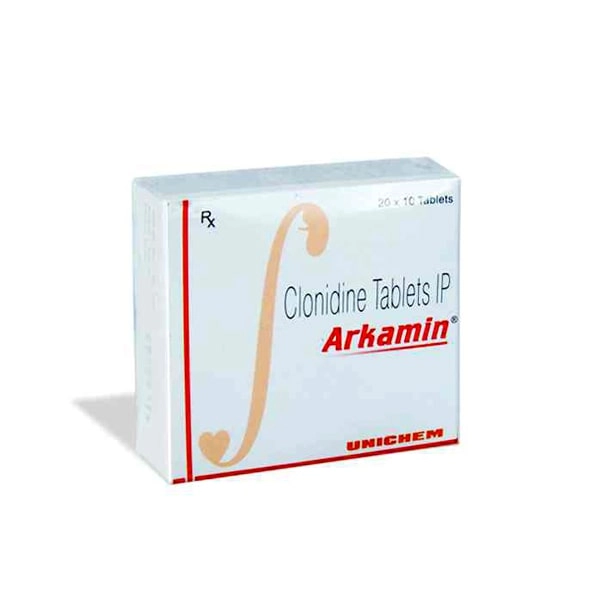
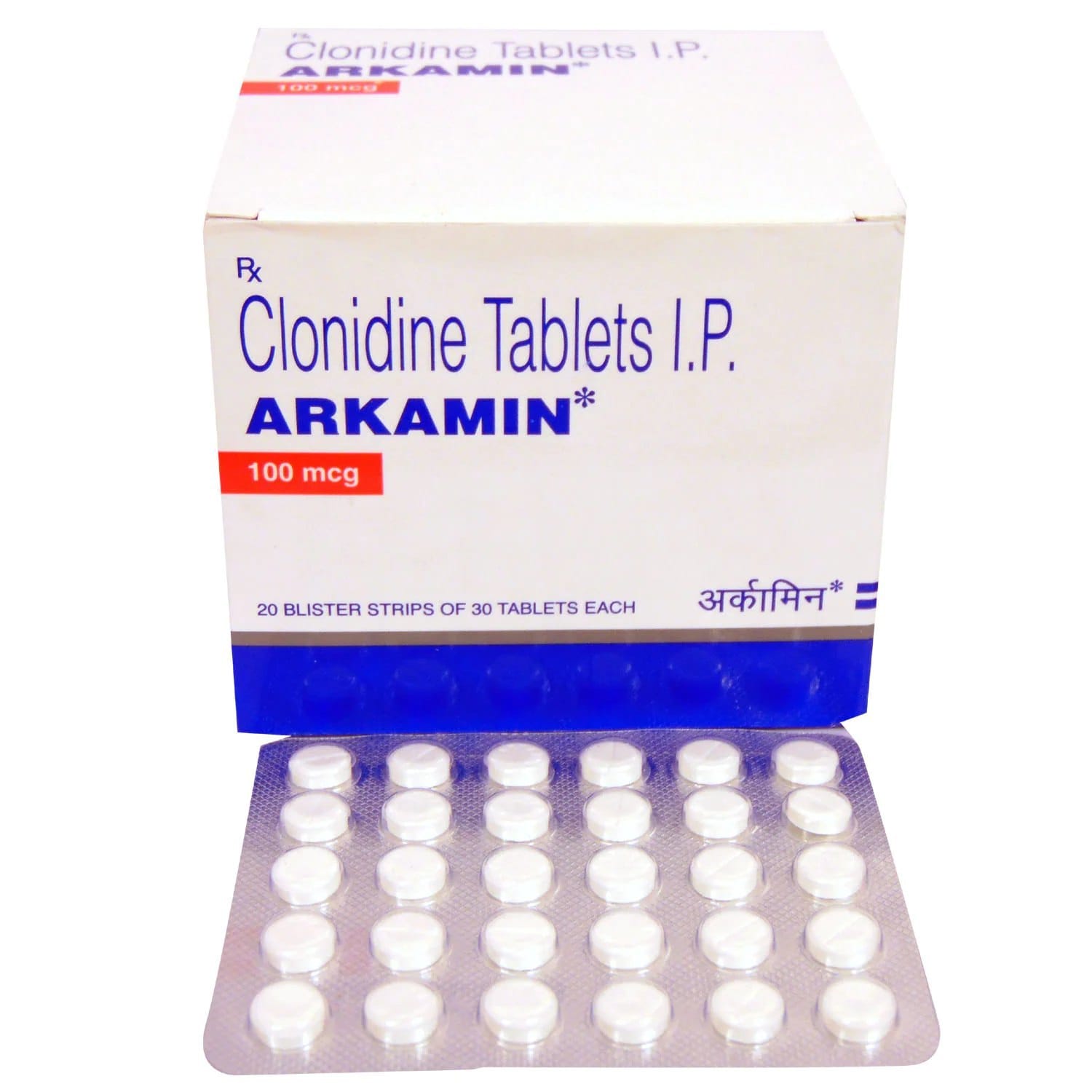
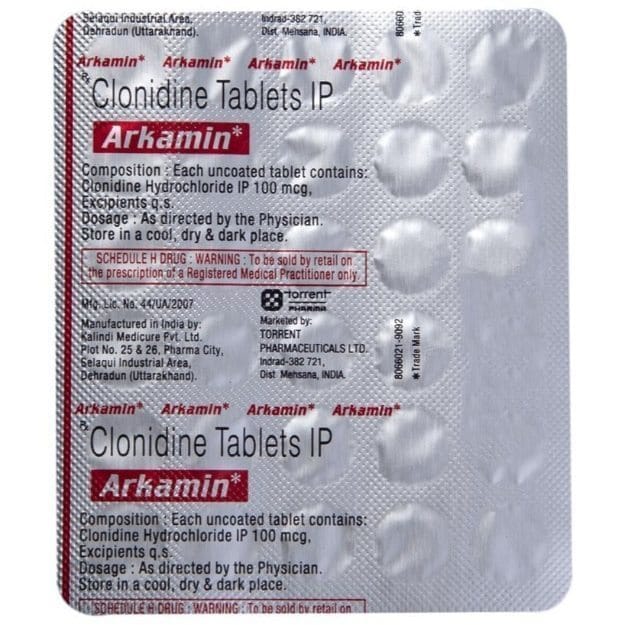



Το Arkamin είναι τα δισκία κλονιδίνης 100 mcg της Torrent Pharma — ο πρωτότυπος κεντρικά δρώντας αγωνιστής α-2 αδρενοϋποδοχέων (Catapres της Boehringer Ingelheim, 1966). Μειώνει την κεντρική συμπαθητική ροή· μειώνει την περιφερειακή νοραδρεναλίνη 30-50%. Χρήσεις: υπέρταση τέταρτης/πέμπτης γραμμής, υπερτασική επείγουσα κατάσταση, ADHD (εγκεκριμένο από την FDA ως Kapvay XR στις ΗΠΑ), στέρηση οπιοειδών και νικοτίνης, καυτά φρύδια εμμηνόπαυσης, σύνδρομο Tourette, συμπληρωματικό αναισθητικό. ΚΡΙΤΙΚΟ — ποτέ μην διακόπτετε απότομα (κίνδυνος ανάκαμψης υπέρτασης με εγκεφαλικό ή καρδιακό επεισόδιο).
✓ Ιατρικά ελεγμένο από Morgan Ellis — Ερευνητής Φαρμακευτικής · 8 χρόνια εμπειρία · Τελευταία αναθεώρηση: Μάιος 2026
⚡ Quick Answer — What is Arkamin?
Arkamin είναι Δισκίο κλονιδίνης 100 mcg from Torrent Pharma — a κεντρικά δρώντας αγωνιστής α-2 αδρενοϋποδοχέων (ιμιδαζολίνη) που μειώνει τη συμπαθητική ροή, δρώντας σε προσυναπτικούς α-2 αδρενεργικούς υποδοχείς (και ιμιδαζολινικούς-1 υποδοχείς) στον ροστραλικό βεντρολατεραλικό μυελό. Η κλονιδίνη εισήχθη από τη Boehringer Ingelheim το 1966 ως Catapres. Αρχικά συνθετίστηκε ως αποσυμφορητικό για τη μύτη, αλλά μια τυχαία παρατήρηση έντονης υποτονίας σε έναν εθελοντή δοκιμής οδήγησε στην επαναχρησιμοποίησή της ως αντιυπερτασικού. Η σύγχρονη χρήση καλύπτει την υπέρταση (τέταρτης γραμμής και υπερτασική επείγουσα ανάγκη), ADHD (εγκεκριμένο από την FDA στις ΗΠΑ ως Kapvay ER), αποχή από οπιοειδή και νικοτίνη, αγγειοκινητικά συμπτώματα εμμηνόπαυσης, σύνδρομο Tourette, συμπληρωματικά για τον πόνο (ενδοραχιαία), και προαναισθητική προετοιμασία. Ο χρόνος ημιζωής είναι 12-16 ώρες (από το στόμα); 20-24 ώρες (διαδερμικό αυτοκόλλητο); έναρξη δράσης 30-60 λεπτά (από το στόμα); μέγιστη πλάσματική συγκέντρωση 1-3 ώρες; αντιυπερτασική επίδραση 2-4 ώρες; διάρκεια δράσης 8-12 ώρες. Κύριοι δείκτες: ανθεκτική ή τέταρτης γραμμής υπέρταση, υπερτασική επείγουσα ανάγκη (από το στόμα/υπογλώσσια), ADHD, αποχή από οπιοειδή/νικοτίνη, εμμηνόπαυση με αναφλέξεις, συμπληρωματικά για πόνο και αναισθησία. Τυπική δοσολογία: Χρόνια υπέρταση: 100 mcg (0,1 mg) δύο ή τρεις φορές την ημέρα, με προσαρμογή σε ένα συνήθη μέγιστο των 800 mcg/ημέρα. Δεν είναι αντιυπερτασικό πρώτης γραμμής — reserve for fourth/fifth-line after ACEi/ARB, CCB, thiazide, and spironolactone. Υπερτασική επείγουσα ανάγκη (από το στόμα): 100-200 mcg loading dose, then 100 mcg every hour up to 600 mcg; lowers BP by 10-20% within 1-2 hours. Not for hypertensive emergency (end-organ damage) — use IV agents. Ποτέ μην διακόπτετε απότομα το Arkamin — rebound hypertension is severe and potentially life-threatening. For most hypertensive patients, modern treatment starts with an ACE inhibitor/ARB, a calcium-channel blocker, a thiazide, and spironolactone before reaching for an alpha-blocker or centrally-acting agent.
📦 Κάθε παραγγελία καλύπτεται από την Πολιτική Εγγύησης Επαναποστολής — εάν το δέμα σας δεν φτάσει εντός 20 εργάσιμων ημερών, το επαναποστέλλουμε.
Γιατί να παραγγείλετε από τη MedsBase
Τα γενόσημα φάρμακά μας προέρχονται από εργοστάσια πιστοποιημένα από τον WHO-GMP και αποστέλλονται παγκοσμίως σε διακριτική, απλή συσκευασία — χωρίς όνομα φαρμάκου στο εξωτερικό του δέματος. Οι πληρωμές με κάρτα διευθύνονται μέσω ρυθμισμένου επεξεργαστή (οι περιγραφές στοιχείων περιλαμβάνουν ρυθμισμένο επεξεργαστή πληρωμών με κάρτα — ποτέ “MedsBase” ή όνομα φαρμάκου). Γίνονται δεκτές και πληρωμές με κρυπτονομίσματα και τραπεζική μεταφορά SEPA. Κάθε παραγγελία καλύπτεται από την Πολιτική Επαναποστολής Εξασφάλισης.
Τι είναι το Arkamin;
Το Arkamin είναι ένα δισκίο Clonidine 100 mcg από τη Torrent Pharma, διαθέσιμο σε συσκευασίες 30-90 δισκίων. Η Clonidine εισήχθη από τη Boehringer Ingelheim το 1966 ως Catapres. Αρχικά συνθετίστηκε ως αποσυμφορητικό για τη μύτη, αλλά μια τυχαία παρατήρηση έντονης υποτονίας σε έναν εθελοντή δοκιμής οδήγησε στην επαναχρησιμοποίησή της ως αντιυπερτασικού. Η σύγχρονη χρήση καλύπτει την υπέρταση (τέταρτης γραμμής και υπερτασική επείγουσα ανάγκη), ADHD (εγκεκριμένο από την FDA στις ΗΠΑ ως Kapvay ER), αποχή από οπιοειδή και νικοτίνη, αγγειοκινητικά συμπτώματα εμμηνόπαυσης, σύνδρομο Tourette, συμπληρωματικά για τον πόνο (ενδοραχιαία) και προεγχειρητική αναισθησία.
Πώς λειτουργεί η Clonidine
Η Clonidine δρα επί προσυναπτικούς α-2 αδρενεργικούς υποδοχείς (και ιμιδαζολινικούς-1 υποδοχείς) στον ροστραλικό βεντρολατεραλικό μυελό. Οι επακόλουθες επιπτώσεις:
- Μειωμένη κεντρική συμπαθητική ροή — activation of pre-synaptic alpha-2 receptors in the rostral ventrolateral medulla suppresses descending sympathetic tone to the peripheral vasculature and heart
- Μειωμένη πλάσμα νοραδρεναλίνη — circulating catecholamines fall 30-50% within hours; heart rate drops 5-15 bpm; BP drops 10-30 mmHg
- Δραστηριότητα υποδοχέα Ιμιδαζολίνης-1 — an additional sympathetic-suppressing mechanism unique to imidazoline agonists (clonidine, moxonidine); may contribute to better metabolic tolerability than older centrally-acting drugs
- Σπονδυλική και υπερσπονδυλική αναλγητική δράση — blocks pain signal relay in the dorsal horn; basis for intrathecal clonidine in chronic pain and for anaesthetic-adjunct use
- Καταστολή των νοραδρενοεργικών συμπτωμάτων στέρησης — reduces sweating, tremor, tachycardia, and hypertension during opioid, nicotine, and alcohol withdrawal
- Βελτιωμένος τόνος του προμετωπιαίου φλοιού — proposed mechanism for ADHD benefit (enhances top-down inhibitory control)
- Κεντρική αντι-θερμορυθμιστική δράση — basis for menopausal hot-flush benefit
Εγκεκριμένες και Βασισμένες σε Αποδείξεις Χρήσεις
- Ανθεκτική ή τεταρτογενής υπέρταση, υπερτασική επείγουσα ανάγκη (από του στόματος/υπογλώσσια), ΔΕΠΥ, στέρηση οπιοειδών/νικοτίνης, εμμηνόπαυση καυσαλγίες, πόνος και συμπληρώματα αναισθητικών
- Ανθεκτική υπέρταση (τέταρτη/πέμπτη γραμμή)
- Υπερτασική επείγουσα κατάσταση (oral 100-200 mcg loading, then 100 mcg hourly) — not for emergency with end-organ damage
- ADHD (εγκεκριμένο από την FDA ως επεκτεταμένης αποδέσμευσης Kapvay· οι τυπικές IR μορφές χρησιμοποιούνται εκτός ετικέτας παγκοσμίως)
- Αποχή από οπιοειδή και νικοτίνη — autonomic symptom relief
- Εμμηνοπαυσιακά αγγειοκινητικά συμπτώματα (καυστές εφιδρώσεις) — non-hormonal option
- Σύνδρομο Tourette και διαταραχές τικ
- Χρόνιος πόνος — intrathecal clonidine for neuropathic or cancer pain
- Προαναισθητική προετοιμασία και περιεγχειρητικό τρόμος
Κυρίαρχες κλινικές δοκιμές: Συνεργατική Μελέτη VA για την Υπέρταση (1967-1970) — clonidine established as effective monotherapy in the era before ACEi, ARB, and CCB classes. Αναλύσεις υποομάδων ALLHAT — clonidine-based regimens generally reduced BP equivalently to first-line classes but with worse tolerability. Δοκιμές Connor et al. για παιδιατρικό ADHD — clonidine IR effective for hyperarousal and sleep disturbance in ADHD, though psychostimulants remain first-line. Gold et al. (1978) — landmark demonstration of clonidine for opiate withdrawal — abolished autonomic symptoms (sweating, piloerection, tachycardia) without cross-dependence.
Δοσολογία Arkamin
Κύρια δόση: Χρόνια υπέρταση: 100 mcg (0,1 mg) δύο ή τρεις φορές την ημέρα, με προσαρμογή σε ένα συνήθη μέγιστο των 800 mcg/ημέρα. Δεν είναι αντιυπερτασικό πρώτης γραμμής — reserve for fourth/fifth-line after ACEi/ARB, CCB, thiazide, and spironolactone. Υπερτασική επείγουσα ανάγκη (από το στόμα): 100-200 mcg loading dose, then 100 mcg every hour up to 600 mcg; lowers BP by 10-20% within 1-2 hours. Not for hypertensive emergency (end-organ damage) — use IV agents.
Άλλες ενδείξεις: ADHD (παιδιά και εφήβους): 50-100 mcg κατά την ώρα του ύπνου αρχικά, με προσαρμογή σε 100-400 mcg/ημέρα σε διαιρεμένες δόσεις. Οι συνθετικές μορφές παρατεταμένης αποδέσμευσης (Kapvay) προτιμώνται στις ΗΠΑ. Αποχή από οπιοειδή (ανακούφιση αυτόνομων συμπτωμάτων): 100-300 mcg τρεις ή τέσσερις φορές ημερησίως, με σταδιακή μείωση καθώς υποχωρούν τα συμπτώματα αποχή. Εφίδρωση εφηβικής ηλικίας: 50-75 mcg δύο φορές ημερησίως. Σύνδρομο Tourette: 25-100 mcg δύο ή τρεις φορές ημερησίως. Διακοπή του καπνίσματος: 100-300 mcg/ημέρα (από του στόματος ή διαδερμικά). Προαναισθητική αγωγή: 200-400 mcg από του στόματος 60 λεπτά πριν την επέμβαση.
Χορήγηση: να λαμβάνεται με ή χωρίς τροφή· οι βραδινές δόσεις είναι μεγαλύτερες από τις ημερήσιες για να μετατοπιστεί η υπνηλία στον ύπνο. Να μην παραλείπονται δόσεις (κίνδυνος ανάκαμψης).
Πρόγραμμα παρακολούθησης:
- Βασική αξιολόγηση: αρτηριακή πίεση σε ύπτια και όρθια στάση (καταγραφή ορθοστατικής πτώσης), καρδιακή συχνότητα, ηλεκτροκαρδιογράφημα (έλεγχος για βραδυκαρδία), λίστα φαρμάκων (έλεγχος για αλληλεπιδρώντα φάρμακα).
- Εβδομάδα 1-2: επανάληψη μέτρησης αρτηριακής πίεσης (ύπτια και όρθια στάση), καρδιακής συχνότητας, αξιολόγηση συμπτωμάτων. Προσαρμογή δόσης προς τα πάνω ή κάτω με βάση την αρτηριακή πίεση και την ανοχή.
- Εβδομάδα 4-6: αξιολόγηση της στόχος αρτηριακής πίεσης· φόρτος συμπτωμάτων· ερώτηση ειδικά για παραλειπόμενες δόσεις.
- Συνεχής παρακολούθηση: ετήσια ανασκόπηση πίεσης και καρδιακής λειτουργίας· μην μείνετε ποτέ χωρίς αποθέματα (κίνδυνος ανάκαμψης υπέρτασης).
- Διακοπή ή μείωση δόσης σε περίπτωση: σοβαρής βραδυκαρδίας, συγκοπής, δευτεροβάθμιας ή τριτοβάθμιας AV αποκλεισμού, σοβαρής κατάθλιψης, ενοχλητικής καταστολής που δεν βελτιώνεται σε 4-8 εβδομάδες.
Διακοπή: CRITICAL — never stop clonidine abruptly. Ανάκαμψη υπέρτασης με έξαρση συμπαθητικής δραστηριότητας μπορεί να εμφανιστεί εντός 18-36 ωρών σε δόσεις >300 mcg/ημέρα. Μειώστε σταδιακά τη δόση σε διάστημα 2-4 εβδομάδων; · εάν συνταγογραφηθεί ταυτόχρονα β-αναστολέας, διακόψτε πρώτα τον β-αναστολέα και στη συνέχεια την κλονιδίνη. Αναζητήστε άμεση ιατρική περίθαλψη για σοβαρό πονοκέφαλο, πόνο στο στήθος ή πίεση αίματος >180/110 μετά από παραλειπόμενες ή διακοπείσες δόσεις.
Πρακτικές Σκέψεις για την Arkamin
- Rebound hypertension on abrupt discontinuation — CRITICAL, potentially life-threatening. Οι παραλειπόμενες δόσεις ή η απότομη διακοπή μπορεί να προκαλέσουν έξαρση της συμπαθητικής δραστηριότητας εντός 18-36 ωρών: αύξηση πίεσης αίματος κατά 30-50 mmHg, ταχυκαρδία, εφίδρωση, τρόμος και σπάνιες αναφορές για εγκεφαλικό επεισόδιο, έμφραγμα του μυοκαρδίου και υπερτασική εγκεφαλοπάθεια. Πάντα μειώνετε σταδιακά την κλονιδίνη σε διάστημα 2-4 εβδομάδων αντί να τη διακόψετε απότομα. Ο κίνδυνος είναι μεγαλύτερος σε δόσεις >300 mcg/ημέρα και σε συνδυασμό με β-αναστολείς.
- Διαδερμικό επίθεμα (Catapres TTS, 100/200/300 mcg per day patches applied weekly) gives smoother plasma levels and mitigates rebound risk — useful for patients with adherence issues.
- Νάρκωση και ξηροστομία είναι σχεδόν καθολικά παρόντες στην έναρξη της θεραπείας· συνήθως μειώνονται εν μέρει σε διάστημα 2-4 εβδομάδων. Λάβετε την κύρια δόση πριν τον ύπνο για να μετατοπίσετε τη νάρκωση στον ύπνο.
- Προσοχή σε συνθεραπεία με βητα-αναστολείς — if discontinuing, stop the beta-blocker first, then taper clonidine several days later; reverse order can cause especially severe rebound because the beta-blocker blocks the compensatory reflexes.
Παρενέργειες
Συχνά (>1%):
- Νάρκωση, υπνηλία (πολύ συχνά, ειδικά τις πρώτες 2-4 εβδομάδες)
- Ξηροστομία (πολύ συχνά)
- Ζάλη, ορθοστατική υπόταση
- Δυσκοιλιότητα
- Ανικανότητα και μειωμένη λίμπιντο
- Κατάθλιψη, αλλαγή στη διάθεση
- Βραδυκαρδία, καρδιακός αποκλεισμός (ειδικά με συνθεραπεία με βητα-αναστολείς ή διγοξίνη)
- Αύξηση βάρους, συγκράτηση αλατιού επί μήνες
- Δερματικές αντιδράσεις με τοποθέτηση δερματικού επιθέματος (επαφής δερματίτιδα 10-50%)
- Διαταραχές ύπνου, ζωηρά όνειρα, εφιάλτες
Σπάνια αλλά κλινικά σημαντικά:
- Υπερτασική κρίση ανάκαμψης on abrupt discontinuation — stroke, MI, hypertensive encephalopathy reported.
- Σοβρά βραδυκαρδία και ατροκοιλιακό μπλοκ, ειδικά με συγχορδία β-αναστολέα, διγοξίνης ή μη-διυδροπυριδινικού CCB (βεραπαμίλη, διλτιαζέμη).
- Βαθιά καταστολή interfering with work or driving — dose-limiting in some patients.
- Κατάθλιψη ή επιδείνωση προϋπάρχουσας κατάθλιψης.
- Δυσλειτουργία κόλπου, συγκοπή.
- Σοβρά αλλεργική επαφής δερματίτιδα με δερματικό επίθετο — rotate sites; stop if severe.
Αντενδείξεις
- Γνωστή υπερευαισθησία στην κλονιδίνη
- Σοβαρή βραδυαρρυθμία, σύνδρομο αδρανούς κόλπου, δεύτερο ή τρίτο βαθμό AV αποκλεισμό χωρίς βηματοδότη
- Σοβαρή κατάθλιψη (σχετική)
- Concurrent use of other central alpha-2 agonists (methyldopa, tizanidine) — additive hypotension and sedation
- Εγκυμοσύνη: γενικά αποφεύγεται (προτιμάται μεθυλδόπα ή λαβεταλόλη)· τα δεδομένα είναι περιορισμένα, δεν είναι σαφώς τερατογόνο, αλλά η εμπειρία είναι πολύ μεγαλύτερη με εναλλακτικές λύσεις
- Θηλασμός: εισέρχεται σημαντικά στο μητρικό γάλα
Εγκυμοσύνη: generally avoided as first-choice — methyldopa and labetalol have larger safety databases. Clonidine is not clearly teratogenic and is sometimes used as add-on therapy in resistant gestational hypertension.
Θηλασμός: significant transfer to breast milk — monitor the infant for sedation, bradycardia, and poor feeding; consider alternative agents.
Αλληλεπιδράσεις Φαρμάκων
- Beta-blockers — CRITICAL. Η συνθεραπεία επιδεινώνει την υπέρταση ανάκαμψης από απόσυρση της κλονιδίνης. Αν διακοπούν και τα δύο φάρμακα μαζί, διακόψτε πρώτα τον β-αναστολέα για αρκετές ημέρες και στη συνέχεια μειώστε σταδιακά την κλονιδίνη. Οι β-αναστολείς αυξάνουν επίσης τον κίνδυνο βραδυκαρδίας όταν συνδυάζονται με κλονιδίνη.
- Ντιγκοξίνη, μη-διυδροπυριδινικά CCB (βεραπαμίλη, διλτιαζέμη) — additive bradycardia and AV block.
- Τρικυκλικά αντικαταθλιπτικά και α-αναστολείς — partially antagonise clonidine’s antihypertensive effect; may require higher clonidine doses.
- Κατασταλτικά του ΚΝΣ (οπιούχα, βενζοδιαζεπίνες, αλκοόλ, γκαμπαπεντινοειδή) — πρόσθετη καταστολή.
- Άλλα κεντρικά αντιυπερτασικά (μεθυλντόπα, τιζανιδίνη, μοξονιδίνη) — additive sedation and hypotension; usually not combined.
- Μιρταζαπίνη — alpha-2 antagonism reduces clonidine effect.
- Διουρητικά — synergistic BP-lowering; standard combination in resistant HTN.
Η Θέση του Arkamin στην Ιεραρχία των Αντιυπερτασικών
| Επίπεδο | Κατηγορία / Παραδείγματα | Ρόλος |
|---|---|---|
| Πρώτη γραμμή | Αναστολείς ACE (ramipril), ARBs (telmisartan), CCBs (amlodipine), θειαζίδες (indapamide, HCTZ) | Ξεκινήστε εδώ για νεοδιαγνωσμένη υπέρταση |
| Δεύτερο / τρίτο φάρμακο | Συνδυασμοί των παραπάνω (ACEi+CCB, ARB+θειαζίδη) | Όταν ένα φάρμακο είναι ανεπαρκές |
| Τέταρτο φάρμακο (ανθεκτική υπέρταση) | Σπιρονολακτόνη (PATHWAY-2 στοιχεία); β-αναστολέας; δοξαζοσίνης | Εάν η πίεση αίματος δεν ελέγχεται με συνδυασμό τριών φαρμάκων σε πλήρη δόση |
| Πέμπτη ουσία | Αλφα-αναστολείς (πραζοσίνης, τεραζοσίνης, δοξαζοσίνης); κεντρικά δρώντα παράγοντες | Προσθέστε εάν η σπιρονολακτόνη είναι ανεπαρκής ή αντενδείκνυται· προτιμήστε α-αναστολείς όπου συνυπάρχει BPH |
| Πέμπτη / έκτη ουσία | Κεντρικά δρώντα παράγοντες (κλονιδίνη, μοξονιδίνη) | Προσθήκη για να φτάσει η ανθεκτική υπέρταση στο στόχο· παρακολούθηση για ανάκαμψη και υπνηλία |
| Πρώτη γραμμή κατά την εγκυμοσύνη | Μεθυλντόπα, λαβεταλόλη, νιφεδιπίνη | Γενετική υπέρταση και προϋπάρχουσα υπέρταση κατά την εγκυμοσύνη |
Αποθήκευση
Store Arkamin below 25°C in the original blister pack. Keep out of reach of children.
Συχνές Ερωτήσεις
Γιατί είναι τόσο επικίνδυνο να χάσετε δόσεις του Arkamin;
Clonidine suppresses central sympathetic outflow. When clonidine levels fall abruptly, the stored sympathetic drive “rebounds” within 18-36 hours — BP surges 30-50 mmHg, heart rate rises, and the patient sweats, tremors, and develops severe headache. Case reports describe rebound stroke, myocardial infarction, and hypertensive encephalopathy. This risk is greatest at doses above 300 mcg/day and with concurrent beta-blockade. Μην σταματάτε ποτέ την κλονιδίνη απότομα — taper over 2-4 weeks under medical supervision. Always order repeat supply 1-2 weeks before running out.
Θα με κάνει το Arkamin να νυστάζω;
Yes — sedation and daytime somnolence are the most common complaints, affecting up to half of patients in the first 2-4 weeks. It usually improves substantially by week 4-6. Strategies: shift more of the daily dose to bedtime so sedation occurs during sleep; avoid alcohol and other CNS depressants; do not drive or operate machinery until you know how Arkamin affects you. If sedation remains unacceptable after 6-8 weeks, switch to an alternative (moxonidine, methyldopa in pregnancy only, or a different antihypertensive class).
Μπορώ να πάρω Arkamin με αλκοόλ;
Light, occasional drinking is usually tolerated. Regular or heavy drinking substantially potentiates the orthostatic hypotension and sedation of Arkamin — falls, blackouts, and accidents become more likely. Patients at higher risk (elderly, previous falls, concurrent diuretics or sedatives) should avoid alcohol altogether on this medication.
Μπορεί το Arkamin να χρησιμοποιηθεί για ADHD;
Yes — clonidine is FDA-approved in the United States as extended-release Kapvay for ADHD in children and adolescents, and is used off-label (as immediate-release) internationally. It is not first-line (psychostimulants — methylphenidate, amphetamines — give larger mean effect sizes on core ADHD symptoms), but clonidine has a specific niche in hyperarousal, sleep onset, tics, and stimulant-side-effect management. Typical paediatric dose: 50-100 mcg at bedtime initially, titrating to 100-400 mcg/day in divided doses under specialist supervision.
Τι γίνεται αν χάσω μια δόση;
Πάρτε τη χαμένη δόση μόλις τη θυμηθείτε, even if it is close to the next scheduled dose — clonidine’s rebound-hypertension risk means that missed doses must be replaced promptly. If you realise within 6 hours, take the missed dose and continue as normal. If more than 12 hours have passed and rebound symptoms (severe headache, palpitations, sweating) are emerging, take the dose and seek urgent medical review. Never let your supply run out — order repeat prescriptions 1-2 weeks before the current stock is exhausted.
Μπορώ να σταματήσω το Arkamin αν η πίεσή μου είναι υπό έλεγχο;
Όχι απότομα. Η ανάκαμψη υπέρτασης εντός 18-36 ωρών από τη διακοπή της κλονιδίνης μπορεί να προκαλέσει εγκεφαλικό επεισόδιο, έμφραγμα του μυοκαρδίου ή υπερτασική εγκεφαλοπάθεια. Πάντα μειώστε σταδιακά σε 2-4 εβδομάδες υπό ιατρική επίβλεψη. Αν είστε σε β-αναστολέα, σταματήστε πρώτα τον β-αναστολέα και μετά μειώστε σταδιακά την κλονιδίνη μερικές μέρες αργότερα.
Μπορώ να πάρω Arkamin κατά την εγκυμοσύνη;
Generally no. Pregnancy antihypertensives of choice are methyldopa, labetalol, and nifedipine — Arkamin is not first-line in pregnancy. Switch to one of those before conception or as soon as pregnancy is confirmed, under specialist supervision.
Πού μπορώ να αγοράσω Arkamin online;
Μπορείτε να αγοράσετε Arkamin (100 mcg κλονιδίνη, 30-90 δισκία) από το MedsBase με διακριτική συσκευασία και παγκόσμια αποστολή.
Σχετικά Αντιυπερτασικά στο MedsBase
- Aldactone — Spironolactone 25/50/100 mg (PATHWAY-2 4th-line)
- Alphadopa — Methyldopa 250 mg (pregnancy-safe HTN)
- Hytrin — Terazosin 1/2/5 mg (AbbVie)
- Minipress XL — Prazosin ER 2.5/5 mg (Pfizer)
- Ramcor — Ramipril 2.5/5/10 mg (ACEi)
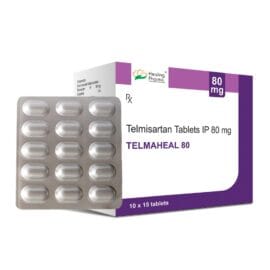
- Telma H — Telmisartan + HCTZ combination
- Περιήγηση σε όλα τα Φάρμακα για Υψηλή Πίεση Αίματος
Σχετικές Εναλλακτικές
Άλλα προϊόντα σε Χρόνιες Παθήσεις που οι πελάτες εξετάζουν επίσης:
Περισσότερες επιλογές σε φάρμακα για υψηλή πίεση αίματος
Ταξινομημένα σύμφωνα με τον όγκο παραγγελιών στο MedsBase — τι επιλέγουν άλλοι πελάτες σε αυτήν την κατηγορία.
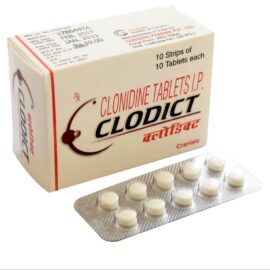
| Ισχύς | 100 Mcg |
|---|---|
| Ποσότητα | 30 Δισκία, 60 Δισκία, 90 Δισκία |
| Φαρμακευτική Μορφή | Καψούλα/ες |
| Κατασκευαστής | Unichem Laboratories |
| Θεραπεία | Υψηλή πίεση αίματος |
| Γενόσημη μάρκα | Clonidine |
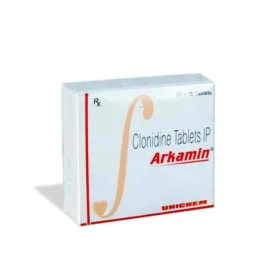 Arkamin
Ερωτήσεις & Απαντήσεις
Arkamin
Σχετικά προϊόντα






Κριτικές
Δεν υπάρχουν ακόμη κριτικές