









Encorate Chrono
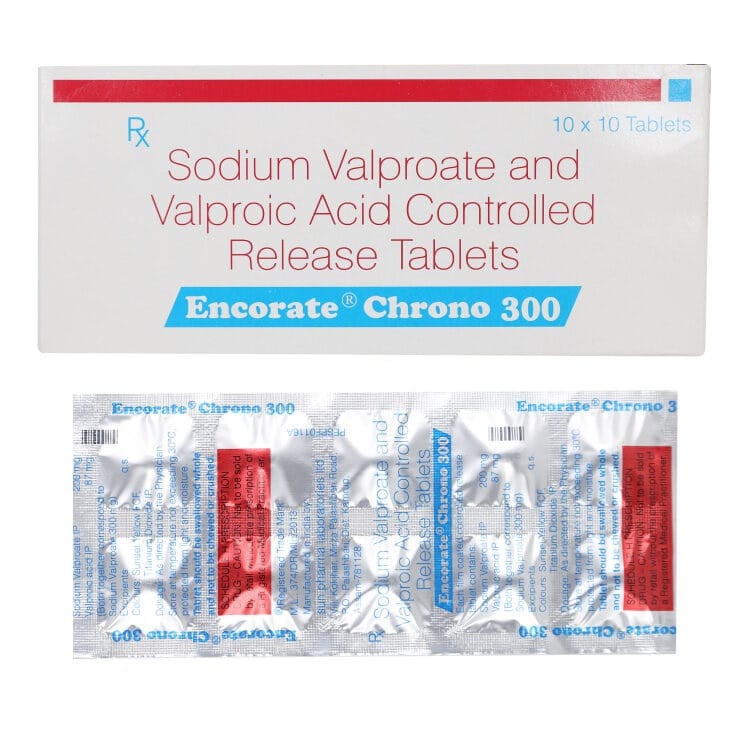

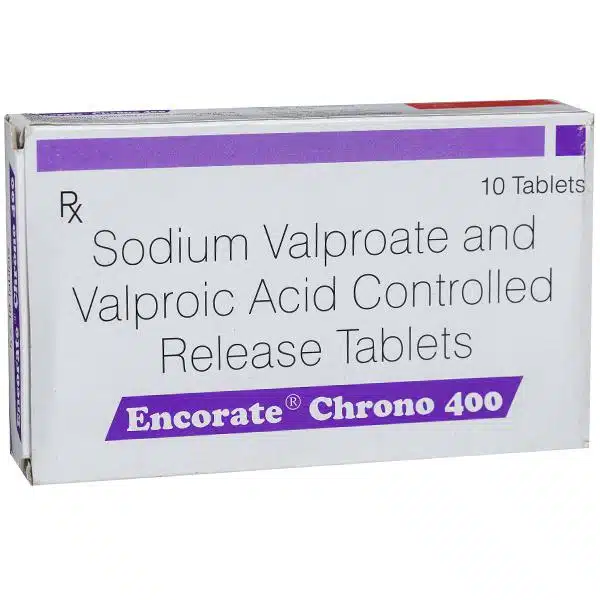

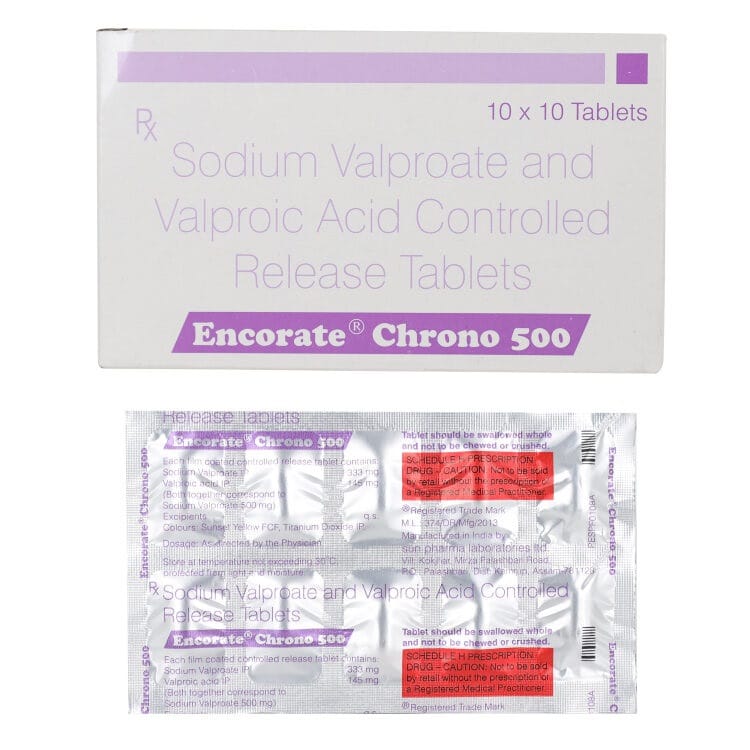


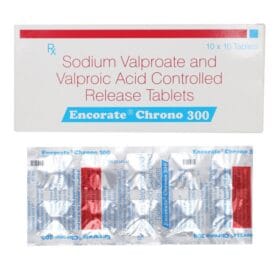
Το Encorate Chrono είναι νατρίου βαλπροϊκό 200 / 300 / 400 / 500 / 600 mg σε επαναλαμβανόμενης απελευθέρωσης (chrono / CR) δισκία από τη Sun Pharma — μία φορά την ημέρα δοσολογία με πιο σταθερές πλασματικές συγκεντρώσεις σε σχέση με το άμεσης απελευθέρωσης Encorate. Για την πρόληψη ημικρανιών: ξεκινήστε με 500 mg το βράδυ, προσαρμόστε στα 1.000 mg το βράδυ (εύρος 500-1.500 mg). Οι ίδιοι περιορισμοί σε εγκυμοσύνη και παρακολούθηση όπως όλα τα προϊόντα βαλπροϊκού.
✓ Ιατρικά ελεγμένο από Morgan Ellis — Ερευνητής Φαρμακευτικής · 8 χρόνια εμπειρία · Τελευταία αναθεώρηση: Μάιος 2026
⚡ Γρήγορη Απάντηση — Τι είναι το Encorate Chrono;
Encorate Chrono είναι 200 / 300 / 400 / 500 / 600 mg νατρίου βαλπροϊκό / βαλπροϊκό οξύ επαναλαμβανόμενης απελευθέρωσης (chrono / CR) δισκίο από τη Sun Pharma — ένα αντιεπιληπτικό / σταθεροποιητή διάθεσης / προληπτικό ημικρανιών. Στην πρόληψη ημικρανιών χρησιμοποιείται σε 500-1.500 mg μία φορά την ημέρα ως τρίτη ή τέταρτη γραμμή πρόληψης μετά από προπρανόλολο, τοπιραμάτη και αμιτριπτυλίνη. Απόλυτη αντένδειξη σε εγκυμοσύνη και σε γυναίκες σε αναπαραγωγική ηλικία χωρίς πρόγραμμα πρόληψης εγκυμοσύνης — το βαλπροϊκό προκαλεί 10% κίνδυνο σοβαρών εγγενών ανωμαλιών (νευρικής σωλήνας, κρανιοπροσωπικές, καρδιακές, άκρων, ουρογεννητικές) και 30-40% κίνδυνο νευροαναπτυξιακής διαταραχής (μειωμένο IQ 7-10 πόντους, φάσμα αυτισμού). Το EMA και το MHRA έχουν εκδώσει σταδιακά αυστηρότερους περιορισμούς συνταγογράφησης από το 2014. Άλλες σημαντικές παρενέργειες: ηπατοτοξικότητα (ιδιοσυγκρασιακή· σοβαρή σπάνια θανατηφόρα), παγκρεατίτιδα, θρομβοπενία, υπεραμμωνιαιμία, αύξηση βάρους, απώλεια μαλλιών, τρόμος και σύνδρομο πολυκυστικών ωοθηκών σε γυναίκες.
Τι Είναι το Encorate Chrono;
Το Encorate Chrono είναι ένα δισκίο επαναλαμβανόμενης απελευθέρωσης (chrono / CR) για από του στόματος του νατρίου βαλπροϊκού / βαλπροϊκού οξέος 200 / 300 / 400 / 500 / 600 mg από τη Sun Pharma, διαθέσιμο σε συσκευασίες 30-180 δισκίων. Το βαλπροϊκό είναι ένα διακλαδισμένο βραχείας αλύσου λιπαρό οξύ που αρχικά χρησιμοποιήθηκε ως διαλύτης στη φαρμακευτική χημεία, αργότερα ανακαλύφθηκε τυχαία ότι έχει αντιεπιληπτική δράση. Από τη δεκαετία του 1970 είναι πρώτης γραμμής αντισπασμωδικό για γενικευμένη και μερική επιληψία και έγινε το τρίτο φάρμακο με έγκριση FDA των ΗΠΑ για την πρόληψη ημικρανιών το 1996 (μετά το προπρανόλολο και το τιμολόλο).
Το Chrono / CR επαναλαμβανόμενης απελευθέρωσης σκεύασμα επιτρέπει τη χορήγηση μία φορά την ημέρα με πιο σταθερές πλασματικές συγκεντρώσεις σε σύγκριση με τη στιγμιαία απελευθέρωση — καλύτερη ανοχή (λιγότερη ναυτία και τρόμος σχετιζόμενα με την κορύφωση) και καλύτερη συμμόρφωση.
Πώς η Βαλπροϊκή Εμποδίζει την Ημικρανία
Η βαλπροϊκή δρα μέσω πολλαπλών μηχανισμών σχετικών με την ημικρανία:
- Ενίσχυση GABA — αυξάνει τη σύνθεση GABA και μειώνει την αποδόμησή της, ενισχύοντας τον ανασταλτικό τόνο στον ουρανίο πυρήνα και τον φλοιό
- Καταστολή της φλοιώδους εξάπλωσης κατάθλιψης — το παθολογικό κύμα που βρίσκεται κάτω από την αύρα της ημικρανίας
- Αποκλεισμός καναλιών νατρίου ελεγχόμενων από τάση — μειώνει την υπερδιεγερσιμότητα των νευρώνων
- Αναστολή μετάδοσης NMDA-γλουταμινικού
Σε δοκιμές πρόληψης ημικρανίας (Jensen 1994, Mathew 1995, Klapper 1997), η βαλπροϊκή 500-1,500 mg/ημέρα μείωσε τη μηνιαία συχνότητα ημικρανίας κατά ~50% σε περίπου το μισό των ασθενών που έλαβαν θεραπεία.
Εγκεκριμένες Χρήσεις
- Προφύλαξη ημικρανίας σε ενήλικες — Εγκρίθηκε από τον FDA το 1996
- Γενικευμένη επιληψία — απουσίες, μυοκλονικές, τονικο-κλονικές κρίσεις (πρώτη γραμμή)
- Εστιακή επιληψία (μερικές κρίσεις) — εναλλακτική της καρβαμαζεπίνης
- Διπολική διαταραχή — οξεία μανία και συντήρηση
- Κατάσταση επιληπτικής κρίσης (διατρητική μορφή)
Η δοσολογία του Encorate Chrono για την πρόληψη της ημικρανίας
Το βαλπροϊκό είναι προοδευτική αύξηση της δόσης πάνω από 2-4 εβδομάδες για να ελαχιστοποιηθεί η ναυτία:
- Εβδομάδα 1: 500 mg μια φορά την ημέρα με το βραδινό γεύμα
- Εβδομάδα 2: 750 mg μια φορά την ημέρα
- Εβδομάδα 3+: 1.000 mg μια φορά την ημέρα (στόχος· προσαρμογή 500-1.500 mg ανάλογα με την απόκριση και την ανοχή)
- Αξιολογήστε το όφελος στις 8-12 εβδομάδες. Κρατήστε ένα ημερολόγιο ημικρανίας για να ποσοτικοποιήσετε την αλλαγή.
- Θεραπευτικά επίπεδα πλάσματος είναι 50-100 μg/mL για τον έλεγχο των επιληπτικών κρίσεων· για την ημικρανία, τα επίπεδα δεν απαιτούνται τακτικά — δοσολογείτε σύμφωνα με την κλινική απόκριση.
Παρακολούθηση:
- Βασικές εξετάσεις: Λειτουργικές εξετάσεις ήπατος (AST, ALT, ορθοχολινοφθαλεΐνη), γενική αίματος (αριθμός αιμοπεταλίων), αμυλάση, τεστ εγκυμοσύνης (γυναίκες σε αναπαραγωγική ηλικία), επίπεδο αμμωνίας (βασικό)
- Μήνας 1, 3, 6, και στη συνέχεια κάθε 6 μήνες: LFTs, FBC
- Έλεγχος αμμωνίας εάν υπάρχει σύγχυση ή νέα γνωστικά συμπτώματα
Διακοπή: μειώστε σταδιακά σε 2-4 εβδομάδες εάν διακόπτεται. Σε ασθενείς με συνυπάρχουσα επιληψία, ποτέ μην διακόπτετε το βαλπροϊκό χωρίς νευρολογική συμβουλή (κίνδυνος επιληπτικών κρίσεων).
Παρενέργειες
Πολύ συχνά (>10%): ναυτία, δυσπεψία, υπνηλία, τρόμος, αύξηση βάρους, λεπτότερη τρίχα/απώλεια τριχών, αλωπεκία (συνήθως παροδική· οι τρίχες αναπτύσσονται ξανά μετά τη μείωση της δόσης ή τη διακοπή).
Συχνά (1-10%): αταξία, ζάλη, πονοκέφαλος, παροδική αύξηση των ηπατικών ενζύμων, θρομβοπενία (συνήθως ήπια και εξαρτώμενη από τη δόση), αμηνόρροια ή ανώμαλη εμμηνόρροια, σύνδρομο πολυκυστικών ωοθηκών (σε νεότερες γυναίκες), μειωμένη λίμπιντο, περιφερικό οίδημα.
Σπάνιο αλλά σοβαρό:
- Ηπατοτοξικότητα — ιδιοσυγκρασιακή· συνήθως στους πρώτους 6 μήνες· υψηλότερος κίνδυνος σε παιδιά κάτω των 2 ετών, σε ασθενείς με μιτοχονδριακές διαταραχές (μεταλλάξεις POLG αποτελούν απόλυτη αντίθεση) και σε πολυθεραπεία. Εκδηλώνεται ως ναυτία, έμετος, κόπωση, ίκτερος. Απαιτείται άμεση εξέταση ηπατικών ενζύμων + διακοπή.
- Παγκρεατίτιδα — σπάνια αλλά δυνητικά θανατηφόρα· εκδηλώνεται με κοιλιακό πόνο, ναυτία, έμετος, αυξημένη λιπάση
- Εγκεφαλοπάθεια υπεραμμωνιαχαμίας — μπορεί να συμβεί με κανονικά ηπατικά ένζυμα· εκδηλώνεται ως σύγχυση, λήθαργος, νέα γνωστικά συμπτώματα
- Θρομβοπενία, λευκοπενία — εξαρτώμενη από τη δόση· σοβαρές μορφές σπάνιες
- Σύνδρομο Stevens-Johnson/TEN — σπάνια· διακόψτε αμέσως και ζητήστε άμεση ιατρική περίθαλψη
Αντενδείξεις
- Εγκυμοσύνη (απόλυτη) και γυναίκες σε αναπαραγωγική ηλικία χωρίς πρόγραμμα πρόληψης εγκυμοσύνης
- Γνωστή ή ύποπτη μιτοχονδριακή διαταραχή POLG (και παιδιά κάτω των 2 ετών όπου το POLG δεν μπορεί να αποκλειστεί) — κίνδυνος θανατηφόρας ηπατοτοξικότητας
- Σοβαρή ηπατική δυσλειτουργία ή οικογενειακό ιστορικό σοβαρής ηπατικής δυσλειτουργίας
- Οξεία πορφυρία
- Παγκρεατίτιδα (προσωπικό ιστορικό)
- Διαταραχές κύκλου ουρίας
- Υπερευαισθησία στην βαλπροϊκή
Θηλασμός: η βαλπροϊκή περνάει στη μητρική γάλα σε μικρές ποσότητες (αναλογία γάλα/πλάσμα ~0,02). Γενικά θεωρείται αποδεκτή κατά τη διάρκεια του θηλασμού εάν το φάρμακο είναι απαραίτητο· παρακολουθήστε το βρέφος για ασυνήθιστη νωθρότητα ή κακή σίτιση.
Αλληλεπιδράσεις Φαρμάκων
- Λαμοτριγίνη — η βαλπροϊκή διπλασιάζει τα επίπεδα λαμοτριγίνης· δοσολογήστε τη λαμοτριγίνη στη μισή από τη συνήθη αρχική δόση
- Αντιβιοτικά καρβαπενέμης (μεροπενέμη, ιμιπενέμη, ερταπενέμη) — μειώνουν δραματικά τα επίπεδα βαλπροϊκής — κίνδυνος επιληπτικών κρίσεων στην επιληψία· αποφύγετε τον συνδυασμό
- Βαρφαρίνη — η βαλπροϊκή εκτοπίζει την βαρφαρίνη από την αλβουμίνη· παρακολουθήστε το INR
- Ασπιρίνη — εκτοπίζει την βαλπροϊκή από την αλβουμίνη· αυξάνει την ελεύθερη συγκέντρωση βαλπροϊκής
- Φαινυτοΐνη, καρβαμαζεπίνη — μειώνουν τα επίπεδα βαλπροϊκής μέσω επαγωγής CYP
- Άλλα κατασταλτικά του ΚΝΣ (βενζοδιαζεπίνες, αλκοόλ, οπιοειδή) — πρόσθετη καταστολή
Αποθήκευση
Αποθηκεύστε κάτω από 25°C στην αρχική συσκευασία. Προστατέψτε από την υγρασία. Κρατήστε μακριά από παιδιά.
Συχνές Ερωτήσεις
Πόσο χρόνο χρειάζεται μέχρι το Encorate Chrono να αρχίσει να προλαμβάνει τις ημικρανίες;
Απαιτούνται 8-12 εβδομάδες στη στοχευμένη δόση για πλήρη αποτέλεσμα. Κρατήστε ένα ημερολόγιο ημικρανιών καταγράφοντας τις ημέρες ανά μήνα στην αρχική φάση και στην 12η εβδομάδα. Μια κλινικά σημαντική απόκριση είναι μια μείωση 50% στις μηνιαίες ημέρες ημικρανιών.
Είναι το Encorate Chrono ασφαλές αν σχεδιάζω εγκυμοσύνη;
Όχι. Το βαλπροϊκό είναι ένα από τα πιο τερατογόνα φάρμακα στην κλινική πράξη (~10% κίνδυνος δυσμορφίας, 30-40% κίνδυνος νευροανπτυξιακής διαταραχής). Γυναίκες σε αναπαραγωγική ηλικία θα πρέπει να μεταβούν σε ένα ασφαλέστερο προφυλακτικό (προπρανόλολη προτιμάται στην εγκυμοσύνη) πριν από τη σύλληψη. Συνιστάται συνήθως μια περίοδος 3 μηνών χωρίς το φάρμακο πριν από την προσπάθεια σύλληψης. Το βαλπροϊκό δεν πρέπει να χρησιμοποιείται σε γυναίκες που σχεδιάζουν ή μπορούν να μείνουν έγκυες χωρίς ένα επίσημο πρόγραμμα πρόληψης εγκυμοσύνης.
Γιατί η παρατεταμένης αποδέσμευσης μορφή διαφέρει από το Encorate IR;
Ίδιο μόριο (βαλπροϊκό νάτριο / βαλπροϊκό οξύ), διαφορετικό προφίλ αποδέσμευσης. Το Encorate Chrono είναι παρατεταμένης αποδέσμευσης για μία φορά την ημέρα με πιο ομαλά επίπεδα πλάσματος. Καλύτερη ανοχή, καλύτερη συμμόρφωση. Encorate IR απαιτεί δόση δύο φορές την ημέρα.
Θα με κάνει το Encorate Chrono να πάρω βάρος;
Ναι — η αύξηση βάρους είναι μια από τις πιο συχνές παρενέργειες (μέσο όρο 3-5 kg σε 6-12 μήνες, περισσότερο σε μερικούς). Ο μηχανισμός περιλαμβάνει αυξημένη όρεξη, πιθανώς αλλαγμένη γλυκόζη του μεταβολισμού. Αν η αύξηση βάρους είναι προβληματική, σκεφτείτε να μεταβείτε σε τοπιραμάτη (που προκαλεί απώλεια βάρους) ή προπρανόλολη (ουδέτερο ως προς το βάρος).
Γιατί χρειάζομαι εξετάσεις αίματος με το Encorate Chrono;
Το βαλπροϊκό μπορεί να προκαλέσει ηπατοτοξικότητα, παγκρεατίτιδα, θρομβοπενία και υπεραμμωνιαιμία. Βασικές + περιοδικές δοκιμές ηπατικής λειτουργίας, πλήρης αριθμός αιμοσφαιρίων και κλινική παρακολούθηση εντοπίζουν προβλήματα νωρίς. Η θεραπευτική παρακολούθηση φαρμάκου (επίπεδα 50-100 μg/mL) δεν απαιτείται συνήθως για την πρόληψη ημικρανιών — δόση με βάση την κλινική απόκριση.
Μπορώ να πίνω αλκοόλ με το Encorate Chrono;
Αποφύγετε την τακτική ή τη βαριά κατανάλωση αλκοόλ. Το αλκοόλ ενισχύει την κατασταλτική δράση της βαλπροϊκής και αυξάνει την ηπατική πίεση. Η περιστασιακή κατανάλωση μικρών ποσοτήτων δεν αποτελεί απόλυτη αντίθεση, αλλά η τακτική κατανάλωση αυξάνει τον κίνδυνο ηπατοτοξικότητας. Το αλκοόλ είναι επίσης ένας συνηθισμένος παράγοντας που προκαλεί ημικρανίες· η μείωση της κατανάλωσης συχνά βελτιώνει την ημικρανία ανεξάρτητα από τη βαλπροϊκή. Το αλκοόλ είναι επίσης ένας συνηθισμένος παράγοντας που προκαλεί ημικρανίες· η μείωση της κατανάλωσης συχνά βελτιώνει την ημικρανία ανεξάρτητα από τη βαλπροϊκή.
Μπορώ να σταματήσω το Encorate Chrono απότομα;
Όχι — μειώστε τη δόση σταδιακά σε 2-4 εβδομάδες. Η απότομη διακοπή μπορεί να προκαλέσει υποτροπή ημικρανίας και, σε ασθενείς με τάση για επιληπτικές κρίσεις, επιληπτική κρίση.
Πού μπορώ να αγοράσω Encorate Chrono online;
Μπορείτε να αγοράσετε Encorate Chrono (βαλπροϊκό νάτριο 200 / 300 / 400 / 500 / 600 mg επεκταμένης αποδέσμευσης (chrono / CR) δισκία, συσκευασίες 30-180 δισκίων) από τη MedsBase με διακριτική συσκευασία και παγκόσμια αποστολή.
Σχετικές Θεραπείες Ημικρανίας στο MedsBase
- Zolmist Nasal Spray — Ζολμιτριπτάνη 5 mg (γρήγορη έναρξη δράσης)
- Zolitas ODS — Ζολμιτριπτάνη 2.5/5 mg δισκία για στοματική διάλυση
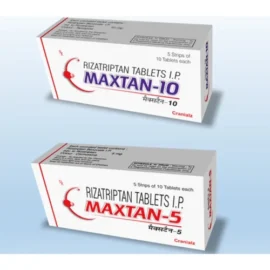
- Maxtan — Ριζατριπτάνη 5/10 mg
- Rizatop — Ριζατριπτάνη 10 mg
- Rizact — Ριζατριπτάνη (Cipla)
- Sumitop — Σουματριπτάνη 25/50/100 mg
- Περιήγηση σε όλες τις Αντι-Ημικρανικές Θεραπείες
Γιατί να παραγγείλετε από τη MedsBase
📦 Κάθε παραγγελία καλύπτεται από την Πολιτική Εγγύησης Επαναποστολής — εάν το δέμα σας δεν φτάσει εντός 20 εργάσιμων ημερών, το επαναποστέλλουμε.
Σχετικές Εναλλακτικές
Άλλα προϊόντα σε Χρόνιες Παθήσεις που οι πελάτες εξετάζουν επίσης:
Περισσότερες επιλογές στη Θεραπεία της Ημικρανίας
Ταξινομημένα σύμφωνα με τον όγκο παραγγελιών στο MedsBase — τι επιλέγουν άλλοι πελάτες σε αυτήν την κατηγορία.

| Ισχύς | 200 mg, 300 mg, 400 mg, 500 mg, 600 mg |
|---|---|
| Ποσότητα | 30 δισκία, 60 δισκία, 90 δισκία, 180 δισκία |
 Encorate Chrono
Ερωτήσεις & Απαντήσεις
Encorate Chrono
Σχετικά προϊόντα







Κριτικές
Δεν υπάρχουν ακόμη κριτικές