








Lanoxin
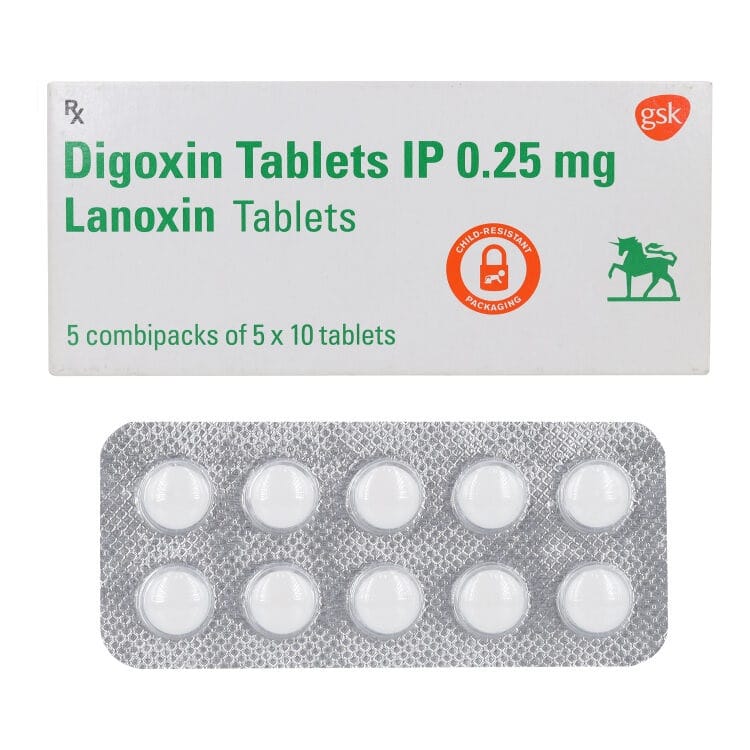
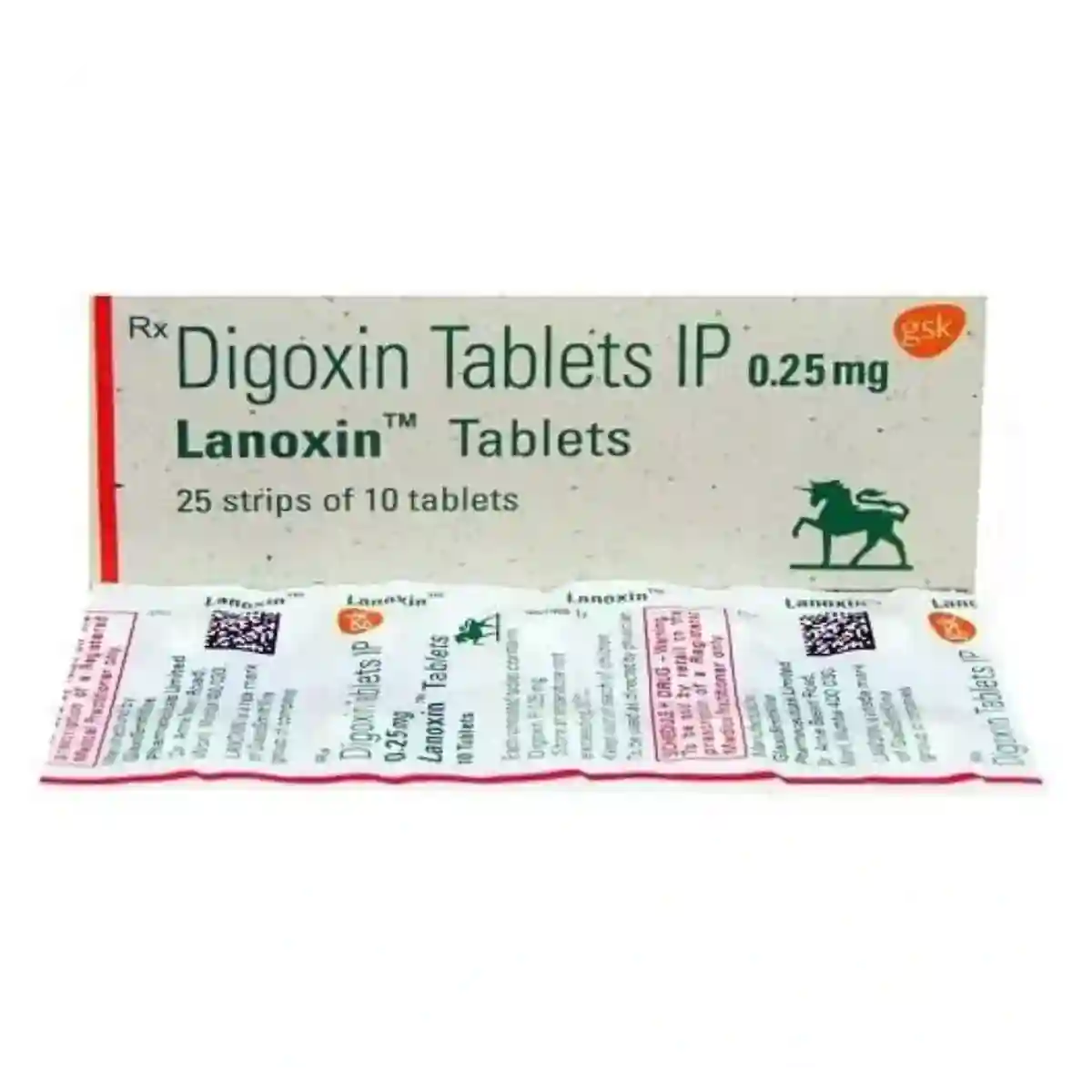
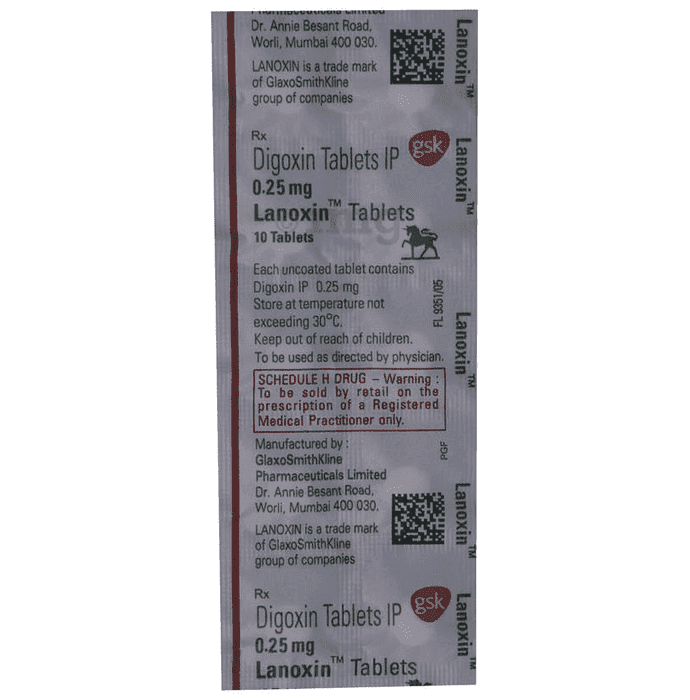
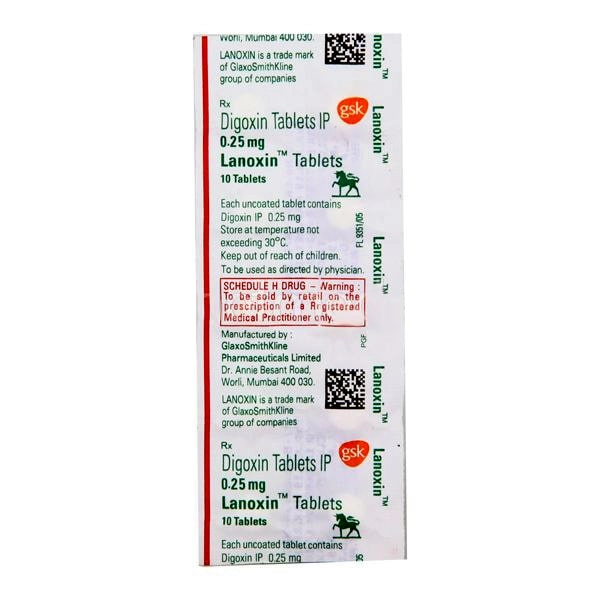

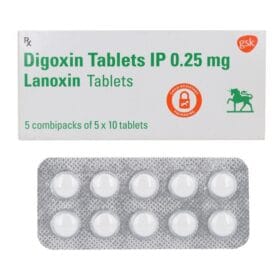
Το Lanoxin είναι τα δισκία digoxin 0.25 mg της GSK — το αναφοράς καρδιακό γλυκοζίδιο, που προέρχεται από το φυτό της digitalis και βρίσκεται σε συνεχή κλινική χρήση από τη μονογραφία του William Withering το 1785. Σύγχρονοι ρόλοι: συμπληρωματική θεραπεία σε HF-REF όταν τα συμπτώματα επιμένουν παρά τη βέλτιστη τριπλή/τετραπλή θεραπεία (δοκιμή DIG 1997 — 28% μείωση στην νοσηλεία λόγω καρδιακής ανεπάρκειας, χωρίς όφελος στη θνησιμότητα)· έλεγχος παλμών σε κολπική μαρμαρυγή όταν η δυσανεξία στα βητα-αναστολείς περιορίζει άλλες επιλογές. Στενή θεραπευτική θύρα — απαιτούνται επίπεδα ορού.
✓ Ιατρικά ελεγμένο από Morgan Ellis — Ερευνητής Φαρμακευτικής · 8 χρόνια εμπειρία · Τελευταία αναθεώρηση: Μάιος 2026
⚡ Γρήγορη απάντηση — Τι είναι το Lanoxin;
Lanoxin είναι δισκίο digoxin 0.25 mg από την GSK — ένα καρδιακό γλυκοζίδιο απομονώθηκε από το φυτό foxglove (Digitalis lanata). Η διγοξίνη είναι το παλαιότερο καρδιαγγειακό φάρμακο που εξακολουθεί να χρησιμοποιείται ευρέως στην κλινική πράξη (William Withering 1785). Σύγχρονες χρήσεις: καρδιακή ανεπάρκεια με μειωμένο κλάσμα εξώθησης (HF-REF) — συμπτωματικό όφελος και μειωμένη νοσηλεία (δοκιμή DIG 1997, χωρίς όφελος θνησιμότητας)·; έλεγχος παλμών στη κολπική μαρμαρυγή — ιδιαίτερα σε καθιστικούς ή ηλικιωμένους ασθενείς όπου η δυσανεξία στα βητα-αναστολείς περιορίζει άλλες επιλογές. Στενή θεραπευτική δείκτης — στόχος ορού 0,5-0,9 ng/mL σε καρδιακή ανεπάρκεια· 0,8-2,0 ng/mL σε κολπική μαρμαρυγή. Τοξικότητα σε >2 ng/mL, ειδικά σε νεφρική δυσλειτουργία, υποκαλιαιμία ή με αλληλεπιδρώντα φάρμακα. Τυπική δόση: 62,5-250 mcg μια φορά την ημέρα, προσαρμοσμένη σε επίπεδο + απόκριση παλμών. Απαγορεύεται στο σύνδρομο Wolff-Parkinson-White με κολπική μαρμαρυγή, δεύτερο/τρίτο βαθμό AV αποκλεισμού, σοβράδυκαρδία, υπερτροφική αποφρακτική καρδιομυοπάθεια, ενεργή μυοκαρδίτιδα.
📦 Κάθε παραγγελία καλύπτεται από την Πολιτική Εγγύησης Επαναποστολής — εάν το δέμα σας δεν φτάσει εντός 20 εργάσιμων ημερών, το επαναποστέλλουμε.
Γιατί να παραγγείλετε από τη MedsBase
Τα γενόσημα φάρμακά μας προέρχονται από κατασκευαστές που πιστοποιούνται από την WHO-GMP και αποστέλλονται παγκοσμίως σε διακριτική, απλή συσκευασία — χωρίς όνομα φαρμάκου στο εξωτερικό του δέματος. Οι πληρωμές με κάρτα δρομολογούνται μέσω ρυθμισμένου επεξεργαστή (οι περιγραφές εκκαθάρισης περιλαμβάνουν ρυθμισμένο επεξεργαστή πληρωμών με κάρτα — ποτέ “MedsBase” ή οποιοδήποτε όνομα φαρμάκου). Γίνονται δεκτές και πληρωμές με κρυπτονομίσματα και τραπεζική μεταφορά SEPA. Κάθε παραγγελία καλύπτεται από την Πολιτική Επαναποστολής Εξασφαλίσεώς μας.
Τι είναι το Lanoxin;
Το Lanoxin είναι δισκία διγοξίνης 0,25 mg από την GSK, παρεχόμενα σε συσκευασίες 30-90 δισκίων. Η διγοξίνη είναι η αναφορά των καρδιακών γλυκοσιδών, που απομονώνεται από τα φύλλα του Digitalis lanata (μαλλιαρό foxglove). Ο προκάτοχός της, η ντιγιταλίνη (από το Digitalis purpurea), εισήχθη στη δυτική ιατρική από τον William Withering στο σημαντικό μονογραφικό του 1785 “An Account of the Foxglove” — πιθανώς το πρώτο κλινικοφαρμακολογικό κείμενο με βάση αποδείξεις. Η διγοξίνη έχει στενή θεραπευτική θύρα και απαιτεί προσεκτική εξατομίκευση, παρακολούθηση επιπέδων ορού και εγρήγορση για τοξικότητα.
Πώς λειτουργεί η διγοξίνη
Η διγοξίνη αναστέλλει την νατριο-καλιούχη ATPase (Αντλία Na/K) στις μεμβράνες των μυοκαρδιακών κυττάρων. Αποτελέσματα:
- Αύξηση του ενδοκυτταρικού νατρίου — δευτερογενής μείωση της δραστικότητας του ανταλλάκτη Na/Ca, που οδηγεί σε αύξηση του ενδοκυτταρικού ασβεστίου
- Θετική ινοτροπία — πιο ισχυρή καρδιακή συστολή. Ήπιο αποτέλεσμα, χρήσιμο στη συστολική καρδιακή ανεπάρκεια.
- Αυξημένος τόνος του πνευμονογαστρικού νεύρου — μειωμένος καρδιακός ρυθμός και επιβραδυσμένη αγωγή στον κομβικό κόμβο. Αυτός είναι ο κυρίαρχος μηχανισμός ελέγχου του ρυθμού στη μαρμαρυγή.
- Νευροορμονικά αποτελέσματα — μειωμένη συμπαθητική ενεργοποίηση, μειωμένη πλάσμα νοραδρεναλίνη και ρενίνη. Μηχανισμός ωφέλειας στην καρδιακή ανεπάρκεια με μειωμένο κλάσμα εξώσεως.
- Χωρίς περιφερική αγγειοδιαστολή ή άμεση μείωση του μετεπιτόνιου φορτίου — σε αντίθεση με τους αναστολείς ACE, ARBs και ARNIs που επίσης μειώνουν την μεταθορτηική φόρτιση.
Αποδεικτικά στοιχεία και χρήσεις
Καρδιακή ανεπάρκεια με μειωμένο κλάσμα εκτίναξης (HF-REF): Δοκιμή DIG (1997) — η διγοξίνη σε 6.800 ασθενείς με καρδιακή ανεπάρκεια και μειωμένο κλάσμα εξώσεως που ήδη έλαβαν αναστολέα ΜΕΑ δεν παρήγαγε διαφορά στη θνησιμότητα αλλά μείωσε τις νοσηλείες για καρδιακή ανεπάρκεια κατά 28%. Επιπλέον αναλύσεις υποστήριξαν ότι το όφελος συγκεντρώνεται σε επίπεδα ορού 0,5-0,9 ng/mL· υψηλότερα επίπεδα (>1,2 ng/mL) έδειξαν πιθανή βλάβη. Οι σύγχρονες οδηγίες τοποθετούν τη διγοξίνη ως πρόσθετη θεραπεία για επίμονα συμπτώματα παρά τη βέλτιστη τριπλή/τετραπλή θεραπεία (αναστολέας ΜΕΑ/ARB/ARNI + β-αναστολέας + ανταγωνιστής MR + αναστολέας SGLT2).
Έλεγχος παλμού στην κολπική μαρμαρυγή και πτερυγισμό: η διγοξίνη ήταν το αρχικό φάρμακο για έλεγχο παλμού στην κολπική μαρμαρυγή. Στη σύγχρονη πρακτική προτιμώνται β-αναστολείς ή μη-διυδροπυριδινικοί αναστολείς ασβεστιακών καναλιών (διλτιαζέμη, βεραπαμίλη) για τους περισσότερους ασθενείς με κολπική μαρμαρυγή. Η διγοξίνη διατηρεί τη θέση της σε περιπτώσεις δυσανεξίας σε β-αναστολείς ή συνύπαρξης καρδιακής ανεπάρκειας που καθιστά προβληματική τη χρήση των άλλων φαρμάκων· είναι επίσης χρήσιμη σε καθιστά ηλικιωμένους ασθενείς όπου επιτυγχάνεται επαρκής έλεγχος παλμού σε ηρεμία χωρίς την απαίτηση ελέγχου παλμού κατά την άσκηση που απαιτείται σε ενεργούς ασθενείς. Η σύγχρονη χρήση συχνά προϋποθέτει την προσθήκη διγοξίνης σε β-αναστολέα παρά τη χρήση της μόνης.
Άλλες χρήσεις: ιστορικά χρησιμοποιούνταν στην υπερκολπική ταχυκαρδία (πλέον έχει αντικατασταθεί από την αδενοσίνη για την οξεία αντιμετώπιση και από την καθετηριακή εκτομή για οριστική θεραπεία).
Δοσολογία
Φόρτωση δόσης (ταχεία ψηφιοποίηση, οξεία κολπική μαρμαρυγή ή καρδιακή ανεπάρκεια): σπάνια χρησιμοποιείται στη σύγχρονη πρακτική. Εάν απαιτείται: 500 mcg από στόμα, ακολουθούμενα από 250-500 mcg σε διαστήματα 6-8 ωρών έως συνολική δόση 0.75-1.5 mg σε 24 ώρες.
Δόση συντήρησης: 62.5-250 mcg μία φορά ημερησίως. Τυπική δόση για ηλικιωμένους 62.5-125 mcg· τυπική δόση για νεότερους ενήλικες 125-250 mcg. Μείωση περαιτέρω σε νεφρική δυσλειτουργία (η διγοξίνη εκκρίνεται 70% νεφρικά).
Επιθυμητό επίπεδο σε ορό: 0.5-0.9 ng/mL σε καρδιακή ανεπάρκεια με μειωμένο κλάσμα εξώσεως; · 0.8-2.0 ng/mL στον έλεγχο παλμού στην κολπική μαρμαρυγή. Μέτρηση ελάχιστου επιπέδου (8-12 ώρες μετά τη δόση), 7 ημέρες μετά από αλλαγή δόσης.
Παρακολούθηση: βασικές εξετάσεις ηλεκτρολυτών και ούρων (κρίσιμα το κάλιο και η κρεατινίνη), ηλεκτροκαρδιογράφημα, επίπεδο διγοξίνης την 7η ημέρα, στη συνέχεια σε κάθε αλλαγή δόσης και ετησίως μόλις σταθεροποιηθεί. Επαναξιολόγηση σε οποιαδήποτε αλλαγή στη νεφρική λειτουργία, κατά την έναρξη αλληλεπιδρώντων φαρμάκων (αμιοδαρόνη, βεραπαμίλη, σπιρονολακτόνη, κλαριθρομυκίνη), ή σε κλινική ανησυχία για τοξικότητα (ναυτία, οπτικές διαταραχές, σύγχυση, οποιαδήποτε νέα αρρυθμία).
Τοξικότητα διγοξίνης (επίπεδο >2 ng/mL με συμπτώματα):
- Πρώιμα: ναυτία, έμετος, ανορεξία, σύγχυση
- Κλασικά: κιτρινοπράσινες οπτικές διαταραχές (ξανθωψία), φωτοστέφανοι
- Καρδιακά: οποιαδήποτε αρρυθμία — πιο συχνά κολπική ταχυκαρδία με AV αποκλεισμό, κοιλιακή εκτοπία, αμφίδρομη VT
- Σοβαρή: απειλητική για τη ζωή αρρυθμία, υπερκαλιαιμία (η διαρροή καλίου από την ανασταλμένη αντλία Na/K είναι δείκτης σοβαρότητας)
Αντιμετώπιση τοξικότητας: διακοπή διγοξίνης, διόρθωση καλίου και μαγνησίου, εξέταση ειδικά αντισώματα διγοξίνης (DigiFab) για απειλητικές για τη ζωή αρρυθμίες ή κάλιο >5 mmol/L σε οξεία δηλητηρίαση.
Αντενδείξεις
- Σύνδρομο Wolff-Parkinson-White με κολπική μαρμαρυγή (μπορεί να επιταχύνει την κοιλιακή απόκριση μέσω πρόσθετης οδού, προκαλώντας VF)
- Αποκλεισμός δεύτερου ή τρίτου βαθμού χωρίς βηματοδότη
- Υπερτροφική αποφρακτική καρδιομυοπάθεια (HOCM) — η θετική ινοτροπία επιδεινώνει την αποφρακτική ροή
- Ενεργή μυοκαρδίτιδα
- Κοιλιακή ταχυκαρδία ή μαρμαρυγή (η ινοτροπία μπορεί να επιδεινώσει)
- Σοβαρή βραδυκαρδία ή σύνδρομο άρρωστου κόμβου
- Βασική δηλητηρίαση από διγοξίνη (έλεγχος επιπέδου)
- Υπερευαισθησία στη διγοξίνη
Εγκυμοσύνη: σχετικά ασφαλής εάν χρειάζεται· διασχίζει τον πλακούντα· χρησιμοποιείται περιστασιακά στη θεραπεία εμβρυϊκής ταχυαρρυθμίας. Θηλασμός: συμβατό.
Αλληλεπιδράσεις Φαρμάκων
- Amiodarone — αυξάνει τα επίπεδα διγοξίνης 50-100%. Μειώστε τη δόση διγοξίνης στο μισό όταν ξεκινάτε αμιοδαρόνη.
- Βεραπαμίλη, διλτιαζέμη — αυξάνουν τα επίπεδα διγοξίνης 50-70% και προκαλούν βραδυκαρδία. Μειώστε τη δόση· παρακολουθήστε τα επίπεδα.
- Κινιδίνη, δρονεδαρόνη, προπαφενόνη — αυξάνουν σημαντικά τα επίπεδα διγοξίνης.
- Σπιρονολακτόνη, επλερενόνη — αυξάνουν μέτρια τα επίπεδα διγοξίνης (ανταγωνισμός P-γλυκοπρωτεΐνης).
- Κλαριθρομυκίνη, ερυθρομυκίνη, αζιθρομυκίνη — αυξάνουν τα επίπεδα διγοξίνης (επίδραση εντερικής μικροβιοκτόνας + P-gp). Παρακολούθηση.
- Διουρητικά βρόγχου και θειαζίδης — η υποκαλιαιμία ενισχύει τη δηλητηρίαση από διγοξίνη. Παρακολουθήστε το κάλιο· προσθέστε σπιρονολακτόνη ή επλερενόνη εάν χρειάζεται.
- Β-αναστολείς, μη-DHP CCBs — πρόσθετη βραδυκαρδία και AV αποκλεισμός.
- Χοληστυραμίνη, αντιόξινα, πίτυρα — μειώνουν την απορρόφηση της διγοξίνης. Χωρίστε τις δόσεις κατά 2 ώρες.
- Ριφαμπικίνη, Στρέπτοχορτο — μειώνουν τα επίπεδα διγοξίνης μέσω επαγωγής της P-gp.
Αποθήκευση
Αποθηκεύστε το Lanoxin κάτω από 25°C. Κρατήστε το μακριά από παιδιά.
Συχνές Ερωτήσεις
Γιατί χρειάζονται εξετάσεις αίματος με Lanoxin;
Η διγοξίνη έχει ένα στενό θεραπευτικό παράθυρο — τα αποτελεσματικά και τοξικά επίπεδα είναι πολύ κοντά μεταξύ τους και η τοξικότητα μπορεί να είναι απειλητική για τη ζωή. Τα επίπεδα ορού μετρώνται στην αρχή (μετά από 7 ημέρες σε σταθερή δόση), σε κάθε αλλαγή δόσης, σε αλλαγές της νεφρικής λειτουργίας, κατά την έναρξη αλληλεπιδρώντων φαρμάκων και σε οποιοδήποτε σύμπτωμα υποδηλώνει τοξικότητα (ναυτία, αλλαγή στην όραση, νέα αρρυθμία).
Ποια είναι τα σημάδια τοξικότητας διγοξίνης;
Πρώιμα: απώλεια όρεξης, ναυτία, εμετός. Κλασικά: αλλαγές στην όραση με κίτρινο-πράσινο χρωματισμό ή φωτοστέφανα γύρω από τα φώτα. Καρδιακά: οποιαδήποτε νέα αίσθηση παλμών ή αρρυθμία. Νευρολογικά: σύγχυση, κόπωση. Εάν εμφανιστεί οποιοδήποτε από αυτά, διακόψτε το φάρμακο και ζητήστε άμεση ιατρική αξιολόγηση — ελέγξτε το επίπεδο διγοξίνης, κάλιο και ηλεκτροκαρδιογράφημα.
Μπορώ να πάρω ιβουπροφαίνη με το Lanoxin;
Η χρόνια χρήση NSAID είναι επικίνδυνη — τα NSAID μειώνουν τη νεφρική λειτουργία, αυξάνοντας τα επίπεδα διγοξίνης (η διγοξίνη εκκρίνεται 70% νεφρικά). Χρησιμοποιήστε παρακεταμόλη για χρόνιο πόνο.
Τι γίνεται αν χάσω μια δόση;
Πάρτε το το συντομότερο δυνατόν αν το θυμηθείτε, εκτός αν έχουν περάσει περισσότερες από 12 ώρες — σε αυτήν την περίπτωση παραλείψτε τη χαμένη δόση και συνεχίστε κανονικά. Μην πάρετε διπλή δόση. Μια χαμένη δόση σπάνια αποσταθεροποιεί την πίεση του αίματος ή τον ρυθμό.
Πού μπορώ να αγοράσω Lanoxin online;
Μπορείτε να αγοράσετε Lanoxin (διγοξίνη 0.25 mg, 30-90 δισκία) από το MedsBase με διακριτική συσκευασία και παγκόσμια αποστολή.
Σχετικά Καρδιακά & Υπερτασικά Φάρμακα
- Aldactone — Σπιρονολακτόνη (μη εκλεκτικός ανταγωνιστής MR)
- Amlopres AT — Συνδυασμός Αμλοδιπίνης + Ατενολόλης
- Aten — Ατενολόλη (βηματοδέκτης)
- Cardace — Ramipril (ACE αναστολέας)
- Ecosprin — Ασπιρίνη 75/150 mg
- Lipvas — Ατορβαστατίνη 10/20/40 mg
- Περιήγηση σε όλα τα Φάρμακα για Υψηλή Πίεση Αίματος
Σχετικές Εναλλακτικές
Άλλα προϊόντα σε Χρόνιες Παθήσεις που οι πελάτες εξετάζουν επίσης:
Περισσότερες επιλογές σε φάρμακα για υψηλή πίεση αίματος
Ταξινομημένα σύμφωνα με τον όγκο παραγγελιών στο MedsBase — τι επιλέγουν άλλοι πελάτες σε αυτήν την κατηγορία.
| Ισχύς | 0.25 Mg |
|---|---|
| Ποσότητα | 30 Δισκία, 60 Δισκία, 90 Δισκία |
| Φαρμακευτική Μορφή | Δισκία |
| Κατασκευαστής | Glaxo SmithKline |
| Θεραπεία | Καρδιακή ανεπάρκεια, Αρρυθμίες |
| Γενόσημη μάρκα | Ντιγκοξίνη |
 Lanoxin
Ερωτήσεις & Απαντήσεις
Lanoxin
Σχετικά προϊόντα

Κριτικές
Δεν υπάρχουν ακόμη κριτικές