








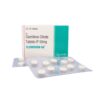
Obsenil

Obsenil (Κλομιπραμίνη 10–75 mg) — το πιο σεροτονινεργικό TCA για ΙΨΔ που ανθεκτικό σε δύο SSRI. Η υψηλότερη αποδεδειγμένη αποτελεσματικότητα για ΙΨΔ από οποιοδήποτε φάρμακο.
✓ Ιατρικά ελεγμένο από Morgan Ellis — Ερευνητής Φαρμακευτικής · 8 χρόνια εμπειρία · Τελευταία αναθεώρηση: Μάιος 2026
⚡ Γρήγορη Απάντηση
Το Obsenil (Κλομιπραμίνη 10 / 25 / 50 / 75 mg) είναι ένα τρικυκλικό αντικαταθλιπτικό. Το πιο αποτελεσματικό αντικαταθλιπτικό για ΙΨΔ· διατηρείται για ανθεκτική νόσο σε SSRI λόγω του βάρους των παρενεργειών.
📦 Κάθε παραγγελία καλύπτεται από την Πολιτική Εγγύησης Επαναποστολής — εάν το δέμα σας δεν φτάσει εντός 20 εργάσιμων ημερών, το επαναποστέλλουμε.
Γιατί να παραγγείλετε από τη MedsBase
Το Obsenil στο MedsBase παρέχεται απευθείας από έναν κατασκευαστή πιστοποιημένο από την WHO-GMP σε απλή, διακριτική συσκευασία. Κάθε παραγγελία καλύπτεται από την Πολιτική Εγγύησης Επαναποστολής — παράθυρο άφιξης 20 εργάσιμων ημερών ή επαναποστολή χωρίς χρέωση — και δικαιούται συμμετοχή στο πρόγραμμα αφοσίωσης πελατών. Διατίθεται παγκόσμια αποστολή στις περισσότερες προορισμούς.
Τι είναι το Obsenil και πώς λειτουργεί
Το Obsenil είναι ένα δισκίο που περιέχει Κλομιπραμίνη και παρέχεται από την Sun Pharma. Διαθέσιμες δόσεις: 10 / 25 / 50 / 75 mg.
Η Κλομιπραμίνη είναι το πιο σεροτονινεργικό TCA και το πιο αποτελεσματικό αντικαταθλιπτικό οποιασδήποτε κατηγορίας για ΙΨΔ. Η Μελέτη CMI-Collaborative (1991) και οι μεταγενέστερες μετα-αναλύσεις δείχνουν ότι η κλομιπραμίνη ξεπερνά τα SSRI για ΙΨΔ κατά περίπου 5–10 ποσοστιαίες μονάδες στο ποσοστό απόκρισης. Διατηρείται για ΙΨΔ που έχει αποτύχει σε τουλάχιστον δύο επαρκείς δοκιμές SSRI (συμπεριλαμβανομένης υψηλής δόσης) λόγω του βάρους της ανοχής.
Τα τρικυκλικά αντικαταθλιπτικά αναστέλλουν την επαναπρόσληψη της σεροτονίνης και της νοραδρεναλίνης στους προσυναπτικούς μεταφορείς, παρόμοια με τα SSRI και τα SNRI. Το μειονέκτημα της ανοχής τους προέρχεται από αποκλεισμό εκτός στόχου υποδοχέων: μουσκαρινικού (αντιχολινεργικές παρενέργειες), ισταμινεργικού H1 (νηστικότητα, αύξηση βάρους) και α1-αδρενοεργικού (ορθοστατική υπόταση). Επίσης αναστέλλουν τα γρήγορα κανάλια νατρίου στην καρδιακή ιστό — η βάση τόσο για τη αναλγητική τους δράση όσο και για την καρδιακή τους τοξικότητα σε υπερβολική δόση.
Οι συνδυασμοί Κλομιπραμίνης + SSRI χρησιμοποιούνται μερικές φορές για σοβαρό ανθεκτικό ΙΨΔ αλλά απαιτούν προσεκτική παρακολούθηση TDM και παρακολούθηση σύνδρομου σεροτονίνης.
Ενδείξεις και δοσολογία
| Ενδείξεις | Εκκίνηση | Στόχος | Μέγιστο |
|---|---|---|---|
| OCD (ενήλικες) | 25 mg HS × 1 εβδ | 100–250 mg/ημέρα | 250 mg |
| OCD (παιδιατρική ≥10 έτη) | 25 mg HS | 3 mg/kg ή 100 mg (χαμηλότερη) | 200 mg |
| Μείζονα κατάθλιψη / πανικός | 25 mg HS | 100–225 mg/ημέρα | 250 mg |
| Πρόωρη εκσπερμάτιση (εκτός ετικέτας) | 10–25 mg PRN ή 25 mg/ημέρα | — | — |
Σημαντικές ασφαλιστικές εκτιμήσεις
Οι TCA επιμηκύνουν το QRS και το QT, και η υπερδοσολογία είναι επικίνδυνη για τη ζωή — ιστορικά η πιο συχνή αιτία θανάτων από αντικαταθλιπτικά. Βασικό ηλεκτροκαρδιογράφημα πριν από την έναρξη σε ασθενείς με γνωστή καρδιακή νόσο, σε θεραπεία που επιμηκύνει το QT, ή σε ηλικιωμένους. Μην ξεκινάτε σε πρόσφατο έμφραγμα του μυοκαρδίου, ανωμαλία αγωγιμότητας, αντιρρυθμιστική καρδιακή ανεπάρκεια ή εκ γενετής μακρύ QT. Περιορίστε τις ποσότητες διανομής σε ασθενείς με κίνδυνο αυτοκτονίας — η θεραπευτική-το-τοξική αναλογία είναι στενή.
Ξηρό στόμα, δυσκοιλιότητα, θολή όραση, δυσκοιλιότητα ούρων, γνωστική επιβράδυνση — καθολική σε θεραπευτικές δόσεις. Αποφύγετε σε στενόγωνιο γλαύκωμα, BPH με σημαντική κατακράτηση και άνοια. Συνδυάστε με μασώμενο τσίχλα / χωρίς ζάχαρη παστίλιες, ίνες + υγρά και μαλακτικά κοπράνων.
Όλα τα αντικαταθλιπτικά φέρουν μια μαύρη προειδοποίηση FDA για αυξημένη αυτοκτονική ιδέα σε ασθενείς κάτω των 25 — ιδιαίτερα σχετική για την κλομιπραμίνη στην εφηβική OCD.
Συχνές παρενέργειες
- Αντιχολινεργική: ξηρό στόμα, δυσκοιλιότητα, θολή όραση, δυσκοιλιότητα ούρων.
- Ηρεμιστική δράση: ιδιαίτερα η δοξεπίνη και η κλομιπραμίνη· η χορήγηση πριν τον ύπνο βοηθά.
- Καρδιαγγειακά: ορθοστατική υπόταση (α1 αποκλεισμός), ταχυκαρδία, επιμήκυνση διαστήματος αγωγιμότητας.
- Μεταβολικά: αύξηση βάρους (5–10 kg σε 12 μήνες σε πολλούς ασθενείς), αυξημένη όρεξη.
- Σεξουαλικά: μειωμένη λίμπιντο, καθυστερημένη εκσπερμάτιση (μερικές φορές χρησιμοποιείται κλινικά για πρόωρη εκσπερμάτιση), δυσκολία στύσης.
- Αποχή: σταδιακή μείωση σε 4 εβδομάδες· η απότομη διακοπή προκαλεί συμπτώματα παρόμοια με γρίπη, γαστρεντερική δυσφορία και διαταραχή ύπνου.
Αλληλεπιδράσεις φαρμάκων
- MAOI — απόλυτη αντένδειξη. 14ήμερη περίοδος αποχής σε κάθε κατεύθυνση.
- SSRIs / SNRIs — πρόσθετος σεροτονινεργικός κίνδυνος· η αναστολή της CYP2D6 από τη φλουοξετίνη και τη παραξετίνη αυξάνει τα επίπεδα των TCA.
- Φάρμακα που επιμηκύνουν το QT (αζόλες, μακρολίδες, αμιοδαρόνη, σοταλόλη, μεθαδόνη, ονδασετρόνη, αντιψυχωσικά) — πρόσθετος κίνδυνος.
- Άλλα αντικολινεργικά (οξυβουτυνίνη, βενζτροπίνη, αντιισταμινικά, κλοζαπίνη, ολανζαπίνη) — πρόσθετο βάρος σε ηλικιωμένους.
- Κατασταλτικά του ΚΝΣ — πρόσθετη καταστολή.
- Τραμαδόλη, βουπροπιόνη, φθοροκινολόνες — χαμηλότερο κατώφλι επιληψίας· πρόσθετος κίνδυνος επιληψίας.
Εγκυμοσύνη, θηλασμός, παιδιατρική
Τα TCA είναι FDA εγκυμοσύνης κατηγορία C. Η έκθεση στα τελευταία στάδια της εγκυμοσύνης μπορεί να προκαλέσει νεογνική αντικινολινεργική απόσυρση. Γαλουχία: Τα TCA περνούν στη μητρική γάλα σε μικρές ποσότητες· η νορτριπτυλίνη και η ιμιπραμίνη είναι οι πιο μελετημένες. Παιδιατρική: η ιμιπραμίνη είναι άδεια χρήσης από την ηλικία των 6 ετών (ενουρησία) και η κλομιπραμίνη από την ηλικία των 10 ετών (ΙΨΔ)· η δοξεπίνη σε εφήβους μόνο με ειδική εισροή.
Αποθήκευση
Αποθηκεύστε σε θερμοκρασία 15–30 °C, μακριά από άμεση ηλιακή ακτινοβολία, στην αρχική συσκευασία. Κρατήστε μακριά από παιδιά — η παιδιατρική κατάποση TCA είναι ιατρική επείγουσα περίπτωση.
Συχνές Ερωτήσεις
Πόσο καιρό μέχρι να λειτουργήσει το Obsenil;
Τα TCA συνήθως δείχνουν όφελος εντός 2–4 εβδομάδων. Οι βελτιώσεις στον ύπνο και το άγχος εμφανίζονται συχνά την 1η εβδομάδα· το αντικαταθλιπτικό αποτέλεσμα αναπτύσσεται σε 4–6 εβδομάδες. Για ΙΨΔ, επιτρέψτε 8–12 εβδομάδες σε θεραπευτική δόση πριν από την αξιολόγηση της απόκρισης.
Γιατί δόση πριν τον ύπνο;
Η δοξεπίνη, η κλομιπραμίνη και η ιμιπραμίνη προκαλούν υπνηλία. Η δόση πριν τον ύπνο χρησιμοποιεί την υπνηλία ως πλεονέκτημα παρενέργειας (ύπνος) αντί για βάρος παρενέργειας (υπνηλία κατά τη διάρκεια της ημέρας). Επίσης μειώνει την ορθοστατική υπόταση με τον ύπνο κατά τη διάρκεια της κορύφωσης.
Είναι το Obsenil ασφαλές σε ηλικιωμένους;
Τα TCA βρίσκονται στον κατάλογο Beers Criteria ως δυνητικά ακατάλληλα φάρμακα σε ηλικιωμένους λόγω αντικινολινεργικού βάρους, ορθοστατικής υπότασης και καρδιακού κινδύνου. Δεν είναι απολύτως αντενδεικνυόμενα αλλά γενικά είναι δεύτερης γραμμής — τα SSRI/SNRI προτιμώνται εκτός εάν ένα συγκεκριμένο όφελος (π.χ. πόνος, ύπνος) υπερτερεί των κινδύνων.
Μπορώ να πιω αλκοόλ με το Obsenil;
Το αλκοόλ ενισχύει την κατασταλτική δράση και τις ορθοστατικές επιδράσεις των TCA. Περιορίστε την κατανάλωση σε περιστασιακή και μέτρια· αποφύγετε εντελώς την υπερβολική κατανάλωση αλκοόλ. Ο συνδυασμός δεν είναι συνήθως επικίνδυνος με μέτρια χρήση, αλλά προκαλεί χειρότερη αίσθηση από κάθε ουσία ξεχωριστά.
Ποιος είναι ο κίνδυνος υπερδοσολογίας;
Τα TCA είναι μεταξύ των πιο θανατηφόρων κατηγοριών φαρμάκων σε περίπτωση υπερδοσολογίας — κατάρρευση καρδιακής αγωγιμότητας, σπασμοί και κώμα μπορεί να εμφανιστούν σε σχετικά χαμηλά πολλαπλάσια της θεραπευτικής δόσης. Περιορίστε τις ποσότητες που εκδίδονται σε ασθενείς με οποιοδήποτε κίνδυνο αυτοκτονίας. Αν υπάρχει υποψία υπερδοσολογίας, προσέλθετε αμέσως στα επείγοντα — το διττανθρακικό νάτριο είναι το αντίδοτο για την καρδιακή τοξικότητα, αλλά ο χρόνος είναι κρίσιμος.
Θα επηρεάσει το Obsenil την οδήγησή μου;
Η κατασταλτική δράση και η επιβράδυνση του χρόνου αντίδρασης είναι συχνά τα πρώτα 1-2 εβδομάδες. Αποφύγετε την οδήγηση μέχρι να γνωρίζετε πώς ανέχεστε το φάρμακο σε σταθερή κατάσταση. Μερικοί ασθενείς ανέχονται πλήρεις δόσεις επ' αόριστον χωρίς να επηρεάζεται η οδηγική τους ικανότητα· άλλοι παραμένουν υπερβολικά κατασταλμένοι ακόμα και σε χαμηλές δόσεις.
Μπορεί το Obsenil να συνδυαστεί με ένα SSRI;
Γενικά όχι — ο συνδυασμός αυξάνει τον κίνδυνο σύνδρομου σεροτονίνης και τα επίπεδα TCA στο αίμα (ειδικά με φλουοξετίνη και παραξετίνη). Ο συνδυασμός χρησιμοποιείται μερικές φορές σε ανθεκτική ΙΨΔ ή κατάθλιψη υπό ειδικευμένη επίβλεψη με θεραπευτική παρακολούθηση, ποτέ εμπειρικά.
Πώς μπορώ να μειώσω σταδιακά το Obsenil;
Μειώστε κατά περίπου 25–50% της δόσης κάθε 2 εβδομάδες. Η διακοπή (μερικές φορές ονομάζεται “γριπώδης συνδρόμο TCA”) προκαλεί δυσφορία, γαστρεντερικά συμπτώματα και διαταραχές ύπνου — διαχειρίσιμα με πιο αργή μείωση. Συμβουλευτείτε τον ιατρό πριν διακόψετε.
Το Obsenil προκαλεί αύξηση βάρους;
Ναι — τα περισσότερα TCA προκαλούν σημαντική αύξηση βάρους σε 6–12 μήνες, συχνά 5–10 kg. Η δοξεπίνη και η αμιτρυπτυλίνη είναι οι χειρότερες· η νορτρυπτυλίνη λιγότερο. Αν αυτό είναι σημαντικό ζήτημα, αναφέρετέ το πριν από την έναρξη — ένα SSRI/SNRI μπορεί να είναι πιο κατάλληλο.
Μπορεί το Obsenil να χρησιμοποιηθεί για χρόνιο πόνο;
Ναι — τα TCA (ειδικά η αμιτρυπτυλίνη, η νορτρυπτυλίνη και η ιμιπραμίνη) σε χαμηλές δόσεις (10–75 mg) είναι πρώτης γραμμής για διαβητική περιφερική νευροπάθεια, μετερπητική νευραλγία και χρόνιο κεφαλαλγία τυπου τάνσεως. Ο αποκλεισμός των καναλιών νατρίου είναι ο κυρίαρχος μηχανισμός. Η αναλγητική επίδραση είναι ανεξάρτητη από την αντικαταθλιπτική και εμφανίζεται νωρίτερα (1–2 εβδομάδες).
Άλλα Φάρμακα Ψυχικής Υγείας
- Spectra (Doxepin TCA)
- Doxin (Doxepin TCA)
- Antidep (Imipramine TCA)
- Flunil (Fluoxetine SSRI)
- Duvanta (Duloxetine SNRI)
Περισσότερες επιλογές στην Ψυχική Υγεία και Ψυχιατρικά Φάρμακα
Ταξινομημένα σύμφωνα με τον όγκο παραγγελιών στο MedsBase — τι επιλέγουν άλλοι πελάτες σε αυτήν την κατηγορία.
| Ισχύς | 10 mg, 25 mg, 50 mg |
|---|---|
| Ποσότητα | 30 δισκία, 60 δισκία, 90 δισκία, 180 δισκία |
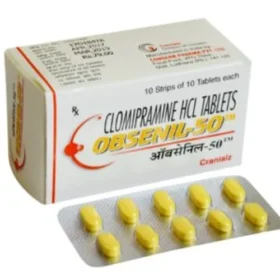 Obsenil
Ερωτήσεις & Απαντήσεις
Obsenil
Σχετικά προϊόντα

Κριτικές
Δεν υπάρχουν ακόμη κριτικές