







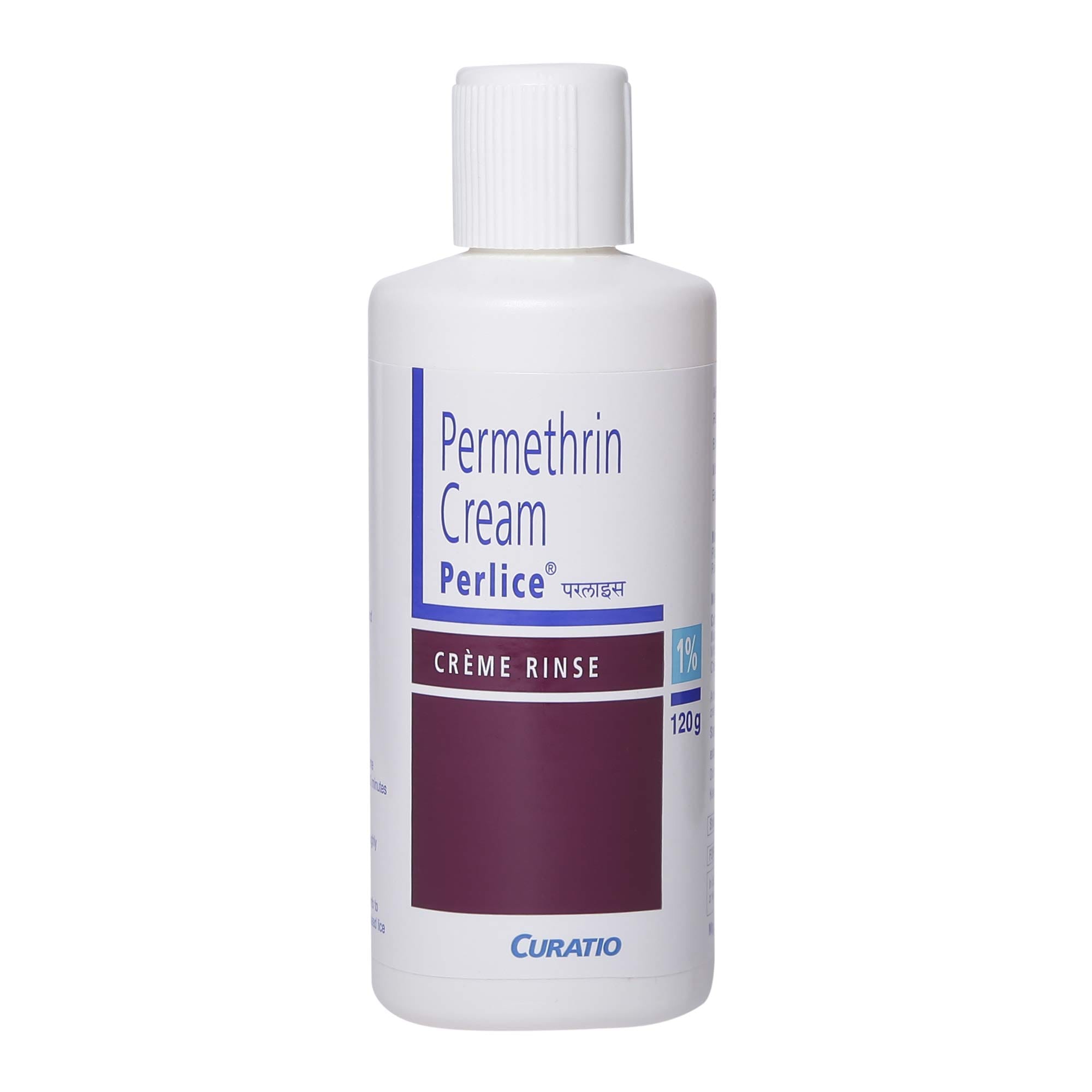
Perlice Κρέμα
✅ Αποτελεσματικό κατά των ψειρών
✅ Σκοτώνει και τα αυγά
✅ Εύκολη εφαρμογή
✅ Ελάχιστες παρενέργειες
✅ Γρήγορη ανακούφιση
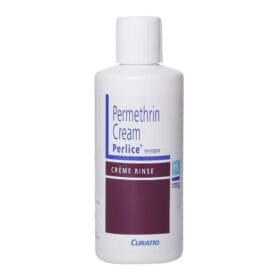
Η κρέμα Perlice περιέχει Permethrin.
✓ Ιατρικά ελεγμένο από Morgan Ellis — Ερευνητής Φαρμακευτικής · 8 χρόνια εμπειρία · Τελευταία αναθεώρηση: Μάιος 2026
⚡ Γρήγορη απάντηση — Τι είναι η κρέμα Perlice;
Perlice Κρέμα είναι permethrin 1% λοσιόν (120 ml φιάλη) για ψείρες. Εφαρμόστε σε καθαρά, στεγνωμένα με πετσέτα μαλλιά, αφήστε να δράσει για 10 λεπτά, στη συνέχεια ξεπλύνετε. Επαναλάβετε μετά από 7 ημέρες για να εξοντώσετε τις νεογέννητες ψείρες. Χτενίστε με λεπτή χτένα για ψείρες για να επιβεβαιώσετε την εξάλειψη. Ασφαλές σε παιδιά από 2 μήνες και κατά τη διάρκεια της εγκυμοσύνης / θηλασμού. Η 5% διατύπωση (Permiforce Κρέμα) είναι η σωστή επιλογή για την ψώρα, όχι αυτό το 1% λοσιόν.
📦 Κάθε παραγγελία καλύπτεται από την Πολιτική Εγγύησης Επαναποστολής — εάν το δέμα σας δεν φτάσει εντός 20 εργάσιμων ημερών, το επαναποστέλλουμε.
Γιατί να παραγγείλετε από τη MedsBase
Τα γενόσημα φάρμακά μας προέρχονται από κατασκευαστές που πιστοποιούνται από την WHO-GMP και αποστέλλονται παγκοσμίως σε διακριτική, απλή συσκευασία — χωρίς όνομα φαρμάκου στο εξωτερικό του δέματος. Οι πληρωμές με κάρτα δρομολογούνται μέσω ρυθμισμένου επεξεργαστή (οι περιγραφές εκκαθάρισης περιλαμβάνουν ρυθμισμένο επεξεργαστή πληρωμών με κάρτα — ποτέ “MedsBase” ή οποιοδήποτε όνομα φαρμάκου). Γίνονται δεκτές και πληρωμές με κρυπτονομίσματα και τραπεζική μεταφορά SEPA. Κάθε παραγγελία καλύπτεται από την Πολιτική Επαναποστολής Εξασφαλίσεώς μας.
Γιατί να παραγγείλετε από τη MedsBase
Η επιλογή του Perlice Cream από το MedsBase σας προσφέρει:
- WHO-GMP πιστοποιημένο — προέλευση από ελεγμένες εγκαταστάσεις παραγωγής
- Διακριτική συσκευασία — απλό φάκελο, χωρίς ονομασία φαρμάκου ή εμπορική σήμανση φαρμακείου
- Παγκόσμια αποστολή με Reshipment Assurance — κάθε παραγγελία καλύπτεται
- Επαληθευμένες κριτικές πελατών — 1,400+ κριτικές σε όλο τον κατάλογο
- Πολλαπλές επιλογές πληρωμής — συμπεριλαμβανομένης έκπτωσης 10% όταν πληρώνετε με κρυπτονομίσματα
Τι είναι το Perlice Cream;
Το Perlice Cream είναι ένα permethrin 1% w/v λοσιόν μαλλιών (‘κρέμα ξεπλύματος’) για τη θεραπεία των ψείρων (Pediculus humanus capitis) και των αυγών τους. Παρά το όνομα, η διατύπωση είναι ένα υγρό λοσιόν σχεδιασμένο να μασαζάρεται σε βρεγμένα μαλλιά, όχι μια παχιά κρέμα. Κάθε 120 ml φιάλη είναι αρκετή για μία ή δύο εφαρμογές στα περισσότερα κεφάλια. Το permethrin 1% είναι ένα Βασικό Φάρμακο του WHO και το πιο χρησιμοποιούμενο πεδικουλοκτόνο παγκοσμίως με δεκαετίες ασφάλειας σε παιδιά.
Πώς λειτουργεί;
Το permethrin κρατά ανοιχτά τα κανάλια νατρίου ελεγχόμενα από τάση στα νεύρα των ψείρων, παραλύοντας και σκοτώνοντας το παράσιτο. Έχει κάποια υπολειμματική ωοκτόνο δράση (σκοτώνει τα αυγά) αλλά αυγά που μόλις έχουν τοποθετηθεί μπορεί να επιβιώσουν — γι' αυτό μια δεύτερη εφαρμογή 7 ημέρες αργότερα είναι απαραίτητη. Το δέρμα των θηλαστικών ανακάμπτει από τη δέσμευση του permethrin εντός λεπτών, γεγονός που δίνει το πολύ ευρύ περιθώριο ασφάλειας.
Ενδείξεις
- Ψείρες (Pediculus humanus capitis) — θεραπεία πρώτης γραμμής σε ενήλικες και παιδιά ≥ 2 μηνών
- 1. Μπάνιο / ντους (Pthirus pubis) — εφαρμόζεται στις πληγείσες περιοχές (συχνά χρησιμοποιείται η 5% διατύπωση αντ' αυτού)
- Ψείρες του σώματος — συνήθως ως συμπλήρωμα της υγιεινής των ρούχων/κρεβατιών
Για την ψώρα, χρησιμοποιήστε τη μορφή κρέμας 5% — δείτε Permiforce Κρέμα.
Πώς να εφαρμόσετε την Perlice Κρέμα
| Βήμα | Τι να κάνετε |
|---|---|
| 1. Πλύνετε τα μαλλιά | Πλύνετε με ένα σαμπουάν χωρίς κοντισιονέρ (το κοντισιονέρ μπορεί να καλύψει τις τρίχες και να μειώσει την επαφή με την περμεθρίνη). Στεγνώστε με πετσέτα μέχρι να είναι ελαφρώς υγρά — όχι στάζοντα. |
| 2. Εφαρμόστε το λοσιόν | Χύστε αρκετό λοσιόν για να κορεστεί εντελώς το τριχωτό της κεφαλής και τα μαλλιά από τις ρίζες μέχρι τις άκρες. Μασάρισμα. Καλύψτε πίσω από τα αυτιά και στο πίσω μέρος του λαιμού — αγαπημένα κρησφύγετα των ψειρών. |
| 3. Αφήστε 10 λεπτά | Ρυθμίστε ένα χρονόμετρο. Το παραπάνω δεν είναι καλύτερο — 10 λεπτά είναι η επικυρωμένη περίοδος επαφής. |
| 4. Ξεπλύνετε | Ξεπλύνετε εντελώς με ζεστό νερό· μην ξαναπλύνετε τα μαλλιά με σαμπουάν για 24 ώρες. |
| 5. Χτένισμα με βρεγμένα μαλλιά | Ενώ τα μαλλιά είναι ακόμα βρεγμένα, χτενίστε τμήμα προς τμήμα με ένα λεπτό χτένι για ψείρες για να αφαιρέσετε νεκρές ψείρες και αβγά. Καθαρίστε το χτένι σε μια χαρτοπετσέτα μεταξύ των περασμάτων. |
| 6. Επαναλάβετε την 7η ημέρα | Μια δεύτερη εφαρμογή 7 ημέρες αργότερα σκοτώνει τις νεογέννητες ψείρες πριν μπορέσουν να γεννήσουν μια νέα γενιά. |
Παρενέργειες
- Ήπιο κνησμό, ερυθρότητα ή μουδιάσμα του τριχωτού
- Προσωρινή αίσθηση καψίματος στην αρχή της επαφής (ειδικά σε τραυματισμένο δέρμα από το ξύσιμο)
- Σπάνια: επαφής δερματίτιδα· μούδιασμα· εξάνθημα
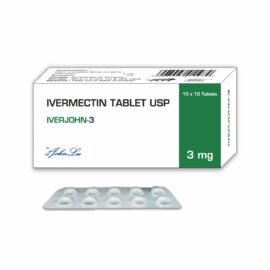
Μην εφαρμόζετε σε τραυματισμένο ή σοβαρά φλεγμονώδες δέρμα του τριχωτού χωρίς ιατρική συμβουλή. Εάν οι ψείρες παραμένουν μετά από δύο σωστά εκτελεσμένες θεραπείες και χτένισμα με βρεγμένα μαλλιά, υποψιαστείτε ανθεκτικότητα στη περμεθρίνη (τώρα κοινό σε ορισμένες περιοχές) και εναλλαγή σε λοσιόν ιβερμεκτίνης (Ivrea Shampoo) ή σε στοματική ιβερμεκτίνη (Iverjohn).
Εγκυμοσύνη, θηλασμός και παιδιά
- Εγκυμοσύνη: η περμεθρίνη 1% θεωρείται ασφαλής σε οποιοδήποτε τρίμηνο.
- Θηλασμός: συμβατή. Αποφύγετε την επαφή με το δέρμα του βρέφους κατά την εφαρμογή.
- Παιδιά ≥ 2 μηνών: ασφαλής και τυπική θεραπεία πρώτης γραμμής.
- Βρέφη < 2 μηνών: ζητήστε ειδική καθοδήγηση — συχνά χρησιμοποιείται μόνο η υγρή χτένιση.
Αλληλεπιδράσεις φαρμάκων και αντενδείξεις
Καμία κλινικά σημαντική φαρμακολογική αλληλεπίδραση επειδή η απορρόφηση από την άθικτη τριχοφυΐα είναι αμελητέα. Αποτελεί αντένδειξη σε γνωστή αλλεργία στην περμεθρίνη ή πυρεθροειδή και σε αλλεργία σε χρυσάνθεμο (πιθανή διασταυρούμενη ευαισθησία). Αποφύγετε σε ενεργή δερματίτιδα της τριχοφυΐας, σε σπασμένο δέρμα ή σε εξανθήματα έκζεμα μέχρι να βελτιωθεί το φραγματικό στρώμα.
Αποθήκευση
Αποθηκεύστε σε θερμοκρασία κάτω από 25 °C· κρατήστε σε σφραγισμένο δοχείο· μακριά από παιδιά. Αποφύγετε την επαφή με τα μάτια, το στόμα και τις βλεννογόνους μεμβράνες κατά την εφαρμογή.
Συχνές Ερωτήσεις
Πόσο γρήγορα σκοτώνει η Perlice Cream τους ψείρες;
Οι ενεργές ψείρες σκοτώνονται εντός λίγων λεπτών από την επαφή. Τα αυγά (κόκκους) χρειάζονται δεύτερη εφαρμογή την 7η ημέρα επειδή η ωοκτονητική δράση της περμεθρίνης είναι ελλιπής.
Γιατί πρέπει να κάνω υγρή χτένιση μετά τη θεραπεία;
Ακόμα και μια επιτυχημένη θεραπεία αφήνει νεκρές ψείρες και κόκκους προσκολλημένους στην τρίχα. Η υγρή χτένιση κάθε 2–3 ημέρες για δύο εβδομάδες τα αφαιρεί, σας επιτρέπει να επιβεβαιώσετε τη θεραπεία και να πιάσετε τυχόν νεογέννητες ζωντανές ψείρες πριν προλάβουν να εξαπλωθούν.
Το παιδί μου έχει ακόμα ψείρες μετά από δύο θεραπείες — τι να κάνω τώρα;
Δύο σωστά εκτελεσμένες θεραπείες συν βρεγμένο χτένισμα θα απαλλάξουν από τις τυπικές ψείρες. Η επίμονη παρουσία ψειρών συνήθως σημαίνει: ελλιπή επαφή (παρούσα αντιμεταλλωτική κρέμα, πολύ ξηρά μαλλιά), χαμένη επανεμφάνιση από επαφές ή γνήσια ανθεκτικότητα στην περμεθρίνη. Αλλάξτε σε τοπική ιβερμεκτίνη (Ivrea Shampoo) ή σε στοματική ιβερμεκτίνη (Iverjohn) και ελέγξτε τα μέλη του νοικοκυριού.
Μπορώ να χρησιμοποιήσω την κρέμα Perlice προληπτικά;
Όχι. Θεραπεύστε μόνο επιβεβαιωμένη μόλυνση — η χρήση ψειροκτόνων σε παιδιά χωρίς ψείρες ενθαρρύνει την ανθεκτικότητα και δεν προσφέρει κανένα όφελος. Αντίθετα, κάντε βρεγμένο χτένισμα τακτικά κατά τη διάρκεια ενός ξεσπάσματος στο σχολείο.
Πρέπει να θεραπεύσω όλη την οικογένεια;
Θεραπεύστε όποιον έχει επιβεβαιωμένες ζωντανές ψείρες (βρέθηκαν με βρεγμένο χτένισμα). Μην θεραπεύετε προληπτικά μέλη του νοικοκυριού που είναι καθαρά — κάντε τους βρεγμένο χτένισμα εβδομαδιαία κατά τη διάρκεια του ξεσπάσματος για να εντοπίσετε νωρίς οποιαδήποτε μόλυνση.
Τι γίνεται με τα σεντόνια, τα μαξιλάρια και τα καπέλα;
Οι ψείρες μπορούν να επιβιώσουν μακριά από το τριχωτό για ~24–48 ώρες. Πλύνετε κρεβάτια, καπέλα, βούρτσες και αντικείμενα σε στενή επαφή με το κεφάλι σε ζεστό νερό ή σφραγίστε τα σε πλαστική σακούλα για 3 ημέρες. Απορροφήστε τα έπιπλα με ηλεκτρική σκούπα· τα εντομοκτόνα σπρέι για έπιπλα δεν είναι απαραίτητα.
Είναι ασφαλής η λοσιόν περμεθρίνης κατά την εγκυμοσύνη;
Ναι, ο ΠΟΥ και οι περισσότερες εθνικές οδηγίες κατατάσσουν την περμεθρίνη ως προτιμώμενο εντομοκτόνο σε οποιοδήποτε τρίμηνο.
Μπορώ να λούσω τα μαλλιά μου την επόμενη ημέρα μετά τη θεραπεία;
Αποφύγετε το λούσιμο για τις πρώτες 24 ώρες μετά το ξέπλυμα του λοσιόν — η υπολειμματική περμεθρίνη στα μαλλιά συμβάλλει στην εξόντωση τυχόν ψειρών που δεν εξοντώθηκαν στην πρώτη επαφή.
Γιατί το μπουκάλι ονομάζεται ‘Κρέμα’;
Σύμβαση ονομασίας μάρκας. Η σύνθεση είναι ένα υγρό λοσιόν / κρέμα ξεπλύματος — όχι μια παχιά κρέμα. Η παχύτερη κρέμα περμεθρίνης 5% για την ψώρα είναι Permiforce Κρέμα.
Η Perlice Cream σκοτώνει τα αβγά (νίτς);
Μερικώς. Η επανάληψη μετά από 7 ημέρες είναι απαραίτητη επειδή τα αβγά που επιβιώνουν μετά από την πρώτη εφαρμογή εκκολάπτονται σε 7–10 ημέρες· η δεύτερη θεραπεία εξοντώνει τη νέα γενιά πριν ωριμάσει.
Άλλες Θεραπείες για Ψείρες και Ψώρα
Ασθενείς στους οποίους μια μόνο Perlice Cream (περμεθρίνη 1%) εφαρμογή αποδεικνύεται ανεπαρκής — έναν περιορισμό καλά τεκμηριωμένο σε περιοχές με υψηλή εμφάνιση αντοχής — μπορεί να επιτύχουν πλήρη εξάλειψη με Το Σαμπουάν Ivrea (σαμπουάν ιβερμεκτίνης 1%), η οποία δρα μέσω καναλιών χλωριούχου που ρυθμίζονται από γλουταμινικό και που παρακάμπτουν εντελώς το μονοπάτι αντοχής στις πυρεθροειδείς.
- Permiforce Κρέμα — κρέμα περμεθρίνης 5% για ψώρα
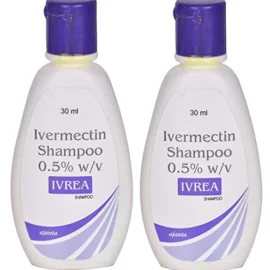
- Ivrea Shampoo — τοπική ιβερμεκτίνη 1% — εναλλακτική για ανθεκτικούς ψείρες
- Iverjohn — στοματική ιβερμεκτίνη 3 / 6 / 12 mg — για σοβαρές ή ανθεκτικές σε θεραπεία περιπτώσεις ψείρων
- Verpin — δισκία ιβερμεκτίνης 6 mg
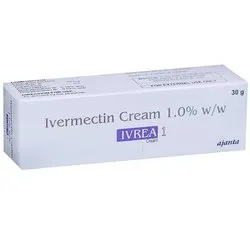
- Ivrea Cream — τοπική ιβερμεκτίνη 1% — εκτός ετικέτας επιλογή για μικρές περιοχές με ψείρες
Ιατρική Αποποίηση Ευθύνης
Αυτή η σελίδα είναι για εκπαιδευτικούς σκοπούς και δεν αποτελεί υποκατάστατο ιατρικής συμβουλής. Ανθεκτικές ή άτυπες μολύνσεις, επίμονος φαγούρα παρά τη σωστή εφαρμογή, μολυσμένα παιδιά < 2 ετών, ασθενείς με ανοσοκαταστολή (κίνδυνος κρούστωσης νορβηγικής ψώρας) και περιπτώσεις εγκυμοσύνης/θηλασμού απαιτούν κλινική αξιολόγηση. Σοβαρές ευρείες δερματικές λοιμώξεις, πυρετός ή συστηματικά συμπτώματα μετά από μια σειρά θεραπείας απαιτούν άμεση ιατρική επανεξέταση. Συζητήστε πάντα τη θεραπεία κατά την εγκυμοσύνη ή τον θηλασμό με έναν κλινικό γιατρό.
Περισσότερες επιλογές σε Θεραπείες για Ψείρες & Ψώρα
Ταξινομημένα σύμφωνα με τον όγκο παραγγελιών στο MedsBase — τι επιλέγουν άλλοι πελάτες σε αυτήν την κατηγορία.
| Ισχύς | 1% 120ml |
|---|---|
| Ποσότητα | 1 Φιαλίδα, 2 Φιαλίδες, 3 Φιαλίδες, 6 Φιαλίδες |
 Perlice Κρέμα
Ερωτήσεις & Απαντήσεις
Perlice Κρέμα
Σχετικά προϊόντα


Κριτικές
Δεν υπάρχουν ακόμη κριτικές