







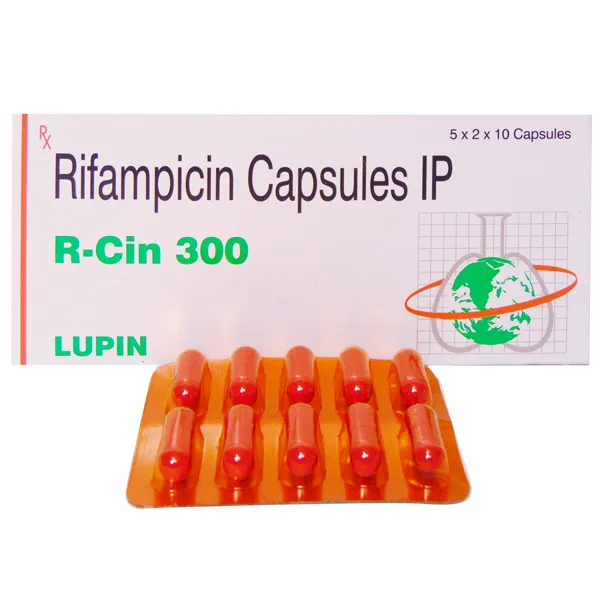
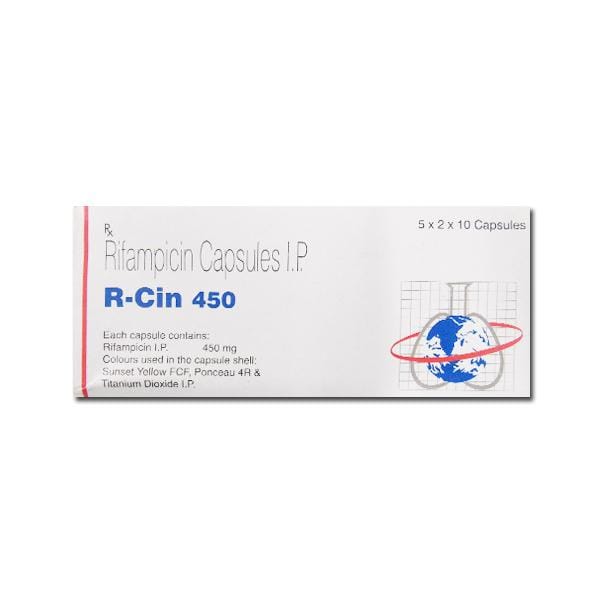
R-Cin
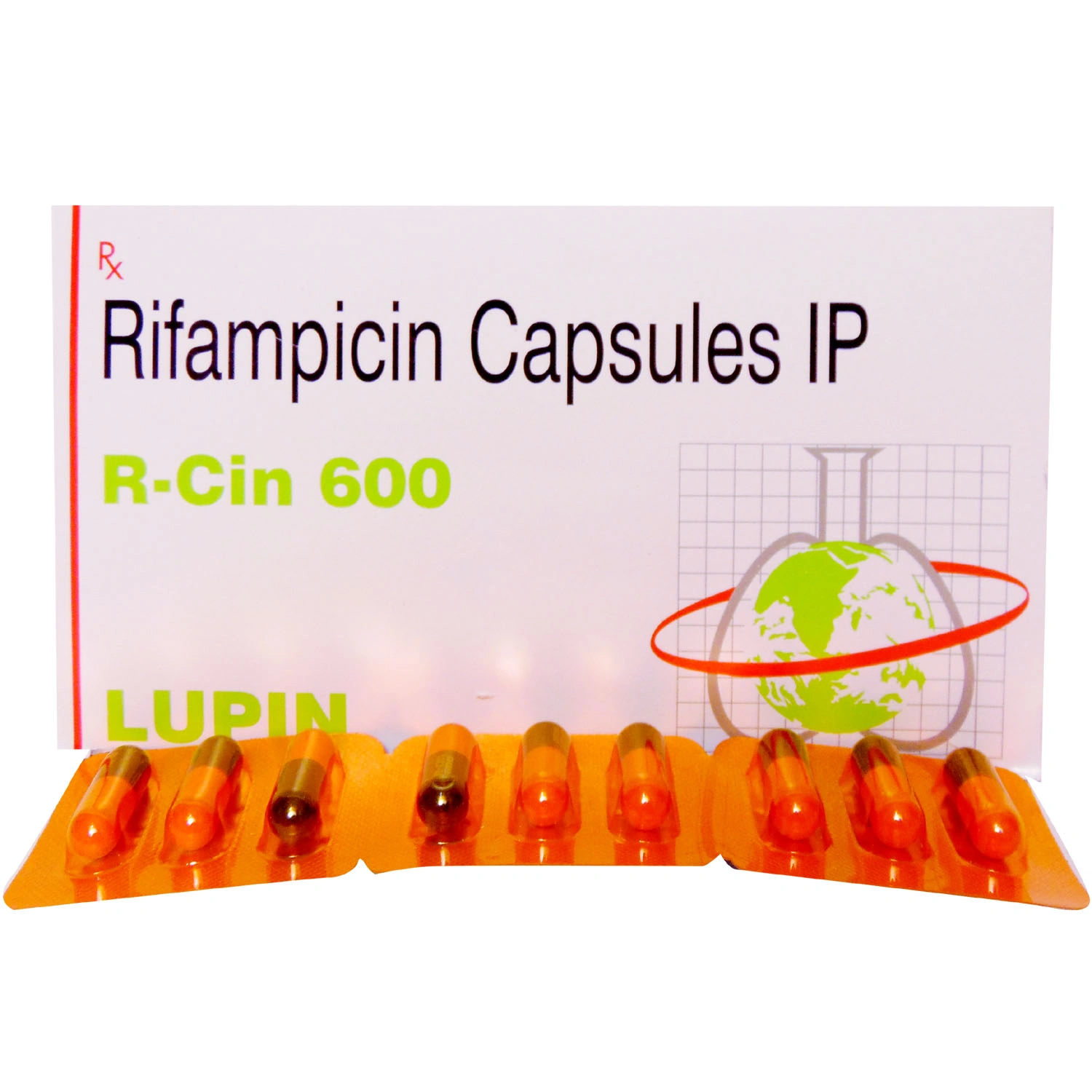


✅ Θεραπεία φυματίωσης
✅ Αποτρέπει την ανάπτυξη βακτηρίων
✅ Μειώνει τη διάρκεια της θεραπείας
✅ Μειώνει τον κίνδυνο μετάδοσης
✅ Μειώνει την αντοχή στα φάρμακα
Το R-Cin περιέχει Ριφαμπικίνη.
✓ Ιατρικά ελεγμένο από Morgan Ellis — Ερευνητής Φαρμακευτικής · 8 χρόνια εμπειρία · Τελευταία αναθεώρηση: Μάιος 2026
⚡ Γρήγορη Απάντηση — Τι είναι το R-Cin;
R-Cin περιέχει ριφαμπικίνη (300 mg / 450 mg / 600 mg καψούλες) από έναν κατασκευαστή πιστοποιημένο από τη WHO-GMP (παράγεται από τη Cipla) — ένα βακτηριοκτόνο αντιφυματικό αντιβιοτικό που αναστέλλει την βακτηριακή DNA-εξαρτώμενη RNA πολυμεράση. Τυπική δόση για ενήλικες με ενεργή φυματίωση: 10 mg/kg μια φορά την ημέρα (συνήθως 450 mg για 38–55 kg, 600 mg για > 55 kg) με άδειο στομάχι — μία ώρα πριν από το φαγητό ή δύο ώρες μετά. Η ριφαμπικίνη δεν χρησιμοποιείται ποτέ μόνη της για ενεργή φυματίωση; · συνδυάζεται πάντα με ισονιαζίδη, πυραζιναμίδη και εθαμβουτόλη (το σχήμα 4 φαρμάκων RIPE) για τους πρώτους δύο μήνες, και στη συνέχεια συνεχίζεται με ισονιαζίδη για τέσσερις ακόμη μήνες. Η μονοθεραπεία με ριφαμπικίνη έχει καθορισμένες χρήσεις σε λανθάνουσα φυματιωτική λοίμωξη (4-μηνη μονοθεραπεία), λέπρα, προφύλαξη επαφής για μηνιγγοκοκκική λοίμωξη, λοιμώξεις οστών/αρθρώσεων από MRSA και βρουκέλλωση. Αναμένεται πορτοκαλοκόκκινη αποχρωματισμός των ούρων, του ιδρώτα, των δακρύων και του σάλιου (αβλαβής αλλά μπορεί να κηλίδει μόνιμα τις μαλακές φακές επαφής). Η ριφαμπικίνη είναι ένας πολύ ισχυρός επαγωγέας των CYP3A4/2C9/2C19 και μειώνει την αποτελεσματικότητα δεκάδων φαρμάκων, συμπεριλαμβανομένων των ορικών αντισυλληπτικών, της βαρφαρίνης, των DOACs, των στατίνων, της μεθαδόνης, των ανοσοκατασταλτικών, των αντιρετροϊικών και πολλών άλλων.
📦 Κάθε παραγγελία καλύπτεται από την Πολιτική Εγγύησης Επαναποστολής — εάν το δέμα σας δεν φτάσει εντός 20 εργάσιμων ημερών, το επαναποστέλλουμε.
Γιατί να παραγγείλετε από τη MedsBase
Τα γενόσημα φάρμακά μας προέρχονται από κατασκευαστές που πιστοποιούνται από την WHO-GMP και αποστέλλονται παγκοσμίως σε διακριτική, απλή συσκευασία — χωρίς όνομα φαρμάκου στο εξωτερικό του δέματος. Οι πληρωμές με κάρτα δρομολογούνται μέσω ρυθμισμένου επεξεργαστή (οι περιγραφές εκκαθάρισης περιλαμβάνουν ρυθμισμένο επεξεργαστή πληρωμών με κάρτα — ποτέ “MedsBase” ή οποιοδήποτε όνομα φαρμάκου). Γίνονται δεκτές και πληρωμές με κρυπτονομίσματα και τραπεζική μεταφορά SEPA. Κάθε παραγγελία καλύπτεται από την Πολιτική Επαναποστολής Εξασφαλίσεώς μας.
Τι είναι το R-Cin (Ριφαμπικίνη)
Το R-Cin είναι η επωνυμία της Cipla για ριφαμπικίνη, ένα ημι-συνθετικό αντιβιοτικό ριφαμυκίνης που εισήχθη στα τέλη της δεκαετίας του 1960 και βρίσκεται στον Μοντέλο Κατάλογου Βασικών Φαρμάκων του ΠΟΥ. Κάθε αδιαφανές κόκκινο και μπορντό καψάκι περιέχει 300 mg, 450 mg ή 600 mg ριφαμπικίνης. Η ριφαμπικίνη είναι βακτηριοκτόνο κατά Mycobacterium tuberculosis, M. leprae, και μια σειρά από σταφυλόκοκκους, νείσσειες και άλλα ενδοκυτταρικά παθογόνα. Είναι το πιο σημαντικό αποστειρωτικό φάρμακο στη σύγχρονη βραχύχρονη θεραπεία της φυματίωσης — το μοναδικό παράγοντα που επέτρεψε τη μείωση της διάρκειας θεραπείας από 18–24 μήνες σε 6 μήνες τη δεκαετία του 1970.
Πώς Λειτουργεί το R-Cin (Μηχανισμός)
Η ριφαμπικίνη δεσμεύεται στη β-υπομονάδα της βακτηριακής DNA-εξαρτώμενης RNA πολυμεράσης, αποκλείοντας την έναρξη της μεταγραφής RNA. Οι θηλαστικές RNA πολυμεράσες δεν επηρεάζονται επειδή η δομή τους διαφέρει στην τσέπη δέσμευσης της ριφαμπικίνης. Το φάρμακο διεισδύει σε κύτταρα ξενιστών, γρανυλώματα, κοιλότητες απόστημα και εγκεφαλονωτιαίο υγρό σε φλεγμονώδεις μήνιγγες — γι' αυτό είναι τόσο σημαντικό κατά των ενδοκυτταρικών και διαμερισματικά ανθεκτικών λοιμώξεων. Η αντοχή προκύπτει μέσω σημειακών μεταλλάξεων στο rpoB γονίδιο που κωδικοποιεί τη β-υπομονάδα της πολυμεράσης· αυτός είναι ο λόγος για τον οποίο η ριφαμπικίνη πρέπει πάντα να συνδυάζεται με τουλάχιστον ένα άλλο ενεργό παράγοντα όταν θεραπεύονται οργανισμοί με υψηλό βακτηριακό φορτίο (όπως ενεργή φυματίωση).
Ενδείξεις — Τι Θεραπεύει το R-Cin
1. Ενεργή φυματίωση (μόνο σε συνδυασμένη θεραπεία)
Η ριφαμπικίνη είναι ο ακρογωνιαίος λίθος του 6μηνου βραχύχρονου θεραπευτικού σχήματος του ΠΟΥ για φαρμακοευαίσθητη πνευμονική και εξωπνευμονική φυματίωση:
| Φάση | Διάρκεια | Φάρμακα |
|---|---|---|
| Εντατική | 2 μήνες | Ριφαμπικίνη + Ισονιαζίδη + Πυραζιναμίδη + Εθαμβουτόλη (RIPE) |
| Συνέχεια | 4 μήνες | Ριφαμπικίνη + Ισονιαζίδη (RH) |
Η ελάχιστη συνολική διάρκεια είναι 6 μήνες. Μακρύτερα σχήματα (9–12 μήνες) χρησιμοποιούνται για τη φυματίωση των μηνιγγίων, τη φυματίωση των οστών/αρθρώσεων και τη διάχυτη νόσο. Η θεραπεία πρέπει να επιβλέπεται — η άμεσα παρατηρούμενη θεραπεία (DOT) συνιστάται στα περισσότερα εθνικά προγράμματα για να διασφαλιστεί η συμμόρφωση και να αποτραπεί η εμφάνιση της MDR-TB.
2. Λανθάνουσα φυματιωτική λοίμωξη (LTBI)
Για ασθενείς με θετικό δερματικό τεστ φυματίωσης ή δοκιμασία απελευθέρωσης ιντερφερόνης-γάμμα αλλά χωρίς ενεργή νόσο, τέσσερις μήνες μονοθεραπείας με ριφαμπικίνη σε δόση 10 mg/kg/ημέρα (το σχήμα 4R) είναι μία από τις προτιμώμενες επιλογές της WHO. Η δοκιμασία του 2017 στο NEJM από τους Menzies et al. έδειξε ότι το 4R δεν ήταν κατώτερο από 9 μήνες ισονιαζίδης και είχε σημαντικά λιγότερα περιστατικά ηπατοτοξικότητας, χαμηλότερη διακοπή και καλύτερους ρυθμούς ολοκλήρωσης. Αυτή είναι η μόνη τυπική κατάσταση όπου η ριφαμπικίνη χρησιμοποιείται σωστά ως μοναδικό παράγοντα για φυματιωτική λοίμωξη.
3. Λέπρα (πολυφαρμακοθεραπεία για πολυβακτηριδιακή λέπρα)
Το πολυφαρμακοθεραπευτικό σχήμα της WHO για πολυβακτηριδιακή λέπρα είναι μηνιαία ριφαμπικίνη 600 mg + μηνιαία κλοφαζιμίνη 300 mg + ημερήσια κλοφαζιμίνη 50 mg + ημερήσια δαψόνη 100 mg, για 12 μήνες. Η ριφαμπικίνη είναι το πιο γρήγορα βακτηριοκτόνο φάρμακο κατά M. leprae — μία μόνο δόση 600 mg σκοτώνει περισσότερα από το 99% των βιώσιμων οργανισμών.
4. Πρόληψη μηνιγγοκοκκικής νόσου
Οι στενοί επαφές επιβεβαιωμένης περίπτωσης μηνιγγοκοκκικής νόσου μπορούν να λάβουν ριφαμπικίνη 600 mg δύο φορές ημερησίως για 2 ημέρες (ενήλικες· προσαρμοσμένη σε βάρος σε παιδιά) για την εξάλειψη της ρινοφαρυγγικής φορέας. Μία μόνο δόση κυπροφλοξασίνης 500 mg ή μία μόνο δόση ceftriaxone 250 mg IM είναι εξίσου αποδεκτές εναλλακτικές, ειδικά όταν η ριφαμπικίνη θα αλληλεπιδρούσε με τρέχουσα φαρμακευτική αγωγή.
5. Σταφυλοκοκκικές λοιμώξεις οστών, αρθρώσεων και προτεθειμένων συσκευών
Η ριφαμπικίνη προστίθεται στη βακκομυκίνη, τη δαπτομυκίνη ή τις β-λακτάμες για σοβαρές σταφυλοκοκκικές λοιμώξεις που περιλαμβάνουν βιοφιλμ — ειδικά λοιμώξεις προτεθειμένων αρθρώσεων και λοιμώξεις ενδοκαρδίτιδας σε προτεθειμένες βαλβίδες. Η ριφαμπικίνη διεισδύει στο βιοφιλμ όπου τα περισσότερα αντιβιοτικά δεν μπορούν. Πρέπει πάντα να συνδυάζεται για να αποτραπεί ταχεία αντοχή.
6. Βρουκέλλωση
Η ριφαμπικίνη 600–900 mg/ημέρα σε συνδυασμό με δοξυκυκλίνη 100 mg δύο φορές ημερησίως για 6 εβδομάδες είναι ένα από τα τυπικά σχήματα της WHO για μη περίπλοκη βρουκέλλωση. Ένα αμινογλυκοσίδιο (στρεπτομυκίνη ή γενταμυκίνη) προστίθεται για σπονδυλίτιδα ή ενδοκαρδίτιδα.
Χορήγηση
| Ενδείξεις | Δόση ενηλίκων | Παιδιατρική δόση |
|---|---|---|
| Ενεργή φυματίωση (σε συνδυασμό) | 10 mg/kg μία φορά ημερησίως, μέγιστο 600 mg • 38–55 kg → 450 mg • > 55 kg → 600 mg | 15 mg/kg μία φορά ημερησίως, μέγιστο 600 mg |
| Λανθάνουσα φυματίωση (4R) | 10 mg/kg μία φορά ημερησίως για 4 μήνες | 15 mg/kg μία φορά ημερησίως για 4 μήνες |
| Λέπρα (πολυβακτηριδιακή) | 600 mg μία φορά μηνιαίως × 12 μήνες | 10 mg/kg μία φορά το μήνα |
| Προφύλαξη από μηνιγγοκοκκική λοίμωξη | 600 mg δύο φορές την ημέρα για 2 ημέρες | 10 mg/kg δύο φορές την ημέρα × 2 ημέρες (μέγιστο 600 mg/δόση) |
| Λοίμωξη οστών/άρθρωσης/προσθετικής συσκευής | 300–600 mg δύο φορές την ημέρα, σε συνδυασμό | Υπό την επίβλεψη ειδικού |
| Βρουκέλλωση (με δοξυκυκλίνη) | 600–900 mg μία φορά την ημέρα για 6 εβδομάδες | 15–20 mg/kg/ημέρα |
Λήψη με άδειο στομάχι — μία ώρα πριν το φαγητό ή δύο ώρες μετά. Το φαγητό (ειδικά τα λιπαρά γεύματα) μειώνει την απορρόφηση κατά ~30%. Καταπιείτε τις κάψουλες ολόκληρες με νερό· μην τις σπάτε ή τις ανοίγετε.
Υποχρεωτική Παρακολούθηση
Επιπλέον παρακολούθηση ανάλογα με το σχήμα θεραπείας: πλήρες αίμα (η ριφαμπικίνη μπορεί να προκαλέσει θρομβοπενία και σπάνια αιμολυτική αναιμία), ουρία/κρεατινίνη, έρευνα πτυέλου/καλλιέργεια (για ενεργή φυματίωση — η μετατροπή σε 2 μήνες είναι ο κύριος δείκτης αποτελεσματικότητας), κατάσταση HIV (η συνεπάρκεια TB-HIV αλλάζει το σχήμα θεραπείας).
Παρενέργειες
Συχνά (αναμενόμενα και συνήθως αβλαβή):
- Πορτοκαλί-κόκκινη αποχρωματισμός των ούρων, του ιδρώτα, των δακρύων, του σάλιου (πάντα — επιβεβαιώνει την απορρόφηση· μπορεί να κηλιδώσει μόνιμα τις μαλακές φακούς επαφής)
- Ναυτία, απώλεια όρεξης, δυσφορία στην κοιλιά — βελτιώνονται μέσα στις πρώτες 1–2 εβδομάδες
- Ήπιο εξάνθημα, ειδικά τον πρώτο μήνα
Σπάνια αλλά σημαντικά:
- Φαρμακογενής ηπατίτιδα (5–10% έχουν ασυμπτωματική αύξηση των τρανσαμινάσεων· ~1% αναπτύσσουν κλινική ηπατίτιδα — υψηλότερος κίνδυνος σε ηλικιωμένους ασθενείς, καταναλωτές αλκοόλ, φορείς ηπατίτιδας Β/Γ και όταν συνδυάζεται με ισονιαζίδη + πυραζιναμίδη)
- Συνδρομο γρίπης — πυρετός, ρίγη, πονοκέφαλος, μυαλγία — ειδικά με διαλείπουσα (δύο ή τρεις φορές την εβδομάδα) δοσολογία ή μετά την επανέναρξη
- Θρομβοπενία, αιμολυτική αναιμία, ηωσινοφιλία (σπάνια· ανοσομεσολαβούμενη· διακόψτε το φάρμακο)
- Οξεία νεφρική βλάβη (σπάνια· συνήθως με διαλείπουσα δοσολογία)
- Υπερευαισθησία με εξάνθημα, κνίδωση, αγγειοοίδημα, αναφυλαξία (σπάνια· μόνιμη αντίθεση)
- Σύνδρομο Stevens-Johnson / τοξική επιδερμική νεκρόλυση (πολύ σπάνια· μόνιμη αντίθεση)
Αλληλεπιδράσεις Φαρμάκων
| Κατηγορία φαρμάκου / παραδείγματα | Αλληλεπίδραση με ριφαμπικίνη | Τι να κάνετε |
|---|---|---|
| Συνδυαστικά / μόνο προγεστογόνα από του στόματος αντισυλληπτικά, τοποθέτηση, δακτύλιος, εμφύτευμα | Σημαντική απώλεια αποτελεσματικότητας | Χρησιμοποιήστε αντισυλληπτική μέθοδο φραγμού (προφυλακτικά) ή χαλκό IUD καθ' όλη τη διάρκεια και για 4 εβδομάδες μετά |
| Βαρφαρίνη | Το INR πέφτει απότομα. Κίνδυνος θρόμβωσης | Παρακολουθήστε το INR εβδομαδιαία. Αναμένεται να χρειαστεί αύξηση δόσης 2–3 φορές. Επαναλάβετε τον έλεγχο εβδομαδιαία για 4 εβδομάδες μετά τη διακοπή της ριφαμπικίνης |
| DOACs (απιξαμπάνη, ριβαροξαμπάνη, νταμπιγατράνη, εδοξαμπάνη) | Όλα τα επίπεδα DOAC πέφτουν σημαντικά | Αλλάξτε σε βαρφαρίνη (ή LMWH) για τη διάρκεια της θεραπείας με ριφαμπικίνη |
| Στατίνες (σιμβαστατίνη, ατορβαστατίνη, λοβαστατίνη) | Τα επίπεδα πλάσματος μειώνονται > 50% | Αλλαγή σε φλουβαστατίνη, ροσουβαστατίνη ή πραβαστατίνη (λιγότερο επηρεαζόμενες)· συζήτηση με τον ιατρό |
| Αναστολείς πρωτεάσης HIV (λοπιναβίρ, αταζαναβίρ, δαρουναβίρ) | Κατάρρευση επιπέδων PI· αποτυχία ART | Αλλαγή της ριφαμπικίνης σε ριφαβουτίνη ή αλλαγή του σχήματος ART — απαραίτητη εξειδικευμένη γνώμη |
| HIV NNRTIs (εfavirenz OK; nevirapine μειωμένη) | Μεταβλητή | Το ART με βάση το εφαβιρένζ είναι γενικά συμβατό με τη ριφαμπικίνη |
| Ντολουτεγκραβίρ, ραλτεγκραβίρ | Μειωμένα επίπεδα | Ντολουτεγκραβίρ 50 mg δύο φορές την ημέρα με ριφαμπικίνη· ραλτεγκραβίρ 800 mg δύο φορές ημερησίως |
| Μεθαδόνη | Αποχώρηση εντός ημερών | Αύξηση της δόσης μεθαδόνης 50–100% με παρακολούθηση· προειδοποίηση του ασθενούς πριν από την έναρξη της ριφαμπικίνης |
| Τακρολιμους, κυκλοσπορίνη, σιρολιμους, εβερολιμους | Πτώση των ελάχιστων επιπέδων· κίνδυνος απόρριψης μεταμοσχεύματος | Συμβουλή ειδικής ομάδας μεταμοσχεύσεων πριν την έναρξη της ριφαμπικίνης |
| Φαινυτοΐνη, καρβαμαζεπίνη | Πτώση των επιπέδων αντισπασμωδικών· κίνδυνος επιληπτικών κρίσεων | Παρακολούθηση επιπέδων· συχνά απαιτείται αύξηση δόσης |
| Κορτικοστεροειδή (πρεδνιζολόνη, δεξαμεθαζόνη) | Η κάθαρση των στεροειδών σχεδόν διπλασιάζεται | Αύξηση της δόσης στεροειδών σε περίπτωση θεραπείας νόσου Addison, άσθματος ή αυτοάνοσης έξαρσης |
| Ιτρακοναζόλη, κετοκοναζόλη, βορικοναζόλη | Δραματική πτώση των επιπέδων αντιμυκητιασικών | Αποφύγετε τον συνδυασμό — εξετάστε τη χρήση φλουκοναζόλης (λιγότερο επηρεαζόμενη) ή αμφοτερικίνης |
| Σουλφονυλουρίες (γλυκλαζίδη, γλιμεπριδίη, γλιπιζίδη) | Επιδείνωση της γλυκαιμικής ρύθμισης | Παρακολούθηση γλυκόζης αίματος· προσαρμογή δόσης ανάλογα με την ανάγκη |
| Levothyroxine | Αυξημένη κάθαρση· αύξηση της TSH | Επαναλάβετε τη μέτρηση της TSH σε 6 εβδομάδες· αναμένεται αύξηση της δόσης λεβοθυροξίνης |
| Θεοφυλλίνη, β-αναστολείς (μεταβολίζονται), οπιοειδή (κωδεΐνη, οξυκοδόνη) | Μειωμένη επίδραση | Κλινική παρακολούθηση· προσαρμογή δόσης ανάλογα με την επίδραση |
Αυτή η λίστα δεν είναι εξαντλητική. Πάντα να ζητάτε από φαρμακοποιό ή γιατρό να ελέγξει κάθε ταυτόχρονη φαρμακευτική αγωγή και συμπλήρωμα — συμπεριλαμβανομένων των χωρίς ιατρική συνταγή αναλγητικών, φυτικών παρασκευασμάτων και συμπληρωματικών φαρμάκων.
Αντενδείξεις και προφυλάξεις
- Γνωστή υπερευαισθησία στη ριφαμπικίνη ή οποιοδήποτε ριφαμυκίνη (ριφαμπουτίνη, ριφαπεντίνη)
- Οξεία ηπατική νόσος, εμφανής ίκτερος ή χρόνια ηπατική νόσος με σημαντική δυσλειτουργία
- Ταυτόχρονη χορήγηση σακιναναβίρ + ριτοναβίρ (σοβαρή ηπατοτοξικότητα)
- Πορφυρία (η ριφαμπικίνη μπορεί να προκαλέσει οξείες κρίσεις)
Χρήση με προσοχή σε: διαταραχή χρήσης αλκοόλ, χρόνια ηπατίτιδα Β ή C, υποσιτισμός (έλλειψη βιταμίνης Κ → κίνδυνος αιμορραγίας), ηλικιωμένοι, ιστορικό φαρμακογενούς ηπατίτιδας. Η διαχείριση του διαβήτη μπορεί να γίνει πιο δύσκολη· οι απαιτήσεις σε ινσουλίνη συχνά αυξάνονται.
Έγκυος, Θηλάζουσα και Παιδιά
Η ριφαμπικίνη είναι μέρος του τυπικού θεραπευτικού σχήματος της ΠΟΥ για τη φυματίωση κατά τη διάρκεια της εγκυμοσύνης — οι κίνδυνοι της μη θεραπευμένης ενεργής φυματίωσης για τη μητέρα και το έμβρυο υπερτερούν κατά πολύ του πολύ μικρού θεωρητικού κινδύνου του φαρμάκου. Προστίθεται βιταμίνη Κ 10 mg από του στόματος καθημερινά τις τελευταίες 4 εβδομάδες της εγκυμοσύνης για τη μείωση του κινδύνου νεογνικής αιμορραγίας. Συμβατή με το θηλασμό (μικρές ποσότητες στο γάλα· όχι αρκετές για θεραπεία του βρέφους και όχι αρκετές για βλάβη). Χρησιμοποιείται σε παιδιά σε δόση 15 mg/kg/ημέρα σε ενεργή φυματίωση και σε δόση 10 mg/kg μία φορά για προφύλαξη από μηνιγγοκοκκική λοίμωξη.
Αποθήκευση
Αποθηκεύστε σε θερμοκρασία 15–30 °C στην αρχική συσκευασία με φουσκάλες ή μπουκάλι, προστατευμένο από την υγρασία και την άμεση ηλιακή ακτινοβολία. Τα καψάκια είναι ευαίσθητα στη θερμότητα — μην τα μεταφέρετε σε οργανωτή χαπιών για μεγάλο χρονικό διάστημα. Κρατήστε μακριά από παιδιά. Απορρίψτε τα αχρησιμοποίητα ή τα εκπνεύσαντα καψάκια μέσω προγράμματος επιστροφής σε φαρμακείο.
Συχνές Ερωτήσεις
Μπορώ να θεραπεύσω την ενεργή φυματίωση μόνο με το R-Cin;
Όχι — ποτέ. Η μονοθεραπεία με ριφαμπικίνη για ενεργή φυματίωση προκαλεί γρήγορη ανάπτυξη ανθεκτικότητας και αποτυχία της θεραπείας. Η ενεργή φυματίωση θεραπεύεται με το σχήμα 4 φαρμάκων RIPE (ριφαμπικίνη + ισονιαζίδη + πυραζιναμίδη + εθαμβουτόλη) για 2 μήνες, και στη συνέχεια 4 μήνες με ριφαμπικίνη + ισονιαζίδη. Η μονοθεραπεία με ριφαμπικίνη είναι κατάλληλη μόνο για λανθάνουσα φυματιωτική λοίμωξη, λέπρα, προφύλαξη για μηνιγγοκοκκική λοίμωξη, ορισμένες λοιμώξεις MRSA και βρουκέλλωση — όλα υπό ιατρική επίβλεψη.
Γιατί η ριφαμπικίνη κάνει τα ούρα, τον ιδρώτα και τα δάκρυα πορτοκαλί-κόκκινα;
Η ριφαμπικίνη και τα μεταβολίτες της είναι έντονα πορτοκαλί-κόκκινα χρωστικά που εκκρίνονται σε όλα τα σωματικά υγρά. Το χρώμα είναι αβλαβές και επιβεβαιώνει ότι το φάρμακο απορροφάται. Μπορεί να μολυνεί μόνιμα τις μαλακές φακές επαφής, τα ελαφριά ρούχα κατά την εφίδρωση και τα κλινοσκεπάσματα. Χρησιμοποιήστε γυαλιά ή φακές επαφής μιας χρήσης κατά τη διάρκεια της θεραπείας και ενημερώστε τον οδοντίατρο σας (μπορεί να μολύνει προσωρινά τις κορώνες και τις οδοντοστοιχίες).
Πώς πρέπει να λαμβάνεται το R-Cin — με φαγητό ή με άδειο στομάχι;
Πάρτε το R-Cin με με άδειο στομάχιάδειο στομάχι: μία ώρα πριν το φαγητό ή δύο ώρες μετά. Το φαγητό — ειδικά τα γεύματα με υψηλή περιεκτικότητα σε λιπαρά — μειώνει τη βιοδιαθεσιμότητα της ριφαμπικίνης κατά περίπου 30%, κάτι που μπορεί να μειώσει τα επίπεδα στο αίμα κάτω από το θεραπευτικό εύρος. Εάν η λήψη με άδειο στομάχι προκαλεί αφόρητη ναυτία, ένα μικρό ελαφρύ σνακ (π.χ. δύο απλά μπισκότα) είναι προτιμότερο από την παράλειψη ή τον εμετό της δόσης. Πάρτε την ημερήσια δόση ολόκληρη σε μία φορά, όχι χωρισμένη.
Θα κάνει η ριφαμπικίνη το αντισυλληπτικό μου χάπι να σταματήσει να λειτουργεί;
Ναι. Η ριφαμπικίνη μειώνει τα επίπεδα αιθινυλοοιστραδιόλης και προγεστογόνου μέσω επαγωγής ηπατικών ενζύμων· τα συνδυασμένα και τα μόνο-προγεστογόνα χάπια, το αυτοκόλλητο, το δακτυλιοειδές κολπικό και τα εμφυτεύματα προγεστογόνου είναι όλα αναξιόπιστα κατά τη διάρκεια της θεραπείας με ριφαμπικίνη και για τουλάχιστον 4 εβδομάδες μετά τη διακοπή. Χρησιμοποιήστε αντισύλληψη με φράγμα (προφυλακτικά) ή μια μη ορμονική μέθοδο (χαλκούς ενδομήτριους κρίκους) καθ' όλη τη διάρκεια. Η ένεση αποθήκευσης (DMPA) και το ενδομήτριο σύστημα λεβονοργεστρέλης θεωρούνται ανεπηρέαστα.
Μπορώ να πίνω αλκοόλ ενώ παίρνω R-Cin;
Αποφύγετε την κατανάλωση αλκοόλ ή περιορίστε την αυστηρά. Τόσο η ριφαμπικίνη όσο και το συνοδό φάρμακο ισονιαζίδη είναι ηπατοτοξικά, και το αλκοόλ αυξάνει σημαντικά τον κίνδυνο φαρμακογενούς ηπατίτιδας — έναν από τους κύριους λόγους που η θεραπεία της φυματίωσης πρέπει να διακοπεί. Η καθημερινή κατανάλωση αλκοόλ είναι μια σχετική αντίθεση στις τυπικές θεραπευτικές αγωγές· ενημερώστε τον γιατρό σας πριν ξεκινήσετε.
Ποιες εξετάσεις αίματος πρέπει να κάνω κατά τη θεραπεία με ριφαμπικίνη;
Βασικές εξετάσεις πριν από την έναρξη: δοκιμές ηπατικής λειτουργίας (ALT, AST, ολιρθινίνη, αλκαλική φωσφατάση), πλήρες αίμα, ουρία/κρεατινίνη. Επαναλάβετε τις δοκιμές ηπατικής λειτουργίας σε 2 εβδομάδες, έπειτα μηνιαίως καθ' όλη τη διάρκεια της θεραπείας — ή νωρίτερα εάν εμφανίσετε ναυτία, ίκτερο, σκούρα ούρα ή πόνο στην δεξιά πλευρά της κοιλιάς. Διακόψτε τη ριφαμπικίνη (και την ισονιαζίδη) και επικοινωνήστε με τον γιατρό σας εάν το ALT υπερβαίνει τρεις φορές το ανώτερο όριο του φυσιολογικού με συμπτώματα, ή πέντε φορές χωρίς συμπτώματα.
Είναι η R-Cin ασφαλής κατά τη εγκυμοσύνη και τον θηλασμό;
Η ενεργή φυματίωση κατά τη εγκυμοσύνη είναι επικίνδυνη τόσο για τη μητέρα όσο και για το έμβρυο, και η ριφαμπικίνη είναι ένα από τα φάρμακα που θεωρούνται ασφαλή κατά τη εγκυμοσύνη — ο ΠΟΥ και τα περισσότερα εθνικά προγράμματα φυματίωσης την προτείνουν ως μέρος της τυπικής αγωγής. Η βιταμίνη Κ (10 mg από του στόματος καθημερινά) προστίθεται τις τελευταίες 4 εβδομάδες της εγκυμοσύνης για να μειωθεί ο κίνδυνος νεογνικής αιμορραγίας. Η ριφαμπικίνη περνάει στο μητρικό γάλα σε μικρές ποσότητες αλλά είναι συμβατή με τον θηλασμό. Όλες οι αποφάσεις πρέπει να λαμβάνονται σε συνεργασία με έναν μαιευτήρα και έναν ειδικό φυματίωσης.
Ποια είναι η διαφορά μεταξύ ριφαμπικίνης και ριφαξιμίνης;
Και οι δύο ανήκουν στην κατηγορία των ριφαμυκινών αλλά είναι κλινικά πολύ διαφορετικές. Ριφαμπικίνη απορροφάται καλά συστημικά, χρησιμοποιείται για φυματίωση, λέπρα και σοβαρές βακτηριακές λοιμώξεις, και είναι ένας σημαντικός επαγωγέας ενζύμων CYP. Rifaximin είναι σχεδόν μη απορροφώμενη, παραμένει στο έντερο και χρησιμοποιείται για τη διάρροια των ταξιδιωτών, την ηπατική εγκεφαλοπάθεια και το IBS-D — έχει ελάχιστες συστημικές παρενέργειες και ελάχιστες φαρμακολογικές αλληλεπιδράσεις. Δεν είναι εναλλάξιμες.
Λαμβάνω αντιρετροϊκή θεραπεία για τον HIV — μπορώ να πάρω ακόμα ριφαμπικίνη;
Αυτό απαιτεί εξειδικευμένη συμβουλή. Η ριφαμπικίνη μειώνει δραματικά τα επίπεδα στο αίμα των αναστολέων πρωτεάσης HIV και πολλών μη νουκλεοσιδικών αναστολέων της αντιστροφής μεταγραφής, διακινδυνεύοντας αποτυχία της ART και ανθεκτικότητα του HIV. Κοινές λύσεις: αντικατάσταση της ριφαμπικίνης με ριφαβουτίνη (έναν λιγότερο ισχυρό επαγωγέα), επιλογή μιας ART αγωγής συμβατής με την ριφαμπικίνη (αγωγές με βάση την εφαβιρένζη, ή δολουτεγκραβίρη με δοσολογία δύο φορές την ημέρα), ή διαδοχική θεραπεία. Ποτέ μην ξεκινήσετε ριφαμπικίνη χωρίς να ελέγξετε την ART αγωγή σας με τον γιατρό του HIV.
Πώς αποθηκεύεται η R-Cin;
Αποθηκεύστε σε θερμοκρασία 15–30 °C στην αρχική συσκευασία, προστατευμένη από την υγρασία, τη θερμότητα και την άμεση ηλιακή ακτινοβολία. Κρατήστε μακριά από παιδιά — η υπερδοσολογία ριφαμπικίνης προκαλεί κόκκινη αποχρώση του δέρματος και σοβαρή ηπατοτοξικότητα. Απορρίψτε τα ληγμένα ή τα αχρησιμοποίητα αποθέματα μέσω ενός σχεδίου επιστροφής σε φαρμακείο παρά μέσω οικιακών απορριμμάτων.
Σχετικές Εναλλακτικές
Άλλα προϊόντα σε Χρόνιες Παθήσεις που οι πελάτες εξετάζουν επίσης:
Περισσότερες επιλογές στη Θεραπεία της Φυματίωσης
Ταξινομημένα σύμφωνα με τον όγκο παραγγελιών στο MedsBase — τι επιλέγουν άλλοι πελάτες σε αυτήν την κατηγορία.
| Ισχύς | 300 mg, 450 mg, 600 mg |
|---|---|
| Ποσότητα | 30 Καψάκια, 60 Καψάκια, 90 Καψάκια, 180 Καψάκια |
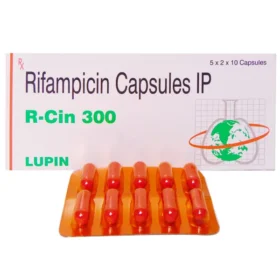 R-Cin
R-Cin
Ερωτήσεις & Απαντήσεις
R-Cin
Σχετικά προϊόντα




Κριτικές
Δεν υπάρχουν ακόμη κριτικές