









Tropicacyl Eye Drop
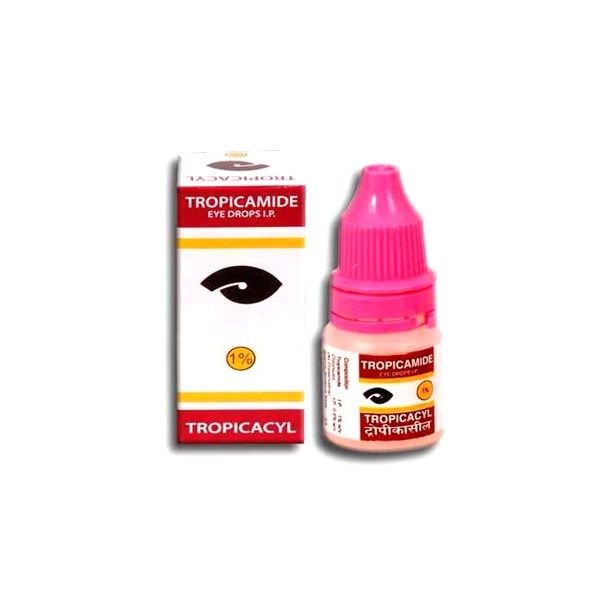
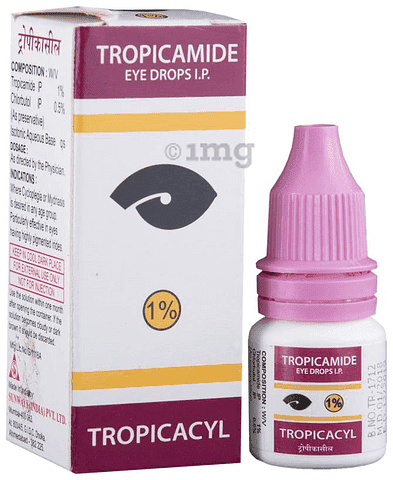
Tropicacyl (τροπικαμίδη 0,5% / 1%) — μυδριάτικο σκεύασμα βραχείας δράσης για εξέταση οπτικού πυθμένα, διαθλασιμετρία και διαστολή κόρης πριν από εγχείρηση. Αποφύγετε σε στενόγωνιο γλαύκωμα — κίνδυνος κλεισίματος γωνίας.
✓ Ιατρικά ελεγμένο από Morgan Ellis — Ερευνητής Φαρμακευτικής · 8 χρόνια εμπειρία · Τελευταία αναθεώρηση: Μάιος 2026
⚡ Γρήγορη Απάντηση — Τι είναι το Tropicacyl Eye Drop;
Το Tropicacyl Eye Drop είναι Τροπικαμίδη 1%, μια οφθαλμική στάλη μυδριάτικης δράσης που χρησιμοποιείται σε οφθαλμολογικές εξετάσεις, πριν από εγχείρηση καταρράκτη και για την πρόληψη οπίσθιων συνεχειών στην ουαίτιδα. Η επίδραση διαρκεί 4–8 ώρες (τροπικαμίδη) έως 24+ ώρες (κυκλοπεντολική). Η οδήγηση και η ανάγνωση είναι δύσκολες ενώ η κόρης είναι διασταλμένη.
📦 Κάθε παραγγελία καλύπτεται από την Πολιτική Εγγύησης Επαναποστολής — εάν το δέμα σας δεν φτάσει εντός 20 εργάσιμων ημερών, το επαναποστέλλουμε.
Γιατί να παραγγείλετε από τη MedsBase
Το Tropicacyl Eye Drop προέρχεται από έναν κατασκευαστή που πιστοποιείται από τον WHO-GMP και αποστέλλεται παγκοσμίως σε απλή, διακριτική συσκευασία. Κάθε παραγγελία καλύπτεται από την Πολιτική Εγγύησης Επαναποστολής — εάν δεν έχει φτάσει μετά από 20 εργάσιμες ημέρες, το ξαναστέλνουμε χωρίς επιπλέον κόστος. Υποστηρίζεται από πάνω από 1,400 επαληθευμένες κριτικές πελατών.
Τι είναι το Tropicacyl Eye Drop;
Το Tropicacyl Eye Drop κατασκευάζεται από την Sunways και περιέχει Tropicamide 1% ως στείρη οφθαλμική διάλυση. Το Tropicamide είναι ένα βραχύβιο αντικολινεργικό που διαστέλλει την κόρης μέσα σε 15–30 λεπτά και διαρκεί 4–8 ώρες. Είναι το βασικό εργαλείο των ρουτίν οφθαλμολογικών εξετάσεων — η ανάκαμψη της κόρης είναι αρκετά γρήγορη ώστε οι περισσότεροι ασθενείς να μπορούν να επιστρέψουν στην κανονική όραση μέσα σε ώρες.
Πώς Λειτουργεί
Το Tropicamide αναστέλλει τους μουσκαρινικούς υποδοχείς M3 στον σφιγκτήρα της ίριδας και στον ακρολοφιο μυ. Η αναστολή του σφιγκτήρα διαστέλλει την κόρης· η αναστολή του ακρολοφίου παραλύει την προσαρμογή (κυκλοπληγία), καθιστώντας αδύνατη την κοντινή όραση μέχρι να εξασθενήσει το φάρμακο.
Ενδείξεις
- Εξέταση διασταλμένου οπτικού δίσκου — για να δει το οπτικό νεύρο, την ωχρά κηλίδα, την περιφερική αμφιβληστροειδή
- Κυκλοπληγική διαθλασιμετρία — ιδιαίτερα σε παιδιά των οποίων η προσαρμογή μπορεί να κρύβει ένα διαθλαστικό σφάλμα
- Προεγχειρητική μυδρίαση για χειρουργική καταρράκτη
- Θεραπεία ουαΐτιδας/ιρίτιδας — αποτρέπει τις οπίσθιες συνεχίες (προσκόλληση της ίριδας στον φακό) και μειώνει τον πόνο από τον ακρολοφιο σπασμό
- Διαγνωστική πρόκληση — διαφοροποίηση της Adie’s τονικής κόρης, του συνδρόμου Horner
Χορήγηση
| Ενδείξεις | Δόση |
|---|---|
| Εξέταση διασταλμένου οπτικού δίσκου | 1 σταγόνα, επαναλάβετε μία φορά μετά από 5 λεπτά εάν χρειαστεί· η κόρης φθάνει στη μέγιστη διαστολή σε 20–30 λεπτά |
| Πριν από την επέμβαση καταρράκτη | Συχνά συνδυάζεται με φαινυλεφρίνη για ισχυρότερη διαστολή |
Παρενέργειες
Τοπικά: τσούξιμο, φωτοφοβία (η διασταλμένη κόρης επιτρέπει περισσότερο φως), θολή όραση κοντά (κυκλοπληγία — αδυναμία ανάγνωσης για τη διάρκεια), υπεραιμία επιπεφυκότος.
Συστημικά (ειδικά με κυκλοπεντολέατα σε παιδιά): υπνηλία, παραισθήσεις, αλλαγές συμπεριφοράς, ξηρό στόμα, ερυθρότητα δέρματος, πυρετός, ταχυκαρδία. Τα παιδιά < 6 είναι ιδιαίτερα ευάλωτα σε αντιχολινεργική τοξικότητα.
Ειδοποιήσεις & Αντενδείξεις
- Στενά γωνία γλαύκωμα — απόλυτο
- Μικρό βάθος πρόσθιας θαλάμης κατά την εξέταση — προσοχή
- Παιδιά < 6 ετών — η κυκλοπεντολέατη έχει προκαλέσει τοξικότητα ΚΝΣ· προτιμάται η τροπικαμίδη
- Πρόωρα νεογνά — οι συνδυασμοί φαινυλεφρίνης αντενδείκνυνται κάτω από συγκεκριμένες ηλικίες κύησης
- Σοβαρή καρδιαγγειακή νόσος (ειδικά με συνδυασμούς φαινυλεφρίνης)
- Εγκυμοσύνη/θηλασμός — συζήτηση· η τοπική απορρόφηση ελάχιστη αλλά οι κυκλοπληγικές ουσίες διαπερνούν τον πλακούντα
Αποθήκευση
Αποθήκευση σε θερμοκρασία 15–25°C προστατευμένο από το φως. Απόρριψη 28 ημέρες μετά την πρώτη άνοιξη.
Συχνές Ερωτήσεις
Πόσο διαρκεί η διαστολή;
Οι σταγόνες με βάση την τροπικαμίδη διαρκούν 4–8 ώρες, με τους περισσότερους ασθενείς να επιστρέφουν σε κανονικό μέγεθος κόρης μέχρι το τέλος της ημέρας.
Μπορώ να οδηγήσω μετά τη διαστολή;
Αποφύγετε την οδήγηση όσο οι κόρες σας παραμένουν διασταλωμένες — τα έντονα φώτα προκαλούν δυσάρεστη ανταύγεια και δεν μπορείτε να εστιάσετε σε κοντινά αντικείμενα (ο ταχύμετρος μπορεί να είναι θολός). Περιμένετε μέχρι η όραση να επιστρέψει στο φυσιολογικό.
Γιατί όλα φαίνονται τόσο φωτεινά μετά τη διαστολή;
Μια διασταλωμένη κόρη επιτρέπει 4–8 φορές περισσότερο φως από μια κανονική. Τα γυαλιά ηλίου βοηθούν. Η φωτοφοβία εξαφανίζεται καθώς η κόρη συστέλλεται πίσω στο φυσιολογικό.
Τι είναι η κυκλοπληγία;
Παράλυση του μυός της ακτινωτής χώρας, αποκλείοντας την ικανότητα του ματιού να εστιάσει σε κοντινά αντικείμενα. Χρήσιμη στην παιδιατρική διαθλαστομέτρηση (ώστε το παιδί να μην μπορεί να ‘προσαρμοστεί’ σε μια διαθλαστική ανωμαλία) και στην ουβαιίτιδα (για να ξεκουράσει τη φλεγμονή της ίριδας).
Γιατί χρειάζεται διαστολή για εξέταση πυθμένα;
Μια μικρή κόρη κρύβει το μεγαλύτερο μέρος του αμφιβληστροειδούς. Η διαστολή αποκαλύπτει τον οπτικό νεύρο, την ωχρά κηλίδα και την περιφερική αμφιβληστροειδή — απαραίτητη για την ανίχνευση ρηγμάτων αμφιβληστροειδούς, διαβητικής αμφιβληστροειδοπάθειας, ηλικιακής εκφυλιστικής νόσου της ωχράς κηλίδας και όγκων του οφθαλμού.
Μπορεί το Tropicacyl Eye Drop να προκαλέσει επίθεση γωνιακής κλεισίματος;
Ναι — τα μυδριτικά είναι γνωστό ότι προκαλούν τέτοιες επιθέσεις σε μάτια με ανατομικά στενές γωνίες. Τα συμπτώματα περιλαμβάνουν έντονο πόνο στο μάτι, θολή όραση, φωτοψίες, ναυτία. Απαιτείται άμεση οφθαλμολογική επέμβαση την ίδια μέρα.
Γιατί αποφεύγεται η κυκλοπεντολάτη σε μικρά παιδιά;
Η κυκλοπεντολάτη έχει υψηλότερη συστημική απορρόφηση και μπορεί να προκαλέσει αντικολινεργικές παρενέργειες στο ΚΝΣ — υπνηλία, παραισθήσεις, αλλαγές στη συμπεριφορά, πυρετό — ειδικά σε παιδιά < 6 ετών. Η τροπικαμίδη προτιμάται σε μικρά παιδιά.
Τι γίνεται αν είμαι έγκυος;
Η τοπική απορρόφηση είναι ελάχιστη αλλά συζητήστε με τον ιατρό σας. Οι ρουτίνες οφθαλμολογικές εξετάσεις που απαιτούν διαστολή μπορούν συνήθως να προχωρήσουν· η κυκλοπληκτική διάθλαση μπορεί συχνά να αναβληθεί εκτός αν είναι κλινικά επείγουσα.
Τι γίνεται αν φοράω φακούς επαφής;
Αφαιρέστε τους φακούς πριν από την εγκατάσταση· επανατοποθετήστε μετά από 10 λεπτά. Το συντηρητικό μπορεί να απορροφηθεί από τους μαλακούς φακούς.
Τι γίνεται αν η διαστολή δεν αντιστραφεί;
Αν η κόρης σας παραμένει διασταλμένη 24 ώρες μετά την τροπικαμίδη, επικοινωνήστε με τον οφθαλμολόγο σας. Μπορεί να υπάρχει υπολειπόμενο ατροπίνης, μηχανική βλάβη στο χείλος της κόρης ή φαρμακολογική μυδρίαση από άλλη πηγή.
Άλλα Φάρμακα για τη Φροντίδα των Ματιών
Οι πελάτες που βλέπουν αυτό το προϊόν εξετάζουν επίσης αυτές τις εναλλακτικές λύσεις στην Φροντίδα Ματιών ποικιλία μας:
- Tropicacyl (τροπικαμίδη)
- Tropicacyl Plus (τροπικαμίδη + φαινυλεφρίνη)
- Cyclogyl (κυκλοπεντολάτη)
- Pilocar (πιλοκαρπίνη — αντιστρέφει τη διαστολή)
- Just Tears (τεχνητά δάκρυα)
Ιατρική Αποποίηση Ευθύνης
Οι πληροφορίες σε αυτή τη σελίδα προορίζονται μόνο για εκπαιδευτικούς σκοπούς και δεν αποτελούν υποκατάστατο ιατρικής συμβουλής από έναν προσόντα οφθαλμίατρο ή οπτομετρία. Οι παθήσεις των ματιών μπορούν να απειλήσουν γρήγορα την όραση — η ξαφνική απώλεια όρασης, ο σοβαρός πόνος ή το τραύμα αποτελούν οφθαλμολογική έκτακτη ανάγκη. Συμβουλευτείτε πάντα έναν επαγγελματία φροντίδας των ματιών πριν ξεκινήσετε, διακόψετε ή αλλάξετε οποιαδήποτε θεραπεία.
Περισσότερες επιλογές στη Φροντίδα Ματιών
Ταξινομημένα σύμφωνα με τον όγκο παραγγελιών στο MedsBase — τι επιλέγουν άλλοι πελάτες σε αυτήν την κατηγορία.
| Ισχύς | 1% (5 ml) Οφθαλμικές Στάλες |
|---|---|
| Ποσότητα | 1 Μπουκάλι/α, 3 Μπουκάλια, 6 Μπουκάλια |
| Φαρμακευτική Μορφή | Τα σταγονίδια ματιού |
| Κατασκευαστής | Sunways India |
| Θεραπεία | Οφθαλμολογική εξέταση, Ουβαιίτιδα |
| Γενόσημη μάρκα | Τροπικαμίδη |
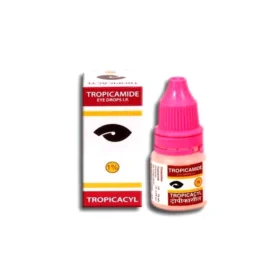 Tropicacyl Eye Drop
Ερωτήσεις & Απαντήσεις
Tropicacyl Eye Drop
Σχετικά προϊόντα












Κριτικές
Δεν υπάρχουν ακόμη κριτικές