








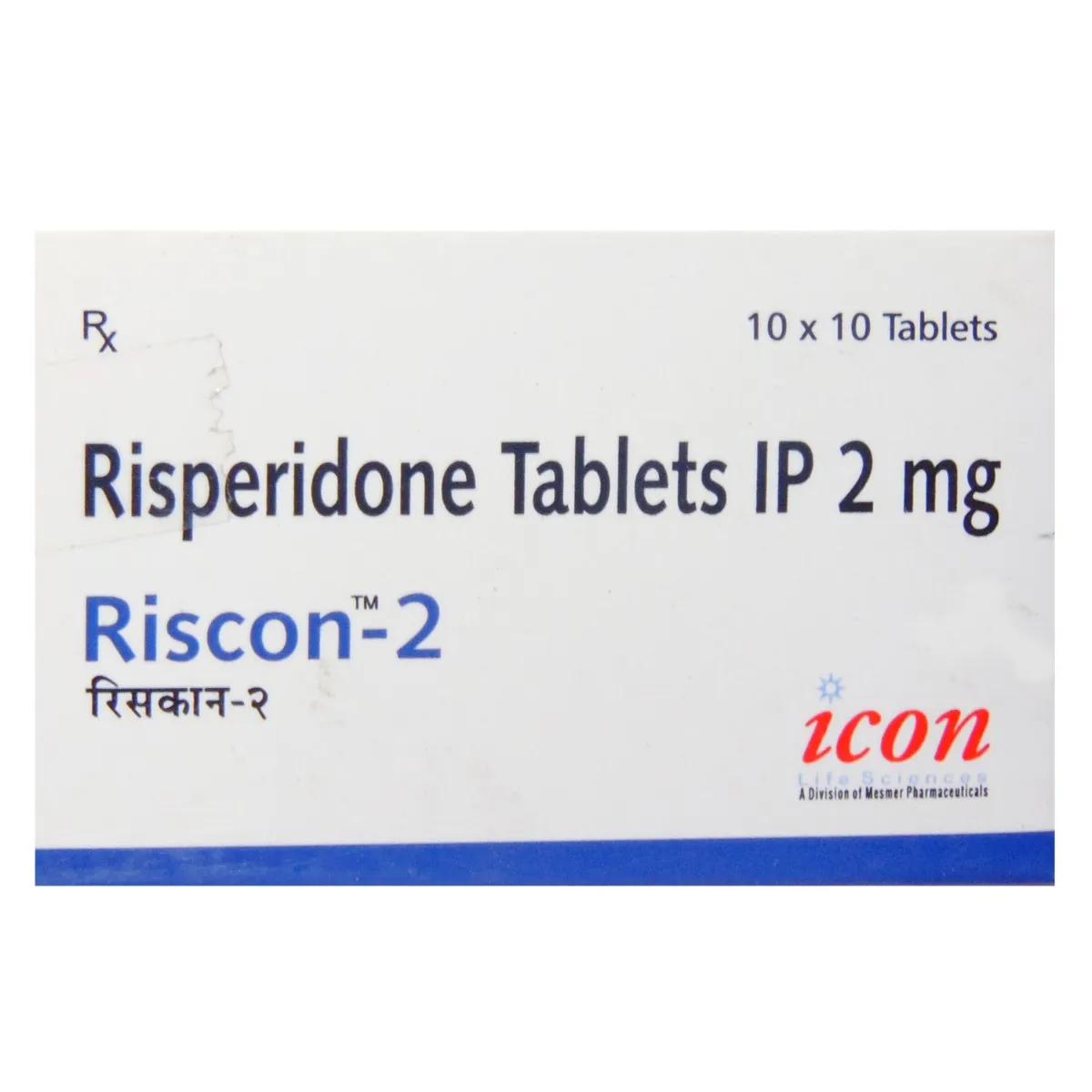
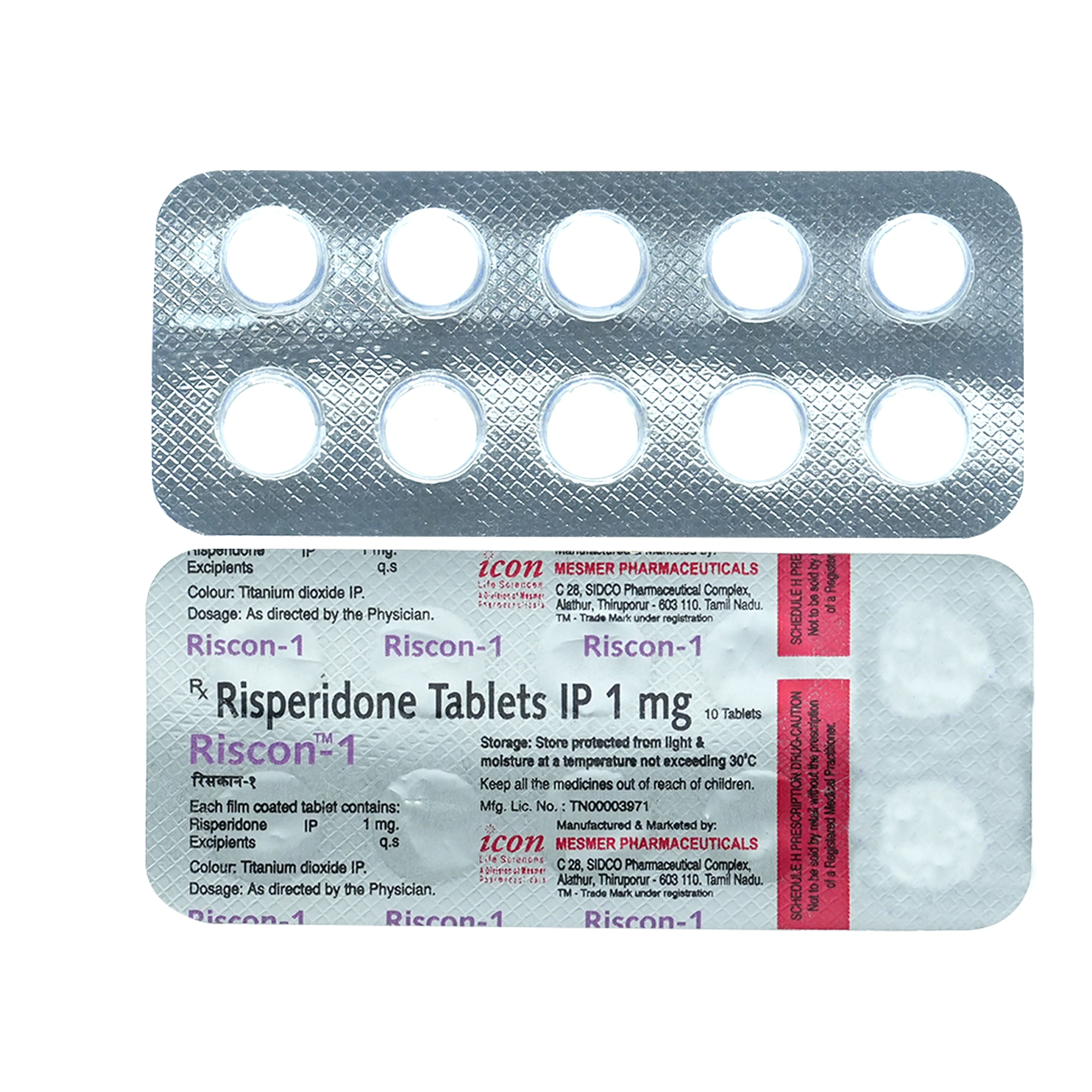
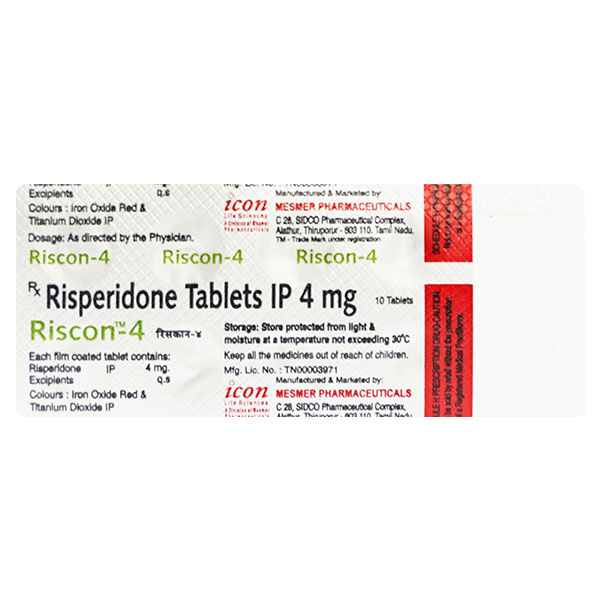
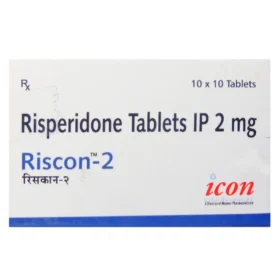
Riscon
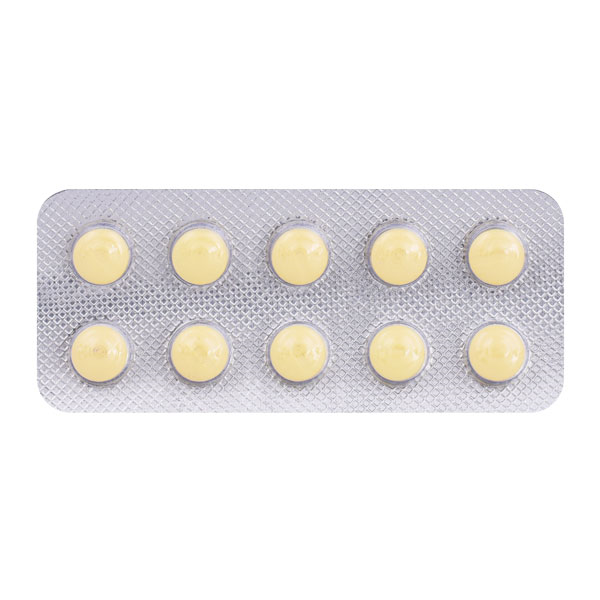
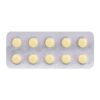
✅ Διαχείριση ψύχωσης
✅ Σταθεροποίηση διάθεσης
✅ Μείωση παραισθήσεων
✅ Έλεγχος παραισθήσεων
✅ Βελτιωμένη γνωστική λειτουργία
Το Riscon περιέχει Risperidone.
✓ Ιατρικά ελεγμένο από Morgan Ellis — Ερευνητής Φαρμακευτικής · 8 χρόνια εμπειρία · Τελευταία αναθεώρηση: Μάιος 2026
⚡ Γρήγορη απάντηση — Τι είναι το Riscon;
Riscon περιέχει risperidone από έναν κατασκευαστή με πιστοποίηση WHO-GMP (Sun Pharma) — ένα από τα πιο συνταγογραφούμενα άτυπα αντιψυχωσικά παγκοσμίως. Εγκρίθηκε από την FDA για σχιζοφρένεια (ενήλικες και έφηβους 13+), διπολική μανία (ενήλικες και ηλικίες 10+) και ευερεθιστότητα στον αυτισμό (παιδιά 5+). Μηχανισμός: ισχυρή D2 + 5-HT2A ανταγωνισμός. Τυπική δόση για ενήλικες: 2–6 mg/ημέρα (ξεκινήστε με 0,5–1 mg, αυξήστε σταδιακά). Διακριτικές παρενέργειες: υψηλότερη υπερπρολακτιναιμία των ατυπικών (γαλακτόρροια, γυναικομαστία, αμηνόρροια, σεξουαλική δυσλειτουργία)· EPS σε δόσεις > 6 mg/ημέρα (ατυπική → τυπική “διασταύρωση” συμπεριφορά)· μέτριο μεταβολικό βάρος. FDA μαύρο πλαίσιο για θνησιμότητα σε ηλικιωμένους με άνοια.
📦 Κάθε παραγγελία καλύπτεται από την Πολιτική Εγγύησης Επαναποστολής — εάν το δέμα σας δεν φτάσει εντός 20 εργάσιμων ημερών, το επαναποστέλλουμε.
Γιατί να παραγγείλετε από τη MedsBase
Τα γενόσημα φάρμακά μας προέρχονται από κατασκευαστές που πιστοποιούνται από την WHO-GMP και αποστέλλονται παγκοσμίως σε διακριτική, απλή συσκευασία — χωρίς όνομα φαρμάκου στο εξωτερικό του δέματος. Οι πληρωμές με κάρτα δρομολογούνται μέσω ρυθμισμένου επεξεργαστή (οι περιγραφές εκκαθάρισης περιλαμβάνουν ρυθμισμένο επεξεργαστή πληρωμών με κάρτα — ποτέ “MedsBase” ή οποιοδήποτε όνομα φαρμάκου). Γίνονται δεκτές και πληρωμές με κρυπτονομίσματα και τραπεζική μεταφορά SEPA. Κάθε παραγγελία καλύπτεται από την Πολιτική Επαναποστολής Εξασφαλίσεώς μας.
Τι είναι το Riscon;
Το Riscon είναι ένα δισκίο για από του στόματος risperidone κατασκευασμένο από τη Sun Pharma. Η ρισπεριδόνη (εμπορική ονομασία στις ΗΠΑ Risperdal) κυκλοφόρησε από την Janssen το 1993 και είναι ένα από τα πιο συνταγογραφούμενα ατυπικά αντιψυχωσικά παγκοσμίως. Είναι ένα στενή D2 και 5-HT2A ανταγωνιστή με πρόσθετα άλφα-1, άλφα-2 και Η1 αποκλεισμός. Πιο σφιχτή Δ2 δέσμευση σε σύγκριση με άλλα ατυπικά αντιψυχωσικά σημαίνει ότι η ρισπεριδόνη συμπεριφέρεται περισσότερο σαν αντιψυχωσικό πρώτης γενιάς σε υψηλότερες δόσεις — με κίνδυνο EPS πάνω από 6 mg/ημέρα. Το ενεργό μεταβολίτη παλιπεριδόνη (9-OH-ρισπεριδόνη) ευθύνεται για μεγάλο μέρος της κλινικής επίδρασης και η ίδια διατίθεται χωριστά ως Invega.
Εγκεκριμένες Ενδείξεις
- Σχιζοφρένεια — ενήλικες και εφήβους (ηλικίας 13+)
- Διπολική μανία (οξεία) — ενήλικες και παιδιά (ηλικίας 10+). Μονοθεραπεία ή σε συνδυασμό με λίθιο/βαλπροϊκό
- Ευερεθιστότητα σχετιζόμενη με αυτιστική διαταραχή — παιδιά (ηλικίας 5+). Επιθετικότητα, αυτοτραυματική συμπεριφορά, σοβαρά ξεσπάσεις θυμού
- Εκτός ετικέτας: συμπεριφορική διαταραχή στη άνοια (χρήση με μεγάλη προσοχή — μαύρη προειδοποίηση), σύνδρομο Tourette, ανθεκτική στην θεραπεία κατάθλιψη, ενίσχυση OCD
Χορήγηση
| Ενδείξεις | Ξεκινήστε | Στόχος | Μέγιστο | Σημειώσεις |
|---|---|---|---|---|
| Σχιζοφρένεια (ενήλικες) | 1 mg BID ή 2 mg HS | 4–8 mg/ημέρα | 16 mg/ημέρα | Οι περισσότεροι ιατροί παραμένουν στις 2–6 mg/ημέρα — ο κίνδυνος EPS αυξάνεται απότομα πάνω από 6 mg/ημέρα |
| Σχιζοφρένεια (εφήβους 13+) | 0.5 mg HS | 3 mg/ημέρα | 6 mg/ημέρα | Στάνταρ στόχος για εφήβους |
| Διπολική μανία (ενήλικες) | 2–3 mg HS | 1–6 mg/ημέρα | 6 mg/ημέρα | Μία φορά την ημέρα HS δοσολογία τυπική |
| Ευερεθιστότητα αυτισμού (5–16 έτη, < 20 kg) | 0.25 mg/ημέρα | 0.5–3 mg/ημέρα βάσει βάρους | — | Αργή τιτλοδότηση· επανεκτίμηση μετά από 4–6 εβδομάδες |
| Ηλικιωμένοι | 0.25–0.5 mg BID | 1–2 mg/ημέρα | — | Σημαντικός κίνδυνος ορθοστασίας και πτώσεων· μαύρο κουτί προειδοποίησης για άνοια |
| Ηπατική / νεφρική δυσλειτουργία | 0.5 mg BID | Βραδύτερη τιτλοδότηση | — | Μισές τις συνήθεις αυξήσεις δόσης |
Παρενέργειες
Προφίλ παρενεργειών
| Συχνότητα | Αποτέλεσμα | Σημειώσεις |
|---|---|---|
| Συχνά | Υπερπρολακτιναιμία | Το υψηλότερο μεταξύ των άτυπων — γαλακτόρροια, γυναικομαστία, αμηνόρροια, σεξουαλική δυσλειτουργία· έλεγχος προλακτίνης εάν συμπτωματικό |
| Συχνά | Καταστολή, κόπωση | Μέτριο· λιγότερο από την κετιαπίνη |
| Συχνά | Αύξηση βάρους | Μέτριο (3–5 kg σε 12 μήνες) |
| Συχνά | Ορθοστατική υπόταση | Αποκλεισμός άλφα-1 |
| Συχνές (εξαρτώμενες από τη δόση) | Εξωπυραμιδικά συμπτώματα (ακαθησία, παρκινσονισμός, δυστονία) | Υψηλότερες από άλλα ατυπικά αντιψυχωσικά· σημαντικές πάνω από 6 mg/ημέρα |
| Συχνά | Αντιχολινεργικές (ξηροστομία, δυσκοιλιότητα) | Ήπια |
| Λιγότερο συχνή | Μεταβολικό σύνδρομο (γλυκόζη, λιπίδια) | Μέτριο — λιγότερο από την ολανζαπίνη / κετιαπίνη· βασική αξιολόγηση + παρακολούθηση |
| Λιγότερο συχνή | Βραδεία δυσκινησία | Χαμηλότερο από τα αντιψυχωσικά πρώτης γενιάς· ο κίνδυνος αυξάνεται με τη διάρκεια |
| Λιγότερο συχνή | Επέκταση QT | Ήπιο — λιγότερο από τη ζιπρασιδόνη |
| Σπάνιες | Σύνδρομο νευροληπτικής κακοήθειας | Επείγον |
| Σπάνιες | Εγκεφαλικό / παροδικό ισχαιμικό επεισόδιο σε ηλικιωμένους | Προειδοποίηση μαύρου κουτιού για άνοια |
Αλληλεπιδράσεις Φαρμάκων
Υπόστρωμα CYP2D6: τα επίπεδα αυξάνονται με ισχυρές αναστολείς (παροξετίνη, φλουοξετίνη, βουπροπιόνη, κινιδίνη) — μειώστε τη δόση. Οι επαγωγείς CYP3A4 (καρβαμαζεπίνη, ριφαμπικίνη, φαινυτοΐνη) μειώνουν τα επίπεδα — απαιτείται υψηλότερη δόση.
Προσθετική καταστολή / ορθοστασία: αλκοόλ, βενζοδιαζεπίνες, οπιοειδή, αντιυπερτασικά.
Επέκταση QT: προσοχή με κιταλοπράμ (υψηλή δόση), ονδανσετρόνη, μεθαδόνη.
Αντι-Πάρκινσον φάρμακα: ανταγωνισμός — ρισπεριδόνη D2 ο αποκλεισμός μειώνει τη ντοπαμινεργική επίδραση της λεβοντόπας, ροπινιρόλης, πραμιπεξόλης.
Υπερπρολακτιναιμία — η Ανησυχία για τη Ρισπεριδόνη
Η ρισπεριδόνη είναι το πιο προλακτινούχο ατυπικό αντιψυχωσικό. Ο μηχανισμός είναι tuberoinfundibular D2 : αμηνόρροια ή ολιγομηνόρροια, γαλακτόρροια, σεξουαλική δυσλειτουργία, αγονία
- Γυναίκες: γυναικομαστία, σεξουαλική δυσλειτουργία, μειωμένη λίμπιντο, αγονία
- Άνδρες: γυναικομαστία, σεξουαλική δυσλειτουργία, μειωμένη λίμπιντο, υπογονιμότητα
- Long-term concerns: απώλεια οστικής ορυκτής πυκνότητας με παρατεταμένο υπογοναδισμό
Εάν η αύξηση της προλακτίνης είναι συμπτωματική, οι επιλογές περιλαμβάνουν μείωση της δόσης, εναλλαγή σε ένα άτυπο νευροληπτικό με χαμηλότερη προλακτίνη (αριπιπραζόλη, κετιαπίνη, ζιπρασιδόνη, ολανζαπίνη) ή ειδική ενδοκρινολογική συμβουλή.
Συχνές Ερωτήσεις
Πόσο χρόνο χρειάζεται το Riscon για να λειτουργήσει;
Τα συμπτώματα οξείας ψύχωσης ή μανίας συχνά ανταποκρίνονται μέσα σε λίγες ημέρες. Πλήρες όφελος στη σχιζοφρένεια σε 4–6 εβδομάδες. Η απόκριση στην ευερεθιστότητα του αυτισμού συνήθως γίνεται εμφανής μέσα σε 2–4 εβδομάδες σε μια αποτελεσματική δόση.
Γιατί το Riscon προκαλεί παρενέργειες στο στήθος και στη σεξουαλική λειτουργία;
Η ρισπεριδόνη αποκλείει έντονα τους υποδοχείς D2 στον υπόφυση, αφαιρώντας την κανονική αναστολή της προλακτίνης από τη ντοπαμίνη. Η αυξημένη προλακτίνη προκαλεί γαλακτόρροια, γυναικομαστία, αμηνόρροια και σεξουαλική δυσλειτουργία. Εάν είναι συμπτωματικά, η μείωση της δόσης ή η εναλλαγή σε ένα φάρμακο με χαμηλότερη προλακτίνη είναι η συνήθης προσέγγιση.
Θα προκαλέσει το Riscon αύξηση βάρους;
Ναι — μέτρια αύξηση βάρους (3–5 kg σε 12 μήνες) είναι τυπική. Λιγότερο από την ολανζαπίνη ή την κετιαπίνη αλλά περισσότερο από την αριπιπραζόλη ή τη ζιπρασιδόνη.
Είναι το Riscon ασφαλές για παιδιά με αυτισμό;
Η ρισπεριδόνη έχει εγκριθεί από τον FDA για την ευερεθιστότητα που σχετίζεται με τον αυτισμό σε παιδιά ηλικίας 5+. Χρησιμοποιείται βραχυπρόθεσμα για σοβαρή επιθετικότητα, αυτοτραυματισμό ή ξεσπάσματα θυμού — όχι για τα βασικά κοινωνικά ή επικοινωνιακά χαρακτηριστικά του αυτισμού. Η αύξηση βάρους και η αύξηση της προλακτίνης είναι ιδιαίτερες ανησυχίες στα παιδιά.
Γιατί η EPS είναι πιο συχνή με τη ρισπεριδόνη σε σύγκριση με άλλα άτυπα νευροληπτικά;
Η ρισπεριδόνη έχει στερή δέσμευση D2 — σε δόσεις πάνω από 6 mg/ημέρα, η κατακράτηση D2 εισέρχεται στο εύρος όπου εμφανίζονται εξωπυραμιδικά εφέ παρόμοια με τα νευροληπτικά πρώτης γενιάς. Οι περισσότεροι ενήλικες διατηρούνται σε 2–6 mg/ημέρα για αυτόν τον λόγο.
Μπορεί το Riscon να συνδυαστεί με αντικαταθλιπτικά;
Ναι — η ρισπεριδόνη μερικές φορές προστίθεται σε αντικαταθλιπτικά σε ανθεκτική στην θεραπεία κατάθλιψη και ενίσχυση OCD. Οι αυξήσεις δόσης και οι αλληλεπιδράσεις CYP2D6 (ειδικά με παρόξετη και φλουοξετίνη) απαιτούν προσοχή.
Είναι το Riscon ασφαλές σε ηλικιωμένους με άνοια;
Προειδοποίηση μαύρου κουτιού της FDA για θνησιμότητα σε ηλικιωμένους με ψύχωση ή συμπτώματα συμπεριφοράς σχετιζόμενα με άνοια. Χρησιμοποιείστε μόνο όταν τα συμπτώματα είναι σοβαρά, οι στρατηγικές συμπεριφοράς έχουν αποτύχει, χαμηλότερη δόση, συντομότερη διάρκεια, με ενημερωμένη συγκατάθεση οικογένειας.
Μπορώ να πιώ αλκοόλ με Riscon;
Αποφύγετε — πρόσθετη καταστολή και ορθοστασία. Ο κίνδυνος πτώσης είναι σημαντικός με τον συνδυασμό.
Μπορώ να σταματήσω το Riscon απότομα;
Καλύτερα να μειωθεί σταδιακά. Η απότομη διακοπή μπορεί να προκαλέσει δυσκινησία από στέρηση, αϋπνία, εφίδρωση και ανάκαμψη ψύχωσης. Μειώστε κατά 0,5–1 mg κάθε 1–2 εβδομάδες.
Πώς πρέπει να αποθηκεύεται το Riscon;
Αποθηκεύστε σε θερμοκρασία 15–30 °C στην αρχική συσκευασία υπόαλου, μακριά από υγρασία και ηλιακό φως. Κρατήστε το μακριά από παιδιά.
Σχετικές Εναλλακτικές
Άλλα προϊόντα σε Χρόνιες Παθήσεις που οι πελάτες εξετάζουν επίσης:
Περισσότερες επιλογές στη θεραπεία της κατάστασης άγχους
Ταξινομημένα σύμφωνα με τον όγκο παραγγελιών στο MedsBase — τι επιλέγουν άλλοι πελάτες σε αυτήν την κατηγορία.
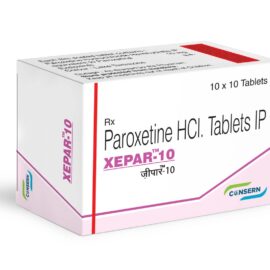
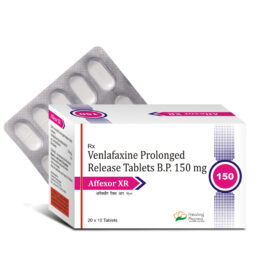
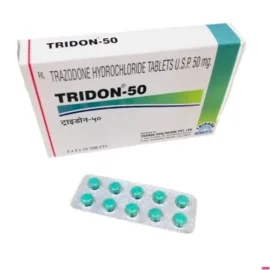
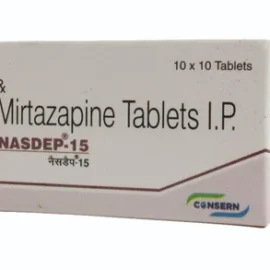
| Ισχύς | 1 mg, 2 mg, 4 mg |
|---|---|
| Ποσότητα | 30 δισκία, 60 δισκία, 90 δισκία, 180 δισκία |
 Riscon
Ερωτήσεις & Απαντήσεις
Riscon
Σχετικά προϊόντα

Κριτικές
Δεν υπάρχουν ακόμη κριτικές