









Dilvas
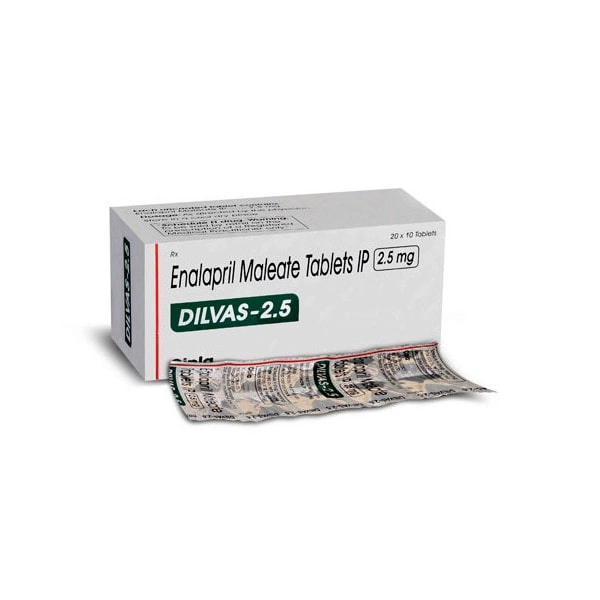
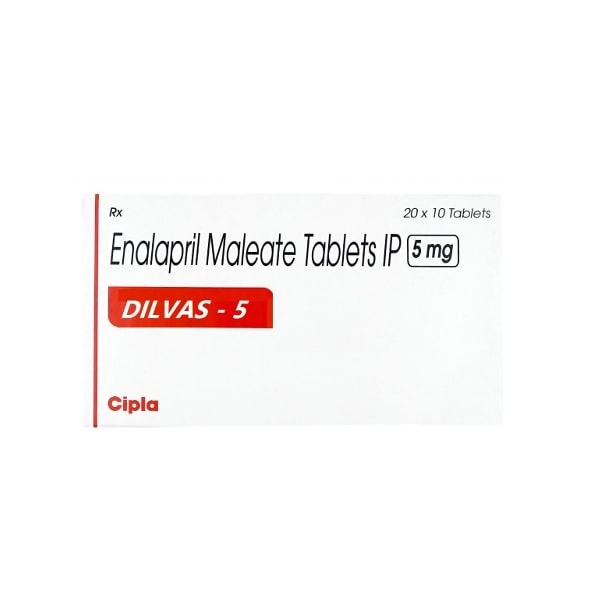
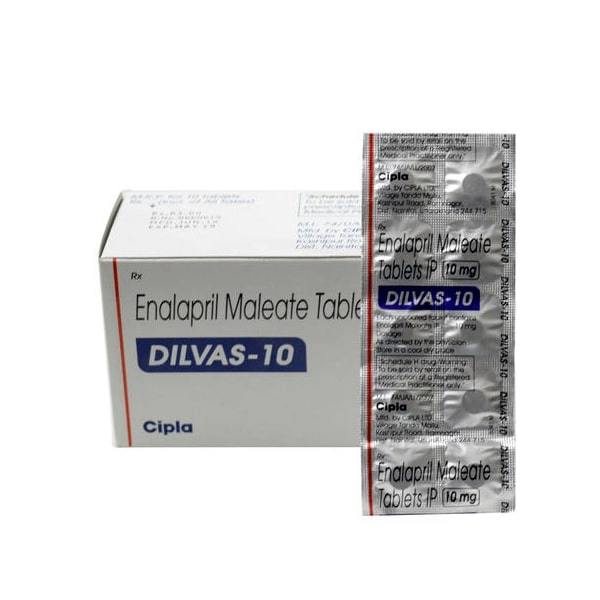


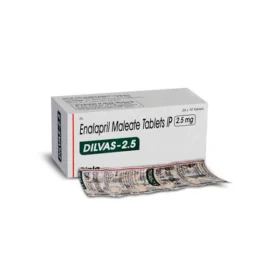
Dilvas on enalapriili 2,5/5/10 mg tabletteja — ACE-estäjä, jonka teho vahvistettiin ensimmäisen kerran CONSENSUS-kokeessa (1987), jossa havaittiin 40 %:n kuolleisuuden lasku vakavassa sydämen vajaatoiminnassa, ja SOLVD-kokeessa (1991), joka laajensi hyödyn koskemaan myös keskivaikeaa sydämen vajaatoimintaa. Ensilinjan hoito hypertensiossa (erityisesti alle 55-vuotiailla ja diabeetikoilla), sydämen vajaatoiminnassa, jossa on alentunut ejektiofraktio, sydäninfarktin jälkeisessä LV-vajaatoiminnassa ja diabeettisessa nefropatiassa. Otettava tyhjään mahaan. Kuiva yskä (5–10 %) on yleisin lääkeryhmään liittyvä haittavaikutus.
✓ Lääketieteellinen tarkistus Morgan Ellis — Farmasian tutkija · 8 vuoden kokemus · Viimeisin arvio: toukokuu 2026
⚡ Nopea vastaus — Mikä on Dilvas?
Dilvas on 2,5 / 5 / 10 mg enalapriilitabletti WHO-GMP-sertifioidulta valmistajalta — angiotensiinikonvertaasin estäjä (ACE-estäjä). ACE-estäjät ovat ensisijainen antihipertensiivinen hoito useimmissa kansainvälisissä suosituksissa (NICE, AHA/ACC, ESC/ESH), erityisesti alle 55-vuotiailla potilailla ja diabeetikoilla, sydämen vajaatoiminnasta kärsivillä potilailla, sydäninfarktin jälkeisillä potilailla ja proteiinin vuotavaa munuaissairautta sairastavilla. Enalapriili on esiaine muuntuu maksassa enalaprilatiksi (aktiivinen ACE-estäjä), jonka tehollinen puoliintumisaika on 11 tuntia (enalaprilat) — yleensä kerran päivässä; joskus jaettu kahteen annokseen päivässä. Tyypillinen hypertensioannos: aloita 5 mg kerran päivässä (2,5 mg, jos potilas on vanha, munuaisten toiminta on heikentynyt, nestetasapaino on häiriintynyt tai potilas käyttää diureettiä), säädä annos 10–20 mg kerran päivässä. Pääasiallinen haittavaikutus: kuiva, pitkäkestoinen yskä (jopa 20% käyttäjistä, luokkavaikutus; jos sietämätön, vaihda ARB-lääkkeeseen kuten losartaanin tai telmisartan). Muita luokkavaikutuksia: hyperkaliaemia, ensimmäisen annoksen hypotensio, luontaisesti palautuva kreatiniinin nousu hoidon alussa. Ehdottomasti raskauden vastainen (kaikilla raskauden vaiheilla — aiheuttaa sikiön munuaisten puutostilaa, oligohydramnionia, keuhkojen alikehittyneisyyttä ja kallon epämuodostumia), molemminpuolinen munuaistiehyen ahtauma ja ACE-estäjään liittyvän angioödeeman aiheuttama historia.
📦 Jokainen tilaus on katettuna meidän Reshipment Assurance Policy -politiikkamme piiriin — jos lähetyksesi ei saavu 20 arkipäivässä, lähetämme uuden.
Miksi tilata MedsBasesta
Geneeriset lääkkeemme on hankittu WHO-GMP sertifioiduilta valmistajilta ja toimitettu maailmanlaajuisesti hienotunteisessa, neutraalissa pakkauksessa — lääkkeen nimeä ei ole pakkauksen ulkopuolella. Korttimaksut käsitellään säädeltyjen maksunvälittäjien kautta (tilisiirtojen kuvaukset sisältävät säädellyn korttimaksun käsittelijän — ei koskaan “MedsBase” tai lääkkeen nimeä). Kryptovaluutat ja SEPA-pankkisiirrot hyväksytään myös. Jokainen tilaus on turvattu meidän Reshipment Assurance Policy -takuuohjelmalla.
Mikä on Dilvas?
Dilvas on suun kautta nautittava 2,5 / 5 / 10 mg enalapriilitabletti WHO-GMP-sertifioidulta valmistajalta, saatavana 30–90 tabletin pakkauksissa. Markkinoille tullut 1984 nimellä Vasotec / Renitec (MSD) — toinen koskaan markkinoille tullut ACE-estäjä kaptopriilin jälkeen ja ensimmäinen kerran päivässä suun kautta nautittava lääke tässä lääkeryhmässä.
Enalapriili on esiaine muuntuu maksassa enalaprilatiksi (aktiivinen ACE-estäjä), jonka tehollinen puoliintumisaika on 11 tuntia (enalaprilat) — yleensä kerran päivässä; joskus jaettu kahteen annokseen päivässä.
Kuinka Enalapril alentaa verenpainetta
ACE-estäjät estävät angiotensiiniä muuntavaa entsyymiä, joka katalysoi passiivisen angiotensiini I:n muuntamista aktiiviseksi angiotensiini II:ksi. Angiotensiini II on voimakas verisuonia supistava aine ja ensisijainen ärsyke lisämunuaisen aldosteronin eritykselle. Sen muodostumisen estäminen aiheuttaa:
- Suoran valtimoiden laajentumisen — alentunut systeminen verisuoniresistenssi = alempi verenpaine
- Vähentynyt aldosteronin eritys — vähemmän renaalista natrium- ja vedensäilytystä
- Vähentynyt esikuormitus (venoosinen + kohtuullinen kammion kuormituksen vähentäminen) — erityisen tärkeä sydämen vajaatoiminnassa
- Bradykiinin kertyminen — ACE myös hajottaa bradykiiniä; ACE:n estäminen nostaa bradykiinitasoja, mikä vahvistaa vasodilataatiota (ja aiheuttaa kuivaa yskää noin 20% käyttäjistä)
- Vähentynyt sympaattisen hermoston aktivaatio
- Endoteelitoiminnan parantuminen ja vähentynyt kammion uudistuminen — vastaa kokeissa (HOPE, EUROPA) havaituista verisuojavaikutuksista, jotka ylittävät pelkän verenpainelaskun
Hyväksytyt ja tutkimusnäyttöön perustuvat käyttöalueet
- Hypertensio — ensisijainen käyttöaihe, ensimmäisen linjan hoito NICE:n, ESC/ESH:n ja AHA/ACC:n suosituksissa useimmille alle 55-vuotiaille ja kaikille ikäryhmille, joilla on diabetes, CKD tai sydämen vajaatoiminta
- Sydämen vajaatoiminta alentuneella ejektiofraktiolla (HF-REF) — perustavanlaatuiset kuolleisuustodisteet (CONSENSUS, SOLVD)
- Oireeton vasemman kammion toimintahäiriö
- Diabeettinen nefropatia
- Proteiininen krooninen munuaissairaus
Keskeiset kliiniset tutkimustulokset: CONSENSUS-tutkimus (1987) — enalapril vähensi kuolleisuutta 40 % NYHA-luokan IV sydämen vajaatoiminnassa. SOLVD-tutkimus — kuolleisuuden ja sairaalahoidon väheneminen HF-REF:ssä. Nämä olivat kaksi ensimmäistä suurta osoitusta siitä, että ACE-estäjät pelastavat henkiä sydämen vajaatoiminnassa, vakiinnuttaen luokan kulmakiviterapiaksi.
Dilvas Annostus
Hypertensio:
- Aloitusannos: 5 mg kerran päivässä (2,5 mg jos iäkäs, munuaistoimintaan liittyvä vajaatoiminta, nestevajaus tai diureettien käyttäjä)
- Tavoiteannos: 10-20 mg kerran päivässä
- Enintään: 40 mg/päivä (yleensä jaettuna kahteen annokseen, jos käytetään korkeammalla annoksella)
- Säädä annosta 2–4 viikon välein verenpaineen vastauksen ja siedon mukaan
Sydämen vajaatoiminta alentuneella ejektiofraktiolla (HF-REF): Aloita 2,5 mg kahdesti päivässä; titroi 10-20 mg kahdesti päivässä (HF-REF kohde)
Sydäninfarktin jälkeen: 2,5-20 mg/päivä
Ensiannostusvarotoimet: ensiannostuksen hypotensio on todennäköisintä potilailla, jotka käyttävät suuria diureettiannoksia, ovat nestehukassa, kärsivät sydämen vajaatoiminnasta tai ovat vanhuksia. Ota ensimmäinen annos yöksi; seuraa verenpainetta; pidä diureetit pois 24–48 tuntia ennen aloitusta, jos mahdollista.
Seuranta:
- Perustutkimukset: ureaa, elektrolyytit (erityisesti kalium), kreatiniini, eGFR. Mittaa verenpaineen perustaso.
- 1–2 viikon kuluttua: toista elektrolyyttien ja urean mittaus. Odotetut vaikutukset: pieni kreatiniinin nousu (jopa 30 % on hyväksyttävää ja heijastaa munuaisen hemodynaamista muutosta, ei nefrotoksisuutta); pieni kaliumin nousu.
- Annettuannoksen korotuksen jälkeen: toista U&E 1-2 viikon kuluttua.
- Jatkuva hoito: vuosittainen U&E kun tasapaino saavutettu.
- Keskeytä ja tutki: kreatiniinin nousu >30%, eGFR:n lasku >25%, kalium >5,5, uusi hypotensio / huimaus.
Lopettaminen: Annoksen vähentäminen ei ole ehdottoman tarpeen ACE-estäjille (toisin kuin beetasalpaajille), mutta äkillinen keskeyttäminen aiheuttaa verenpaineen nousun muutamassa päivässä. Jos hoidosta luovutaan, vähennä annosta 1-2 viikon aikana ja seuraa verenpainetta.
Haittavaikutukset
Yleiset (>5%):
- Kuiva, jatkuva yskä (jopa 20 % — luokkaefekti bradykiinin kertymisen vuoksi). Yleensä alkaa viikkojen kuluessa hoidon aloittamisesta; ei häviä ajan myötä. Jos häiritsee, vaihda ARB-lääkkeeseen (losartaan, telmisartaan, olmesartaan, valsartaan, irbesartaan) — ARB-lääkkeet eivät aiheuta yskää, koska ne vaikuttavat bradykiinin aineenvaihdunnan alapuolella.
- Huimaus, asentohalvaus (erityisesti hoidon alussa)
- Lievä hyperkaliaemi (tarkista kalium)
- Palautuva kreatiniinin nousu veressä (jopa noin 30 % on odotettavissa ja hyväksyttävää)
- Päänsärky, väsymys
- Muuttunut makuaisti (dysgeusia)
Epätavallisia mutta tärkeitä:
- Angioödeema — mahdollisesti hengenvaarallinen huulien, kielen ja hengitysteiden turvotus. Esiintyvyys noin 0,1–0,5 %; korkeampi afrikkalaistaustainen potilailla. Voi ilmetä vuosien ongelmattoman käytön jälkeen. Lopeta välittömästi, hakeudu päivystyshoitoon ja älä aloita uudelleen ACE-estäjää — myös ARB-lääkkeet ovat vasta-aiheisia ensimmäisen 4 viikon aikana potilailla, joilla on aiempaa ACE-estäjäihin liittyvää angioödeemaa.
- Äkillinen munuaisten vajaatoiminta kaksipuolisessa munuaisten valtimon ahtaumassa — ACE-estäminen poistaa angiotensiini-II:sta riippuvan efferenttisten arteriolien supistuksen, joka ylläpitää GFR:ää vakavasti heikentyneessä munuaisen verenkierto. Ilmenee yleensä yli 30 % kreatiniinin nousuna päivien sisällä lääkityksen aloittamisesta.
- Vakava hyperkaliemia — erityisesti kaliumlisien, kaliumia säästävien diureettien (spironolaktoni) tai NSAID-lääkityksen yhteydessä sekä kroonisessa munuaissairaudessa
- Neutropenia ja agranulosytoosi — hyvin harvinainen, lähinnä historiallinen huolenaihe kaptopriiliaikana
- Maksatoimintahäiriöt / koliestaattinen keltaisuus — hyvin harvinainen
Käyttökiellot
- Raskaus — EHDOLLINEN vasta-aiheisuus kaikilla raskauskolmanneksilla. ACE-estäjät aiheuttavat sikiön munuaisten puutostilaa, vähäistä sikiöveden määrää, keuhkojen alikehittyneisyyttä ja kallonalaistumaa. Lopeta välittömästi, jos raskaus todetaan. Hedelmällisessä iässä olevien naisten tulee käyttää luotettavaa ehkäisyä tai vaihtaa raskauden aikana turvalliseen verenpainelääkkeeseen (labetaloli, methyldopa, nifedipiini, hydralasiini) ennen raskautta.
- ACE-estäjän aiheuttaman angioödeeman historia — ehdottomasti; jopa yksi aiempi episodi tekee ACE-estäjistä elinikäisesti vasta-aiheisia
- Molemminpuolinen reisivaltimon ahtauma tai ahtauma yksittäisessä toimivassa munuaisessa — AKI-riski
- Perinnöllinen tai idiopaattinen angioödeema
- Vakava aorttaläpän ahtauma — suhteellinen; voi aiheuttaa hypotensiota
- Hyperkaliaemia >5,5 mmol/l alussa (korjaa ensin)
- Samanaikainen sacubitril / valsartan (Entresto) — älä yhdistä; 36 tunnin pesuvaatimus
- Aliskireniä samanaikaisesti diabeteksessa tai CKD:ssä (suora reeni-inhibiittori)
- Yliherkkyys enalapriilille
Imetyksen aikana: enalaprilia ja kaptopriilia pidetään yhteensopivina (pieniä määriä äidinmaidossa); enalapriilin tiedot ovat rajoitetut — välttää käyttöä ennenaikaisen vauvan synnytyksen jälkeen ensimmäisinä viikkoina; yleisesti hyväksyttävä sen jälkeen.
Lääkeaineenvaihdunta
- Kaliumia säästävät diureetit (spironolaktoni, eplerenoni, amiloriidi, triamtereeni) — lisääntyvä hyperkaliemia; seuranta K+ tiukasti. Yhdistelmää käytetään kliinisesti HF-REF:ssä, mutta se vaatii huolellista seurantaa.
- Kaliumlisäravinteet ja suolankorvikkeet, jotka sisältävät kaliumia — hyperkaliemian riski
- NSAID-lääkkeet (ibuprofeeni, diklofenaakki, naprokseni) — vähentävät ACE-estäjien antihipertensiivistä vaikutusta JA lisäävät AKI-riskiä (“kolmoisvaikutus” = ACEi + diureetti + NSAID). Vältä kroonista yhdistelmää.
- Litium — ACE-estäjät vähentävät litiumin renal clearancea; seuranta litiumitasoja tiukasti
- Muut verenpainelääkkeet — yleensä täydentäviä; seuranta verenpainetta
- Sacubitriili/valsartaani (Entresto) — älä yhdistä; 36 tunnin pesuvaatimus angioödeemariskin välttämiseksi
- Allopurinol — harvinaiset raportit lisääntyneestä yliherkkyydestä; kliinisesti vähäisiä
- Aliskiren — vältä yhdistelmää diabeteksessa ja munuaisten vajaatoiminnassa (ALTITUDE-tutkimus keskeytettiin haitan vuoksi)
ACE-estäjien luokka pikaisesti
| ACE-estäjä | Aktivointi | Parhaiten sopii / avaintutkimus |
|---|---|---|
| Ramipprili (Ramcor, Rami Race, Ramgee, Ramisave) | Prodrug (maksa → ramiprilaatti) | Vaskulaarinen suojavaikutus (HOPE); infarktin jälkeinen (AIRE) |
| Enalapril (Enapril) | Esilääke (maksa → enalaprilat) | Sydämen vajaatoiminta (CONSENSUS, SOLVD) |
| Lisinopriili (Lispro, Hypernil) | Aktiivinen lääkeaine (ei tarvitse maksaa) | Suositus maksasairaudessa; HF (ATLAS); infarktin jälkeinen hoito (GISSI-3) |
| Perindopriili (Coversyl) | Esilääke (maksa → perindoprilat) | Pisin puoliintumisaika; verenpainelääke (ASCOT-BPLA); sepelvaltimotauti (EUROPA); aivohalvauksen ehkäisy (PROGRESS) |
| Kaptopriili | Aktiivinen lääkeaine | Lyhyt puoliintumisaika (6 h); historiallinen vertailulääke; nykyään harvoin ensilinjan hoito |
ACE-estäjä vai ARB — kumpaa käyttää?
Angiotensiinireseptorin estäjät (ARB — losartaanin, telmisartan, olmesartaanin, valsartaani, irbesartaani) vaikuttavat samaan reniini-angiotensiini-reittiin, mutta estävät angiotensiini II:n sitoutumista AT1-reseptoriin sen muodostumisen estämisen sijaan. Verenpainelääkkeen vaikutus on suurin piirtein sama. Erot:
- Ei kuivaa yskää ARB-lääkkeiden kanssa — ne eivät lisää bradykiiniinitasoja. ARB-lääkkeet ovat ensimmäinen vaihtoehto ACE-estäjien aiheuttaman yskän jälkeen.
- Angioödeema on harvinaista mutta mahdollista ARB-lääkkeiden kanssa — ÄLÄ aloita ARB-lääkettä 4 viikon kuluessa ACE-estäjän aiheuttamasta angioödeemakohtauksesta; pitkäaikainen ARB-lääkitys aiemmin ACE-estäjien aiheuttaman angioödeeman saaneilla potilailla on yleensä hyväksyttävää mutta seurannan alaista.
- Hinta — yleisesti saatavilla olevat ACE-estäjät ovat hieman halvempia kuin yleisesti saatavilla olevat ARB-lääkkeet useimmissa markkinoilla
- Sydämen vajaatoimintatodisteet — ACE-estäjillä on hieman vahvemmat historialliset kuolleisuustodisteet; ARB-lääkkeet on todettu vastaaviksi uudemmissa kliinisissä kokeissa ja niitä käytetään, kun ACE-estäjiä ei siedetä
- ÄLÄ yhdistä ACE-estäjää ja ARB-lääkettä — ONTARGET-kokeessa havaittiin haittaa (enemmän hyperkalemiaa, akuuttia munuaisten vajaatoimintaa ja hypotensiota) ilman lisäkuolleisuushyötyä
Säilytys
Säilytä Dilvas alle 25°C:ssa alkuperäisessä blisterpakkauksessa. Suojaa kosteudelta. Pidä lasten ulottumattomissa.
Usein Kysytyt Kysymykset
Kuinka kauan Dilvasilta kestää alentaa verenpainetta?
Alkuperäinen verenpaineen lasku 1-2 tunnin kuluessa ensimmäisestä annoksesta; täysi verenpainelääkkeen vaikutus 2-4 viikon kuluessa, kun reniini-angiotensiinijärjestelmä sopeutuu. Mittaa kotiverenpainetta samaan aikaan päivittäin seurataksesi vastetta.
Miksi aloin yskiä Dilvas-lääkkeen aloittamisen jälkeen?
ACE-estäjät nostavat bradykiiniinitasoja hengitysteissä, aiheuttaen tyypillisen kuiva, pitkäaikainen yskä jopa 20%:lla käyttäjistä. Se yleensä alkaa päivien tai viikkojen kuluessa, ei parane yskänlääkkeillä eikä hellitä jatkettaessa lääkitystä. Jos yskä on vaivalloinen, vaihda ARB-lääkkeeseen (losartaanin, telmisartan, olmesartaanin" — yskä hellittää 1-4 viikossa ACE-estäjän lopettamisen jälkeen.
Voinko käyttää Dilvasia raskauden aikana?
Ei — ACE-estäjät ovat ehdottomasti kiellettyjä raskauden aikana. Ne aiheuttavat sikiön munuaisten puutostilaa, vesivajauksia, keuhkojen alikehittyneisyyttä ja kallonsisäisen paineen alenemaa. Lopeta välittömästi, jos raskaus ilmenee, ja vaihda raskauden aikana turvalliseen verenpainelääkkeeseen — labetaloli, metyldopa, nifedipiini tai hydralasiini. Hedelmällisessä iässä olevien naisten tulisi käyttää luotettavaa ehkäisyä.
Kreatiniinini nousi Dilvas-lääkkeen aloittamisen jälkeen — pitäisikö lopettaa?
A jopa 30% kreatiniinin nousu 1-2 viikon kuluessa odottua ja hyväksyttävää — se heijastaa munuaisen hemodynaamista säätelyä, kun angiotensiini-II:sta riippuva efferenttisten arteriolien supistuminen poistetaan, eikä kyse ole munuaismyrkytyksestä. Yli 30 %:n nousu viittaa mahdolliseen kaksipuoliseen munuaisvaltimon ahtaumaan, nestevajaan tai NSAID-lääkkeiden vuorovaikutukseen — lopeta lääke ja tutki asiaa. ja hyväksyttävä — se heijastaa munuaisten sisäistä hemodynaamista säätelyä, kun angiotensiini-II:sta riippuvainen efferenttisten arteriolien supistuminen poistetaan, eikä ole merkki nefrotoksisuudesta. Yli 30 %:n nousu viittaa mahdolliseen molemminpuoliseen munuaisten valtimotukokseen, nestevajaukseen tai NSAID-lääkkeen vuorovaikutukseen — lääkitys on keskeytettävä ja syy selvitettävä.
Voinko juoda alkoholia Dilvasin kanssa?
Kohtuullinen alkoholinkäyttö on yleensä hyväksyttävää, mutta alkoholi vahvistaa lääkkeen verisuonia laajentavaa vaikutusta — saatat tuntea huimausta noustessasi ylös juomisen jälkeen. Runsas alkoholinkäyttö myös itsenäisesti nostaa verenpainetta; alkoholin vähentäminen usein parantaa verenpaineen hallintaa riippumatta Dilvasista.
Pitäisikö vältää kaliumipitoisia ruokia Dilvasin kanssa?
Kohtuullinen kaliumpitoisten ruokien (kuten banaanit, appelsiinit, pinaatti, avokado) nauttiminen on useimmissa tapauksissa turvallista. Vältä kaliumlisäravinteita (kuten slow-K-tabletteja) ja kaliumkloridia sisältäviä suolankorvikkeita, ellei niitä ole erikseen määrätty — nämä voivat aiheuttaa vaarallista hyperkaliaemiaa, kun niitä käytetään yhdessä ACE-estäjien kanssa, erityisesti kroonisessa munuaissairaudessa tai kaliumia säästävien diureettien yhteydessä.
Voinko ottaa ibuprofeenia Dilvasin aikana?
päivittäinen pitkäaikainen NSAID-lääkkeiden käyttö (ibuprofeeni, diklofenaakki, naprokseni) heikentää ACE-estäjien verenpainelääkkeen tehoa JA lisää merkittävästi akuutin munuaisvaurion riskiä — erityisesti kun sitä käytetään yhdessä diureetin kanssa (”kolmoisvaikutus” = ACE-estäjä + diureetti + NSAID). Krooniseen kipuun parasetamoli on turvallisempi; tulehduksiin keskustele vaihtoehdoista lääkärin kanssa. (ibuprofeeni, diklofenaakki, naprokseeni) vähentävät ACE-estäjien antihipertensiivista vaikutusta JA lisäävät merkittävästi akuutin munuaisten vajaatoiminnan (AKI) riskiä — erityisesti diureetin kanssa yhdistettynä (“kolmoisvaikutus” = ACE-estäjä + diureetti + NSAID). Krooniseen kipuun parasetamoli on turvallisempi vaihtoehto; tulehduksista keskustele vaihtoehdoista lääkärin kanssa.
Voinko ottaa Dilvasin muiden verenpainelääkkeideni kanssa?
Kyllä — ACE-estäjät yhdistyvät hyvin , nifedipiinin), (amlodipine, indapamidin), tiasididiureettien (HCTZ, indapamide), beetalukoittimien (bisoprololin, metoprololin), ja aldosteroniantagonistit (spironolaktoni — seuranta K+). Älä yhdistä ARB-lääkkeiden kanssa (ONTARGET-tutkimus osoitti haittaa ilman hyötyä).
Mitä teen, jos unohdan ottaa annoksen?
Ota lääke heti muistaessasi, ellei seuraavan annoksen aika ole lähellä — silloin ohita unohtunut annos ja jatka normaalia annosteluahtia. Älä ota kahta annosta kerralla. Yksi ohitettu annos ei vaikuta merkittävästi verenpaineen hallintaan, koska ACE-estäjillä on pitkäkestoinen farmakologinen vaikutus kudossideaineiden ansiosta.
Mistä voin ostaa Dilvasia verkosta?
Voit ostaa Dilvasin (enalapriili 2,5 / 5 / 10 mg, 30-90 tablettia) MedsBasesta huomaamattomassa pakkauksessa ja maailmanlaajuisella toimituksella.
Aiheeseen liittyvät verenpainelääkkeet MedsBasessa
- Amlode — Amlodipiini (CCB)
- Concor — Bisoprololi 5/10 mg
- Lispro — Lisinopriili 2,5/5/10 mg
- Listril Plus — Lisinopril + HCTZ -yhdistelmä
- Rami Race — Ramipril 10 mg
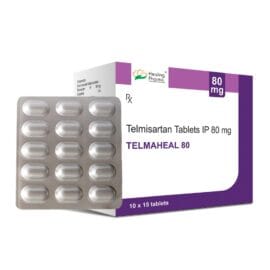
- Telmaheal — Telmisarttaani (ARB-vaihtoehto)
- Selaa kaikkia verenpainelääkkeitä
Aiheeseen liittyvät vaihtoehdot
Muut tuotteet Krooniset sairaudet joita asiakkaat myös katsovat:
Hinta-alue: 9,00 USD - 36,00 USD
Luokiteltu MedsBase-tilausmäärän mukaan — mitä muut asiakkaat tässä kategoriassa valitsevat.

| Vahvuus | 2.5 mg, 5 mg, 10 mg |
|---|---|
| Määrä | 30 tablettia, 60 tablettia, 90 tablettia |
| Lääkemuoto | Tabletti/tabletteja |
| Valmistaja | Cipla Inc |
| Hoito | Korkea verenpaine, Sydämen vajaatoiminta |
| Geneerinen tuotemerkki | Enalapriili |
 Dilvas
Kysymykset ja vastaukset
Dilvas
Liittyvät tuotteet






Arvostelut
Ei vielä arvosteluja