







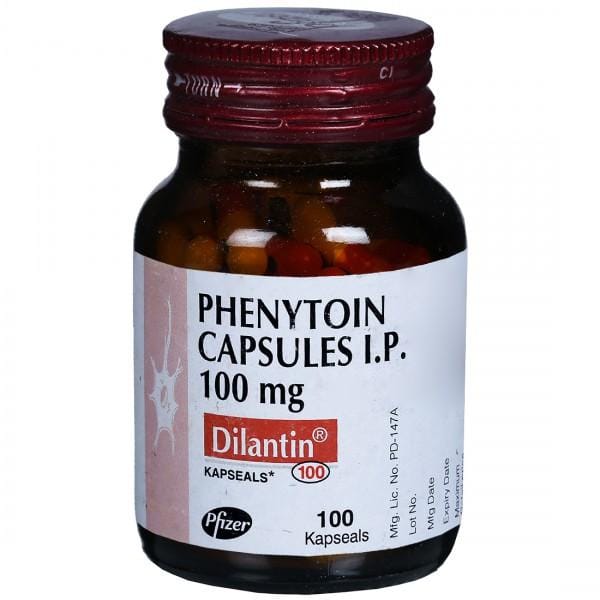
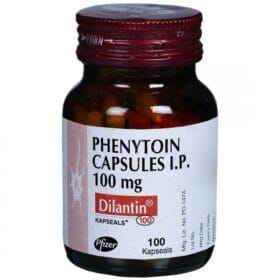
Dilantin
✅ Kouristusten hallinta
✅ Estää kouristukset
✅ Hoitaa epilepsiaa
✅ Vakauttaa aivojen toimintaa
✅ Vähentää kohtausten määrää
Dilantin sisältää Phenytoinia.
✓ Lääketieteellinen tarkistus Morgan Ellis — Farmasian tutkija · 8 vuoden kokemus · Viimeisin arvio: toukokuu 2026
⚡ Pika vastaus — Mikä on Dilantin?
Dilantin on suun kautta otettava phenytoin sodium (100 mg) pitkävaikutteinen kapseli — ensimmäisen sukupolven hydantoin-antikonvulsantti käytetään tonic-clonic (grand mal) -kohtaukset, kompleksiset osittaiskohtaukset, ja kohtauksien ehkäisy neurokirurgian jälkeen. Se toimii estämällä jänniteherkät natriumkanavat neuroneissa, stabiloiden inaktiivisen tilan ja estäen toistuvan aktivoitumisen. Tavallinen aikuisannos: 300–400 mg/vrk 1–2 annoksessa (hidastettua vapautumista käyttäen voidaan antaa kerran päivässä). Terapeuttinen alue: 10–20 µg/mL — vaatii seurantaa epälineaarisen (kyllästyvän) farmakokinetiikan. Yleisiä haittavaikutuksia: ikeniden hyperplasia, ataksia, nystagmus, hirsutismi, kasvojen piirteiden karkeutuminen. Monet lääkeaineenvaihtovaikutukset CYP2C9/2C19-induktion kautta.
📦 Jokainen tilaus on katettuna meidän Reshipment Assurance Policy -politiikkamme piiriin — jos lähetyksesi ei saavu 20 arkipäivässä, lähetämme uuden.
Miksi tilata MedsBasesta
Geneeriset lääkkeemme on hankittu WHO-GMP sertifioiduilta valmistajilta ja toimitettu maailmanlaajuisesti hienotunteisessa, neutraalissa pakkauksessa — lääkkeen nimeä ei ole pakkauksen ulkopuolella. Korttimaksut käsitellään säädeltyjen maksunvälittäjien kautta (tilisiirtojen kuvaukset sisältävät säädellyn korttimaksun käsittelijän — ei koskaan “MedsBase” tai lääkkeen nimeä). Kryptovaluutat ja SEPA-pankkisiirrot hyväksytään myös. Jokainen tilaus on turvattu meidän Reshipment Assurance Policy -takuuohjelmalla.
Mikä on Dilantin?
Dilantin on suun kautta nautittava pitkävaikutteinen kapseli, joka sisältää phenytoin sodium 100 mg. Fenytoiini on yksi vanhimmista ja laajimmin käytetyistä kouristuslääkkeistä, jota on käytetty jatkuvasti kliinisessä käytössä vuodesta 1938 — mikä tekee siitä yhden laajimmin tutkituista lääkkeistä lääketieteessä.
Fenytoiini stabiloi hermosolukalvoja estämällä jänniteherkät natriumkanavat, mikä estää toistuvan purkauksen, joka on kouristusten leviämisen taustalla. Se on WHO:n malliluettelossa välttämättömistä lääkkeistä ja säilyy ensisijaisena vaihtoehtona tonic-clonic ja fokaaleissa kouristuksissa. -kouristusten hoidossa. Dilantin on Parke-Davisin (nykyään Pfizer) kehittämä alkuperäinen tuotemerkki ja se on vertailukohta kaikille fenytoiinin geneerisille versioille.
Fenytoiini on ainutlaatuinen kouristuslääkkeiden joukossa sen nollakertaluvun (kyllästyvä) kinetiikka terapeuttisilla annoksilla: pienet annosmuutokset voivat aiheuttaa suhteettoman suuria muutoksia veren pitoisuuksissa. Tästä syystä terapeuttinen lääkevalvonta (TDM) on pakollista fenytoiinin kanssa — ominaisuus, joka tekee siitä vaativamman määrättäväksi kuin uudemmat lääkeaineet, mutta myös hienosäätöisimmän, kun sitä käyttävät kokeneet lääkärit.
Kuinka Dilantin (fenytoiini) toimii?
Phenytoin estää jänniteherkkiin natriumkanaviin sitoutumalla ensisijaisesti niiden inaktiiviseen tilaan. Tämä pidentää neuronien refraktääria aikaa estäen nopean toistuvan aktivoitumisen, joka on kohtauksen leviämisen taustalla. Toisin kuin uudet moniin kohteisiin vaikuttavat kouristuslääkkeet, phenytoin on suhteellisen selektiivinen natriumkanavan estäjä.
Kriittisesti phenytoin osoittaa epälineaarista (nollannen kertaluvun, tyydyttyvää) farmakokinetiikkaa jota kuvaa Michaelis-Menten-yhtälö. Tämä tarkoittaa, että pieniä annoksen lisäyksiä tyydytyspisteen lähellä voi aiheuttaa epäsuhtaisesti suuria pitoisuuden nousuja veressä, mikä tekee lääkkeen seurannan välttämättömäksi.
Indikaatiot
- Yleistetyt toniskloniset (grand mal) -kohtaukset
- Monimutkaiset osittaiset (fokaaliset) kohtaukset
- Status epilepticus (IV-annostelu – ei tätä suun kautta annettavaa muotoa)
- Aivokirurgian jälkeen/traumaattisen aivovamman jälkeinen kohtauksen ehkäisy
- Trigeeminusneuralgia (toissijainen, off-label)
Annoksen määritys ja lääkeseuranta
| Parametri | Arvo |
|---|---|
| Tavallinen aikuisannos | 300–400 mg/vrk (kerran päivässä tai jaettuna) |
| Latausannos (tarvittaessa) | 1 000 mg jaettuna 3 annokseen 24 tunnin aikana (oraalinen lataus) |
| Terapeuttinen alue (kokonais) | 10–20 µg/mL |
| Vapaa (sitoutumaton) pitoisuus | 1–2 µg/ml (tarkista hypoalbuminemiassa ja munuaisten vajaatoiminnassa) |
| Annossäätö | Vain 25–50 mg lisäykset (epälineaarinen kinetiikka) |
| Tasapainotilan saavuttamiseen kuluva aika | 5–14 päivää (pidempi korkeammilla annoksilla) |
Tärkeää: Laajennettua vapautumista antavat (Dilantin Kapseals) kapselit tulee niellä kokonaisina, eikä niitä saa pureskella tai murskata. Geneerinen laajennettua vapautumista antava fenytoiini ei ole aina vaihtokelpoinen brändivalmisteen kanssa — keskustele vaihtamisesta terveydenhuollon ammattilaisesi kanssa.
Haittavaikutukset
Yleisiä: gingivaalihyperplasia (ikeniä kasvaa liikaa, jopa 50 % pitkäaikaiskäyttäjistä), nystagmus, ataksia, puheen epäselvyys, väsymys, hirsutismi, akne, kasvonpiirteiden karkea muuttuminen.
Annokseen liittyvät myrkytysoireet (ilmestyjärjestyksessä):
| Seerumipitoisuus | Oireet |
|---|---|
| >20 µg/mL | Nystagmus |
| >30 µg/mL | Ataksia, puheen epäselvyys |
| >40 µg/mL | Hämmenny, väsymys |
| >50 µg/mL | Kouristukset (paradoksaaliset), kooma |
Vakavat/pitkäaikaiset: osteomalasia (D-vitamiinin aineenvaihdunnan häiriö), megaloblastinen anemia (folaattivarantojen ehtyminen), Stevens-Johnsonin oireyhtömä/TEN (harvinainen – suurempi riski HLA-B*1502-kantajilla, yleinen Kaakkois-Aasian väestöissä), maksatoksisuus, violetti hansikasoireyhtömä (IV-annostelun vuoto – ei koske suun kautta annettavaa lääkettä), pikkuaivokato (krooniset ylihoitoarvot).
Varoitukset ja varotoimet
- Lääkkeen seuranta on pakollista. Kohdepitoisuus fenytiinille: 10–20 µg/ml (vapaa fenytiini: 1–2 µg/ml). Nollakertaluvun kinetiikka tarkoittaa, että pieni annoksen lisäys (esim. 300–330 mg/vrk) voi johtaa myrkyllisiin pitoisuuksiin. Tarkista pitoisuudet 7–10 päivää annoksen muutoksen jälkeen.
- Itsetuhoinen käyttäytyminen – luokkavaroitus. Kaikissa kouristuslääkkeissä on FDA:n varoitus itsetuhoisten ajatusten lisääntymisestä. Seuraa mielialaa, erityisesti ensimmäisten 3 kuukauden aikana.
- Vakavat ihovaurioita aiheuttavat haittavaikutukset (SCARs). Fenytiiniin liittyy riski Stevens-Johnsonin oireyhtömä (SJS) ja toksiseen epidermaaliseen nekrolyysiin (TEN), erityisesti potilailla, joilla on HLA-B*15:02 (yleinen Kaakkois-Aasian väestöissä). Testaa HLA-B*15:02 ennen fenytiinin aloittamista riskiryhmiin kuuluvilla potilailla.
- DRESS-oireyhtömä. Lääkereaktio eosonofilian ja systeemisten oireiden kanssa – tyypillisesti alkaa 2–8 viikon kuluttua lääkkeen aloittamisesta. Ilmenee kuumeena, ihottumana, imusolmukkeiden turpoamisena ja elinten vaurioina (maksa, munuaiset). Keskeytä lääke välittömästi.
- Ienhyperplasia. Ilmenee noin 50 %:lla kroonisista käyttäjistä. Huolellinen suuhygygienia vähentaa vakavuutta. Harkitse vaihtoehtoisia lääkkeitä nuorilla potilailla, joilla on kosmeheisiä kosmeettisia huolenaiheita.
- Hepatotoksisuus. Harvinainen, mutta voi olla vakava, erityisesti DRESS-oireyhtymän yhteydessä. Seuraa maksan toimintaa, jos ilmenee kuume tai ihottuma.
- Raskaus — luokka D. Fenytoiini on teratogeeninen (fetaalinen hydantoiinioireyhtymä: kraniofasiaaliset, kynsi- ja sormianomaliat, kasvun rajoittuminen). Käytä vain, jos ei ole vaihtoehtoista kouristusten hallintaa. Foolihappo 5 mg/päivä ennen raskautta. K-vitamiini 10 mg/päivä viimeisen kuukautena (fenytoiini vähentää sikiön K-vitamiinia → vastasyntyneen verenvuoto).
- Osteoporoosi. Pitkäaikainen fenytoiini käynnistää CYP-entsyymit, jotka metaboloivat D-vitamiinia, johtaen osteomalasiaan. Lisää D-vitamiinia 1 000–2 000 IU/päivä ja seuraa DEXA-skannauksia.
- Enteraalinen ruokinta. Letkuruokinta vähentää fenytoiinin imeytymistä jopa 70 %. Keskeytä ruokinta 2 tuntia ennen ja jälkeen annosta.
Kontraindikaatiot — Kenen ei tulisi ottaa Dilantinia
- Tunnetuille yliherkkyysreaktioille fenytoiinia, muita hydantoiineja tai minkä tahansa apuainetta kohtaan
- Samanaikainen käyttö delavirdine (HIV:n NNRTI — fenytoiini vähentää delavirdiinin pitoisuuksia aliterapeuttiselle tasolle)
- Sinusbradykardia, sinoatriaalinen blokki, toisen/kolmannen asteen AV-blokki, Adams-Stokesin oireyhtymä
- Potilaat, joilla on positiivinen HLA-B*15:02 (ellei vaihtoehtoa ole ja hyöty selvästi ylittää SJS/TEN-riskin)
- Porfyria
Lääkeaineenvaihdunta
Fenytoiini on sekä substraatti ja indusoija CYP2C9-, CYP2C19- ja CYP3A4-entsyymeille, mikä tekee siitä yhden vuorovaikutuksiltaan altteimmista epilepsialääkkeistä:
- Lääkkeet, jotka lisäävät fenytoiinin pitoisuuksia: fluconasoli, isoniazidi, omepratsoli, amiodaroni, fluoksetiini, valproaatti, trimetopriimi
- Lääkkeet, joiden pitoisuuksia fenytoiini alentaa: varfariini (paradoksaalinen: fenytoiini aluksi syrjäyttää sitten indusoi aineenvaihduntaa), suun kautta otettavat ehkäisypillerit, siklosporiini, deksametasoni, teofylliini, doksisykliini, lamotrigiini, karbamasepiini, metadoni
- Enteral-ruokinta: Jatkuva letkuruokinta vähentää fenytoiinin imeytymistä — lopeta ruokinta 2 tuntia ennen ja jälkeen annoksen
- Alkoholi: Krooninen käyttö lisää aineenvaihduntaa (alemmat pitoisuudet); akuutti myrkytys hidastaa aineenvaihduntaa (korkeammat pitoisuudet)
Säilytysohjeet
- Säilytä huoneenlämmössä, 15–30°C. Suojaa kosteudelta ja valolta.
- Pidä kapselit alkuperäisessä pusku-pakkauksessa käyttöön asti.
- Älä säilytä kylpyhuoneessa.
- Pidä lasten ulottumattomissa — fenytoiinin yliannostus on lääketieteellinen hätätilanne (nystagmus → ataksia → kooma).
- Älä käytä viimeisen käyttöpäivämäärän jälkeen.
Aiheeseen liittyvät kategoriat MedsBasessa
Usein Kysytyt Kysymykset
Mihin Dilantinia käytetään?
Dilantin sisältää fenytoiinia 100 mg ja sitä käytetään hallitsemaan ja ehkäisemään tonis-klonisten ja kompleksisten osa-kohtausten hallitsemiseen ja ehkäisyyn epilepsiassa sekä kohtauksien ehkäisyyn aivoleikkauksen tai päävamman jälkeen.
Miksi fenytoiinin veripitoisuuksia tulee seurata?
Fenytoiinilla on epälineaarinen farmakokinetiikka — sitä metaboloiva entsyymijärjestelmä kyllästyy terapiamitoissa. Pieni annoksen lisäys (esim. 300 → 350 mg) voi aiheuttaa suhteettoman suuren veripitoisuuden nousun, terapeuttisesta myrkylliseen. Säännöllinen seuranta pitää pitoisuuden 10–20 µg/mL terapeuttinen ikkuna.
Mikä on ikenhyperplasia ja voidaanko sitä ehkäistä?
Ikenhyperplasia on ikenien liikakasvu, joka esiintyy jopa 50% pitkäaikaisesti fenytoiinia käyttävistä potilaista. Hyvä suuhygienia (säännöllinen hammasten harjaaminen, hammaslangan käyttö, hammastarkastukset) vähentää oireiden vakavuutta, mutta ei poista sitä kokonaan. Vaihtaminen toiseen kouristuslääkkeeseen on lopullinen ratkaisu, kun ikenmuutokset alkavat aiheuttaa ongelmia.
Voinko vaihtaa brändi- ja geneerisen fenytoiinin välillä?
Fenytoiinin pitkävaikutteiset valmisteet voivat erota imeytyvyydeltään valmistajittain. Joidenkin suositusten mukaan ei tulisi vaihtaa brändien/geneeristen valmisteiden välillä ilman pitoisuusseurantaa, sillä jopa pienet imeytyvyyden muutokset voivat viedä pitoisuudet kapean terapiasäteen ulkopuolelle.
Miksi fenytoiinia tulisi välttää poissaolokohtauksissa?
Fenytoiini (ja karbamatsepiini) voi pahentaa poissaolo- (petit mal) -kohtauksia muuttamalla thalamokortikaalisia rytmejä. Ensisijaiset hoitomuodot poissaolokohtauksille ovat etosuksimidi, valproaatti tai lamotrigiini.
Vaikuttaako fenytoini luuston terveyteen?
Kyllä — pitkäaikainen fenytoininkäyttö aktivoi CYP-entsyymejä, jotka kiihdyttävät D-vitamiinin aineenvaihduntaa, johtaen osteomalasiaan ja lisääntyneeseen murtumariskiin. Pitkäaikaisesti fenytoiinia käyttävien potilaiden tulisi ottaa D-vitamiini- ja kalsiumlisäravinteita sekä käydä säännöllisesti luuntiheysseulonnassa.
Onko Dilantin turvallinen raskauden aikana?
Fenytoini on tunnettu teratogeeni (fetaalinen hydantoiini-oireyhtymä: kasvun hidastuminen, kraniofasciaaliset epämuodostumat, raajaviat). Sen tulisi korvata turvallisemmalla kouristuslääkkeellä (lamotrigiini tai levetiraksetamiini) ennen raskauden alkua, jos mahdollista. Jos fenytoiinin käyttöä on jatkettava, suuriannoksinen foolihappolisäys ja erikoistuneen lääkärin seuranta ovat välttämättömiä.
Mitä teen, jos unohdan Dilantin-annoksen?
Ota annos heti, kun muistat sen. Jos seuraava suunniteltu annosaika on lähellä, ohita unohtunut annos. Älä koskaan ota kahta annosta kerralla — epälineaarisen kinetiikan vuoksi annoksen kaksinkertaistaminen voi johtaa myrkyllisiin pitoisuuksiin.
Miksi HLA-B*1502-testaus mainitaan fenytoiinin yhteydessä?
Vastaanottajan HLA-B*1502 alleeli (yleinen Kaakkois-Aasian väestöissä) on vahvasti yhteydessä fenytoiinin ja karbamatsepiinin aiheuttamiin Stevens-Johnsonin oireyhtymä (SJS) ja toksinen epidermaalinen nekrolyysi (TEN) — mahdollisesti hengenvaarallisia ihoreaktioita. Riskiyhteisöissä suositellaan fenitoiinihoitoa aloitettaessa testausta.
Voinko ottaa antasidilääkkeitä Dilantinin kanssa?
Kalsium- ja alumiinia sisältävät antasidit voivat vähentää fenitoiinin imeytymistä. Ota ne erillään vähintään 2 tunnin välein.
Onko Dilantin sama kuin Epanutin?
Molemmat sisältävät fenitoiinia. Dilantin ja Epanutin ovat eri markkinoilla käytettäviä tuotenimiä. Tämä tuote käyttää nimeä Dilantin ja sisältää saman 100 mg fenitoiininatriumformulaation.
Aiheeseen liittyvät vaihtoehdot
Muut tuotteet Krooniset sairaudet joita asiakkaat myös katsovat:
Lisää vaihtoehtoja neurologisissa sairauksissa ja epilepsiassa
Luokiteltu MedsBase-tilausmäärän mukaan — mitä muut asiakkaat tässä kategoriassa valitsevat.

| Vahvuus | 100 mg |
|---|---|
| Määrä | 100 kapselia, 200 kapselia, 300 kapselia, 600 kapselia |
 Dilantin
Kysymykset ja vastaukset
Dilantin
Liittyvät tuotteet





Arvostelut
Ei vielä arvosteluja