







Amlip

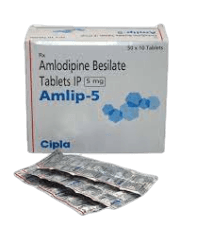
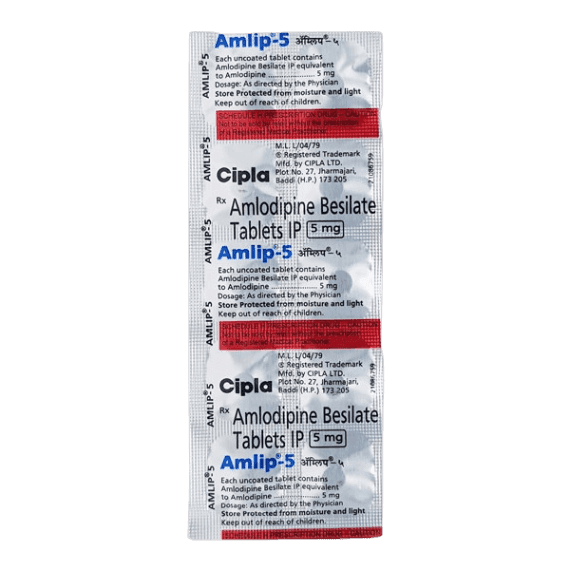
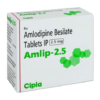


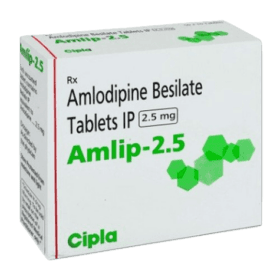
Το Amlip είναι τα δισκία αμλοδιπίνης 2,5 / 5 mg της Cipla — αναστολέας αγωγού ασβεστίου τύπου DHP από αρχική έως συντήρηση δόση. Τα 2,5 mg είναι η χαμηλή αρχική δόση για ηλικιωμένους, μικρόσωμα ατόμων ή ηπατική δυσλειτουργία. Τα 5 mg είναι η τυπική συντήρηση για υπέρταση και στηθάγχη. Μία φορά ημερησίως· σταδιακή ομαλή έναρξη· χωρίς αντανακλαστική ταχυκαρδία.
✓ Ιατρικά ελεγμένο από Morgan Ellis — Ερευνητής Φαρμακευτικής · 8 χρόνια εμπειρία · Τελευταία αναθεώρηση: Μάιος 2026
⚡ Γρήγορη Απάντηση — Τι είναι το Amlip;
Amlip είναι Δισκίο αμλοδιπίνης 2,5 / 5 mg από την Cipla — αναστολέας διαϋδροπυριδινικών ασβεστιακών καναλιών (CCB) τρίτης γενιάς. Εισήχθη το 1990 (Pfizer ως Norvasc / Istin). Το αναφορά DHP για υπέρταση παγκοσμίως. Χρόνος ημιζωής πλάσματος 35-50 ώρες — ο μεγαλύτερος από όλα τα CCB και ένας από τους μεγαλύτερους χρόνους ημιζωής στην καρδιαγγειακή ιατρική. Ο εξαιρετικά μεγάλος χρόνος ημιζωής του amlodipine σημαίνει: (1) η χάσιμο μιας ημέρας έχει ελάχιστη επίδραση, (2) ομαλή έναρξη χωρίς αντανακλαστική ταχυκαρδία (σε αντίθεση με το βραχύβιο nifedipine), (3) δεν χρειάζονται σκευάσματα παρατεταμένης αποδέσμευσης, (4) μπορεί να συνδυαστεί με ασφάλεια με οποιαδήποτε άλλη κατηγορία αντιυπερτασικών, συμπεριλαμβανομένων των β-αναστολέων. Τυπική δόση υπέρτασης: 5 mg μια φορά την ημέρα (2.5 mg σε ηλικιωμένους, μικρό σωματότυπο ή ηπατική δυσλειτουργία); · στόχος 5-10 mg μια φορά την ημέρα. Κύριες παρενέργειες: οίδημα αστραγάλου (περιφερικό), ερυθρότητα, πονοκέφαλος από διαστολή, αντανακλαστική ταχυκαρδία (ελαττώνεται από τον μεγάλο χρόνο ημιζωής του amlodipine· συχνό με IR nifedipine). Ασφαλής συνδυασμός με β-αναστολείς, αναστολείς ACE, ARB και θειαζιδικά (σε αντίθεση με τα μη DHP CCB). Εγκυμοσύνη: το nifedipine MR είναι ασφαλές στην εγκυμοσύνη και συχνά πρώτης γραμμής· το amlodipine είναι μια λογική δεύτερη επιλογή.
📦 Κάθε παραγγελία καλύπτεται από την Πολιτική Εγγύησης Επαναποστολής — εάν το δέμα σας δεν φτάσει εντός 20 εργάσιμων ημερών, το επαναποστέλλουμε.
Γιατί να παραγγείλετε από τη MedsBase
Τα γενόσημα φάρμακά μας προέρχονται από κατασκευαστές που πιστοποιούνται από την WHO-GMP και αποστέλλονται παγκοσμίως σε διακριτική, απλή συσκευασία — χωρίς όνομα φαρμάκου στο εξωτερικό του δέματος. Οι πληρωμές με κάρτα δρομολογούνται μέσω ρυθμισμένου επεξεργαστή (οι περιγραφές εκκαθάρισης περιλαμβάνουν ρυθμισμένο επεξεργαστή πληρωμών με κάρτα — ποτέ “MedsBase” ή οποιοδήποτε όνομα φαρμάκου). Γίνονται δεκτές και πληρωμές με κρυπτονομίσματα και τραπεζική μεταφορά SEPA. Κάθε παραγγελία καλύπτεται από την Πολιτική Επαναποστολής Εξασφαλίσεώς μας.
Τι Είναι το Amlip;
Το Amlip είναι δισκίο αμλοδιπίνης 2,5 / 5 mg για από του στόματος χορήγηση από τη Cipla, σε συσκευασίες 30-180 δισκίων. Κυκλοφόρησε το 1990 (Pfizer ως Norvasc / Istin). Το αναφερόμενο DHP για υπέρταση παγκοσμίως.
Η αμλοδιπίνη ανήκει στην υποκατηγορία των αναστολέων ασβεστιακών καναλιών διυδροπυριδίνης , που διακρίνεται από τις μη διυδροπυριδίνες (διλτιαζέμη, βεραπαμίλη) από την επιλεκτική δράση της στους λείους μυς των αγγείων με ελάχιστη άμεση καρδιακή επίδραση. Αυτό το επιλεκτικό προφίλ είναι κλινικά σημαντικό: τα DHP μπορούν να συνδυαστούν με ασφάλεια με β-αναστολείς (ο συνδυασμός είναι πρότυπο στη στηθάγχη), ενώ τα μη DHP δεν μπορούν (κίνδυνος πρόσθετης βραδυκαρδίας/καρδιακής ασφυξίας).
Πώς λειτουργεί το Amlodipine
Οι αναστολείς διαύλων ασβεστίου δεσμεύουν τους διαύλους ασβεστίου τύπου L που ρυθμίζονται από τάση και μειώνουν την εισροή ασβεστίου στο κύτταρο κατά τη διάρκεια της αποπόλωσης. Στους λείους των αρτηριών, η μειωμένη είσοδος ασβεστίου σημαίνει λιγότερη αλληλεπίδραση ακτίνης-μυοσίνης και άμεση διαστολή των αρτηριών — μειώνοντας την συστηματική αγγειακή αντίσταση και την αρτηριακή πίεση.
Οι διυδροπυριδίνες είναι ~10 φορές πιο δραστικές στους λείους των αγγείων παρά στον καρδιακό μυ — επομένως το κύριο κλινικό αποτέλεσμα είναι η διαστολή των αγγείων, με ελάχιστη άμεση καταστολή της καρδιακής συστολής ή της αγωγιμότητας. Το βαρυαντανακλαστικό του οργανισμού μπορεί να προκαλέσει ήπια αντανακλαστική ταχυκαρδία μετά από γρήγορη έναρξη διαστολής αγγείων· η πολύ αργή έναρξη δράσης της αμλοδιπίνης εξαλείφει αυτό το φαινόμενο κλινικά.
Έναρξη κλινικής επίδρασης: σταδιακή έναρξη σε 6-12 ώρες, πλήρης επίδραση σε 7-8 ημέρες.
Εγκεκριμένες και Βασισμένες σε Αποδείξεις Χρήσεις
- Μη περίπλοκη υπέρταση — συχνά πρώτη γραμμή, ειδικά για ασθενείς μαύρης φυλής και άνω των 55 ετών (NICE, AHA)
- Υπέρταση + σταθερή στηθάγχη (διπλή ένδειξη)
- Πριντζμέταλ / σπαστική στηθάγχη — πρώτη γραμμή
- Το φαινόμενο Raynaud
- Υπέρταση στην καρδιακή ανεπάρκεια με διατηρημένο κλάσμα εκβολής (HF-pEF) — ασφαλέστερο από τα μη-DHP CCBs που είναι αντενδεικτικά στην HF-REF
- Υπέρταση στην εγκυμοσύνη — όχι πρώτη γραμμή αλλά λογική δεύτερη επιλογή μετά τη μεθυλντόπα / λαβεταλόλη / νιφεδιπίνη MR
Κυρίαρχες κλινικές δοκιμές: ASCOT-BPLA (2005) — η περινδοπρίλη + αμλοδιπίνη υπερέβησαν την ατενολόλη + θειαζίδη για καρδιαγγειακά αποτελέσματα στην υπέρταση, καθιερώνοντας τη σύγχρονη προτίμηση για CCB + ACEi/ARB έναντι β-αναστολέα + θειαζίδης. VALUE (2004) — η θεραπεία με βάση την αμλοδιπίνη είχε ελαφρά πλεονέκτημα έναντι της θεραπείας με βάση τη βαλσαρτάνη σε σημεία εγκεφαλικού επεισοδίου+εμφράγματος, κυρίως λόγω ταχύτερης πτώσης της πίεσης. ALLHAT (2002) — η αμλοδιπίνη ήταν ισοδύναμη με τη χλορθαλιδόνη για τα περισσότερα αποτελέσματα, καλύτερη από τη λισινοπρίλη για εγκεφαλικό επεισόδιο σε ασθενείς μαύρης φυλής.
Δοσολογία Amlip
Υπέρταση:
- Αρχική δόση: 5 mg μια φορά την ημέρα (2.5 mg σε ηλικιωμένους, μικρό σωματότυπο ή ηπατική δυσλειτουργία)
- Στόχος δόσης: 5-10 mg μια φορά την ημέρα
- Μέγιστο: 10 mg μια φορά την ημέρα
- Προσαρμόστε κάθε 1-2 εβδομάδες με βάση την απόκριση της πίεσης και την ανοχή (ειδικά το οίδημα)
Στηθάγχη: 5-10 mg μια φορά την ημέρα για σταθερή χρόνια και σπαστική κορυφική κρίση
Χορήγηση: μια φορά την ημέρα (ή δύο φορές την ημέρα για στιγμιαίες μορφές νιφεδιπίνης). Καταπιείτε ολόκληρο — μην συντρίψετε ή χωρίσετε τις παρατεταμένης αποδέσμευσης μορφές (παρέχει στιγμιαία δόση με κίνδυνο υπότασης). Λήψη με ή χωρίς τροφή.
Διακοπή: κανένα συγκεκριμένο σύνδρομο διακοπής· μπορεί να διακοπεί χωρίς σταδιακή μείωση. Η αρτηριακή πίεση θα επιστρέψει στα προ-θεραπευτικά επίπεδα εντός 1-2 εβδομάδων.
Παρενέργειες
Συχνά (>5%, κυρίως ήπια και παροδικά):
- Περιφερικό οίδημα (αστραγάλων) — Περιφερικό οίδημα (αστραγάλων) από προτριχοειδική διαστολή — εξαρτάται από τη δόση (έως 25% σε 10 mg/ημέρα). Δεν οφείλεται σε υπερφόρτωση υγρών· δεν ανταποκρίνεται σε διουρητικά. Διαχείριση: μείωση δόσης, συνδυασμός με αναστολέα ACE ή ARB (που εξουδετερώνουν το οίδημα μέσω ισορροπημένης προ-και μετατριχοειδικής διαστολής), ή εναλλαγή σε μη-DHP CCB (διλτιαζέμη, βεραπαμίλη) εάν η επίδραση στην καρδιακή συχνότητα είναι αποδεκτή.
- Ερυθρότητα (ζεστό πρόσωπο και άνω σώμα)
- Κεφαλαλγία (ειδικά στην αρχή της θεραπείας· συνήθως προσαρμόζεται εντός 2-4 εβδομάδων)
- Μικρές παλμοαισθήσεις (λιγότερο συχνές από ό,τι με βραχύβια νιφεδιπίνη)
- Ζάλη, ορθοστατική υπόταση
- Κούραση
- Ήπια δυσκοιλιότητα (λιγότερο από τα μη-DHP)
Ασυνήθιστες:
- Εξάνθημα, κνησμός
- Ναυτία, δυσφορία στην κοιλιά
- Γενική δυσλειτουργία (σπάνια)
- Αυξημένες ενζυμικές τιμές ηπατικών ενζύμων (συνήθως ήπιες, αναστρέψιμες)
- Σπάνιες αναφορές φωτοευαισθησίας
Αντενδείξεις και προφυλάξεις
- Γνωστή υπερευαισθησία στην αμλοδιπίνη ή στην κατηγορία των διυδροπυριδινών
- Καρδιογενής σοκ
- Σοβαρή αορτική στένωση (μπορεί να προκαλέσει κρίσιμη υποτασία)
- Ασταθής στηθάγχη ή έμφραγμα του μυοκαρδίου εντός 1 μήνα (DHP εκτός από την αμλοδιπίνη)
- Αποφρακτική υπερτροφική καρδιομυοπάθεια (μειώνει δυναμικά την κλίση εκροής)
- Σοβαρή ηπατική δυσλειτουργία (όλα τα DHP μεταβολίζονται ηπατικά)
Εγκυμοσύνη: Η αμλοδιπίνη δεν είναι πρώτης γραμμής στην εγκυμοσύνη αλλά έχει ενθαρρυντικά δεδομένα παρατηρήσεων· μια λογική επιλογή δεύτερης γραμμής εάν η λαβεταλόλη, η μεθυλντόπα και η νιφεδίνη MR είναι αναποτελεσματικές ή αντενδείκνυται.
Θηλασμός: Μικρές ποσότητες στο μητρικό γάλα· γενικά θεωρείται αποδεκτή με παρακολούθηση του βρέφους.
Αλληλεπιδράσεις Φαρμάκων
- Χυμός γκρέιπφρουτ — αναστέλλει τον CYP3A4 μεταβολισμό· μπορεί να αυξήσει τα πλάσματικά επίπεδα της αμλοδιπίνης και ιδιαίτερα της νιφεδίνη/νιμοδιπίνης κατά 2-3×. Αποφύγετε τις ημέρες θεραπείας ή χρησιμοποιήστε συνεπώς εάν χρησιμοποιείται καθόλου.
- Ισχυροί αναστολείς CYP3A4 (κετοκοναζόλη, ιτρακοναζόλη, κλαριθρομυκίνη, ριτοναβίρ, κομπικιστάτ) — αυξάνουν τα πλάσματικά επίπεδα CCB· μειώστε τη δόση ή αποφύγετε.
- Ισχυροί επαγωγείς CYP3A4 (ριφαμπικίνη, φαινυτοΐνη, καρβαμαζεπίνη, St John’s wort) — μειώνουν τα επίπεδα CCB στο πλάσμα· ενδέχεται να απαιτείται αύξηση της δόσης
- Σιμβαστατίνη — η αμλοδιπίνη αυξάνει ελαφρά την έκθεση στη σιμβαστατίνη· περιορίστε τη σιμβαστατίνη σε 20 mg/ημέρα όταν συνδυάζεται
- Βήτα-αναστολείς — οι DHP συνδυάζονται με ασφάλεια με β-αναστολείς (ο συνδυασμός είναι στάνταρ στη στηθάγχη — ο β-αναστολέας μειώνει την αντανακλαστική ταχυκαρδία, το CCB παρέχει διαστολή αγγείων). Διαφέρει από τα μη-DHP CCB (διλτιαζέμη, βεραπαμίλη) που ΔΕΝ πρέπει να συνδυάζονται με β-αναστολείς.
- Άλλα αντιυπερτασικά — γενικά συμπληρωματικά· παρακολουθήστε την πίεση
- Σιλδεναφίλη / ταδαλαφίλη (PDE5 αναστολείς για στυτική δυσλειτουργία) — πρόσθετη υποτασική επίδραση· προσοχή ιδιαίτερα σε υψηλές δόσεις CCB
Ταξινόμηση Αναστολέων Ασβεστιακών Διαύλων με μια Ματιά
| CCB | Κατηγορία | Ειδικότητα |
|---|---|---|
| Αμλοδιπίνη (Amlode, Amlip) | DHP (3ης γενιάς) | Αναφορά DHP; μία φορά την ημέρα για υπέρταση + στηθάγχη; στοιχεία ASCOT |
| Νιφεδίπη (Depin, Nicardia Retard, Cardipin) | DHP (1ης γενιάς) | Ασφαλής στην εγκυμοσύνη MR; τοκόλυση· πρέπει να χρησιμοποιούνται ER σκευάσματα για χρόνια υπέρταση |
| Νιμοδιπίνη (Nimodip) | DHP (εγκεφαλοαγγειακό) | Πρόληψη σπασμού αγγείων σε υποαραχνοειδή αιμορραγία — ΟΧΙ για συνήθη υπέρταση |
| Διλτιαζέμη (Dilzem, Dilzem CD) | Μη-DHP (βενζοθειαζεπίνη) | Υπέρταση + έλεγχος παλμών + στηθάγχη· μέτρια καρδιακή επίδραση |
| Βεραπαμίλη (Calaptin 40, Calaptin SR) | Μη-DHP (φαινυλαλκυλαμίνη) | Ισχυρότερη καρδιακή επίδραση· SVT, ρυθμός AF, κλαστερικός πονοκέφαλος |
DHP vs μη-DHP — γιατί έχει σημασία: Τα DHP (αmlodipine, nifedipine) δρουν επιλεκτικά στον αρτηριακό λείο μυ με ελάχιστη καρδιακή επίδραση — ασφαλή σε συνδυασμό με β-αναστολείς. Τα μη-DHP (diltiazem, verapamil) επιβραδύνουν την αγωγή στον κομβικό κόμβο και μειώνουν τη συστολική ικανότητα της καρδιάς — ΜΗΝ συνδυάζετε με β-αναστολείς (προσθετική βραδυκαρδία, κώλυση καρδιάς, κίνδυνος οξείας καρδιακής ανεπάρκειας). Αν ο ασθενής σας λαμβάνει ήδη β-αναστολέα, χρησιμοποιήστε DHP.
Αποθήκευση
Φυλάξτε το Amlip σε θερμοκρασία κάτω από 25°C. Προστατέψτε το από το φως. Κρατήστε το μακριά από παιδιά.
Συχνές Ερωτήσεις
Γιατί έχουν αρχίσει να πρηζούνται οι αστράγαλοί μου μετά τη χρήση του Amlip;
Το περιφερικό οίδημα είναι μια επίδραση κλάσης των διϋδροπυριδινών, προκαλείται από τη διαστολή των προτριχοειδών αρτηριολών που αυξάνει την υδροστατική πίεση στις φλεβίδες των κάτω άκρων. Δεν πρόκειται για υπερφόρτωση υγρών και ΔΕΝ ανταποκρίνεται σε διουρητικά. Επιλογές διαχείρισης: (1) μείωση της δόσης CCB· (2) προσθήκη αναστολέα ACE ή ARB που ισορροπεί τη προ- και μετατριχοειδή διαστολή και εξαλείφει τον μηχανισμό του οιδήματος (συχνά η προτιμώμενη λύση)· (3) μετάβαση σε μη-DHP CCB (diltiazem, verapamil) εάν οι παρενέργειες σχετικές με τον ρυθμό είναι αποδεκτές· (4) ανύψωση των ποδιών και γιλέκωση συμπίεσης ως συμπληρωματικά μέτρα.
Πόσο χρόνο χρειάζεται το Amlip για να μειώσει την πίεση του αίματος;
Σταδιακή έναρξη — μετρήσιμη μείωση της αρτηριακής πίεσης εντός 24-48 ωρών· πλήρης επίδραση σε 7-8 ημέρες. Η εξαιρετικά μεγάλη ημιζωή της αμλοδιπίνης (35-50 ώρες) προσφέρει μια από τις πιο ομαλές επιδράσεις στην αρτηριακή πίεση στην καρδιαγγειακή ιατρική.
Μπορώ να πάρω Amlip μαζί με β-αναστολέα;
Ναι — οι DHP συνδυάζονται με ασφάλεια με β-αναστολείς. Ο συνδυασμός είναι στάνταρ στη στενοκαρδία: το DHP προκαλεί αγγειοδιαστολή και μειώνει την οξυγονική ζήτηση του μυοκαρδίου· ο β-αναστολέας εξομαλύνει την αντανακλαστική ταχυκαρδία. Αυτό διαφέρει από τα μη-DHP CCBs (διλτιαζέμη, βεραπαμίλη) το οποίο ΔΕΝ πρέπει να συνδυάζεται με βητα-αναστολείς λόγω κινδύνου πρόσθετης βραδυκαρδίας και καρδιακής αποκλεισμού.
Μπορώ να τρώω γκρέιπφρουτ ενώ παίρνω Amlip;
Το γκρέιπφρουτ (χυμός και φρέσκα φρούτα) αναστέλλει το μεταβολισμό CYP3A4 και μπορεί να αυξήσει τα επίπεδα αμολοδιπίνης στο πλάσμα κατά 2-3 φορές, αυξάνοντας τον κίνδυνο υποτονίας, ζάλης και οίδημα. Καλύτερη πρακτική: αποφύγετε το γκρέιπφρουτ/χυμό ενώ λαμβάνετε αναστολείς ασβεστιακών διαύλων ή καταναλώνετε με συνέπεια (η δόση σας προσαρμόζεται ανάλογα με την απόκριση της αρτηριακής πίεσης· η σποραδική κατανάλωση γκρέιπφρουτ διαταράσσει αυτή την ισορροπία).
Είναι το Amlip ασφαλές κατά την εγκυμοσύνη;
Η αμλοδιπίνη δεν είναι θεραπεία πρώτης γραμμής στην εγκυμοσύνη, αλλά υπάρχουν ενθαρρυντικά δεδομένα από παρατηρήσεις· αποτελεί λογική επιλογή δεύτερης γραμμής εάν η λαβεταλόλη, η μεθυλντόπα και η νιφεδιπίνη MR είναι αναποτελεσματικές ή αντενδείκνυνται. Συζητήστε με τον γυναικολόγο σας.
Μπορώ να συνδυάσω το Amlip με τα άλλα φάρμακα για την πίεση;
Ναι — οι DHP CCBs συνδυάζονται καλά με Αναστολείς ACE (ramipril, ARBs), λοσαρτάνη (losartan, telmisartan, ολμεσαρτάνη), β-αναστολείς (βισοπρολόλη, μετοπρολόλη), και διουρητικά θειαζίδης (HCTZ). Ο συνδυασμός ACEi/ARB + CCB είναι ιδιαίτερα χρήσιμος επειδή εξαλείφει την παρενέργεια της οίδημα στον αστράγαλο.
Πού μπορώ να αγοράσω Amlip online;
Μπορείτε να αγοράσετε Amlip (αμλοδιπίνη 2,5/5 mg, 30-180 δισκία) από τη MedsBase με διακριτική συσκευασία και παγκόσμια αποστολή.
Σχετικά Αντιυπερτασικά στο MedsBase
- Aquazide — Διουρητικό Υδροχλωροθειαζίδη
- Cardipin Retard — Nifedipine 20 mg ER
- Depin — Νιφεδιπίνη 5/10 mg
- Losar — Losartan (ARB εναλλακτική)
- Nicardia Retard — Νιφεδιπίνη retard 10/20/30 mg
- Nimodip — Nimodipine (υπαραχνοειδής αιμορραγία)
- Περιήγηση σε όλα τα Φάρμακα για Υψηλή Πίεση Αίματος
Σχετικές Εναλλακτικές
Άλλα προϊόντα σε Χρόνιες Παθήσεις που οι πελάτες εξετάζουν επίσης:
Περισσότερες επιλογές σε φάρμακα για υψηλή πίεση αίματος
Ταξινομημένα σύμφωνα με τον όγκο παραγγελιών στο MedsBase — τι επιλέγουν άλλοι πελάτες σε αυτήν την κατηγορία.

| Ισχύς | 2,5 mg, 5 mg |
|---|---|
| Ποσότητα | 30 δισκία, 60 δισκία, 90 δισκία, 180 δισκία |
 Amlip
Amlip
Ερωτήσεις & Απαντήσεις
Amlip
Σχετικά προϊόντα








Κριτικές
Δεν υπάρχουν ακόμη κριτικές