







Estocin Αλοιφή
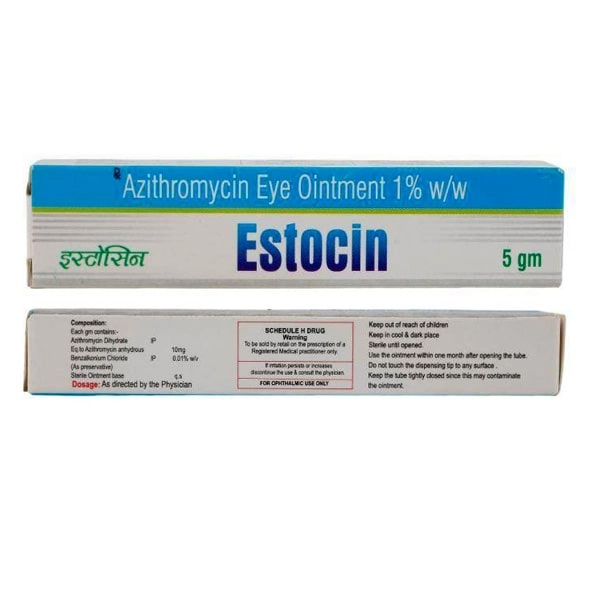
Estocin (ερυθρομυκίνη 0.5% οφθαλμική αλοιφή) — μακρολίδιο για βακτηριακή κογκτιβίτιδα και τυπική προφύλαξη οφθαλμίας νεογνών κατά τη γέννηση. Καθησυχαστική ελαιώδης βάση.
✓ Ιατρικά ελεγμένο από Morgan Ellis — Ερευνητής Φαρμακευτικής · 8 χρόνια εμπειρία · Τελευταία αναθεώρηση: Μάιος 2026
⚡ Γρήγορη Απάντηση — Τι είναι η αλοιφή Estocin;
Η αλοιφή Estocin είναι η ερυθρομυκίνη 0.5% οφθαλμική αλοιφή, ένα αντιβιοτικό μακρολίδιο για βακτηριακή κογκτιβίτιδα, βλεφαρίτιδα και Chlamydia trachomatis (τράχωμα). Χρησιμοποιείται δύο φορές την ημέρα για 1–7 ημέρες ανάλογα με την ένδειξη. Ασφαλής στην εγκυμοσύνη και στα βρέφη.
📦 Κάθε παραγγελία καλύπτεται από την Πολιτική Εγγύησης Επαναποστολής — εάν το δέμα σας δεν φτάσει εντός 20 εργάσιμων ημερών, το επαναποστέλλουμε.
Γιατί να παραγγείλετε από τη MedsBase
Η αλοιφή Estocin προέρχεται από έναν κατασκευαστή πιστοποιημένο από τον WHO-GMP και αποστέλλεται παγκοσμίως σε απλή, διακριτική συσκευασία. Κάθε παραγγελία καλύπτεται από την Πολιτική Εγγύησης Επαναποστολής — εάν δεν έχει φτάσει μετά από 20 εργάσιμες ημέρες, το ξαναστέλνουμε χωρίς επιπλέον κόστος. Υποστηρίζεται από πάνω από 1,400 επαληθευμένες κριτικές πελατών.
Τι είναι η αλοιφή Estocin;
Η αλοιφή Estocin παράγεται από την Estee Pharmaceuticals και περιέχει Ερυθρομυκίνη 0.5% ως στείρη οφθαλμική αλοιφή. Οι μακρολίδες είναι βακτηριοστατικά αντιβιοτικά με ισχυρή δράση έναντι Gram-θετικών κόκκων, ατυπικών οργανισμών (Chlamydia, Mycoplasma) και κάποιας κάλυψης Gram-αρνητικών.
Πώς Λειτουργεί
Η Ερυθρομυκίνη δεσμεύει την 50S βακτηριακή ριβοσωμική υπομονάδα, μπλοκάροντας τη δραστηριότητα της πεπτυδυλοτρανσφεράσης και αποτρέποντας τη σύνθεση πρωτεϊνών. Το αποτέλεσμα είναι βακτηριοστατικό σε χαμηλότερες συγκεντρώσεις και βακτηριοκτόνο σε υψηλότερες δόσεις έναντι ευαίσθητων οργανισμών. Η τοπική Ερυθρομυκίνη επιτυγχάνει υψηλές τοπικές συγκεντρώσεις στον επιπεφυκότα και το δακρυϊκό υγρό.
Ενδείξεις
- Βακτηριακή κοινουγκτίτιδα (Staphylococcus, Streptococcus, Moraxella, Haemophilus)
- Βακτηριακή βλεφαρίτιδα — ιδιαίτερα Staphylococcus aureus
- Προφύλαξη νεογνικής οφθαλμίας — εφαρμόζεται κατά τη γέννηση για την πρόληψη γονόκοκκικής και χλαμυδιακής κοινουγκτίτιδας (πρότυπο φροντίδας παγκοσμίως)
- Δυσλειτουργία των αδένων Meibomian — μικρή ταινία στο χείλος του βλεφάρου ως μέρος της διαχείρισης βλεφαρίτιδας
Χορήγηση
| Ενδείξεις | Δόση |
|---|---|
| Βακτηριακή κοινουγκτίτιδα (αλοιφή) | Εφαρμόστε μια μικρή ταινία (~0.5 cm) στο(α) προσβεβλημένο(α) μάτι(α) έως 6 φορές ημερησίως για 5–7 ημέρες |
| Νεογνική προφύλαξη | Μια ταινία 1 cm σε κάθε μάτι εντός 1 ώρας από τη γέννηση |
Παρενέργειες
Τοπικά: ήπιο τσούξιμο κατά την εγκατάσταση, προσωρινή θολή όραση (ειδικά με αλοιφή), ερεθισμός του ματιού, αίσθηση ξένου σώματος, υπεραιμία του επιπεφυκότος, κνησμό των οφθαλμών.
Συστημικά: αμελητέα από τοπική χρήση.
Ειδοποιήσεις & Αντενδείξεις
- Υπερευαισθησία στα μακρολίδια (αζιθρομυκίνη, ερυθρομυκίνη, κλαριθρομυκίνη)
- Ιογενής ή μυκητιακή κερατίτιδα
- Εγκυμοσύνη — Κατηγορία Β· γενικά ασφαλής τοπικά
- Θηλασμός — συμβατός
- Παιδιά — ασφαλής από τη βρεφική ηλικία (η αλοιφή ερυθρομυκίνης είναι η προτιμώμενη νεογνική προφύλαξη)
Αποθήκευση
Αποθηκεύστε στους 8–25°C. Απορρίψτε 28 ημέρες μετά την πρώτη άνοιξη.
Συχνές Ερωτήσεις
Πότε χρησιμοποιείται η αλοιφή Estocin;
Βακτηριακή επιπεφυκίτιδα, βλεφαρίτιδα, νεογνική οφθαλμία προφύλαξη, δυσλειτουργία των αδένων meibomian. Ιδιαίτερα χρήσιμη κατά την εγκυμοσύνη και τη βρεφική ηλικία λόγω του ευνοϊκού προφίλ ασφάλειας.
Πώς διαφέρει η αλοιφή Estocin από τα φθοροκινολόνες;
Η ερυθρομυκίνη είναι βακτηριοστατική σε τυπικές δόσεις· τα φθοροκινολόνες είναι βακτηριοκτόνα. Η ερυθρομυκίνη έχει ισχυρότερη δράση έναντι άτυπων οργανισμών (Chlamydia) και προτιμάται στην εγκυμοσύνη και σε νεογνά. Τα φθοροκινολόνες έχουν καλύτερη κάλυψη έναντι Pseudomonas.
Είναι η αλοιφή Estocin ασφαλής στην εγκυμοσύνη;
Ναι — Κατηγορία B, γενικά θεωρείται ασφαλής. Η τοπική απορρόφηση είναι ελάχιστη.
Γιατί η αλοιφή Estocin χορηγείται μερικές φορές μόνο για 3 ημέρες στην τράχωμα;
Ο μεγάλος χρόνος ημιζωής της αζιθρομυκίνης στους ιστούς σημαίνει ότι μια θεραπεία 3 ημερών παρέχει θεραπευτικές συγκεντρώσεις στον επιπεφυκότα ιστό για 5–7 ημέρες. Τα προγράμματα μαζικής θεραπείας που εγκρίνονται από τον ΠΟΥ χρησιμοποιούν αυτή τη σύντομη θεραπεία τριμηνιαία για την εξάλειψη της τράχωμας.
Μπορεί να χρησιμοποιηθεί η αλοιφή Estocin σε νεογνά;
Ναι — η οφθαλμική αλοιφή ερυθρομυκίνης είναι η προφυλακτική θεραπεία που εγκρίνεται από τον ΠΟΥ και εφαρμόζεται κατά τη γέννηση για την πρόληψη γονόκοκκων και χλαμυδιακών κονιονκτιβιτιδών.
Τι γίνεται αν τα μάτια μου παραμείνουν κόκκινα μετά τη θεραπεία;
Η βακτηριακή κονιονκτιβίτιδα συνήθως εξαφανίζεται σε 5–7 ημέρες. Η επίμονη ερυθρότητα υποδηλώνει διαφορετική διάγνωση: αλλεργική κονιονκτιβίτιδα, ιογενής κερατοκονιονκτιβίτιδα, ξηροφθαλμία ή μια παραλειπόμενη διαφορική διάγνωση όπως η επισκληρίτιδα. Αξιολογήστε εκ νέου.
Θα θολώσει η όρασή μου η αλοιφή Estocin;
Ναι — οι αλοιφές προκαλούν θόλωση της όρασης για 5–10 λεπτά μετά από κάθε εφαρμογή. Χρησιμοποιήστε την κατά προτίμηση πριν τον ύπνο.
Μπορώ να φορέσω φακούς επαφής;
Αποφύγετε τους φακούς επαφής κατά τη διάρκεια της θεραπείας και για 24 ώρες μετά την εξαφάνιση των συμπτωμάτων.
Τι γίνεται αν έχω υπερευαισθησία;
Σταματήστε την πτώση. Αλλάξτε σε μια κλάση αντιβιοτικών που δεν είναι μακρολίδες. Η πραγματική υπερευαισθησία είναι σπάνια με τοπικά μακρολίδες.
Πώς αποθηκεύεται η αλοιφή Estocin;
Θερμοκρασία δωματίου 15–25°C, ή ψυγείο εάν αναγράφεται, προστατευμένο από το φως. Απορρίψτε μετά από 28 ημέρες.
Άλλα Φάρμακα για τη Φροντίδα των Ματιών
Οι πελάτες που βλέπουν αυτό το προϊόν εξετάζουν επίσης αυτές τις εναλλακτικές λύσεις στην Φροντίδα Ματιών ποικιλία μας:
- Ciplox-D Eye Drops (cipro+dex)
- Gate P Eye Drops (gatifloxacin)
- Genticyn Eye Drop (gentamicin)
- Milflox Eye Drop (moxifloxacin)
- Oflox Eye Drop (ofloxacin)
Ιατρική Αποποίηση Ευθύνης
Οι πληροφορίες σε αυτή τη σελίδα προορίζονται μόνο για εκπαιδευτικούς σκοπούς και δεν αποτελούν υποκατάστατο ιατρικής συμβουλής από έναν προσόντα οφθαλμίατρο ή οπτομετρία. Οι παθήσεις των ματιών μπορούν να απειλήσουν γρήγορα την όραση — η ξαφνική απώλεια όρασης, ο σοβαρός πόνος ή το τραύμα αποτελούν οφθαλμολογική έκτακτη ανάγκη. Συμβουλευτείτε πάντα έναν επαγγελματία φροντίδας των ματιών πριν ξεκινήσετε, διακόψετε ή αλλάξετε οποιαδήποτε θεραπεία.
Περισσότερες επιλογές στη Φροντίδα Ματιών
Ταξινομημένα σύμφωνα με τον όγκο παραγγελιών στο MedsBase — τι επιλέγουν άλλοι πελάτες σε αυτήν την κατηγορία.
| Ισχύς | 1% |
|---|---|
| Ποσότητα | 1 Αλοιφή/ές, 3 Αλοιφές/ές, 6 Αλοιφές/ές |
| Φαρμακευτική Μορφή | Τα σταγονίδια ματιού |
| Κατασκευαστής | Sunways India |
| Θεραπεία | Βακτηριακή λοίμωξη του οφθαλμού |
| Γενόσημη μάρκα | Ερυθρομυκίνη |
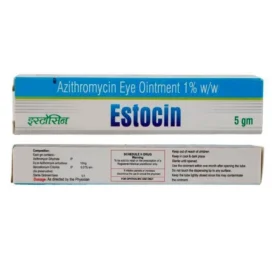 Estocin Αλοιφή
Ερωτήσεις & Απαντήσεις
Estocin Αλοιφή
Σχετικά προϊόντα






Κριτικές
Δεν υπάρχουν ακόμη κριτικές