








Moisol Σταγόνες για τα Μάτια
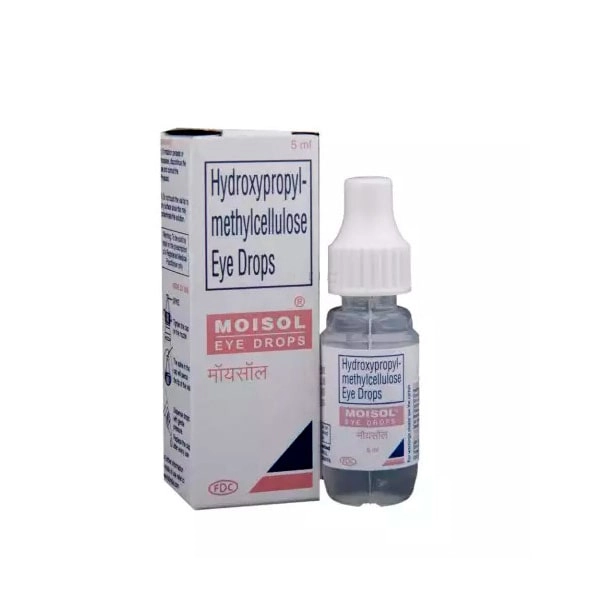


Moisol (HPMC 0,3%) — υδατανθρακικό μεθυλοκυτταρίνης οφθαλμικές σταγόνες λιπαντικού για ήπια-μέτρια ξηροφθαλμία, ξηρότητα από φακούς επαφής και καταπόνηση μετά από χρόνο μπροστά σε οθόνη. Καθημερινή μορφή εφαρμογής με ηρεμιστική δράση.
✓ Ιατρικά ελεγμένο από Morgan Ellis — Ερευνητής Φαρμακευτικής · 8 χρόνια εμπειρία · Τελευταία αναθεώρηση: Μάιος 2026
⚡ Γρήγορη απάντηση — Τι είναι οι οφθαλμικές σταγόνες Moisol;
Οι οφθαλμικές σταγόνες Moisol περιέχουν υδατοπροπυλομεθυλοκυτταρίνη 0,3%, ως λιπαντικές οφθαλμικές σταγόνες (τεχνητά δάκρυα) για ξηροφθαλμία, κόπωση των ματιών και προστασία της επιφάνειας του οφθαλμού. Χρησιμοποιείται κατά ανάγκη — συνήθως 4–8 φορές την ημέρα. Ασφαλής για χρόνια χρήση.
📦 Κάθε παραγγελία καλύπτεται από την Πολιτική Εγγύησης Επαναποστολής — εάν το δέμα σας δεν φτάσει εντός 20 εργάσιμων ημερών, το επαναποστέλλουμε.
Γιατί να παραγγείλετε από τη MedsBase
Οι οφθαλμικές σταγόνες Moisol προέρχονται από έναν κατασκευαστή πιστοποιημένο από τον WHO-GMP και αποστέλλονται παγκοσμίως σε απλή, διακριτική συσκευασία. Κάθε παραγγελία καλύπτεται από την Πολιτική Εγγύησης Επαναποστολής — εάν δεν έχει φτάσει μετά από 20 εργάσιμες ημέρες, το ξαναστέλνουμε χωρίς επιπλέον κόστος. Υποστηρίζεται από πάνω από 1,400 επαληθευμένες κριτικές πελατών.
Τι είναι οι οφθαλμικές σταγόνες Moisol;
Οι οφθαλμικές σταγόνες Moisol κατασκευάζονται από την Cipla και περιέχουν υδατοπροπυλομεθυλοκυτταρίνη 0,3% ως στείρη οφθαλμική λύση. Οι λιπαντικές οφθαλμικές σταγόνες (τεχνητά δάκρυα) συμπληρώνουν τα φυσικά δάκρυα, ενυδατώνουν την επιφάνεια του οφθαλμού και μειώνουν την τριβή κατά το βλεφάρισμα. Είναι πρώτης γραμμής για ήπια ξηροφθαλμία, κόπωση των ματιών και σύνδρομο οφθαλμικής κόπωσης από οθόνη, και συμπληρώνουν τις θεραπείες τροποποίησης της νόσου σε μέτρια έως σοβαρή ξηροφθαλμία.
Πώς Λειτουργεί
Η υδατοπροπυλομεθυλοκυτταρίνη σχηματίζει ένα ιξώδες πολυμερές υμένιο πάνω από τον κερατοειδή και τον επιπεφυκότα, μιμούμενη το μουσικό στρώμα του φυσικού δακρύου. Το πολυμερές κρατάει νερό, διατηρώντας την επιφάνεια ενυδατωμένη για μεγαλύτερο χρονικό διάστημα από το φυσιολογικό οφθαλμικό διάλυμα. Η καρβοξυμεθυλοκυτταρίνη, η υδατοπροπυλομεθυλοκυτταρίνη (HPMC), η πολυβινυλική αλκοόλη και η υαλουρονικό οξύ είναι κοινά ενεργά πολυμερή — όλα με παρόμοια λιπαντική δράση.
Ενδείξεις
- Ήπια ξηροφθαλμία — αίσθημα καύσου, τραχύτητας, διαλείπουσα θολή όραση
- Κόπωση οφθαλμών / σύνδρομο οφθαλμών υπολογιστή — παρατεταμένη χρήση οθόνης, φορά επαφών, κλιματισμός
- Συμπληρωματική στη μέτρια έως σοβαρή ξηροφθαλμία — παράλληλα με κυκλοσπορίνη, λιφιτεγκράστ, πιγκικούς βύσματα
- Ξηροφθαλμία μετά LASIK / διαθλαστικής χειρουργικής
- Περιβαλλοντική ερεθισμός — άνεμος, σκόνη, καπνός, χλωρίνη πισίνας
- Υποστήριξη νόσου περιθωρίου βλεφάρων — δυσλειτουργία των αδένων Meibomius (παράλληλα με υγιεινή βλεφάρων)
Χορήγηση
1–2 σταγόνες σε κάθε μάτι 4–8 φορές ημερησίως κατά ανάγκη. Δεν υπάρχει ανώτατο όριο — τα συντηρητικά-ελεύθερα σκευάσματα μπορούν να χρησιμοποιηθούν ανά ώρα εάν χρειαστεί. Τα πολυδόσια μπουκάλια με συντηρητικά θα πρέπει να περιορίζονται σε 4–6 εγκαταστάσεις ημερησίως για να αποφευχθεί η τοξικότητα της επιφάνειας του οφθαλμού που προκαλείται από τα συντηρητικά.
Παρενέργειες
Τοπικά: Ήπιο τσούξιμο κατά την εγκατάσταση (σπάνιο), προσωρινή θόλωση (10–30 δευτερόλεπτα ενώ η πολυμερής μεμβράνη εξισορροπείται), υπεραιμία της επιπεφυκότος (σπάνια).
Συστημικά: Καμία — τα λιπαντικά δεν απορροφώνται.
Ειδοποιήσεις & Αντενδείξεις
- Υπερευαισθησία σε οποιοδήποτε συστατικό (σπάνια)
- Η συχνή χρήση με σταγόνες που περιέχουν συντηρητικά μπορεί να προκαλέσει δευτερογενή τοξικότητα — αλλάξτε σε συντηρητικά-ελεύθερα
- Εάν τα συμπτώματα επιδεινωθούν ή δεν βελτιωθούν σε 1–2 εβδομάδες, επισκεφθείτε τον οφθαλμολογό σας — η νόσος του ξηρού οφθαλμού μπορεί να είναι πιο προχωρημένη από το ήπιο στάδιο και να απαιτεί θεραπεία που τροποποιεί την νόσο
Αποθήκευση
Αποθηκεύστε σε θερμοκρασία 15–25°C. Φιαλίδια πολλαπλών δόσεων: απορρίψτε 28 ημέρες μετά το πρώτο άνοιγμα. Φιαλίδια μίας χρήσης: απορρίψτε αμέσως μετά τη χρήση.
Συχνές Ερωτήσεις
Πότε πρέπει να χρησιμοποιώ τις οφθαλμικές σταγόνες Moisol;
Όποτε τα μάτια σας αισθάνονται ξηρά, τραχιά, κουρασμένα ή καυστικά. Συνηθισμένοι παράγοντες: παρατεταμένη χρήση οθόνης, φορά επαφών, κλιματισμός, άνεμος, εποχή αλλεργιών. Χρησιμοποιήστε όταν χρειάζεται — δεν υπάρχει ασφαλές ανώτατο όριο για συντηρητικά-ελεύθερες μορφές.
Ποια είναι η διαφορά μεταξύ των μαρκών τεχνητών δακρύων;
Οι περισσότερες μάρκες χρησιμοποιούν ένα από αυτά τα πολυμερή: καρβοξυμεθυλοκυτταρίνη, υδροξυπροπυλομεθυλοκυτταρίνη (HPMC), πολυβινυλική αλκοόλη, υαλουρονικό οξύ ή πολυαιθυλενογλυκόλη/προπυλενογλυκόλη. Όλα λειτουργούν παρόμοια. Η παρουσία συντηρητικών, το ιξώδες και η περιεκτικότητα σε λιπίδια (για εξατμιζόμενο ξηρό οφθαλμό) είναι μεγαλύτεροι διαφοροποιητικοί παράγοντες από το συγκεκριμένο πολυμερές.
Πρέπει να χρησιμοποιώ συντηρητικά-ελεύθερες;
Ναι, εάν χρησιμοποιείτε σταγόνες περισσότερο από 4 φορές την ημέρα, έχετε μέτριο έως σοβαρό ξηρό οφθαλμό, είστε μετά LASIK ή φοράτε επαφές. Τα συντηρητικά (ειδικά το βενζαλκώνιο χλωρίδιο) βλάπτουν το επιθήλιο της κόρης με συχνή χρήση.
Μπορώ να χρησιμοποιήσω τις οφθαλμικές σταγόνες Moisol με τους φακούς επαφής μου;
Τα περισσότερα λιπαντικά μπορούν να χρησιμοποιηθούν με τις επαφές εάν αναγράφονται ως ‘συμβατά με επαφές’. Οι συντηρητικά-ελεύθερες μορφές είναι οι πιο ασφαλείς. Ορισμένα παχύρρευστα τζελ πρέπει να εφαρμόζονται πριν από την τοποθέτηση των επαφών ή μετά την αφαίρεσή τους.
Τι γίνεται αν τα μάτια μου εξακολουθούν να είναι ξηρά;
Το ήπιο ξερό μάτι συνήθως ανταποκρίνεται μόνο σε λιπαντικά. Τα επίμονα συμπτώματα υποδηλώνουν μέτριος έως σοβαρός ξηροφθαλμία — δυσλειτουργία των μαιβομιαίων αδένων (ζεστές συμπιέσεις, υγιεινή των βλεφάρων), ξηροφθαλμία λόγω έλλειψης υγρού (κυκλοσπορίνη, πινακίδες στα πόντους), σύνδρομο Σιόγκρεν. Ζητήστε από τον οφθαλμολόγο σας να εξετάσει τα βλέφαρα και το δακρυϊκό υμένιο.
Μπορώ να χρησιμοποιώ τα σταγονίδια Moisol μακροπρόθεσμα;
Ναι. Τα συντηρητικά-ελεύθερες φόρμουλες είναι ασφαλείς για χρόνια αόριστη χρήση. Τα πολυδόζα φιαλίδια που περιέχουν συντηρητικά θα πρέπει να περιορίζονται σε 4–6 εγκαταστάσεις ημερησίως.
Τι γίνεται με τις σταγόνες τζελ έναντι των σταγόνων διαλύματος;
Τα τζελ είναι πιο ιξώδη, διαρκούν περισσότερο, αλλά θολώνουν περισσότερο την όραση. Συχνά χρησιμοποιούνται πριν τον ύπνο. Τα διαλύματα δρουν γρήγορα με ελάχιστη θόλωση — ιδανικά για ημερήσια χρήση.
Είναι οι οφθαλμικές σταγόνες Moisol ασφαλείς κατά την εγκυμοσύνη;
Ναι — τα λιπαντικά δεν απορροφώνται.
Τι γίνεται αν ξεχάσω να χρησιμοποιήσω τις οφθαλμικές σταγόνες Moisol;
Χρησιμοποιήστε το όταν εμφανίζονται συμπτώματα. Δεν υπάρχει σταθερό πρόγραμμα.
Ποια είναι η διαφορά μεταξύ ξηροφθαλμίας και κόπωσης των ματιών;
Η κόπωση των ματιών (ασθενωπία) είναι μυϊκή — προκαλείται από παρατεταμένη εστίαση σε κοντινές αποστάσεις και μειωμένο βλεφάρισμα κατά τη χρήση οθονών. Το ξηρό μάτι είναι μια πάθηση της επιφάνειας του οφθαλμού. Και οι δύο καταστάσεις βελτιώνονται με λιπαντικά και με την αντιμετώπιση του παράγοντα που τις προκαλεί (κανόνας 20-20-20 για την κόπωση, ελέγχους του περιβάλλοντος και μερικές φορές συνταγογραφούμενα σταγόνες για το ξηρό μάτι).
Άλλα Φάρμακα για τη Φροντίδα των Ματιών
Οι πελάτες που βλέπουν αυτό το προϊόν εξετάζουν επίσης αυτές τις εναλλακτικές λύσεις στην Φροντίδα Ματιών ποικιλία μας:
- Restasis Eye Drops (κυκλοσπορίνη)
- Cyclomune Eye Drop (κυκλοσπορίνη)
- Just Tears Σταγόνες για τα Μάτια
- Moisol Σταγόνες για τα Μάτια
- Nano Tears Σταγόνες για τα Μάτια
Ιατρική Αποποίηση Ευθύνης
Οι πληροφορίες σε αυτή τη σελίδα προορίζονται μόνο για εκπαιδευτικούς σκοπούς και δεν αποτελούν υποκατάστατο ιατρικής συμβουλής από έναν προσόντα οφθαλμίατρο ή οπτομετρία. Οι παθήσεις των ματιών μπορούν να απειλήσουν γρήγορα την όραση — η ξαφνική απώλεια όρασης, ο σοβαρός πόνος ή το τραύμα αποτελούν οφθαλμολογική έκτακτη ανάγκη. Συμβουλευτείτε πάντα έναν επαγγελματία φροντίδας των ματιών πριν ξεκινήσετε, διακόψετε ή αλλάξετε οποιαδήποτε θεραπεία.
Περισσότερες επιλογές στη Φροντίδα Ματιών
Ταξινομημένα σύμφωνα με τον όγκο παραγγελιών στο MedsBase — τι επιλέγουν άλλοι πελάτες σε αυτήν την κατηγορία.
| Ισχύς | 5 ml |
|---|---|
| Ποσότητα | 1 Μπουκάλι/α, 3 Μπουκάλια, 6 Μπουκάλια |
| Φαρμακευτική Μορφή | Μονάδα/ες |
| Κατασκευαστής | Fdc Pvt. Ltd |
| Θεραπεία | Ξηροφθαλμία |
| Γενόσημη μάρκα | HPMC Drop |
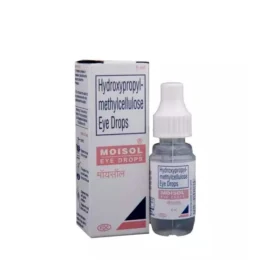 Moisol Σταγόνες για τα Μάτια
Ερωτήσεις & Απαντήσεις
Moisol Σταγόνες για τα Μάτια
Σχετικά προϊόντα

Κριτικές
Δεν υπάρχουν ακόμη κριτικές