







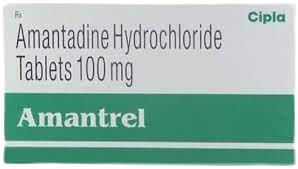
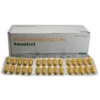
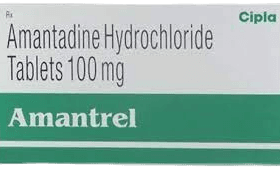
Amantrel

✅ Αποτρέπει τις λοιμώξεις από γρίπη
✅ Θεραπεύει τα συμπτώματα του Πάρκινσον
✅ Μειώνει τους τρόμους
✅ Βελτιώνει την κινητικότητα
✅ Αυξάνει τα επίπεδα ενέργειας
Το Amantrel περιέχει Αμανταδίνη.
✓ Ιατρικά ελεγμένο από Morgan Ellis — Ερευνητής Φαρμακευτικής · 8 χρόνια εμπειρία · Τελευταία αναθεώρηση: Μάιος 2026
⚡ Γρήγορη Απάντηση
Amantrel είναι από του στόματος αμανταδίνη (100 mg) κάψουλα με έναν μοναδικό διπλό μηχανισμό: και απελευθερώνει ντοπαμίνη από τις προσυναπτικές αποθήκες και αποκλείει τους υποδοχείς NMDA γλουταμικού. Στη νόσο του Πάρκινσον έχει δύο διακριτές χρήσεις: (1) μέτρια συμπτωματική βελτίωση στα πρώιμα στάδια της νόσου (ειδικά για τρόμο και ακαμψία), και (2) μία από τις μόνες αποτελεσματικές θεραπείες για δυσκινησίες που προκαλούνται από λεβοντόπα σε προχωρημένα στάδια της νόσου. Συχνές, συχνά δοσο-περιοριστικές παρενέργειες: οίδημα αστραγάλων, livedo reticularis (μια διακεκομμένη μωβ-μπλε επιδερμίδα), σύγχυση, ψευδαισθήσεις (ειδικά σε ηλικιωμένους ασθενείς), αϋπνία. Η αμανταδίνη ιστορικά χρησιμοποιούνταν επίσης για την πρόληψη και τη θεραπεία της γρίπης Α — χρήση που εγκαταλείφθηκε λόγω ανθεκτικότητας.
📦 Κάθε παραγγελία καλύπτεται από την Πολιτική Εγγύησης Επαναποστολής — εάν το δέμα σας δεν φτάσει εντός 20 εργάσιμων ημερών, το επαναποστέλλουμε.
Γιατί να παραγγείλετε από τη MedsBase
Τα γενόσημα φάρμακά μας προέρχονται από κατασκευαστές που πιστοποιούνται από την WHO-GMP και αποστέλλονται παγκοσμίως σε διακριτική, απλή συσκευασία — χωρίς όνομα φαρμάκου στο εξωτερικό του δέματος. Οι πληρωμές με κάρτα δρομολογούνται μέσω ρυθμισμένου επεξεργαστή (οι περιγραφές εκκαθάρισης περιλαμβάνουν ρυθμισμένο επεξεργαστή πληρωμών με κάρτα — ποτέ “MedsBase” ή οποιοδήποτε όνομα φαρμάκου). Γίνονται δεκτές και πληρωμές με κρυπτονομίσματα και τραπεζική μεταφορά SEPA. Κάθε παραγγελία καλύπτεται από την Πολιτική Επαναποστολής Εξασφαλίσεώς μας.
Τι Είναι το Amantrel;
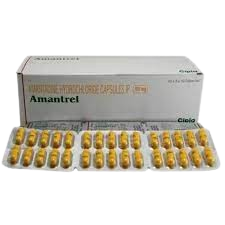
Το Amantrel είναι ένας από του στόματος κάψουλας που περιέχει αμανταδίνη 100 mg. Η αμανταδίνη αρχικά αδειοδοτήθηκε τη δεκαετία του 1960 ως αντιγριπικό φάρμακο· η αντι-Πάρκινσον δράση της ανακαλύφθηκε τυχαία όταν ένας ασθενής με νόσο του Πάρκινσον που έλαβε θεραπεία για γρίπη βελτιώθηκε απροσδόκητα. Η πρωτότυπη εμπορική ονομασία είναι Symmetrel. Το Amantrel παράγεται σε εγκατάσταση πιστοποιημένη από τον WHO-GMP και είναι βιοισοδύναμο σε δόση 100 mg.
Πώς Λειτουργεί το Amantrel (Αμανταδίνη);
Η αμανταδίνη είναι μοναδική μεταξύ των φαρμάκων για τον Πάρκινσον καθώς έχει δύο συμπληρωματικούς μηχανισμούς δράσης:
- Ενίσχυση ντοπαμινεργικής δράσης. Αυξάνει την προσυναπτική απελευθέρωση ντοπαμίνης, αποκλείει την επαναπρόσληψη ντοπαμίνης και μπορεί να διεγείρει μετρία τους υποδοχείς ντοπαμίνης. Αυτό παράγει άμεση αντι-Πάρκινσον επίδραση, ειδικά για ακαμψία και τρόμο.
- Ανταγωνισμός στον υποδοχέα NMDA. Η αμανταδίνη είναι ένας μη ανταγωνιστικός αναστολέας των υποδοχέων γλουταμικού N-μεθυλο-D-ασπαραγικού (NMDA). Η υπερβολική δραστηριότητα των NMDA στο ραβδωτό σώμα προκαλεί δυσκινησίες που προκαλούνται από λεβοντόπα — τις ακούσιες σπειροειδείς κινήσεις που εμφανίζονται μετά από χρόνια θεραπείας με λεβοντόπα. Με την καταστολή αυτού του σήματος γλουταμικού, η αμανταδίνη μειώνει τη δυσκινησία χωρίς μειώνοντας τα οφέλη της λεβοντόπας. Αυτός είναι ο πιο χαρακτηριστικός της ρόλος.
Έχει επίσης ασθενή αντικινολινεργική δράση, η οποία συμβάλλει τόσο στην ελάφρυνση των συμπτωμάτων όσο και στις γνωστικές παρενέργειες σε ηλικιωμένους ασθενείς.
Για Ποιον Είναι Κατάλληλη η Αμανταδίνη;
- Πρώιμη νόσος Parkinson — ως μονοθεραπεία ή συμπληρωματικά σε αναστολέα MAO-B ή αγωνιστή ντοπαμίνης, προσφέροντας μέτρια ανακούφιση των συμπτωμάτων ενώ καθυστερούν την έναρξη της λεβοντόπας.
- Προχωρημένη νόσος Parkinson με δυσκινησία που προκαλείται από λεβοντόπα — αυτή είναι η ισχυρότερη ενδείξει της αμανταδίνης με βάση στοιχεία. Η προσθήκη 100–300 mg/ημέρα μειώνει τη δυσκινησία κατά περίπου 50% σε πολλούς ασθενείς.
- Συμπτώματα εξωπυραμιδικής συστάσεως που προκαλούνται από φάρμακα — από αντιψυχωσικά φάρμακα· μερικές φορές χρησιμοποιείται ως εναλλακτική των αντιχολινεργικών, ιδιαίτερα σε ηλικιωμένους ασθενείς όπου τα αντιχολινεργικά επιδεινώνουν τη γνωστική λειτουργία.
- Κούραση σχετιζόμενη με τη σκλήρυνση κατά πλάκας — εκτός ετικέτας, μέτρια στοιχεία.
- Γρίπη τύπου Α — δεν συνιστάται πλέον: σχεδόν όλα τα κυκλοφορούντα στελέχη γρίπης τύπου Α είναι ανθεκτικά στην αμανταδίνη από τα μέσα της δεκαετίας του 2000.
Χορήγηση και Δοσολογία
| Ενδείξεις | Αρχική δόση | Συνήθης συντήρηση |
|---|---|---|
| Νόσος Parkinson (πρώιμη μονοθεραπεία) | 100 mg μια φορά την ημέρα για 1 εβδομάδα | 100 mg δύο φορές την ημέρα· μέγιστο 300 mg/ημέρα |
| Δυσκινησία που προκαλείται από λεβοντόπα | 100 mg δύο φορές ημερησίως | 100 mg 2–3 φορές την ημέρα· έως 400 mg/ημέρα σε επιλεγμένους ασθενείς |
| Παρκινσονισμός που προκαλείται από φάρμακα | 100 mg δύο φορές ημερησίως | 100–300 mg/ημέρα |
| Νεφρική δυσλειτουργία (CrCl < 50 ml/min) | Μείωση κατά 50% | CrCl 15–30: 100 mg κάθε 2–3 ημέρες· αιμοδιύλιση: 100 mg/εβδομάδα |
Ο χρόνος της ημέρας έχει σημασία. Αποφύγετε τις δόσεις το βράδυ — η αμανταδίνη είναι διεγερτική και συχνά προκαλεί αϋπνία και ζωηρά όνειρα. Λάβετε τις δόσεις το πρωί και το απόγευμα με ή χωρίς τροφή.
Συχνές παρενέργειες
Συχνές: αϋπνία, ζωηρά όνειρα, ναυτία, ζάλη, ξηροστομία, δυσκοιλιότητα, περιφερικό οίδημα (πρήξιμο αστραγάλων), livedo reticularis (ιώδες κηλιδωτό εξάνθημα στα πόδια — καλοήθες αλλά κοσμητικά ανησυχητικό).
Λιγότερο συχνές: θολή όραση, ούρηση με δυσκολία, ορθοστατική υπόταση, άγχος, κατάθλιψη.
Πιο σοβαρές (κυρίως σε ηλικιωμένους ή νεφρική δυσλειτουργία): σύγχυση, οπτικές ψευδαισθήσεις, παράνοια, ιδέες αυτοκτονίας, σπασμοί, σύνδρομο όμοιο με νευροληπτική κακοήθη κατά την απότομη διακοπή.
Livedo reticularis είναι χαρακτηριστική παρενέργεια — ένα δαντελωτό, ιώδες-κόκκινο κηλιδωτό σχέδιο στα κάτω άκρα και τα χέρια. Είναι αβλαβές και αντιστρέφεται πλήρως σε εβδομάδες έως μήνες μετά τη διακοπή του φαρμάκου. Πολλοί ασθενείς μπορούν να συνεχίσουν τη χρήση αμανταδίνης παρά την εμφάνιση.
Αλληλεπιδράσεις Φαρμάκων
- Αντιχολινεργικά (τριεξυφενιδύλιο, βενζτροπίνη, υοσκίνη, οξυβουτινίνη) — πρόσθετη ξηροστομία, θολή όραση, δυσκοιλιότητα, σύγχυση. Ιδιαίτερα προβληματικό σε ηλικιωμένους ασθενείς.
- Κεντρικού νευρικού συστήματος διεγερτικά — ψευδοεφεδρίνη, μεθυλφαινιδάτη: πρόσθετη αϋπνία, ταραχή.
- Τριμεθόπριμη και τριμεθόπριμη-σουλφαμεθοξαζόλη — ανταγωνίζεται την αμανταδίνη για την εκκρίνωση από τους νεφρικούς σωλήνες, αυξάνει τα επίπεδα.
- Κινίνη, κινιδίνη — μειώνουν την νεφρική κάθαρση της αμανταδίνης.
- Ζωντανό εμβόλιο γρίπης με αποδυναμωμένο ιό — θεωρητική παρέμβαση στην αντιγραφή· απαιτείται διάστημα 48 ωρών μεταξύ της αμανταδίνης και του εμβολίου.
- Αλκοόλ — πρόσθετες επιδράσεις στο ΚΝΣ, αυξημένη ζάλη και σύγχυση. Αποφύγετε την έντονη χρήση.
Συχνές Ερωτήσεις
Πώς διαφέρει η αμανταδίνη από άλλα φάρμακα για το Πάρκινσον;
Είναι το μόνο φάρμακο για το Πάρκινσον που μειώνει σημαντικά δυσκινησίες που προκαλούνται από λεβοντόπα — τις ακούσιες κινήσεις που εμφανίζονται μετά από χρόνια θεραπείας με λεβοντόπα. Τα περισσότερα άλλα αντιαρκινσονικά φάρμακα αυξάνουν τη δυσκινησία αντί να τη μειώνουν. Η δράση του ως ανταγωνιστής NMDA είναι που το καθιστά δυνατό.
Πόσο γρήγορα θα αρχίσει να δρα το Amantrel;
Ορισμένοι ασθενείς παρατηρούν όφελος στα συμπτώματα εντός ημερών· η επίδραση στη δυσκινησία χρειάζεται 1–2 εβδομάδες για να γίνει εμφανής. Το πλήρες όφελος συνήθως γίνεται σαφές εντός 4 εβδομάδων. Αν δεν δείτε κανένα όφελος μέχρι τις 6 εβδομάδες, είναι απίθανο να βοηθήσει περαιτέρω.
Γιατί πρέπει να το παίρνω το πρωί και το απόγευμα, όχι τη νύχτα;
Η αμανταδίνη είναι διεγερτική και συχνά προκαλεί αϋπνία και ζωηρά όνειρα. Η λήψη της τελευταίας δόσης μέχρι το μεσημέρι αποφεύγει αυτό. Αν ξεχάσετε και πάρετε μια καθυστερημένη δόση, αναμένετε μια κακή νύχτα ύπνου.
Τι είναι η livedo reticularis και πρέπει να ανησυχώ;
Είναι ένα ακίνδυνο, δαντελωτό, μωβ-κόκκινο ντεμακέ σχέδιο στα πόδια και τα χέρια, που προκαλείται από την αλλαγή του τόνου των μικρών αγγείων από την αμανταδίνη. Είναι κοσμητικά εμφανές αλλά δεν προκαλεί καμία ιατρική βλάβη και αντιστρέφεται πλήρως εντός εβδομάδων έως μηνών μετά τη διακοπή του φαρμάκου. Πολλοί ασθενείς συνεχίζουν να χρησιμοποιούν την αμανταδίνη παρά την εμφάνιση.
Μπορώ να πάρω το Amantrel για γρίπη;
Όχι. Σχεδόν όλα τα κυκλοφορούντα στελέχη γρίπης Α είναι ανθεκτικά στην αμανταδίνη από τα μέσα της δεκαετίας του 2000, και η αμανταδίνη δεν είχε ποτέ χρήσιμη δραστηριότητα κατά της γρίπης Β. Χρησιμοποιήστε ένα ενεργό αντιιικό — oseltamivir, zanamivir, baloxavir — αντ' αυτού.
Γιατί ο γιατρός μου ρωτάει για τη νεφρική μου λειτουργία πριν συνταγογραφήσει αυτό;
Η αμανταδίνη εκκρίνεται σχεδόν εξ ολοκλήρου από τα νεφρά. Αν η κλιренση της κρεατινίνης σας είναι χαμηλή, το φάρμακο συσσωρεύεται και οι τοξικές επιδράσεις (σύγχυση, ψευδαισθήσεις, μυοκλονία, σπασμοί) ακολουθούν εντός ημερών. Η νεφρική προσαρμογή της δόσης είναι απαραίτητη, ειδικά σε ηλικιωμένους ασθενείς.
Μπορεί το Amantrel να προκαλέσει ψευδαισθήσεις;
Ναι — ειδικά σε ηλικιωμένους ασθενείς, σε άτομα με γνωστική διαταραχή ή σε νεφρική δυσλειτουργία. Οι οπτικές ψευδαισθήσεις είναι οι πιο συχνές. Αν συμβούν, επικοινωνήστε με το γιατρό σας — συνήθως η λύση είναι η μείωση της δόσης ή η διακοπή.
Θα προκαλέσει ο Amantrel αύξηση βάρους;
Μπορεί να προκαλέσει περιφερικό οίδημα (πρήξιμο στους αστραγάλους) αλλά δεν προκαλεί πραγματική αύξηση βάρους. Ορισμένοι ασθενείς μπορεί επίσης να έχουν ήπια καταστολή της όρεξης στην αρχή.
Μπορώ να σταματήσω τον Amantrel απότομα;
Όχι. Η απότομη διακοπή μπορεί να προκαλέσει σύνδρομο που μοιάζει με νευροληπτική κακοήθεια (σκλήρυνση, πυρετό, αυτονομική αστάθεια, αυξημένη CK). Μειώστε σταδιακά τη δόση σε διάστημα 1-2 εβδομάδων υπό ιατρική επίβλεψη.
Μπορώ να πίνω αλκοόλ με τον Amantrel;
Αποφύγετε την υπερβολική ή τακτική κατανάλωση αλκοόλ — το αλκοόλ αυξάνει το ζάλισμα, τη σύγχυση και μπορεί να επιδεινώσει την ορθοστατική υπόταση. Η περιστασιακή ελαφριά κατανάλωση είναι συνήθως αποδεκτή.
Πώς αποστέλλει η MedsBase τον Amantrel;
Παγκόσμια αποστολή σε διακριτική συσκευασία από εργοστάσιο πιστοποιημένο από την WHO-GMP. Οι κάψουλες αποστέλλονται σε πρωτότυπες σφραγισμένες φυσαλίδες. Παρακολουθήστε την παραγγελία σας από τον λογαριασμό σας στην MedsBase.
Αποθήκευση
Φυλάξτε σε θερμοκρασία δωματίου (15–30°C / 59–86°F), προστατευμένο από θερμότητα, υγρασία και άμεσο φως. Φυλάξτε στο πρωτότυπο δοχείο με το καπάκι καλά κλειστό. Φυλάξτε μακριά από παιδιά. Μην χρησιμοποιείτε μετά την ημερομηνία λήξης που αναγράφεται στη συσκευασία.
Ιατρική Αποποίηση Ευθύνης
Αυτές οι πληροφορίες παρέχονται μόνο για εκπαιδευτικούς σκοπούς και δεν αποτελούν υποκατάστατο της συμβουλής ενός καταρτισμένου κλινικού. Η νόσος Parkinson και τα συνδρόμο παρκινσονισμού απαιτούν εξατομικευμένη νευρολογική φροντίδα. Συζητήστε όλα τα φάρμακα, τα συμπληρώματα και τις προϋπάρχουσες παθήσεις με τον γιατρό σας πριν ξεκινήσετε, αλλάξετε ή διακόψετε τη θεραπεία. Μην διακόψετε απότομα τη δοπαμινεργική θεραπεία — η απότομη διακοπή μπορεί να προκαλέσει σύνδρομο που μοιάζει με νευροληπτική κακοήθεια.
Σχετικές Εναλλακτικές
Άλλα προϊόντα σε Χρόνιες Παθήσεις που οι πελάτες εξετάζουν επίσης:
Περισσότερες επιλογές στη θεραπεία της νόσου Parkinson
Ταξινομημένα σύμφωνα με τον όγκο παραγγελιών στο MedsBase — τι επιλέγουν άλλοι πελάτες σε αυτήν την κατηγορία.

| Ισχύς | 100 mg |
|---|---|
| Ποσότητα | 30 Καψάκια, 60 Καψάκια, 90 Καψάκια, 180 Καψάκια |
 Amantrel
Ερωτήσεις & Απαντήσεις
Amantrel
Σχετικά προϊόντα




Κριτικές
Δεν υπάρχουν ακόμη κριτικές