







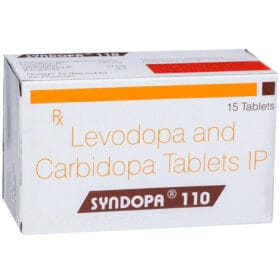
Syndopa
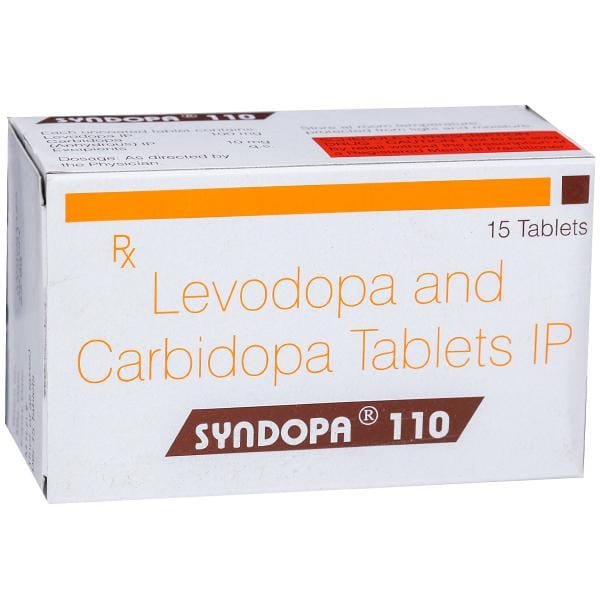
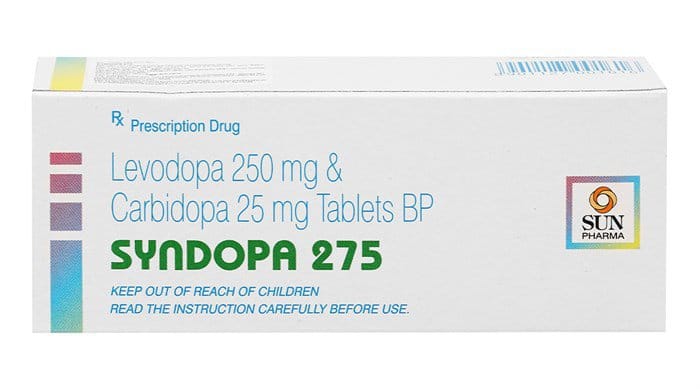
✅ Ανακουφίζει τα συμπτώματα του Parkinson
✅ Αυξάνει τα επίπεδα ντοπαμίνης
✅ Βελτιώνει τη κινητική λειτουργία
✅ Μειώνει τους τρόμους
✅ Ενισχύει την κινητικότητα
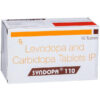
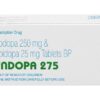
Το Syndopa περιέχει Levodopa και Carbidopa.
✓ Ιατρικά ελεγμένο από Morgan Ellis — Ερευνητής Φαρμακευτικής · 8 χρόνια εμπειρία · Τελευταία αναθεώρηση: Μάιος 2026
⚡ Γρήγορη Απάντηση
Syndopa είναι δισκίο άμεσης αποδέσμευσης συνδυασμού λεβοντόπα + καρβιντόπα (110 mg (100/10) και 275 mg (250/25)) — ο ακρογωνιαίος λίθος της θεραπείας για Νόσος Parkinson. Η λεβοντόπα μετατρέπεται σε ντοπαμίνη στον εγκέφαλο για να αντικαταστήσει αυτό που οι αποτυχημένες νευρώνες νίγρας δεν μπορούν πλέον να παράγουν· η καρβιντόπα εμποδίζει αυτή τη μετατροπή έξω από τον εγκέφαλο, ώστε περισσότερη λεβοντόπα να φτάνει στο κεντρικό νευρικό σύστημα, με λιγότερες παρενέργειες στην περιφέρεια (ναυτία, έμετος, ορθοστατική πτώση). Διατίθεται σε δύο δυνάμεις: 110 mg = 100 mg λεβοντόπα + 10 mg καρβιντόπα (ο τύπος με χαμηλότερη καρβιντόπα), και 275 mg = 250 mg λεβοντόπα + 25 mg καρβιντόπα. Η έκδοση με 25 mg καρβιντόπα προτιμάται για τους περισσότερους ασθενείς, επειδή απαιτούνται 75–100 mg καρβιντόπα ημερησίως για να κορεστεί πλήρως η περιφερειακή δεκαρβοξυλάση — κάτω από αυτό το επίπεδο, οι παρενέργειες στην περιφέρεια (ναυτία, υπόταση) είναι συχνές. Κρίσιμο: ποτέ μην διακόπτετε απότομα τη λεβοντόπα — κίνδυνος συνδρόμου νευροληπτικής κακοήθειας. Η δόση πρέπει να μειώνεται σταδιακά.
📦 Κάθε παραγγελία καλύπτεται από την Πολιτική Εγγύησης Επαναποστολής — εάν το δέμα σας δεν φτάσει εντός 20 εργάσιμων ημερών, το επαναποστέλλουμε.
Γιατί να παραγγείλετε από τη MedsBase
Τα γενόσημα φάρμακά μας προέρχονται από κατασκευαστές που πιστοποιούνται από την WHO-GMP και αποστέλλονται παγκοσμίως σε διακριτική, απλή συσκευασία — χωρίς όνομα φαρμάκου στο εξωτερικό του δέματος. Οι πληρωμές με κάρτα δρομολογούνται μέσω ρυθμισμένου επεξεργαστή (οι περιγραφές εκκαθάρισης περιλαμβάνουν ρυθμισμένο επεξεργαστή πληρωμών με κάρτα — ποτέ “MedsBase” ή οποιοδήποτε όνομα φαρμάκου). Γίνονται δεκτές και πληρωμές με κρυπτονομίσματα και τραπεζική μεταφορά SEPA. Κάθε παραγγελία καλύπτεται από την Πολιτική Επαναποστολής Εξασφαλίσεώς μας.
Τι είναι το Syndopa;
Το Syndopa είναι ένα δισκίο για από του στόματος που περιέχει λεβοντόπα + καρβιντόπα 110 mg (100/10) και 275 mg (250/25) σε ένα άμεσης αποδέσμευσης σύνθεση. Ο συνδυασμός αποτελεί τη βάση της θεραπείας της νόσου Parkinson από τη δεκαετία του 1970 και παραμένει η πιο αποτελεσματική απλή θεραπεία για τα κινητικά συμπτώματα (βραδυκινησία, ακαμψία, τρόμος). Αρχικά κυκλοφόρησε στην αγορά ως Sinemet. Το Syndopa παράγεται σε εγκατάσταση πιστοποιημένη από τον WHO-GMP και είναι βιοισοδύναμο με την πρωτότυπη μάρκα στην ίδια δόση.
Πώς Λειτουργεί το Syndopa;
Η νόσος Parkinson προκύπτει από τη σταδιακή απώλεια νευρώνων που παράγουν ντοπαμίνη στον substantia nigra. Levodopa είναι το άμεσο βιοχημικό πρόδρομο της ντοπαμίνης· σε αντίθεση με την ίδια τη ντοπαμίνη, διασχίζει το αιματοεγκεφαλικό φράγμα. Μόλις εισέλθει στον εγκέφαλο, οι επιζώντες νευρώνες την αποκαρβοξυλιώνουν σε ντοπαμίνη, αποκαθιστώντας τα συναπτικά επίπεδα ντοπαμίνης και βελτιώνοντας τον κινητικό έλεγχο.
Το πρόβλημα: όταν η λεβοντόπα χορηγείται μόνη της, >95% μετατρέπεται σε ντοπαμίνη στους περιφερειακούς ιστούς πριν φτάσει στον εγκέφαλο — προκαλώντας σοβαρή ναυτία, έμετο και ορθοστατική υπόταση, και αναγκάζοντας τη χρήση μεγάλων δόσεων. Carbidopa είναι ένας περιφερειακός αναστολέας της αρωματικής-αμινοξέος αποκαρβοξυλάσης. Δεν διασχίζει το ίδιο το αιματοεγκεφαλικό φράγμα, αλλά εμποδίζει την αποικοδόμηση της λεβοντόπας στους περιφερειακούς ιστούς. Το αποτέλεσμα: μείωση της δόσης λεβοντόπας που απαιτείται για το ίδιο εγκεφαλικό αποτέλεσμα κατά 4–5 φορές, και πολύ λιγότερες γαστρεντερικές/καρδιαγγειακές παρενέργειες.
Για Ποιον Είναι το Syndopa;
Το Syndopa είναι κατάλληλο για ενήλικες με ιδιοπαθή νόσο του Parkinson που χρειάζονται συμπτωματική κινητική ανακούφιση, συμπεριλαμβανομένων:
- Νέων ασθενών με διάγνωση στους οποίους τα συμπτώματα παρεμβαίνουν στην καθημερινή λειτουργία (ειδικά σε ηλικιωμένους ασθενείς — σε νεότερους ασθενείς, οι νευρολόγοι συχνά ξεκινούν με έναν αγωνιστή ντοπαμίνης ή αναστολέα MAO-B πρώτα για να καθυστερήσουν τη δυσκινησία σχετιζόμενη με τη λεβοντόπα).
- Ασθενών που λαμβάνουν αγωνιστή ντοπαμίνης ή αναστολέα MAO-B των οποίων τα συμπτώματα έχουν προχωρήσει και που τώρα χρειάζονται επιπλέον κινητικό όφελος.
- Ασθενών που χρειάζονται γρήγορη ανακούφιση των συμπτωμάτων — η λεβοντόπα άμεσης απελευθέρωσης φτάνει σε μέγιστη πλάσματική συγκέντρωση σε 30–60 λεπτά, ιδανική για την πρώτη πρωινή δόση για να διακόψει την πρωινή ακινησία.
- Ως “επιπλέον” διάσωση για συμπτώματα διάσπασης σε ασθενείς που διαφορετικά λαμβάνουν ελεγχόμενη απελευθέρωση.
- Μερικοί ασθενείς με παρκινσονισμό λόγω άλλων αιτιών (μετα-εγκεφαλιτική, δηλητηρίαση με μαγγάνιο, ορισμένα άτυπα σύνδρομα) — υπό ειδικευμένη καθοδήγηση, με την κατανόηση ότι η απόκριση είναι συνήθως λιγότερο ισχυρή από ό,τι στην ιδιοπαθή νόσο του Parkinson.
Δεν είναι κατάλληλο για: ασθενείς με στενόγωνιο γλαύκωμα, ύποπτο μελάνωμα ή αδιάγνωστη δερματική βλάβη, σοβαρή ψυχωτική διαταραχή ή τρέχουσα χρήση μη εκλεκτικού αναστολέα MAO (εντός 14 ημερών).
Χορήγηση και Δοσολογία
| Φάση | Τυπικό πρόγραμμα | Σημειώσεις |
|---|---|---|
| Εκκίνηση | Μισό (ή ολόκληρο) δισκίο 110 mg ή 275 mg 3 φορές την ημέρα με φαγητό | Μικρότερες δόσεις εάν είναι επιρρεπείς σε ναυτία ή ηλικιωμένοι |
| Προσαρμογή δόσης (εβδομαδιαία) | Αύξηση κατά μισό δισκίο (ή ένα ολόκληρο 110 mg) κάθε 2–7 ημέρες | Μέχρι επαρκής έλεγχος των συμπτωμάτων ή εμφάνιση παρενεργειών |
| Τυπική συντήρηση | 300–1000 mg λεβοντόπας/ημέρα σε 3–5 διαιρεμένες δόσεις | Συν τουλάχιστον 75–100 mg καρβιντόπας/ημέρα |
| Μέγιστο | Πρακτικό όριο ~2000 mg λεβοντόπα/ημέρα· σπάνια απαιτείται | Οι υψηλότερες δόσεις προκαλούν δυσκινησία κορυφής δόσης |
Η Syndopa είναι η άμεσης αποδέσμευσης σύνθεση. Έναρξη δράσης εντός 30–60 λεπτών· μέγιστη επίδραση σε 1–1,5 ώρες· διάρκεια 3–5 ώρες ανά δόση στις πρώιμες φάσεις της νόσου, μειώνοντας σε 2–3 ώρες καθώς εξελίσσεται η νόσος. Η πρώτη δόση της ημέρας είναι συνήθως η πιο σημαντική — πολλοί ασθενείς την παίρνουν πριν σηκωθούν από το κρεβάτι (με ένα μικρό σνακ όπως ένα μπισκότο) για να διακόψουν την πρωινή ακινησία.
Μακροπρόθεσμα Προβλήματα: Κινητικές Διακυμάνσεις και Δυσκινησία
Μετά από 5–10 χρόνια θεραπείας με λεβοντόπα, πολλοί ασθενείς αναπτύσσουν:
- Φαινόμενο εξασθένισης δράσης — κάθε δόση διαρκεί λιγότερο· τα συμπτώματα επιστρέφουν πριν την επόμενη δόση. Διαχειρίζεται με μικρότερα διαστήματα δόσεων, προσθήκη αναστολέα COMT (εντακαπόνη) ή αναστολέα MAO-B (ρασαγιλίνη, σαφιναμίδη).
- Φαινόμενα on–off — ξαφνικές απρόβλεπτες μεταβολές μεταξύ κινητικής (“on”) και ακαμψίας (“off”).
- Δυσκινησία — ακούσιες σπειροειδείς ή στρεπτικές κινήσεις κατά τη μέγιστη συγκέντρωση λεβοντόπας. Διαχειρίζεται με μείωση της δόσης, προσθήκη αμανταδίνης ή αλλαγή της φόρμουλας.
- Πήξη βάδισης — σύντομη αδυναμία έναρξης ή συνέχισης του περπατήματος. Λιγότερο ανταποκρίνεται σε φάρμακα· οι στρατηγικές φυσικοθεραπείας (οπτικά ερεθίσματα, ρυθμική μουσική) συχνά βοηθούν περισσότερο.
Αυτά τα προβλήματα είναι ευκολότερο να καθυστερηθούν παρά να αντιμετωπιστούν μόλις εγκαθιδρυθούν — ένας λόγος που οι νεότεροι ασθενείς μερικές φορές ξεκινούν πρώτα με αγωνιστές ντοπαμίνης ή αναστολείς MAO-B.
Συχνές παρενέργειες
Στην αρχή της θεραπείας: ναυτία, έμετος, ανορεξία, ορθοστατική υπόταση, ζάλη, ξηροστομία. Τα περισσότερα εξασθενούν εντός 2–4 εβδομάδων. Η λήψη με τροφή ή ντομπεριδόνη βοηθά.
Με μακροχρόνια χρήση: δυσκινησία (ακούσιες κινήσεις κατά τη μέγιστη δόση), κινητικές διακυμάνσεις (εξασθένιση δράσης, φαινόμενα on–off), ψευδαισθήσεις, ζωηρά όνειρα, διαταραχές ελέγχου παρορμήσεων (λιγότερο συχνές από ό,τι με αγωνιστές ντοπαμίνης), αϋπνία, ξαφνικός ύπνος, αβλαβής κοκκινωπό-καφέ αποχρωματισμός ούρων και ιδρώτα.
Λιγότερο συχνές: σύγχυση, παράνοια, κατάθλιψη, μανία, τζόγος/υπερσεξουαλικότητα, σύνδρομο νευροληπτικής κακοήθειας σε απότομη διακοπή.
Αλληλεπιδράσεις Φαρμάκων και Τροφίμων
- Μη εκλεκτικοί αναστολείς MAO (φενελζίνη, τρανυλκυπρομίνη, ισοκαρβοξαζίδιο) — αντενδεικνύονται. Διακόψτε 14 ημέρες πριν από την έναρξη της λεβοντόπας.
- Ανταγωνιστές ντοπαμίνης — μετοκλοπραμίδη, προχλωρπραζίνη, αλοπεριδόλη, ρισπεριδόνη, ολανζαπίνη: φαρμακολογική ανταγωνιστική δράση. Χρησιμοποιήστε ντομπεριδόνη για ναυτία, κετιαπίνη ή κλοζαπίνη για ψύχωση (υπό ειδικευμένη φροντίδα).
- Αντιυπερτασικά — πρόσθετη ορθοστατική υπόταση.
- Αλάτια σιδήρου — σχηματίζουν σύμπλοκα με τη λεβοντόπα στο έντερο. Χωρίστε τις δόσεις τουλάχιστον 2 ώρες.
- Γεύματα υψηλής πρωτεΐνης — τα μεγάλα ουδέτερα αμινοξέα ανταγωνίζονται τη μεταφορά μέσω του αιματοεγκεφαλικού φραγμού. Χρονομετρήστε τις δόσεις 30 λεπτά πριν ή 1 ώρα μετά από πρωτεϊνώδη τροφή σε ασθενείς με διακυμάνσεις.
- Πυριδοξίνη (βιταμίνη B6) >10 mg/ημέρα — σχετικό μόνο εάν δίνεται λεβοντόπα χωρίς καρβιντόπα. Τα συνδυασμένα προϊόντα προστατεύονται.
Συχνές Ερωτήσεις
Γιατί η λεβοντόπα συνδυάζεται με καρβιντόπα;
Η καρβιντόπα εμποδίζει τη μετατροπή της λεβοντόπας σε ντοπαμίνη στα περιφερικά ιστούς, έτσι φτάνει πολύ περισσότερη στον εγκέφαλο. Αυτό μειώνει την ναυτία, τον εμετό και τις πτώσεις της αρτηριακής πίεσης, και μειώνει την αποτελεσματική δόση λεβοντόπας κατά περίπου 75%.
Πρέπει να πάρω λεβοντόπα άμεσης ή ελεγχόμενης απελευθέρωσης;
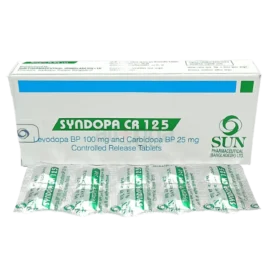
Η άμεσης απελευθέρωσης (Syndopa) προτιμάται όταν χρειάζεται γρήγορη έναρξη δράσης — η πρώτη πρωινή δόση και επιπλέον δόσεις για ξαφνικές περιόδους “off”. Η ελεγχόμενης απελευθέρωσης (Syndopa CR) προτιμάται για πιο σταθερές ημερήσιες συγκεντρώσεις και για την δόση πριν τον ύπνο για να αποφευχθεί η νυχτερινή ακαμψία. Πολλοί ασθενείς σε προχωρημένη θεραπεία χρησιμοποιούν έναν συνδυασμό — μια δόση άμεσης απελευθέρωσης για να ξεκινήσει η ημέρα, ελεγχόμενης απελευθέρωσης για ομαλότητα κατά τη διάρκεια της ημέρας, και επιπλέον δόσεις άμεσης απελευθέρωσης για ξαφνικά συμπτώματα. Ο νευρολόγος σας θα προσαρμόσει τον συνδυασμό.
Γιατί το ούρο μου γίνεται σκούρο με αυτό το φάρμακο;
Η λεβοντόπα και τα μεταβολίτες της μπορούν να δώσουν στο ούρο, τον ιδρώτα και το σάλιο ένα αβλαβές κοκκινωπό-καφέ ή σκουριά χρώμα. Ορισμένες κηλίδες σε ρούχα μπορεί να παραμείνουν. Αυτό δεν είναι σημάδι προβλήματος στα νεφρά ή το συκώτι και δεν απαιτεί περαιτέρω εξέταση.
Μπορώ να πάρω Syndopa με φαγητό;
Στις πρώτες εβδομάδες, πάρτε το με ένα μικρό γεύμα ή σνακ για να μειωθεί η ναυτία. Μόλις σταθεροποιηθεί η θεραπεία, ειδικά αν αντιμετωπίζετε το φαινόμενο της 'φθοράς', πάρτε λεβοντόπα 30 λεπτά πριν ή 1 ώρα μετά από ένα γεύμα πλούσιο σε πρωτεΐνες — οι πρωτεΐνες ανταγωνίζονται για την απορρόφηση.
Τι είναι η “φθορά”;
Μετά από αρκετά χρόνια θεραπείας με λεβοντόπα, κάθε δόση διαρκεί όλο και λιγότερο και τα κινητικά συμπτώματα επιστρέφουν πριν από την επόμενη δόση. Αυτό είναι η 'φθορά'. Διαχειρίζεται με μικρότερα διαστήματα μεταξύ των δόσεων, προσθήκη αναστολέα COMT (εντακαπόνη) ή αναστολέα MAO-B (ρασαγιλίνη, σαφιναμίδη), ή αντικατάσταση ορισμένων δόσεων με ελεγχόμενη απελευθέρωση.
Τι είναι η “δυσκινησία”;
Η δυσκινησία είναι ακούσια κινήσεις στριφογυρισμού, στρέψης ή κούνησης που εμφανίζονται στο πικ της δόσης της λεβοντόπας — ο ασθενής είναι “υπερ-φαρμακευμένος” εκείνη τη στιγμή. Διαχειρίζεται με μείωση κάθε δόσης (και χορήγηση πιο συχνών μικρότερων δόσεων), προσθήκη αμανταδίνης ή άλλες στρατηγικές. Παράδοξα, είναι ένα σημάδι ότι το φάρμακο λειτουργεί.
Μπορώ να σταματήσω το Syndopa απότομα;
Όχι. Η απότομη διακοπή μπορεί να προκαλέσει ένα σύνδρομο παρόμοιο με νευροληπτική κακοήθεια — πυρετό, ακαμψία, σύγχυση, αυτονομική αστάθεια. Η σταδιακή μείωση πρέπει να σχεδιαστεί με τον νευρολόγο σας. Αν δεν μπορείτε να το πάρετε από το στόμα (π.χ. χειρουργείο), ρωτήστε για ένα αυτοκόλλητο ροτιγοτίνης ως γέφυρα.
Το Syndopa θα με κάνει νυσταγμένο ή θα προκαλέσει “επιθέσεις ύπνου”;
Η λεβοντόπα μπορεί να προκαλέσει υπνηλία κατά τη διάρκεια της ημέρας και, σπάνια, ξαφνικό ύπνο χωρίς προειδοποίηση. Ο κίνδυνος είναι μεγαλύτερος όταν συνδυάζεται με αγωνιστή ντοπαμίνης. Μέχρι να ξέρετε πώς αντιδράτε, μην οδηγείτε μεγάλες αποστάσεις ή χειρίζεστε βαρύ μηχανικό εξοπλισμό.
Το Syndopa μπορεί να προκαλέσει ψευδαισθήσεις ή καταναγκαστικές συμπεριφορές;
Ναι — αν και και τα δύο είναι πιο συχνά με αγωνιστές ντοπαμίνης παρά με λεβοντόπα. Οι οπτικές ψευδαισθήσεις είναι οι πιο συχνές, ειδικά σε ηλικιωμένους ασθενείς και σε εκείνους με γνωστική δυσλειτουργία. Νέες συμπεριφορές όπως τζόγο, αγορές, σεξουαλική ή διατροφική συμπεριφορά πρέπει να αναφέρονται αμέσως στον νευρολόγο σας. Η μείωση της δόσης ή η απλοποίηση του θεραπευτικού σχήματος συνήθως βοηθάει.
Μπορώ να πάρω Syndopa κατά τη διάρκεια χειρουργείου ή νοσηλείας;
Η λεβοντόπα θα πρέπει ιδανικά να συνεχιστεί κατά τη διάρκεια του χειρουργείου. Ενημερώστε την ομάδα του χειρουργείου εκ των προτέρων. Αν δεν μπορείτε να καταπιείτε τα δισκία, η ομάδα σας θα κανονίσει έναν σωλήνα σίτισης, διαδερμική ροτιγοτίνη ή υποδόρια απομορφίνη. Μην αφήσετε το φάρμακο να παραλειφθεί για λόγους “NPO” χωρίς υποκατάστατο — η απότομη διακοπή είναι επικίνδυνη.
Πώς αποστέλλει το MedsBase το Syndopa;
Παγκόσμια αποστολή σε διακριτική συσκευασία από έναν κατασκευαστή πιστοποιημένο από τον WHO-GMP. Τα δισκία αποστέλλονται σε πρωτότυπες σφραγισμένες μπλούζες. Παρακολουθήστε την παραγγελία σας από τον λογαριασμό σας στη MedsBase.
Αποθήκευση
Φυλάξτε σε θερμοκρασία δωματίου (15–30°C / 59–86°F), προστατευμένο από θερμότητα, υγρασία και άμεσο φως. Φυλάξτε στο πρωτότυπο δοχείο με το καπάκι καλά κλειστό. Φυλάξτε μακριά από παιδιά. Μην χρησιμοποιείτε μετά την ημερομηνία λήξης που αναγράφεται στη συσκευασία.
Ιατρική Αποποίηση Ευθύνης
Αυτές οι πληροφορίες παρέχονται μόνο για εκπαιδευτικούς σκοπούς και δεν αποτελούν υποκατάστατο της συμβουλής ενός καταρτισμένου κλινικού. Η νόσος Parkinson και τα συνδρόμο παρκινσονισμού απαιτούν εξατομικευμένη νευρολογική φροντίδα. Συζητήστε όλα τα φάρμακα, τα συμπληρώματα και τις προϋπάρχουσες παθήσεις με τον γιατρό σας πριν ξεκινήσετε, αλλάξετε ή διακόψετε τη θεραπεία. Μην διακόψετε απότομα τη δοπαμινεργική θεραπεία — η απότομη διακοπή μπορεί να προκαλέσει σύνδρομο που μοιάζει με νευροληπτική κακοήθεια.
Σχετικές Εναλλακτικές
Άλλα προϊόντα σε Χρόνιες Παθήσεις που οι πελάτες εξετάζουν επίσης:
Περισσότερες επιλογές στη θεραπεία της νόσου Parkinson
Ταξινομημένα σύμφωνα με τον όγκο παραγγελιών στο MedsBase — τι επιλέγουν άλλοι πελάτες σε αυτήν την κατηγορία.

| Ισχύς | 110 mg, 275 mg |
|---|---|
| Ποσότητα | 30 δισκία, 60 δισκία, 90 δισκία, 180 δισκία |
 Syndopa
Ερωτήσεις & Απαντήσεις
Syndopa
Σχετικά προϊόντα





Κριτικές
Δεν υπάρχουν ακόμη κριτικές