







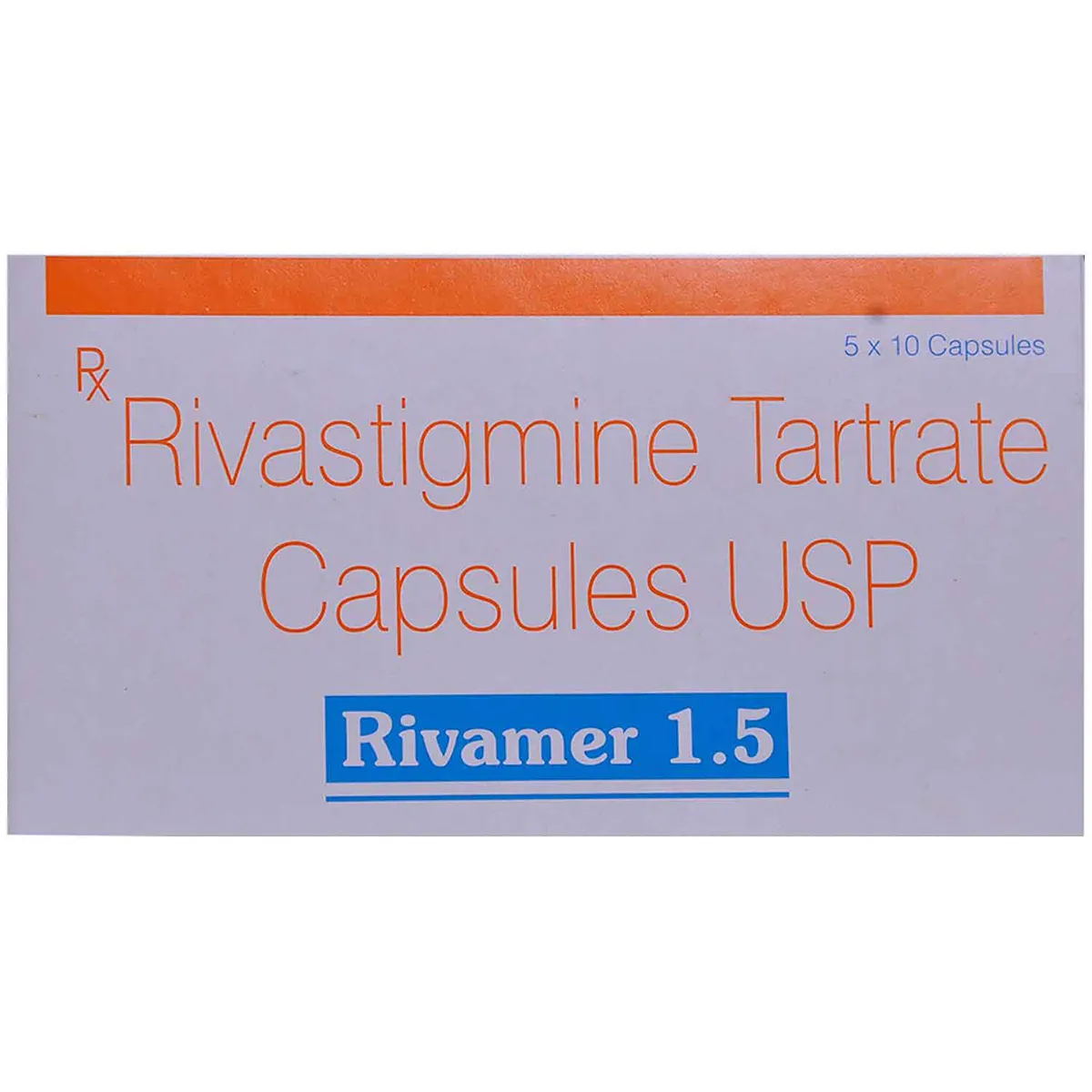
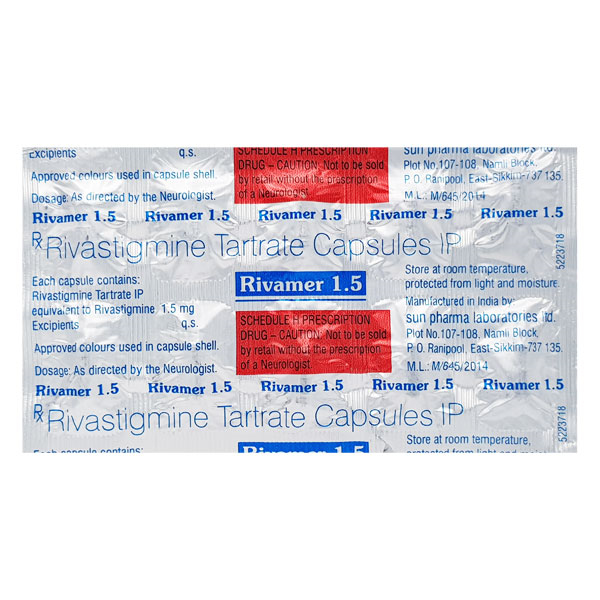
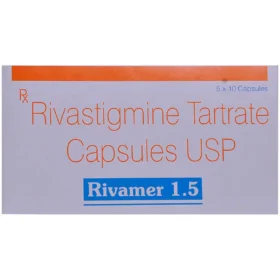
Rivamer
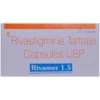
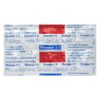
✅ Βελτιώνει τη γνωστική λειτουργία
✅ Βελτιώνει την ανάκληση της μνήμης
✅ Επιβραδύνει τη γνωστική εξασθένηση
✅ Βελτιώνει τις καθημερινές δραστηριότητες
✅ Υποστηρίζει τη διαχείριση της νόσου Alzheimer
Το Rivamer περιέχει Ριβαστιγμίνη.
✓ Ιατρικά ελεγμένο από Morgan Ellis — Ερευνητής Φαρμακευτικής · 8 χρόνια εμπειρία · Τελευταία αναθεώρηση: Μάιος 2026
⚡ Γρήγορη απάντηση — Τι είναι το Rivamer;
Rivamer είναι ένας από του στόματος κάψουλα από τη Sun Pharma που περιέχει ριβαστιγμίνη 1,5 mg — μια διπλή αναστολέας της ακετυλοχολινεστεράσης + αναστολέας της βουτυρυλοχολινεστεράσης που χρησιμοποιείται για την συμπτωματική θεραπεία της ήπια έως μέτρια νόσο Alzheimer ΚΑΙ Άνοια στην νόσο Parkinson (ο μόνος αναστολέας AChE που έχει άδεια για PDD). Αργή τιτλοδότηση: 1,5 mg δύο φορές την ημέρα για 2 εβδομάδες → 3 mg δύο φορές την ημέρα για 2 εβδομάδες → 4,5 mg δύο φορές την ημέρα για 2 εβδομάδες → 6 mg δύο φορές την ημέρα συντήρηση. Πάντα να λαμβάνεται με τροφή. Η δερματική επικάλυψη (που δεν διατίθεται εδώ) μειώνει σημαντικά τις γαστρεντερικές παρενέργειες και προτιμάται για ασθενείς που δεν ανέχονται την από του στόματος μορφή.
📦 Κάθε παραγγελία καλύπτεται από την Πολιτική Εγγύησης Επαναποστολής — εάν το δέμα σας δεν φτάσει εντός 20 εργάσιμων ημερών, το επαναποστέλλουμε.
Γιατί να παραγγείλετε από τη MedsBase
Τα γενόσημα φάρμακά μας προέρχονται από κατασκευαστές που πιστοποιούνται από την WHO-GMP και αποστέλλονται παγκοσμίως σε διακριτική, απλή συσκευασία — χωρίς όνομα φαρμάκου στο εξωτερικό του δέματος. Οι πληρωμές με κάρτα δρομολογούνται μέσω ρυθμισμένου επεξεργαστή (οι περιγραφές εκκαθάρισης περιλαμβάνουν ρυθμισμένο επεξεργαστή πληρωμών με κάρτα — ποτέ “MedsBase” ή οποιοδήποτε όνομα φαρμάκου). Γίνονται δεκτές και πληρωμές με κρυπτονομίσματα και τραπεζική μεταφορά SEPA. Κάθε παραγγελία καλύπτεται από την Πολιτική Επαναποστολής Εξασφαλίσεώς μας.
Τι είναι το Rivamer;
Το Rivamer είναι ένα από του στόματος κάψουλο από τη Sun Pharma που περιέχει ταρτρικό ριβαστιγμίνη 1,5 mg. Η ριβαστιγμίνη είναι ένας ψευδο-μη αναστρέψιμος διπλός αναστολέας χολινεστεράσης — αναστέλλει τόσο την ακετυλοχολινεστεράση (AChE) και όσο και τη βουτυρυλοχολινεστεράση (BuChE). Ο διπλός μηχανισμός το διαφοροποιεί από τη δονεπέζη και τη γαλανταμίνη, που αναστέλλουν μόνο την AChE.
Το Rivamer από τη Sun Pharma είναι κάψουλα 1,5 mg ριβαστιγμίνης — η αρχική δόση για τον σταδιακό προσαρμογή 6–8 εβδομάδων σε ήπια έως μέτρια άνοια Alzheimer και άνοια νόσου Parkinson. Προσαρμόστε στη συντηρητική δόση των 12 mg/ημέρα. Πάντα να λαμβάνεται με τροφή για να ελαχιστοποιηθούν οι γαστρεντερικές παρενέργειες που χαρακτηρίζουν την από του στόματος ριβαστιγμίνη. Η ριβαστιγμίνη είναι ο μόνος αναστολέας χολινεστεράσης με άδεια χρήσης για Άνοια στην νόσο Parkinson εκτός από την ήπια έως μέτρια άνοια Alzheimer. Η διπλή αναστολή ACh + BuChE μπορεί να έχει μεγαλύτερη σημασία στην άνοια νόσου Parkinson (PDD) επειδή η δραστηριότητα BuChE διατηρείται σχετικά καλύτερα στην νόσο Parkinson σε σύγκριση με την νόσο Alzheimer.
Πώς Λειτουργεί το Rivamer;
Τόσο η νόσος Alzheimer όσο και η άνοια νόσου Parkinson περιλαμβάνουν απώλεια χολινεργικών νευρώνων. Η ριβαστιγμίνη αυξάνει τη συναπτική ακετυλοχολίνη μέσω διπλής ενζυμικής αναστολής:
- Αναστολή ακετυλοχολινεστεράσης (AChE) — ο τυπικός χολινεργικός μηχανισμός που μοιράζεται με την δονεπεζίλη και τη γαλανταμίνη. Η AChE είναι το κύριο ένζυμο αποικοδόμησης ACh σε υγιές εγκέφαλο.
- Αναστολή βουτυρυλοχολινεστεράσης (BuChE) — η BuChE γίνεται ένα πιο σημαντικό ένζυμο αποικοδόμησης ACh καθώς προχωρά η νόσος Alzheimer (αντισταθμίζοντας την απώλεια AChE) και είναι το κυρίαρχο ένζυμο αποικοδόμησης ACh στην άνοια νόσου Parkinson. Η αναστολή και των δύο ενζύμων μπορεί να παράγει πιο διαρκή χολινεργικό σήμα σε προχωρημένη νόσο.
- Ψευδο-μη αναστρέψιμη δέσμευση — η ριβαστιγμίνη δεσμεύει την AChE/BuChE για ώρες αντί για λεπτά, επιτρέποντας δίδαιμη χορήγηση παρά τη σύντομη πλάσμα half-life.
Εμφάνιση γνωστικής ωφέλειας: ορατή σε 6–12 εβδομάδων στη συντηρητική δόση 9–12 mg/ημέρα· κορυφώνεται στους 6 μήνες.
Χρήσεις και ενδείξεις
- Ήπια έως μέτρια άνοια Alzheimer — απ’ ευθείας αναστολέας χολινεστεράσης
- Άνοια νόσου Parkinson (PDD) — ο ΜΟΝΑΔΙΚΟΣ αναστολέας χολινεστεράσης με αυτήν την ένδειξη ετικέτας· μέτριο γνωστικό όφελος και βελτίωση στην προσοχή
- Άνοια με σωμάτια Lewy — εκτός ετικέτας, συχνά η πιο χολινεργικά ευαίσθητη από τις άνοιες
- Μικτή άνοια αγγειακής αιτιολογίας — εκτός ετικέτας μέτρια ωφέλεια
Το Rivamer είναι δεν ενδείκνυται για: σοβαρή νόσο Alzheimer (μόνο το donepezil είναι αδειοδοτημένο σε αυτό το στάδιο), ήπια γνωστική διαταραχή, μετωποκροταφική άνοια (επιδεινώνει τα συμπτώματα συμπεριφοράς) ή ως γνωστικός ενισχυτής σε υγιείς ενήλικες.
Δοσολογία Rivamer και Τρόπος Λήψης — ΒΡΑΔΥΣ ΤΙΤΛΩΣΗ
Το Rivamer διατίθεται σε 1.5 mg καψούλες. Η τιτλοποίηση 6–8 εβδομάδων είναι υποχρεωτική — η rivastigmine έχει την πιο επιθετική γαστρεντερική προφίλ από όλους τους αναστολείς AChE όταν χορηγείται από το στόμα.
Τυπική τιτλοποίηση 6–8 εβδομάδων:
- Εβδομάδες 1–2: 1,5 mg δύο φορές ημερησίως (συνολικά 3 mg/ημέρα) με τα γεύματα
- Εβδομάδες 3–4: 3 mg δύο φορές ημερησίως (συνολικά 6 mg/ημέρα)
- Εβδομάδες 5–6: 4.5 mg δύο φορές ημερησίως (9 mg/ημέρα συνολικά)
- Εβδομάδες 7–8 και μετά: 6 mg δύο φορές ημερησίως (12 mg/ημέρα συνολικά) — η μέγιστη συντηρητική δόση
Πώς να Παίρνετε Σωστά το Rivamer
- Πάντα να λαμβάνεται με τροφή. Αυτός είναι ο πιο σημαντικός κανόνας για την ανεκτικότητα. Πάρτε το πρωινό δόση με πρωινό και το βραδινό δόση με βραδινό.
- Δύο φορές ημερησίως, με διαφορά 12 ωρών. Η ριβαστιγμίνη έχει σύντομο χρόνο ημιζωής — η συνέπεια έχει σημασία.
- Καταπιείτε ολόκληρο με νερό. Μην ανοίγετε τα καψάκια.
- Εάν οι παρενέργειες στο γαστρεντερικό είναι ανυπόφορες, επιστρέψτε στην προηγούμενη δόση για άλλες 2 εβδομάδες πριν από την επανάληψη της αύξησης της δόσης. Η διαδερμική πλάστη (που δεν διατίθεται εδώ, αλλά είναι διαθέσιμη παγκοσμίως) μειώνει τις γαστρεντερικές παρενέργειες κατά 60–70% και είναι η τυπική λύση για την από του στόματος δυσανεξία.
- Εάν η θεραπεία διακοπεί για περισσότερες από 3 ημέρες, ξεκινήστε ξανά με 1.5 mg δύο φορές ημερησίως και επαναλάβετε την αύξηση της δόσης. Η παράλειψη της επανάληψης της αύξησης μετά από διακοπή προκαλεί σοβαρές γαστρεντερικές συμπτώματα, μερικές φορές αρκετά σοβαρά ώστε να απαιτείται νοσηλεία για αφυδάτωση.
- Η επίβλεψη από τον φροντιστή είναι κρίσιμης σημασίας. Οι ασθενείς με άνοια Alzheimer ή Parkinson σπάνια καταφέρνουν να τηρούν αξιόπιστα τη δίτη δόση με γεύματα χωρίς υποστήριξη.
- Επαναξιολόγηση μετά από 6 μήνες με τυποποιημένη γνωστική αξιολόγηση (MMSE ή MoCA).
- Σκεφτείτε τη μετάβαση στη διαδερμική πλάστη αν οι γαστρεντερικές παρενέργειες παραμένουν στην ελάχιστη από του στόματος δόση. Η πλάστη επιτυγχάνει τα ίδια επίπεδα ριβαστιγμίνης στο πλάσμα με πολύ μικρότερη διακύμανση κορυφής-βάσης.
Παρενέργειες του Rivamer
Συχνές (η μεγαλύτερη γαστρεντερική επιβάρυνση από όλες τις από του στόματος αναστολείς AChE):
- Σοβαρή ναυτία και έμετος (ειδικά κατά τη διάρκεια της τιτλοποίησης)
- Διάρροια
- Ανορεξία και απώλεια βάρους
- Ζάλη, πονοκέφαλος
- Μυϊκές κράμπες
- Τρέμουλο (ειδικά σε ασθενείς με νόσο του Parkinson)
- Αϋπνία, ζωηρά όνειρα
- Βραδυκαρδία
Λιγότερο συχνά αλλά σημαντικά:
- Λιποθυμία και πτώσεις
- Εξάρθρωση των κινητικών συμπτωμάτων του Parkinson (τρόμος, ακαμψία)
- Ακράτεια ούρων
- Εξάρθρωση άσθματος ή ΧΑΠ
- Γαστρεντερική αιμορραγία (ειδικά με ΜΣΑΦ)
Σπάνιες αλλά απαιτούν ιατρική προσοχή:
- Σοβαρή βραδυκαρδία και πλήρες καρδιακό μπλοκ
- Σπασμοί
- Σοβαρός έμετος που προκαλεί ρήξη οισοφάγου
- Παγκρεατίτιδα
- Σοβαρές δερματικές αντιδράσεις
Προειδοποιήσεις και προφυλάξεις
- Σοβαρές γαστρεντερικές παρενέργειες: το στοματικό ριβαστιγμίνη έχει το υψηλότερο βάρος ναυτίας/εμέτου από οποιονδήποτε αναστολέα AChE. Ο σοβαρός έμετος μπορεί να προκαλέσει αφυδάτωση, διαταραχή ηλεκτρολυτών και ρήξεις οισοφάγου. Διακόψτε και επαναλάβετε την τιτλοποίηση μετά από διακοπή θεραπείας 3+ ημερών.
- Καρδιακά: το ριβαστιγμίνη επιβραδύνει τον καρδιακό ρυθμό. Προσοχή σε σύνδρομο αδύναμου κόμβου, AV αποκλεισμό, αδιευκρίνιστη συγκοπή. Βασικό ηλεκτροκαρδιογράφημα πριν από την έναρξη.
- Κινητικά συμπτώματα του Parkinson: το ριβαστιγμίνη μπορεί να επιδεινώσει το τρέμουλο και την ακαμψία σε ασθενείς με PD. Παρακολουθήστε στενά· πολλοί ασθενείς με PD το ανέχονται μόλις καθοριστεί η δόση.
- Πεπτικό έλκος, συνταγογράφηση NSAID: αυξημένος κίνδυνος γαστρεντερικής αιμορραγίας. Συνταγογραφήστε PPI σε ασθενείς υψηλού κινδύνου.
- Άσθμα και ΧΑΠ: προσοχή σε ανεξέλεγκτη νόσο.
- Αναισθησία: ενημερώστε τον αναισθησιολόγο για το ριβαστιγμίνη. Επιμηκύνει τους αποπολωτικούς μυϊκούς χαλαρωτές.
- Σωματικό βάρος κάτω από 50 kg: προσοχή — μεγαλύτερος κίνδυνος δόσης-εξαρτώμενων παρενεργειών.
- Αποφρακτική ουροπάθεια (Υπερπλασία προστάτη), ιστορικό επιληψίας: χρησιμοποιείστε με προσοχή.
- Υποστήριξη φροντιστή: απαραίτητο για τη συμμόρφωση, τον συγχρονισμό με τα γεύματα και την παρακολούθηση των παρενεργειών.
Αντενδείξεις — Ποιος ΔΕΝ πρέπει να λαμβάνει Rivamer
- Γνωστή υπερευαισθησία στη ριβαστιγμίνη, σε άλλα παράγωγα καρβαμικού οξέος ή σε οποιοδήποτε βοηθητικό υλικό του κάψουλα
- Σοβαρή ηπατική δυσλειτουργία (Child-Pugh C)
- Ενεργό πεπτικό έλκος (μέχρι την επούλωση)
- Σοβαρή συμπτωματική βραδυκαρδία, σύνδρομο αδρανούς κόμβου, δευτεροβάθμια ή τριτοβάθμια AV αποκλεισμός (χωρίς βηματοδότη)
- Σοβαρή ανεξέλικτη άσθμα ή ΧΑΠ
- Πρόσφατη ανεξήγητη λιποθυμία
- Σοβαρός συνεχόμενος εμετός από οποιαδήποτε αιτία
Αλληλεπιδράσεις Φαρμάκων
| Συνδυάζεται με | Αποτέλεσμα | Τι να κάνετε |
|---|---|---|
| Αντιχολινεργικά (οξυβουτινίνη, τολτεροδίνη, αμιτριπτυλίνη, διφαινυδραμίνη, υοσκυαμίνη) | Ανταγωνίζεται άμεσα τον μηχανισμό δράσης της ριβαστιγμίνης | Αποφύγετε τον συνδυασμό. Αντικαταστήστε τα φάρμακα για ακράτεια με μιραβεγρόνη. |
| Άλλοι αναστολείς χολινεστεράσης (donepezil, galantamine) | Συνδυασμένες χολινεργικές παρενέργειες, χωρίς πρόσθετο όφελος | Χρησιμοποιήστε μόνο έναν αναστολέα χολινεστεράσης κάθε φορά. |
| Memantine | Τυπικός συνδυασμός σε μέτριο Αλτσχάιμερ — πρόσθετη γνωστική ωφέλεια, χωρίς αλληλεπίδραση | Τυπική προσθήκη. Δείτε Αντμέντα. |
| Β-αναστολείς, αναστολείς αγωγιμότητας ασβεστίου (βεραπαμίλη, διλτιαζέμη), διγοξίνη | Συνολικός κίνδυνος βραδυκαρδίας και AV αποκλεισμού | Παρακολούθηση καρδιακής συχνότητας και ΗΚΓ. |
| Σουκσινυλοχολίνη και αποπολωτικοί νευρομυικοί αναστολείς (αναισθησία) | Σημαντικά παρατεταμένη παράλυση | Ενημερώστε τον αναισθησιολόγο για τη ριβαστιγμίνη. |
| Μη στεροειδή αντιφλεγμονώδη φάρμακα (NSAIDs) | Συνδυασμός κινδύνου γαστρεντερικής αιμορραγίας | Αποφύγετε εάν είναι δυνατόν· συνταγογραφήστε ένα PPI. |
| Βήτα-αδρενοεργικοί αγωνιστές (ινχάλες για άσθμα) | Μειωμένη βρογχοδιασταλτική επίδραση από χολινεργική ενεργοποίηση | Παρακολούθηση του ελέγχου του άσθματος· προσαρμογή των ινχάλων ανάλογα με την ανάγκη. |
| Αντιψυχωσικά | Αυξημένος κίνδυνος NMS, επιδείνωση των κινητικών συμπτωμάτων του Πάρκινσον | Χρησιμοποιήστε τη χαμηλότερη δυνατή δόση. Αποφύγετε τα τυπικά αντιψυχωσικά σε PDD. |
| Λεβοντόπα και φάρμακα για το Πάρκινσον | Θεωρητική ανταγωνιστική δράση (ριβαστιγμίνη χολινεργική, αγωνιστές ντοπαμίνης αντιχολινεργικοί) | Οι περισσότεροι ασθενείς ανέχονται τον συνδυασμό — παρακολουθήστε τα κινητικά συμπτώματα του Πάρκινσον. |
Οδηγίες Αποθήκευσης
- Φυλάξτε σε θερμοκρασία δωματίου, 15–25°C. Προστατέψτε από το φως και την υγρασία.
- Διατηρήστε τα καψάκια στην αρχική συσκευασία blister μέχρι τη χρήση.
- Μην αποθηκεύετε στο μπάνιο — η υγρασία μειώνει τη διάρκεια ζωής.
- Κρατήστε μακριά από παιδιά και ασθενείς που μπορεί να μην καταλαβαίνουν ότι είναι φάρμακα.
- Επιστρέψτε τα άχρηστα κapsules σε φαρμακείο για απόρριψη.
Σχετικές Εναλλακτικές Λύσεις στο MedsBase
Άλλα φάρμακα για Αλτσχάιμερ και άνοια που διατίθενται στο MedsBase:
- Aricep (donepezil 5 / 10 mg)
- Donect (donepezil 10 mg)
- Donemax (donepezil 10 mg)
- Admenta (memantine 5 mg)
- Galamer (γαλανταμίνη 4 mg)
Χρήσιμη ανάγνωση: Όλα όσα πρέπει να γνωρίζετε για την νόσο Αλτσχάιμερ · Όλα όσα πρέπει να γνωρίζετε για την άνοια · 7 τρόποι για να προστατεύσετε την εγκεφαλική σας υγεία με την ηλικία · Καλύτερα τρόφιμα για υγιές εγκέφαλο και βελτιωμένη μνήμη.
Συχνές Ερωτήσεις
Γιατί η Rivamer είναι ο μόνος αναστολέας AChE που έχει άδεια για άνοια σε νόσο Πάρκινσον;
Δύο λόγοι. Πρώτον, η ριβαστιγμίνη αναστέλλει τόσο την AChE όσο και την βουτυρυλοχολινεστεράση (BuChE). Η δραστηριότητα της BuChE είναι σχετικά διατηρημένη στο Πάρκινσον αλλά μειωμένη στο Αλτσχάιμερ — επομένως η διπλή αναστολή έχει μεγαλύτερη σημασία στο PDD. Δεύτερον, η ριβαστιγμίνη ήταν η μόνη που είχε μεγάλη τυχαιοποιημένη μελέτη (EXPRESS, 2004) που έδειξε γνωστικό όφελος ειδικά στην άνοια του Πάρκινσον. Η δονεπεζίλη και η γαλανταμίνη δείχνουν παρόμοιες επιδράσεις σε παρατηρησιακά δεδομένα αλλά δεν έχουν την επίσημη ρυθμιστική ένδειξη για PDD.
Γιατί η Rivamer πρέπει να λαμβάνεται με τροφή;
Το φαγητό μειώνει σημαντικά τη μέγιστη συγκέντρωση της ριβαστιγμίνης και είναι ο σημαντικότερος παράγοντας στην ανοχή. Ληφθείσα με άδειο στομάχι, η από του στόματος ριβαστιγμίνη προκαλεί σοβαρή ναυτία και εμετό στους περισσότερους ασθενείς — μερικές φορές αρκετά σοβαρά ώστε να απαιτείται νοσηλεία. Ληφθείσα με πρωινό και βραδινό γεύμα, η ίδια δόση είναι πολύ καλύτερα ανεκτή.
Πότε θα δω εγώ ή το μέλος της οικογένειάς μου αποτελέσματα από το Rivamer;
Ορατό γνωστικό όφελος μετά 6–12 εβδομάδων μετά την επίτευξη της συντηρητικής δόσης 9–12 mg/ημέρα· μέγιστη απόδοση στους 6 μήνες. Όπως η ντονεπεζίλη και η γαλανταμίνη, η ριβαστιγμίνη είναι συμπτωματική θεραπεία — σταθεροποιεί τη λειτουργία για ένα παράθυρο συνήθως 6–18 μηνών. Αξιολογήστε εκ νέου με τυποποιημένες γνωστικές δοκιμασίες στους 6 μήνες.
Θα πρέπει να αλλάξω στην τοπική εφαρμογή της ριβαστιγμίνης;
Η τοπική εφαρμογή (δεν είναι διαθέσιμη εδώ αλλά είναι ευρέως διαθέσιμη) επιτυγχάνει τις ίδιες πλασματικές συγκεντρώσεις ριβαστιγμίνης με πολύ μικρότερη διακύμανση κορυφής-βάσης, μειώνοντας τις γαστρεντερικές παρενέργειες κατά 60–70%. Η τοπική εφαρμογή είναι η τυπική λύση για ασθενείς που δεν ανέχονται την από του στόματος ριβαστιγμίνη και προτιμάται από την αρχή σε ασθενείς με σοβαρή βασική ναυτία, εμετό από οποιαδήποτε αιτία ή αναφορές από φροντιστές για δυσκολία κατάποσης. Συζητήστε με τον ιατρό αν οι παρενέργειες από του στόματος είναι επίμονες.
Μπορεί το Rivamer να συνδυαστεί με μεμαντίνη;
Ναι — τυπική συμπληρωματική θεραπεία στη μέτρια νόσο Alzheimer. Η ριβαστιγμίνη + μεμαντίνη παρέχει πρόσθετη γνωστική ωφέλεια χωρίς σημαντική αλληλεπίδραση. Αντμέντα είναι ο τυπικός συνδυασμός.
Γιατί είναι τόσο αργή η σταδιακή αύξηση της δόσης;
Η ριβαστιγμίνη έχει την πιο επιθετική γαστρεντερική προφίλ παρενεργειών από όλους τους αναστολείς AChE από του στόματος. Η σταδιακή αύξηση της δόσης σε 6–8 εβδομάδες (1.5 mg BD → 3 mg BD → 4.5 mg BD → 6 mg BD) επιτρέπει στο γαστρεντερικό σύστημα να προσαρμοστεί σε κάθε βήμα. Η παράλειψη της σταδιακής αύξησης προκαλεί ανυπόφορη ναυτία, εμετό και διάρροια, μερικές φορές αρκετά σοβαρά ώστε να απαιτείται νοσηλεία για αφυδάτωση.
Θα κάνει το Rivamer το τρέμορο του Parkinson μου χειρότερο;
Πιθανώς — η ριβαστιγμίνη μπορεί να επιδεινώσει ελαφρά το τρέμολο και την ακαμψία σε ορισμένους ασθενείς PD μέσω της αυξημένης χολινεργικής τόνου. Οι περισσότεροι ασθενείς την ανέχονται μόλις καθοριστεί η δόση και η γνωστική ωφέλεια συνήθως υπερτερεί της μέτριας κινητικής παρενέργειας. Παρακολουθήστε τα κινητικά συμπτώματα PD κατά τη σταδιακή αύξηση και συζητήστε με τον νευρολόγο αν το τρέμολο επιδεινωθεί σημαντικά.
Μπορώ να σταματήσω το Rivamer αν δεν βοηθάει;
Συζητήστε με τον ιατρό. Αν οι τυποποιημένες γνωστικές δοκιμασίες στους 6 μήνες δεν δείχνουν κανένα όφελος, η ριβαστιγμίνη μπορεί να μειωθεί σταδιακά και να διακοπεί. Όπως και οι άλλοι αναστολείς AChE, η απότομη διακοπή μπορεί να προκαλέσει επιδείνωση της γνωστικής λειτουργίας — μειώστε σταδιακά στην προηγούμενη δόση για 2 εβδομάδες πριν τη διακοπή.
Rivamer vs ντονεπεζίλη — ποιο είναι το σωστό;
Αν ο ασθενής έχει άνοια Parkinson, η ριβαστιγμίνη είναι η πρώτη επιλογή (μοναδική επιλογή εντός ετικέτας). Αν ο ασθενής έχει νόσο Alzheimer και ανέχεται καλά την από του στόματος φαρμακευτική αγωγή, η ντονεπεζίλη είναι συνήθως η πρώτη επιλογή λόγω ευκολίας και ανοχής (μία φορά την ημέρα, καθαρότερο γαστρεντερικό προφίλ). Η ριβαστιγμίνη είναι λογική για ασθενείς Alzheimer που δεν ανταποκρίθηκαν στη ντονεπεζίλη, ειδικά αν η τοπική εφαρμογή ριβαστιγμίνης (δεν είναι διαθέσιμη εδώ) είναι διαθέσιμη.
Σχετικές Εναλλακτικές
Άλλα προϊόντα σε Χρόνιες Παθήσεις που οι πελάτες εξετάζουν επίσης:
Περισσότερες επιλογές στη θεραπεία του Αλτσχάιμερ
Ταξινομημένα σύμφωνα με τον όγκο παραγγελιών στο MedsBase — τι επιλέγουν άλλοι πελάτες σε αυτήν την κατηγορία.

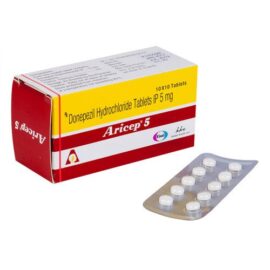
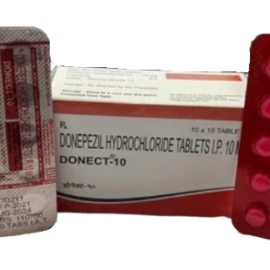
| Ισχύς | 1.5 mg |
|---|---|
| Ποσότητα | 30 δισκία, 60 δισκία, 90 δισκία, 180 δισκία |
 Rivamer
Ερωτήσεις & Απαντήσεις
Rivamer
Σχετικά προϊόντα


Κριτικές
Δεν υπάρχουν ακόμη κριτικές