








Substance use disorders zijn chronische, behandelbare medische aandoeningen — geen gebrek aan wilskracht. Farmacotherapie is een onderdeel van de behandeling naast counseling, lotgenotencontact (AA, SMART Recovery, NA), regelmatige klinische evaluatie en het beheer van gelijktijdig voorkomende psychische aandoeningen. De onderstaande medicijnen richten zich op drie verschillende verslavingen via complementaire mechanismen; de beste keuze voor een bepaalde patiënt hangt af van de stof die wordt behandeld, het doel (onthouding versus vermindering), comorbiditeiten, orgaanfunctie, motivatie en de beschikbaarheid van gedragsondersteuning.
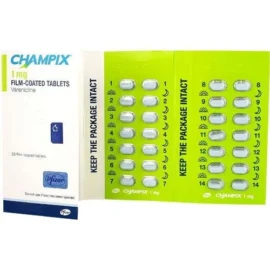
Stoppen met roken — partiële agonist van de nicotine-receptor. Champix (varenicline 1 mg) is een van de meest effectieve middelen voor tabaksverslaving, met een onthoudingspercentage na 1 jaar dat ongeveer twee tot drie keer hoger ligt dan placebo. Als een partiële agonist van de α4β2 nicotine-acetylcholine receptor vermindert het zowel de cravings als blokkeert het het belonende effect van elke sigaret die tijdens de behandeling wordt gerookt. Het 12-weken protocol begint met 0,5 mg eenmaal daags en wordt opgebouwd naar 1 mg tweemaal daags, met een stoppoging 8–14 dagen na aanvang van de therapie; 12 weken aanvullende behandeling verdubbelt ongeveer het onthoudingspercentage na 1 jaar. De oorspronkelijke FDA black-box waarschuwing uit 2009 werd in 2016 verwijderd na de EAGLES-studie, waarin geen significante toename van neuropsychiatrische gebeurtenissen werd gevonden. Dosisaanpassing is nodig bij een eGFR < 30.
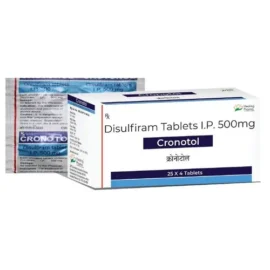
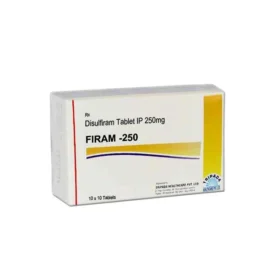
Alcoholgebruiksstoornis — remming van aldehyde-dehydrogenase (afschrikking). Cronotol 500 mg, Esperal 250 mg, Dizone 250 mg, en Firam 250 mg zijn allemaal disulfiram: de oudste goedgekeurde farmacotherapie voor AUD, in klinisch gebruik sinds 1949. Door het onomkeerbaar remmen van aldehyde dehydrogenase, zorgt disulfiram voor een ophoping van aceetaldehyde wanneer alcohol wordt geconsumeerd — de disulfiram-ethanolreactie (opvliegers, misselijkheid, hartkloppingen, hypotensie). Het is een afschrikmiddel in plaats van een middel om cravings te verminderen en werkt het beste bij gemotiveerde patiënten met gestructureerde begeleiding. De 500 mg sterkte (Cronotol) wordt gebruikt in de opstartfase; de 250 mg formuleringen (Esperal, Dizone, Firam) zijn de standaard onderhoudsdosis. Patiënten moeten minstens 12 uur alcoholvrij zijn voor de eerste dosis, moeten verborgen ethanolbronnen vermijden (mondwater, hoestsiroop, azijn, aftershave, handdesinfectiemiddel, gefermenteerde voedingsmiddelen) en hebben basislijn + 2-wekelijkse + maandelijkse leverfunctietesten nodig gedurende de eerste 3 maanden vanwege zeldzame idiosyncratische hepatotoxiciteit. Voorschrijven in combinatie met metronidazol, tinidazol of isoniazid wordt afgeraden.
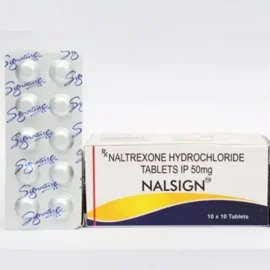
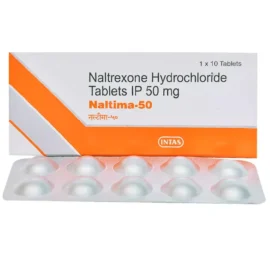
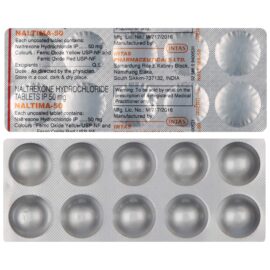
Alcohol- of opioïdegebruiksstoornis — opioïdereceptorantagonisme (vermindering van trek). Nalsign, Nalcon, Nodict, en Naltima zijn naltrexone 50 mg, een langwerkende μ-opioïdereceptorantagonist. Bij alcoholgebruiksstoornis vermindert het de beloning van drinken (COMBINE-studie, 2006); bij opioïdegebruiksstoornis blokkeert het het effect van elk ingenomen opioïde. In tegenstelling tot disulfiram veroorzaakt naltrexon geen aversieve reactie — een terugval heeft geen gevolgen, wat therapeutisch nuttig is. Patiënten moeten 7–10 dagen opioïdevrij zijn (14 dagen voor methadon) voordat ze beginnen voor OUD, anders kan naltrexon ernstige ontwenningsverschijnselen veroorzaken; de meeste voorschrijvers voeren voor de eerste dosis een naloxone-challengetest uit. Belangrijk operationeel aandachtspunt: opioïde analgesie is grotendeels geblokkeerd tijdens het gebruik van naltrexon — chirurgische, tandheelkundige en spoedeisende-hulpafdelingen moeten hiervan op de hoogte worden gesteld, en een portemonneekaart moet worden gedragen.
Onderhoud bij alcoholgebruiksstoornis — NMDA-/glutamaatmodulatie. Acamptas 333 mg en Acamprol 333 mg zijn acamprosate calcium, het tweede eerstelijns orale farmacotherapie voor AUD naast naltrexon. Na chronisch zwaar drinken reguleert de hersenen NMDA-glutamaatreceptoren op en GABA-A-receptoren af als aanpassing; bij stoppen resulteert dit in een relatieve glutamaathyperactiviteit die het langdurige post-ontwenningssyndroom veroorzaakt (slapeloosheid, angst, prikkelbaarheid, dysforie) dat late terugval triggert. Acamprosaat moduleert de NMDA-receptorfunctie en helpt de hersenen weer in evenwicht te komen. De standaarddosering is twee tabletten van 333 mg driemaal daags (1.998 mg/dag) met voedsel; de dosis wordt gehalveerd bij een eGFR van 30–50 en acamprosaat is gecontra-indiceerd onder een eGFR van 30. Het interactieprofiel is uitzonderlijk schoon (geen hepatisch metabolisme, geen CYP-activiteit), waardoor het het voorkeursmiddel is voor AUD bij patiënten met vastgestelde leverziekte.
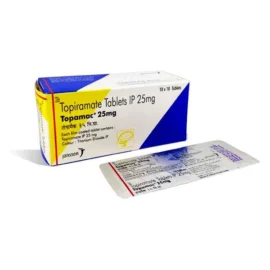
Off-label adjunct — multimechanisme anticonvulsivum. Topamac (topiramaat 25 / 50 mg) is geregistreerd voor epilepsie en migraineprofylaxe maar heeft aanzienlijk bewijs (Johnson 2007) voor off-label gebruik bij alcoholgebruiksstoornis, vooral bij patiënten die niet hebben gereageerd op naltrexon of acamprosaat of die comorbide migraine hebben. De multimechanistische werking (natriumkanaalblokkade, GABA-A-potentiëring, glutamaat AMPA-antagonisme, carbonzuuranhydraseremming) zou het beloningscircuit dempen. Langzame titratie (25 mg per week over 8 weken naar een doel van 100–300 mg/dag) is essentieel omdat cognitieve bijwerkingen (“topa-dopa”: woordvindingsproblemen, mentale vertraging) dosisbeperkend zijn. Specifieke veiligheidsoverwegingen: 2–3-voudige toename van gespleten gehemelte in het eerste trimester van de zwangerschap (effectieve anticonceptie is verplicht), nefrolithiasis (~1,5%, verminderd door agressieve hydratatie), zeldzaam acuut glaucoom met gesloten kamer (elke oogpijn of visuele verandering in de eerste maand is een noodgeval) en metabole acidose. Nierdosis aangepast.
Hoe te kiezen: voor tabaksafhankelijkheid is varenicline eerstelijns monotherapie; voor alcoholgebruiksstoornis plaatsen huidige richtlijnen (NICE, APA, ASAM) naltrexon en acamprosaat als eerstelijns — kies naltrexon waar hunkering en beloning de dominante terugvalfactor zijn, kies acamprosaat waar het langdurige post-ontwenningsglutamaathyperactiviteitssyndroom (slaap, angst, dysforie) domineert, of bij vastgestelde leverziekte. Disulfiram is een sterke tweedelijnsoptie voor zeer gemotiveerde patiënten met gestructureerde dagelijkse begeleiding. Topiramaat is een redelijke off-label optie na eerstelijnsfalen of bij comorbide migraine. Voor opioïdegebruiksstoornis is naltrexon de niet-gecontroleerde optie; opioïde-agonisttherapie (methadon, buprenorfine) is het alternatief en vaak voorkeur waar therapietrouw onzeker is. Alle farmacotherapie werkt aanzienlijk beter in combinatie met gestructureerde gedragsondersteuning — het medicijn behandelt de stoornis niet alleen.
Alle MedsBase-voorraden zijn afkomstig van WHO-GMP gecertificeerde fabrikanten, geleverd met discrete verpakking en gedekt door onze Reshipment Assurance-beleid — als uw pakket niet arriveert, sturen wij het gratis opnieuw.