
















Acute en chronische pijn is een van de meest voorkomende redenen om medicatie te zoeken. De juiste keuze hangt af van of de pijn nociceptief is (musculoskeletaal letsel, postoperatief, dysmenorroe, tandheelkundig), inflammatoir (artritis, jichtaanval, tendinitis), neuropathisch (postherpetisch, diabetisch, ischias), visceraal (nierkoliek, biliair) of vasculair (migraine, clusterhoofdpijn, claudicatio). MedsBase heeft WHO-GMP-gecertificeerde generieke en bekende merkgebonden generieke middelen in elke veelvoorkomende analgetische klasse, zodat u het medicijn kunt afstemmen op het pijnmechanisme in plaats van steeds naar dezelfde tablet te grijpen voor elke klacht.
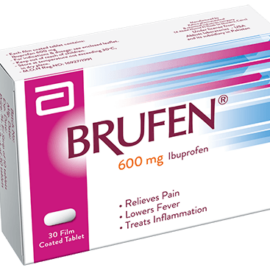
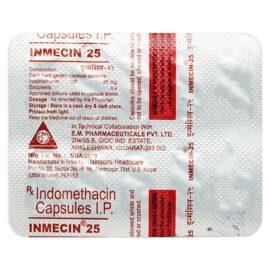
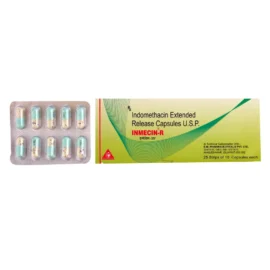
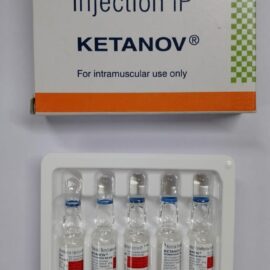
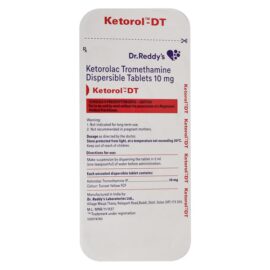
Niet-selectieve orale NSAID's — eerste keus voor inflammatoire en acute musculoskeletale pijn bij volwassenen zonder GI/renale/CV-contra-indicaties. Brufen (ibuprofen 400) is de keuze met het laagste risico voor een korte kuur; Voveran SR en Reactin SR (diclofenac 100 SR) biedt 24-uurs verlichting voor chronische artritis; Reactin (diclofenac 50 IR) is geschikt voor kortdurende opflakkeringen; Dynapar voegt paracetamol toe aan diclofenac voor additieve analgesie;. Inmecin en Inmecin-R (indomethacine) blijft het standaardmedicijn voor acute jicht. Naprosyn (naproxen 250/500) is de NSAID met een langere halfwaardetijd die de voorkeur geniet voor een langdurig ontstekingsremmend effect met het schoonste cardiovasculaire profiel in deze klasse. Pirox DT (piroxicam) is geschikt voor chronisch onderhoud bij reumatoïde artritis, eenmaal daags. Ketorol DT en Ketanov Injectie (ketorolac) zijn kortwerkende, krachtige opties voor matige tot ernstige acute pijn — maximaal 5 dagen. Meftal en Meftal-P (mefenaminezuur) zijn eerste keus bij primaire dysmenorroe.
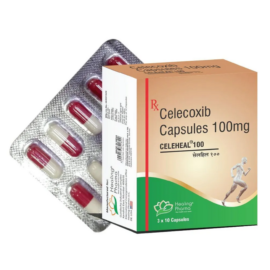
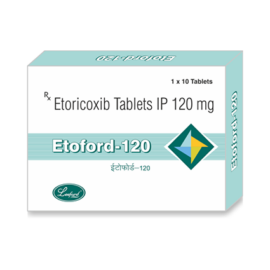
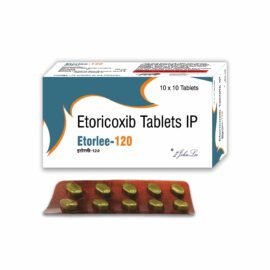
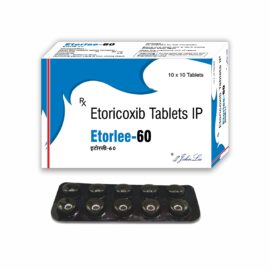
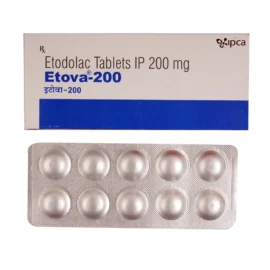
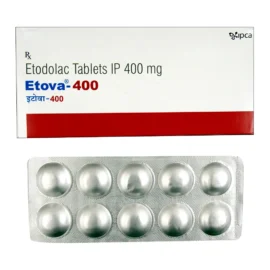
COX-2-selectieve en preferentiële NSAID's — lager GI-risico bij patiënten met een voorgeschiedenis van maagzweren. Celeheal (celecoxib) is het oorspronkelijke celecoxib; Etoford en Etorlee (etoricoxib 60/90/120) zijn de hoogpotente COX-2-selectieve optie voor ankyloserende spondylitis en jicht. Etova (etodolac) toont een 5–10-voudige COX-2-preferentie. Melorise (meloxicam) bevindt zich tussen niet-selectieve en selectieve middelen. Nicip (nimesulide) is voorbehouden aan korte kuren met strikte leverbewakingsregels.
NSAID + enzymcombinaties verminderen postoperatief en posttraumatisch oedeem. Nucoxia SP (etoricoxib + serratiopeptidase) en Intagesic MR (diclofenac + paracetamol + chlorzoxazone) worden veel gebruikt na orthopedische ingrepen.
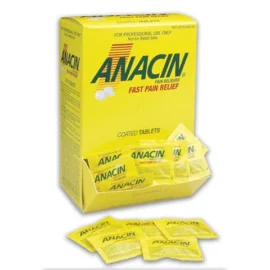
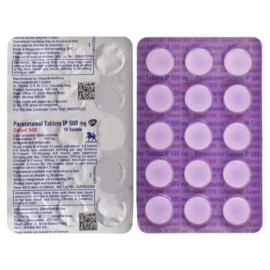
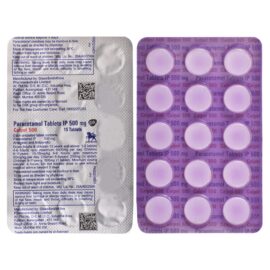
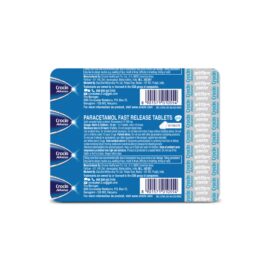
Zuiver paracetamol — de veiligste eerstelijns pijnstiller tijdens zwangerschap, bij kinderen, NSAID-intolerante volwassenen en patiënten met maagzweren of nieraandoeningen. Calpol, Crocin Advance, Anacin (paracetamol — niet de Amerikaanse aspirine+cafeïne formule), en Paracip zijn uitwisselbare 500 mg / 650 mg paracetamoltabletten van verschillende fabrikanten.
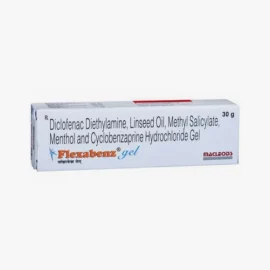
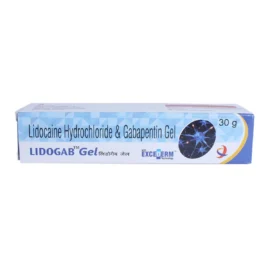
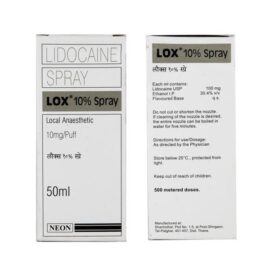
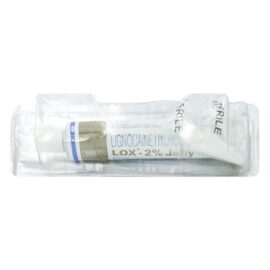
Topicale NSAID's en combinatiegels — effectief voor gelokaliseerde weke delen pijn met aanzienlijk lagere systemische blootstelling. Voveran Emulgel (diclofenac 1%) en Pirox Gel (piroxicam) zijn de meest gebruikte enkelvoudige topicale middelen; Nise Gel (nimesulide) en Flexabenz Gel (diclofenac + methylsalicylaat + menthol + capsaïcine) richten zich op grotere oppervlakken. Lidogab Gel (lidocaïne + gabapentine) is voor perifere neuropathische pijn — beperkingen gelden in KY/MI/TN/VA/WV staten. Prilox Cream (lidocaïne + prilocaïne, EMEA-equivalent) zorgt voor plaatselijke verdoving vóór kleine ingrepen, tatoeages en veneuze toegang. Lox 10% Spray (lidocaïne 10%) geeft snelle plaatselijke verdoving van slijmvliezen.
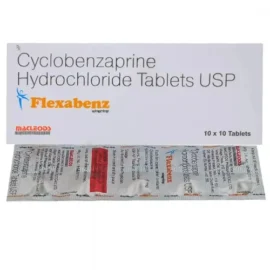
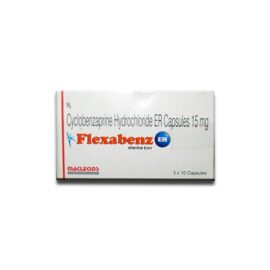
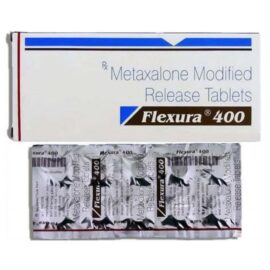
Centraal werkende spierverslappers — voor spasm-gerelateerde musculoskeletale pijn, vaak gecombineerd met een NSAID. Flexura (metaxalon) en Robinax (methocarbamol) zijn de minst sederende opties. Flexabenz (cyclobenzaprine 5 IR) en Flexabenz ER (cyclobenzaprine 15 ER) zijn de meest effectieve kortdurende spierverslappers maar veroorzaken meer sedatie. Synaptol (tolperisone) richt zich op centrale spasticiteit zonder sedatie. Trinex (tizanidine) heeft de voorkeur bij spasticiteit bij multiple sclerose en ruggenmergletsel.
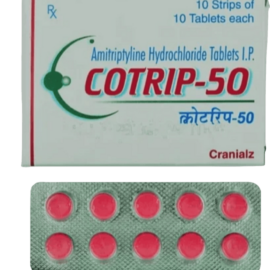
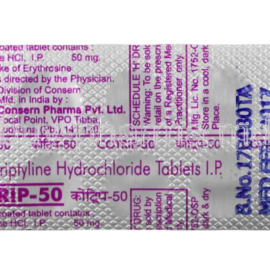
Triptanen voor acute migraine — selectieve 5-HT1B/1D-agonisten die de hoofdpijnfase stoppen. Suminat (sumatriptan) is het origineel en meest onderzocht; Rizact (rizatriptan) heeft het snelste begin; Zolmist Neusspray (zolmitriptan intranasaal) omzeilt GI-absorptie wanneer misselijkheid prominent aanwezig is. Cotrip (amitriptyline) is geen triptan ondanks de naam — het is een tricyclisch middel gebruikt voor chronische migraineprofylaxe en neuropathische pijn.
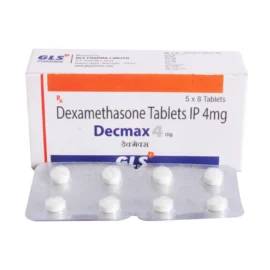
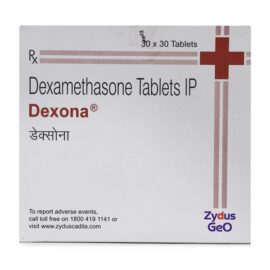
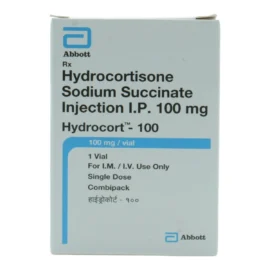
Systemische corticosteroïden — voor ernstige inflammatoire pijn, jichtaanvallen die niet reageren op NSAID's, en acute auto-immuunexacerbaties. Dexona-tablet, Decdan, Decmax, en Dexona-injectie zijn dexamethasonformuleringen met toenemende potentie; Hydrocort 100 Injectie (hydrocortison) en Cort-S Injection zijn kortwerkende steroïde opties. Verplichte afbouw na elke kuur langer dan 7-10 dagen om een bijniercrisis te voorkomen.
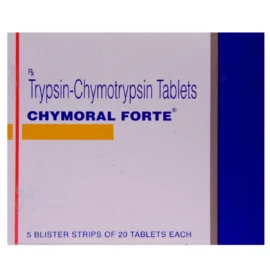
Proteolytische enzymen — Chymoral Forte (trypsine + chymotrypsine) en Emanzen Forte (serratiopeptidase) verminderen postoperatief oedeem en inflammatoire zwelling.
Vaatpijn-specialiteit — GTN-spray (sublinguale nitroglycerine) voor acute angina; Trental 400 (pentoxifylline) verbetert de microcirculatie bij claudicatio intermittens.
Alle MedsBase-producten zijn afkomstig van WHO-GMP gecertificeerde fabrikanten en worden wereldwijd verzonden met discrete verpakking en veilige afrekenmogelijkheden (creditcard, crypto, bankoverschrijving). Pijnmedicatie kan gevaarlijk zijn bij zelfbeheer buiten korte kuren of bij de verkeerde patiënt — bespreek altijd aanhoudende pijn, vermoedelijke maag-/nier-/CV-risicofactoren, zwangerschap en chronische aandoeningen met een gekwalificeerde clinicus voordat u een langdurig regime start.