








Internationaal reizen brengt medische risico's met zich mee die u thuis niet tegenkomt — malaria, reizigersdiarree, hoogteziekte en reisziekte komen het meest voor. Voorbereiding voor vertrek en een kleine reisapotheek verminderen reisverstorende gezondheidsproblemen en houden ernstigere problemen beheersbaar. De MedsBase Reisgezondheidscatalogus bevat de vier belangrijkste categorieën reismedicatie, geleverd door WHO-GMP gecertificeerde fabrikanten.
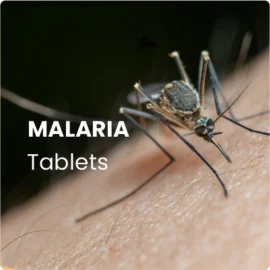
Malariaprofylaxe en -behandeling. Malaria blijft een belangrijk aandachtspunt in de reisgeneeskunde in Sub-Sahara Afrika, grote delen van Zuid- en Zuidoost-Azië, delen van Midden- en Zuid-Amerika en bepaalde bestemmingen in de Stille Oceaan. De keuze van het medicijn hangt af van het resistentiepatroon van de bestemming, de reisduur, het bijwerkingenprofiel en de zwangerschapsstatus. Atovaquon-proguanil (Malarone), doxycycline 100 mg per dag en mefloquine (wekelijks) zijn de moderne opties voor chemoprofylaxe. Zie Malariatabletten. Start met atovaquone-proguanil 1–2 dagen voor het betreden van het malariagebied, doxycycline 1–2 dagen van tevoren, mefloquine 2–3 weken van tevoren. Ga door voor de aanbevolen duur na het verlaten (verschilt per medicijn). Raadpleeg een betrouwbare bron (CDC Yellow Book, fitfortravel.nhs.uk) voor bestemming-specifiek advies.
Tot 40% van de reizigers naar hoogrisicobestemmingen krijgt binnen de eerste twee weken diarree. De meeste episodes zijn zelflimiterend binnen 24–72 uur met orale rehydratie. Stand-by antibiotica (azitromycine 1 g eenmalige dosis voor Zuid-/Zuidoost-Azië waar fluoroquinolonresistentie hoog is; ciprofloxacine 500 mg BID × 3 dagen voor andere regio's) verkorten de duur bij matige-ernstige symptomen (koorts, bloed, aanhoudend braken). Loperamide is een symptoombestrijdend hulpmiddel, geen eerste keuze bij invasieve bloederige diarree. Zie. Tot 40% van de reizigers naar hoogrisicobestemmingen ontwikkelt diarree binnen de eerste twee weken. De meeste episodes zijn zelflimiterend binnen 24–72 uur met orale rehydratie. Stand-by antibiotische behandeling (azitromycine 1 g eenmalige dosis voor Zuid-/Zuidoost-Azië waar fluorochinolonresistentie hoog is; ciprofloxacine 500 mg BID × 3 dagen voor andere regio's) verkort de duur bij matige-ernstige symptomen (koorts, bloed, aanhoudend braken). Loperamide is een symptoomcontrole-additief, geen eerstelijnsbehandeling bij invasieve bloederige diarree. Zie Behandeling van reizigersdiarree.
Acute hoogteziekte (AMS) ontwikkelt zich meestal boven 2.500 m binnen 6–24 uur na de beklimming. Acetazolamide 125–250 mg tweemaal daags, gestart 1 dag voor de beklimming en voortgezet gedurende 2–3 dagen op hoogte, vermindert de incidentie en ernst van AMS. Dexamethason is voorbehouden voor de behandeling van gevestigde matige-ernstige AMS of HACE (hoogte-gerelateerd hersenoedeem). Langzame beklimming (niet meer dan 500 m slaaphoogte per dag boven 2.500 m) plus een rustdag elke 1.000 m is de meest effectieve niet-farmacologische preventie. Zie. Acute hoogteziekte (AMS) ontwikkelt zich meestal boven 2.500 m binnen 6–24 uur na de beklimming. Acetazolamide 125–250 mg tweemaal daags, gestart 1 dag voor de beklimming en voortgezet gedurende 2–3 dagen op hoogte, vermindert het optreden en de ernst van AMS. Dexamethason is voorbehouden voor de behandeling van matige tot ernstige AMS of HACE (hoogte-gerelateerd hersenoedeem). Een langzaam stijgtempo (maximaal 500 m slaaphoogte per dag boven 2.500 m) plus een rustdag elke 1.000 m is de meest effectieve niet-farmacologische preventie. Zie Medicatie tegen hoogteziekte.
Hyoscinehydrobromidepleisters (4 uur voor reizen achter het oor aanbrengen, één pleister werkt 72 uur), promethazine, cinnarizine en meclozine werken allemaal via verschillende mechanismen. Kies op basis van reisduur en tolerantie voor sedatie. Zie. Hyoscine hydrobromide pleisters (achter het oor aanbrengen 4 uur voor reizen, één pleister werkt 72 uur), promethazine, cinnarizine en meclozine werken allemaal via verschillende mechanismen. Kies op basis van reisduur en tolerantie voor sedatie. Zie Reisziektetabletten.
Belangrijk. Reisvaccins (gele koorts, hepatitis A/B, tyfus, hondsdolheid, Japanse encefalitis, meningokokken) moeten worden verkregen via reisgeneeskundige klinieken — ze maken geen deel uit van deze catalogus. Raadpleeg een reisgeneeskundige 6–8 weken voor vertrek voor advies op maat voor uw bestemming en eventuele vereiste vaccinaties. Zwangerschap, ernstige medische aandoeningen, immunosuppressie en bezoek aan familie/vrienden (VFR) brengen een hoger risico met zich mee voor de bestemming en vereisen aangepast advies.
Alle MedsBase Travel Health-producten worden verzonden vanuit WHO-GMP gecertificeerde fabrikanten met discrete verpakking en vallen onder onze Reshipment Assurance-beleid.