







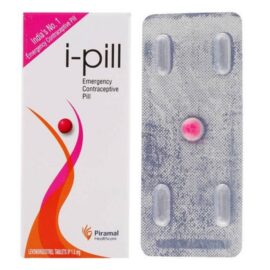
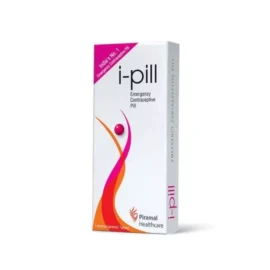
Noodanticonceptie (de “morning-afterpil”) voorkomt ongewenste zwangerschap na onbeschermde seks of anticonceptiefalen. De meest gebruikte methode wereldwijd is een eenmalige dosis levonorgestrel - het meest effectief binnen 12 uur na onbeschermde seks, minder effectief na 72 uur maar nog steeds geregistreerd voor gebruik tot 72 uur. Ulipristalacetaat is een alternatief dat effectief is tot 120 uur maar in de meeste rechtsgebieden een recept vereist. De meest effectieve noodanticonceptie is het koperhoudende spiraaltje dat binnen 5 dagen wordt geplaatst (meer dan 99% effectief versus ~85% voor orale opties).
Op voorraad optie. Levonorgestrel 1,5 mg eenmalige dosis tablet. Op voorraad als i-pill. Neem zo snel mogelijk na onbeschermde seks in — de werkzaamheid neemt af na verloop van tijd. Als braken optreedt binnen 2 uur na inname, herhaal dan de dosis. Hervat reguliere anticonceptie (of start een nieuwe methode) na de noodanticonceptie. Zie ook Postpone 72 in onze Alternatieve Anticonceptie catalogus.
Hoe het werkt. Levonorgestrel noodanticonceptie werkt voornamelijk door de ovulatie uit te stellen — daarom het meest effectief wanneer ingenomen voordat de ovulatie heeft plaatsgevonden. Het beëindigt GEEN bestaande zwangerschap (in tegenstelling tot misoprostol/mifepriston). Een hogere BMI kan de werkzaamheid verminderen — ulipristal of koperhoudend spiraaltje heeft de voorkeur bij BMI > 26 en indien same-day toegang mogelijk is.
Belangrijk. Neem de volgende reguliere pil op het gebruikelijke tijdstip in na gebruik van noodanticonceptie; gebruik aanvullende barrièrebescherming tot de volgende menstruatie of gedurende 7 dagen (afhankelijk van de anticonceptiemethode). De menstruatie kan een paar dagen eerder of later optreden na gebruik van noodanticonceptie. Als de menstruatie meer dan 7 dagen te laat is, doe dan een zwangerschapstest. Herhaaldelijk gebruik van noodanticonceptie wijst op de behoefte aan betrouwbaardere continue anticonceptie — zie onze Anticonceptiepil en Alternatieve anticonceptiemiddelen categorieën. Noodanticonceptie beschermt niet tegen SOA's — gebruik barrièrebescherming of laat je testen. Alle MedsBase producten worden verzonden vanuit WHO-GMP gecertificeerde fabrikanten met discrete verpakking en vallen onder onze Reshipment Assurance-beleid.