







Antitrombotische medicijnen voorkomen en behandelen bloedstolsels — veneuze trombo-embolie (diepe veneuze trombose, longembolie), voorkoming van beroerte bij atriumfibrilleren, mechanische hartkleppen en arteriële gebeurtenissen zoals myocardinfarct en ischemische beroerte. De MedsBase Anti-Coagulantia-catalogus groepeert drie farmacologisch verschillende families: vitamine-K-antagonisten (warfarine), direct werkende orale anticoagulantia (DOAC's) en plaatjesremmers.
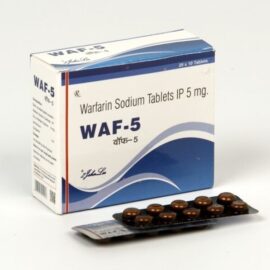
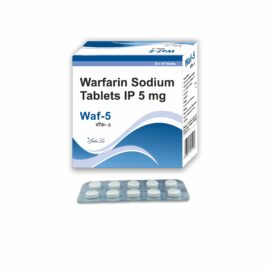
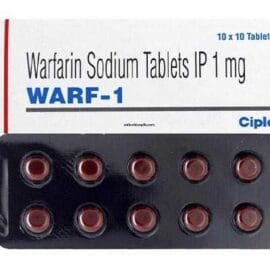
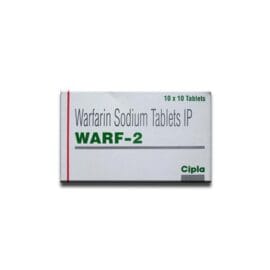
Vitamine-K-antagonisten. Warfarine blijft de standaard voor mechanische hartkleppen en een waardevolle optie bij atriumfibrilleren en veneuze trombo-embolie waar DOAC's gecontra-indiceerd zijn (ernstige nierinsufficiëntie, antifosfolipidensyndroom, vergevorderde leverziekte). Het vereist regelmatige INR-controle (streefwaarde 2,0–3,0 voor AF en VTE; 2,5–3,5 voor mechanische mitraliskleppen) en zorgvuldig beheer van voedingsvitamine K, antibiotica, NSAID's, amiodaron en vele andere interactoren. Wij hebben Warf (1, 2, 3, 5 mg) en Waf-5 (5 mg).
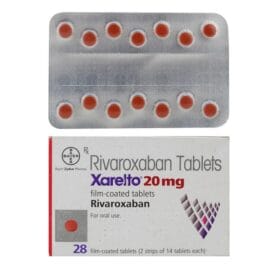
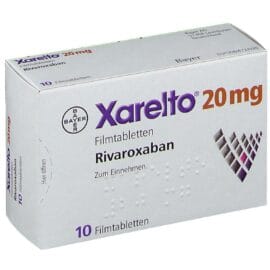
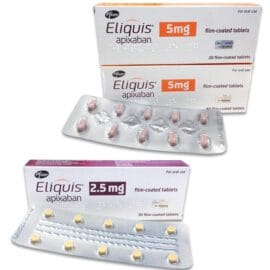
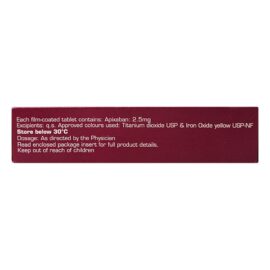
Direct orale anticoagulantia (DOAC's). DOAC's zijn eerste keus voor preventie van beroertes bij niet-valvulair atriumfibrilleren en voor de behandeling van veneuze trombo-embolie (VTE) bij de meeste patiënten, met praktische voordelen zoals vaste dosering, geen routinematige monitoring en minder interacties met voeding/medicijnen dan warfarine. Rivaroxaban (factor Xa-remmer, eenmaal daags voor atriumfibrilleren en 15 mg tweemaal daags gevolgd door 20 mg eenmaal daags voor VTE) is beschikbaar als Xarelto 20. Apixaban (factor Xa-remmer, tweemaal daags, laagste percentage grote bloedingen in de klasse in directe vergelijkingen bij atriumfibrilleren) is beschikbaar als Eliquis.
Antiplaatjesmiddelen. Antiplaatjesmiddelen voorkomen arteriële trombose (na een hartinfarct, na PCI, ischemische beroerte, perifeer arterieel vaatlijden). Clopidogrel (P2Y12-remmer) is op voorraad als Clodict. Duale antiplaatjestherapie (aspirine + clopidogrel) is het standaardregime van 6–12 maanden na plaatsing van een coronaire stent, gevolgd door levenslange monotherapie met aspirine tenzij gecontra-indiceerd.
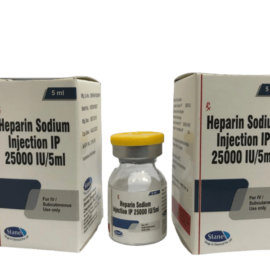
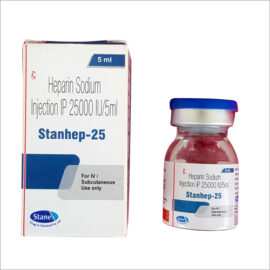
Heparine (parenteraal). Ongefractioneerde heparine (Stanhep 25, 5000 IE/mL) wordt gebruikt voor in het ziekenhuis gestarte anticoagulatie, peri-operatieve bridging, dialysecircuits en acute VTE. Laagmoleculaire heparines (enoxaparine, dalteparine) worden veel gebruikt voor poliklinische preventie en behandeling van VTE maar staan apart vermeld wanneer op voorraad.
Antiparasitaire middelen. Opmerking: deze catalogus bevat momenteel ook een aantal producten uit aangrenzende therapeutische gebieden — antiparasitica (Ivecop / Vermact ivermectine) kunt u het beste bekijken in onze categorie Wormbehandeling, en verschillende bloeddrukmedicijnen (ramipril, olmesartan, losartan, propranolol, metoprolol) staan correct vermeld onder Hart- & Bloeddrukmedicatie. We reorganiseren deze catalogus om antitrombotica bij elkaar te houden.
Hoe te kiezen. Voor preventie van beroertes bij niet-valvulair atriumfibrilleren en de meeste VTE wordt een DOAC verkozen boven warfarine (lagere kans op intracraniële bloedingen, geen monitoring) tenzij de creatinineklaring onder 25–30 mL/min ligt, de patiënt een triple-positief antifosfolipidensyndroom heeft of een mechanische klep aanwezig is — in die gevallen blijft warfarine eerste keus. Voor arteriële events is enkelvoudige antiplaatjestherapie (aspirine of clopidogrel) de standaard secundaire preventie; duale antiplaatjestherapie is tijdelijk en indicatie-gedreven.
Kritieke waarschuwingen. Alle anticoagulantia brengen een bloedingrisico met zich mee; meld ongebruikelijke blauwe plekken, tandvleesbloedingen, bloed in urine of ontlasting, ernstige hoofdpijn of enig trauma direct. Combineer niet met NSAID's (ibuprofen, diclofenac, naproxen) zonder medisch advies — aanzienlijke verhoging van het bloedingrisico. Bij grote operaties, tandextracties of invasieve procedures is geplande onderbreking nodig (5 dagen voor warfarine, 24–48 uur voor DOAC's afhankelijk van nierfunctie en bloedingrisico). Zwangerschap: warfarine is teratogeen; DOAC's worden niet aanbevolen tijdens zwangerschap of borstvoeding — schakel over op LMWH onder begeleiding van een hematoloog.
Alle MedsBase Anti-Coagulantia worden verzonden vanuit WHO-GMP gecertificeerde fabrikanten met discrete wereldwijde verzending en vallen onder onze Reshipment Assurance-beleid.