











Migraine treft ongeveer 12% van de volwassenen wereldwijd — ongeveer driekwart van de patiënten zijn vrouwen, en de piekprevalentie ligt in de leeftijdsgroep van 25-55 jaar. In tegenstelling tot spanningshoofdpijn is migraine een duidelijk neurologische aandoening veroorzaakt door activering van de nervus trigeminus, afgifte van calcitonine-gen-gerelateerd peptide (CGRP) en corticale spreidingsdepressie. Een typische aanval duurt 4-72 uur met matige tot ernstige kloppende pijn, vaak aan één kant, met misselijkheid, fotofobie en fonofobie; ongeveer 30% van de patiënten ervaart voorafgaande visuele, sensorische of motorische aura.
De behandeling van migraine op MedsBase volgt de tweesporenbenadering die wordt onderschreven door de American Headache Society, NICE en de European Headache Federation: acute (abortieve) behandeling die bij het eerste teken van een aanval wordt ingenomen, plus preventieve behandeling dagelijks ingenomen wanneer aanvallen meer dan 4 keer per maand voorkomen of invaliderend zijn.
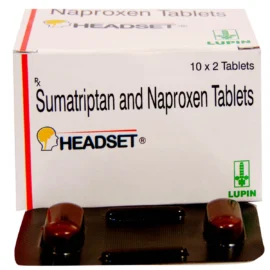
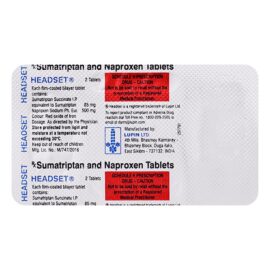
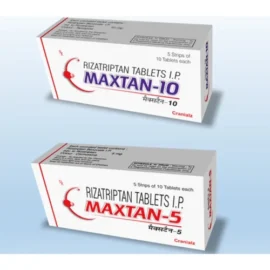
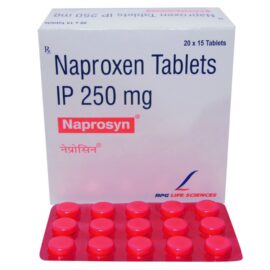
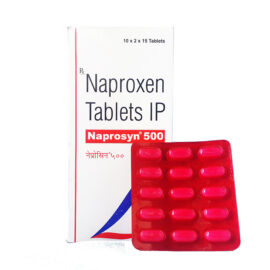
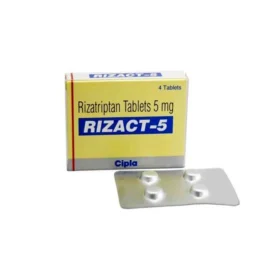
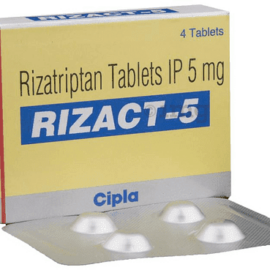
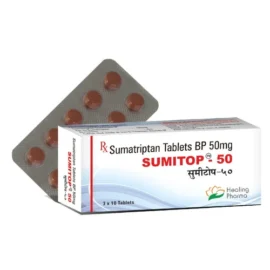
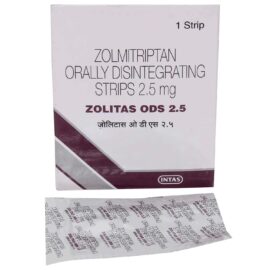
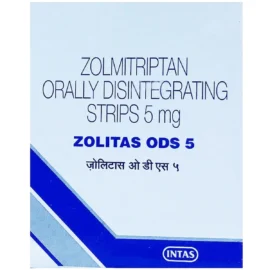
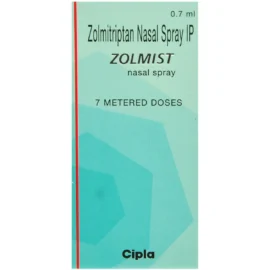
Acute (abortieve) behandelingen beschikbaar bij MedsBase: Rizatriptan (Maxtan, Rizatop, Rizact) — de snelst werkende orale triptaan met het hoogste pijnvrijheidspercentage na 2 uur. Sumatriptan (Sumitop, Leemigran) — de originele triptaan en de optie met de meeste onderbouwing. Zolmitriptan (Zolitas ODS — orodispergeerbaar, en Zolmist Neusspray — snelste werking binnen 10-15 min). Sumatriptan + Naproxen vaste dosis combinatie (Headset — generiek Treximet, superieur aan elk afzonderlijk bestanddeel). Voor milde tot matige aanvallen is, Naprosyn (naproxen) de NSAID van voorkeur.
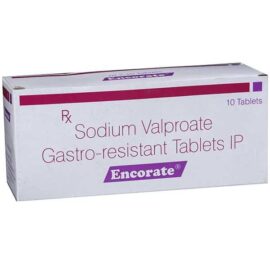
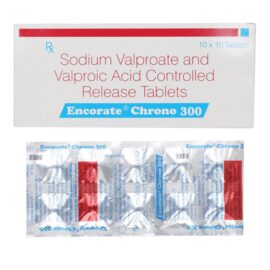
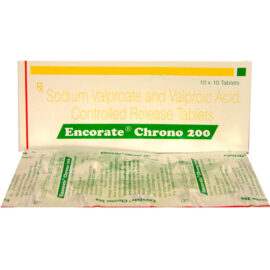
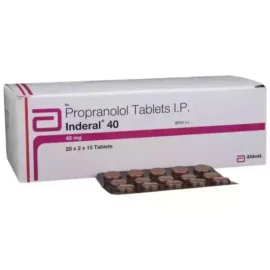
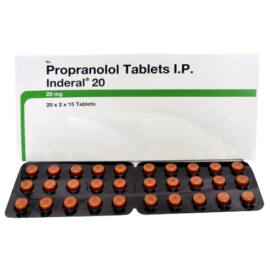
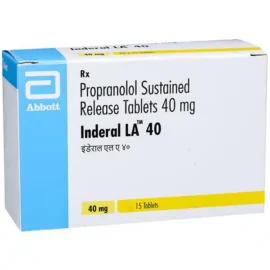
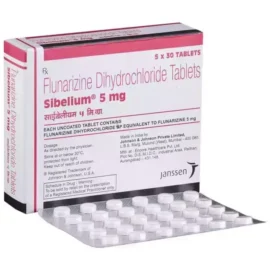
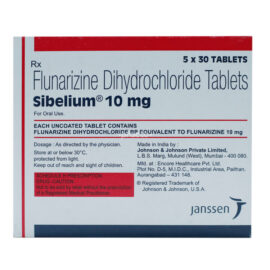
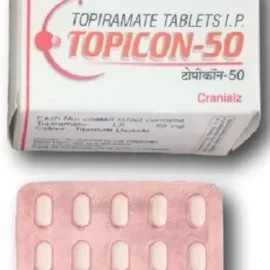
Preventieve behandelingen beschikbaar bij MedsBase: Propranolol (Inderal IR en Inderal LA) — de klassieke eerstelijns preventieve behandeling; veilig tijdens zwangerschap; 80-160 mg/dag. Topiramate (Topicon) — FDA-goedgekeurd als migrainepreventief; streefdosis 100 mg/dag; veroorzaakt gewichtsverlies; gecontra-indiceerd tijdens zwangerschap. Flunarizine (Sibelium) — Europese eerstelijns calciumantagonist; 10 mg 's nachts; bijzonder effectief voor pediatrische en vestibulaire migraine; maximale behandelduur van 6 maanden. Sodium Valproate (Encorate IR en Encorate Chrono ER) — voorbehouden aan patiënten bij wie eerstelijns preventiefalen hebben gefaald; sterk teratogeen dus niet gebruikt bij vrouwen in de vruchtbare leeftijd zonder formele zwangerschapspreventie.
Kritieke veiligheidsboodschap — medicatie-overgebruikshoofdpijn. Het gebruik van triptanen, ergotamines of combinatieanalgetica meer dan 10 dagen per maand, of simpele NSAID's/paracetamol meer dan 15 dagen per maand, veroorzaakt een paradoxale reboundhoofdpijn genaamd medicatie-overgebruikshoofdpijn (MOH). Als u vaker dan deze limieten acute behandeling nodig heeft, moet u een preventief medicijn toevoegen, niet meer acute medicatie. Houd een migrainedagboek bij waarin u het aantal dagen met acute medicatie per maand noteert — als u de drempel overschrijdt, start dan met een preventief middel.
Migraine is een chronische aandoening — het doel van de behandeling is een functionele vermindering van frequentie en ernst, geen genezing. Gebruik onder medische begeleiding waar nodig. Als uw hoofdpijn nieuw is, ernstig afwijkt van wat u gewend bent, gepaard gaat met koorts, neurologische uitvalsverschijnselen, nekstijfheid of een “donderslag”-begin heeft, zoek dan direct medische hulp — dit is geen migraine.