










Jicht wordt veroorzaakt door de afzetting van mononatriumuraatkristallen in gewrichten (meestal het eerste metatarsofalangeale gewricht — “podagra”) en zachte weefsels, als gevolg van chronische hyperurikemie. De moderne behandeling heeft twee parallelle doelen: (1) de acute opflakkering stoppen met ontstekingsremmende behandeling, en (2) het serumuraatgehalte verlagen tot onder 360 µmol/L (300 µmol/L bij tofuse jicht) met langdurige uraatverlagende therapie. De MedsBase Jichtbehandeling-catalogus bevat beide benaderingen, geleverd door WHO-GMP gecertificeerde fabrikanten.
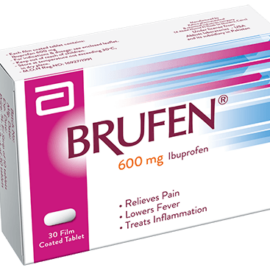
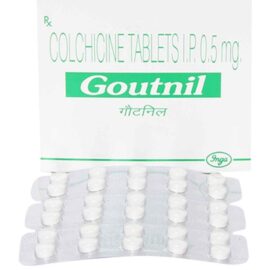
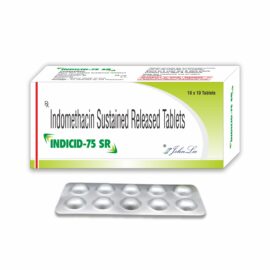
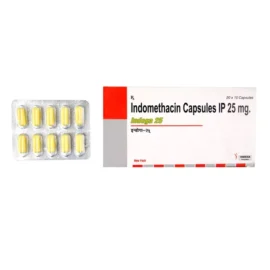
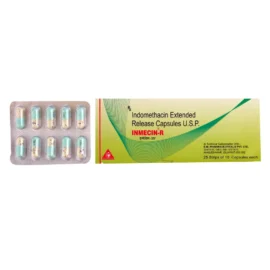
Acute opflakkering — ontstekingsremmende behandeling. Er zijn drie opties die werken, de keuze is gebaseerd op contra-indicaties. NSAID's (hoge dosis gedurende 5–7 dagen) zijn de eerste keuze bij patiënten zonder nierfunctiestoornis, maagzweer, hartfalen of antistollingstherapie. Naproxen 500 mg BID, indometacine 50 mg TID (de historische “gouden standaard” voor acute jicht) en ibuprofen 800 mg TID zijn gebruikelijke keuzes. Wij hebben Brufen (ibuprofen), Inmecin-R (indometacine SR), Indicid-75 SR, en Indoga (indometacine). Colchicine 1,2 mg oraal gevolgd door 0,6 mg een uur later (vervolgens 0,6 mg BID gedurende 2–3 dagen) is het alternatief — vooral nuttig wanneer NSAID's gecontra-indiceerd zijn. Op voorraad als Goutnil (colchicine 0,5 mg). Let op diarree (dosisafhankelijk) en vermijd bij significante nier- of leverfunctiestoornissen. Orale corticosteroïden (prednisolon 30–40 mg per dag gedurende 5 dagen) zijn de derde optie wanneer zowel NSAID's als colchicine gecontra-indiceerd zijn — zie categorie Pijnstillende Medicatie.
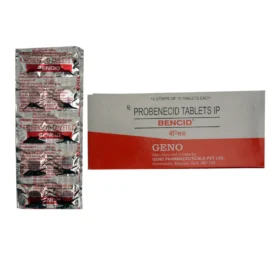
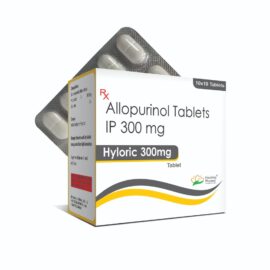
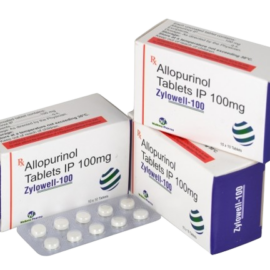
Uraatverlagende therapie — voor chronisch beheer. Indicaties: ≥ 2 aanvallen per jaar, tofachtige jicht, uraatnefrolithiasis of chronische nierziekte stadium ≥ 3 met hyperurikemie. Allopurinol (xanthine-oxidaseremmer) is eerste keus — start met 100 mg per dag (50 mg bij CKD), verhoog met 100 mg elke 2–4 weken met als doel serumuraat < 360 µmol/L. De meeste patiënten hebben 300–600 mg per dag nodig. Op voorraad als Zyrik (allopurinol). HLA-B*5801-test wordt aanbevolen bij Han-Chinezen, Koreanen en Thai voor aanvang (risico op ernstige cutane bijwerkingen). Febuxostat (alternatieve xanthine-oxidaseremmer — nuttig bij intolerantie of onvoldoende effect van allopurinol) is op voorraad als Hyloric. CARES-onderzoek wees op een cardiovasculaire mortaliteitssignaal — beoordeel cardiovasculair risico voor overschakeling van allopurinol. Probenecid (uricosurisch — verhoogt renale uraatuitscheiding) als Bencid. Nuttig bij onderuitscheiders met eGFR > 50; gecontra-indiceerd bij voorgeschiedenis van urolithiasis.
Aanvalsprofylaxe tijdens start van uraatverlagende therapie. Start van uraatverlagende therapie kan tofi mobiliseren en aanvallen uitlokken gedurende 6 maanden. Profylactische colchicine 0,5 mg een- of tweemaal daags gedurende de eerste 6 maanden (of NSAID-profylaxe) vermindert de incidentie van aanvallen — stop zodra uraat op doel is en er 3–6 maanden geen aanvallen zijn geweest.
Hoe te kiezen. Eerste aanval zonder risicofactoren → NSAID 5–7 dagen, nog geen uraatverlagende therapie. Terugkerende aanvallen (≥ 2/jaar) → start allopurinol 100 mg per dag met titratie + colchicineprofylaxe. Allopurinol falen of intolerantie → febuxostat (beoordeel cardiovasculair risico). Onderuitscheider (24-uurs urineuraat < 600 mg) zonder urolithiasis → overweeg probenecid als alternatief of add-on. Tofachtige jicht, refractaire ziekte of indicatie voor pegloticase → verwijzing naar reumatologie.
Belangrijk. Leefstijlmaatregelen zijn belangrijk: verminder alcohol (vooral bier), verminder fructosegezoete dranken, gewichtsverlies, hydratatie, purinearm dieet, vitamine C 500 mg per dag, zuivelinname. Ga door met uraatverlagende therapie tijdens acute aanvallen — stoppen veroorzaakt verdere aanvallen. Vermijd lis- en thiazidediuretica waar mogelijk (verhogen uraat). Aspirine 75–100 mg heeft een gering effect; cardiovasculaire indicatie weegt meestal zwaarder dan uraatbezorgdheid. Acute monoartritis met koorts vereist gewrichtspunctie om septische artritis uit te sluiten — jicht kan dit nabootsen maar mag niet worden aangenomen.
Alle MedsBase Jichtbehandelingsproducten worden verzonden vanaf WHO-GMP gecertificeerde fabrikanten met discrete verpakking en vallen onder onze Reshipment Assurance-beleid.