












Bekijk ons volledige Behandeling van de ziekte van Parkinson assortiment — 10 WHO-GMP gecertificeerde medicijnen die alle belangrijke medicatieklassen omvatten voor het beheersen van motorische symptomen, het vertragen van ziekteprogressie en het verminderen van levodopa-geïnduceerde dyskinesie.
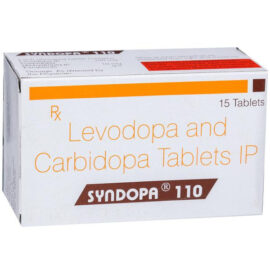
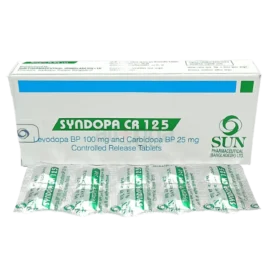
Levodopa + carbidopa combinaties blijven de hoeksteen van de behandeling: Syndopa (directe afgifte) en Syndopa CR (gecontroleerde afgifte) leveren dopamine's biochemische precursor over de bloed-hersenbarrière waar overlevende neuronen het terug omzetten in dopamine, waarbij carbidopa perifere afbraak voorkomt zodat veel minder levodopa nodig is en bijwerkingen verminderd worden.
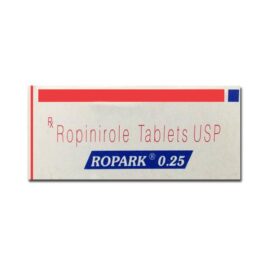
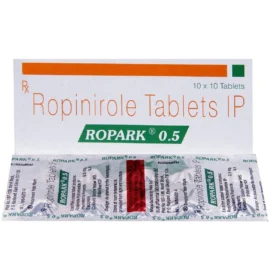
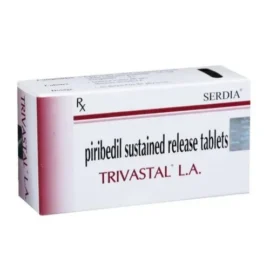
Niet-ergot dopamine agonisten stimuleren direct D2/D3 dopamine receptoren en zijn eerstelijns bij jongere patiënten om levodopa-geïnduceerde dyskinesie uit te stellen: Ropark (ropinirole), Pramirol (pramipexole) en Trivastal LA (piribedil 50 mg langwerkend). Deze middelen hebben niet het risico op hartklepfibrose dat geassocieerd wordt met de ergotagonist Brom (bromocriptine), die nog steeds een rol speelt bij de ziekte van Parkinson, hyperprolactinemie en acromegalie.
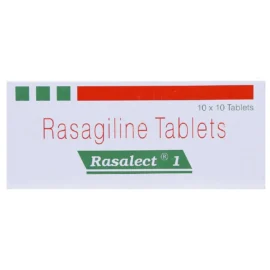
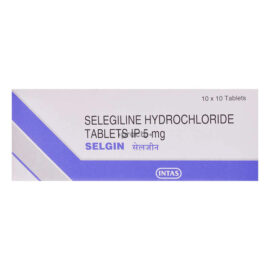
MAO-B remmers vertragen de afbraak van dopamine in de hersenen: Selgin (selegiline 5 mg, als monotherapie of aanvullend), Rasalect (rasagiline 1 mg, eenmaal daags, geen amfetamine metabolieten) en Xafinact (safinamide 50–100 mg, alleen aanvullend, met een unieke aanvullende glutamaatmodulerende werking die helpt bij levodopa-geïnduceerde dyskinesie).
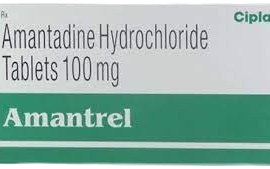
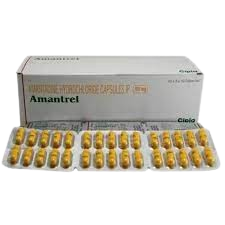
The NMDA-antagonist + dopaminevrijmaker Amantrel (amantadine 100 mg) is een van de weinige middelen die direct levodopa-geïnduceerde dyskinesie vermindert bij gevorderde ziekte, en is ook nuttig als monotherapie bij vroege ziekte van Parkinson.
Elk product in deze categorie is afkomstig van WHO-GMP gecertificeerde fabrikanten, wereldwijd verzonden in discrete verpakking, met gedetailleerde klinische informatie over het werkingsmechanisme, dosering, beheer van motorische fluctuaties, geneesmiddelinteracties, veiligheidsadvies voor impulscontrole en de specifieke voorzorgsmaatregelen voor elke geneesmiddelklasse. Hulp nodig bij het kiezen? Zie de vergelijkingspanelen op elke productpagina of neem contact op met ons klantenserviceteam.