








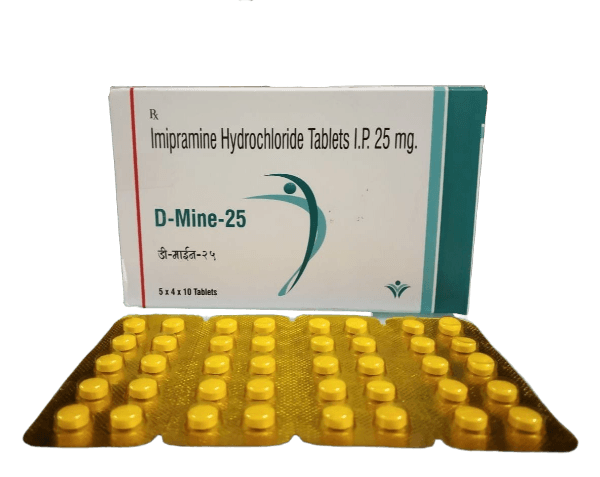
D-mine
✅ Verlicht symptomen van depressie
✅ Verbeterde stemmingstabiliteit
✅ Vermindert angstniveaus
✅ Verbetering van de slaapkwaliteit
✅ Beheerst paniekaanvallen
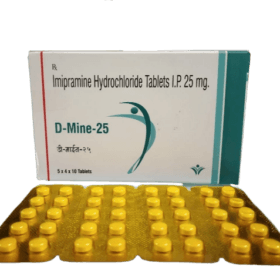
D-mine bevat Imipramine.
✓ Medisch beoordeeld door Morgan Ellis — Apotheekonderzoeker · 8 jaar ervaring · Laatst beoordeeld: mei 2026
⚡ Kort antwoord — Wat is D-mine?
D-mine bevat imipramine 25 mg van een WHO-GMP gecertificeerde fabrikant (Sun Pharma) — het oorspronkelijke tricyclische antidepressivum, sinds 1959 continu in klinisch gebruik. Tertiair-amine TCA: serotonine- en noradrenalineheropnameremming plus muscarine, histamine H1, en alfa-1 antagonisme (de bron van bijwerkingen). Grotendeels verdrongen door SSRI's als eerstelijnsbehandeling voor depressie, maar nog steeds gebruikt voor: paniekstoornis (een van de meest onderbouwde TCAs hiervoor), chronische neuropathische pijn in lage doses, en pediatrische nachtelijke enuresis (bedplassen) waarvoor het FDA-goedkeuring heeft. Cardiotoxiciteit bij overdosering — basis-ECG voor aanvang. Sterke anticholinerge belasting — geen eerste keus bij oudere volwassenen.
📦 Elke bestelling is gedekt door onze Reshipment Assurance-beleid — als uw pakket niet binnen 20 werkdagen arriveert, sturen wij het opnieuw.
Waarom bestellen bij MedsBase
Onze generieke medicijnen zijn afkomstig van WHO-GMP gecertificeerde fabrikanten en worden wereldwijd verzonden in discrete, eenvoudige verpakkingen — geen medicijnnaam op de buitenkant van het pakket. Betalingen met kaart worden verwerkt via een gereguleerde processor (betalingsoverzichten vermelden een gereguleerde kaartbetalingprocessor — nooit “MedsBase” of een medicijnnaam). Crypto en SEPA bankoverschrijvingen worden ook geaccepteerd. Elke bestelling wordt ondersteund door ons Reshipment Assurance Policy.
Wat Is D-mine?
D-mine is een orale tablet van imipramine hydrochloride 25 mg geproduceerd door Sun Pharma. Imipramine (US merk Tofranil) werd in 1948 gesynthetiseerd en in 1957 geïdentificeerd als het eerste effectieve antidepressivum — de basis van de moderne psychofarmacologie. Het is een tertiair-amine tricyclisch antidepressivum dat de heropname van serotonine en noradrenaline remt en tegelijkertijd muscarine, histamine H1, en alfa-1-receptoren blokkeert. De serotonerge / noradrenerge werking drijft de effectiviteit; receptorblokkade veroorzaakt het grootste deel van de bijwerkingen.
Goedgekeurde indicaties
- Major depressieve stoornis — tweede- of derdekeus na SSRIs / SNRIs
- Paniekstoornis — een van de meest onderbouwde TCA's; effectief maar beter verdragen alternatieven bestaan
- Nachtelijke enuresis bij kinderen (bedplassen) — door de FDA goedgekeurd voor leeftijden 6+ wanneer gedragstherapie en desmopressine hebben gefaald
- Off-label: chronische neuropathische pijn, fibromyalgie, postherpetische neuralgie, chronische lage rugpijn
Dosering
| Indicatie | Start | Streefdosering | Opmerkingen |
|---|---|---|---|
| MDD (volwassen poliklinisch) | 25–75 mg/dag voor het slapengaan | 100–200 mg/dag | Maximaal 200 mg/dag poliklinisch; tot 300 mg/dag klinisch; titreren over 2–4 weken |
| MDD (ouderen) | 10–25 mg voor het slapengaan | 25–100 mg/dag | Lager doel; groter anticholinerg en orthostatisch risico |
| Paniekstoornis | 10–25 mg voor het slapengaan × 1 week | 75–200 mg/dag | Langzame op-titratie om vroege verergering van paniek te voorkomen |
| Kinderenuresis (leeftijd 6–12) | 25 mg één uur voor het slapengaan | 25–50 mg één uur voor het slapengaan | Maximaal 2,5 mg/kg/dag; herevalueer na 3 maanden — terugval komt vaak voor bij stoppen |
| Kinderenuresis (leeftijd 12+) | 25 mg één uur voor het slapengaan | 25–75 mg één uur voor het slapengaan | Maximaal 75 mg/dag;zelfde herevaluering |
Bijwerkingen (anticholinerge belasting is het hoofdprobleem)
Bijwerkingsprofiel per werkingsmechanisme
| Werkingsmechanisme | Effecten | Opmerkingen |
|---|---|---|
| Anticholinerg (muscarineblokkade) | Droge mond, obstipatie, urineretentie, wazig zien, cognitieve stoornissen | Zwaar — niet eerstekeus bij ouderen; voorzichtigheid geboden bij BPH, glaucoom, dementie |
| H1 blokkade | Sedatie, gewichtstoename | Nuttig wanneer slapeloosheid onderdeel is van de depressie; minder nuttig overdag |
| Alpha-1-blokkade | Orthostatische hypotensie, duizeligheid, valincidenten | Vooral problematisch bij ouderen; controleer liggende/staan bloeddruk |
| Cardiaal (natriumkanaalblokkade) | QT- en QRS-verlenging, AV-blok | Baseline ECG voor aanvang bij patiënten > 50 jaar of met cardiale voorgeschiedenis; dodelijk bij overdosering — verstrek geen grote hoeveelheden aan patiënten met acuut suïciderisico |
| Serotonerg/noradrenerg | Zweten, tremor, seksuele disfunctie | Over het algemeen beheersbaar |
| Anders | Verlaagde aanvalsdrempel, paradoxale manie (bij onopgemerkte bipolaire stoornis) | Voorzichtigheid bij epilepsie, screen op bipolaire stoornis voordat u begint. |
Geneesmiddelinteracties
Absolute contra-indicaties: MAO-remmers (14 dagen wash-outperiode), recent myocardinfarct, ernstige ongecontroleerde hartaandoeningen.
Cardiaal risico: vermijd gelijktijdig gebruik van QT-verlengende medicijnen (citalopram > 20 mg, quetiapine, ziprasidon, ondansetron, methadon, fluoroquinolonen).
CYP2D6-substraat: plasmaspiegels stijgen bij sterke remmers (paroxetine, fluoxetine, bupropion, quinidine). Gebruik lagere doseringen.
Anticholinergische versterking: combineer voorzichtig met andere anticholinergica (difenhydramine, scopolamine, trihexyphenidyl, oxybutynin).
Sedatie / orthostase: alcohol, benzodiazepinen, opioïden, alfablokkers.
Cardiale veiligheid en overdosisrisico
TCA's behoren tot de meest dodelijke medicijnen bij overdosering vanwege de blokkade van natriumkanalen in het hart, wat leidt tot brede-complex tachycardie, ventriculaire aritmieën en cardiogene shock bij doses 5–10x therapeutisch. Baseline ECG is standaardpraktijk voordat wordt begonnen bij patiënten ouder dan 50 jaar of met cardiale risicofactoren. Verstrek slechts 1–2 weken medicatie tegelijk aan patiënten met een aanzienlijk suïciderisico — een voorraad van 30 dagen imipramine 25 mg is potentieel dodelijk.
Veelgestelde vragen
Hoe lang duurt het voordat D-mine werkt?
Stemmingsverbetering bij MDD treedt meestal op na 4–6 weken. Bij paniekstoornis na 4–8 weken. Effect bij enuresis bij kinderen is meestal zichtbaar binnen 1–2 weken na een effectieve dosering.
Is D-mine veiliger dan amitriptyline?
Imipramine en amitriptyline hebben vergelijkbare profielen. Nortriptyline (Primox op deze site) en desipramine (secundaire-amine TCA's) worden meestal beter verdragen — minder anticholinerg en minder sederend — als een tricyclisch antidepressivum nodig is.
Kunnen kinderen D-mine veilig gebruiken voor bedplassen?
Ja — imipramine wordt sinds de jaren 1960 met FDA-goedkeuring gebruikt voor nachtelijke enuresis bij kinderen. Altijd als derde keus na gedragstherapie / alarmtherapie en desmopressine. Het cardiale risico is laag bij standaard doseringen voor enuresis, maar een ECG moet worden gecontroleerd als de dosis hoger is dan 75 mg/dag of bij een familiegeschiedenis van aritmie / plotseling overlijden.
Waarom zijn TCA's niet meer de eerste keus bij depressie?
De bijwerkingenlast (anticholinerg, sedatie, orthostase) en de letaliteit bij overdosering hebben sinds eind jaren 1980 de eerste keus verschoven naar SSRI's en SNRI's. TCA's blijven nuttig voor therapieresistente depressie, neuropathische pijn en paniekstoornissen.
Zorgt D-mine voor gewichtstoename?
Ja — TCA's veroorzaken aanzienlijke gewichtstoename (5–10 kg of meer over maanden) via H1 stimulering van de eetlust. Dit is een van de belangrijkste redenen waarom patiënten overstappen op SSRIs.
Mag ik alcohol drinken bij D-mine?
Vermijd overmatig alcoholgebruik — kan leiden tot extra sedatie, orthostatische hypotensie en een verlaagde epileptische drempel. Af en toe een licht alcoholisch drankje wordt over het algemeen verdragen, maar voorzichtigheid is geboden.
Wat gebeurt er als ik een dosis mis?
Neem het in zodra u het zich herinnert, tenzij het bijna tijd is voor de volgende dosis. Imipramine heeft een lange halfwaardetijd, dus het overslaan van één dosis veroorzaakt zelden ontwenningsverschijnselen.
Is D-mine veilig tijdens de zwangerschap?
Beperkte gegevens — niet de eerste keuze tijdens zwangerschap. SSRIs (bij voorkeur sertraline) hebben een veel uitgebreidere veiligheidsdatabase. Blootstelling in het late derde trimester is in verband gebracht met neonatale ontwenningsverschijnselen.
Kan D-mine gecombineerd worden met andere antidepressiva?
Soms — lage doses TCAs worden toegevoegd aan SSRIs bij therapieresistente depressie, maar alleen onder begeleiding van een voorschrijver. Combinatie met MAO-remmers is gecontra-indiceerd.
Hoe moet D-mine worden bewaard?
Bewaren bij 15–30 °C in de originele blisterverpakking, weg van vocht en zonlicht. Buiten bereik van kinderen houden — een overdosis TCA is snel dodelijk.
Gerelateerde alternatieven
Andere producten in Chronische aandoeningen die klanten ook bekijken:
Meer opties in behandeling van situationele angst
Gerangschikt op recente bestelvolumes van MedsBase — wat andere klanten in deze categorie kiezen.
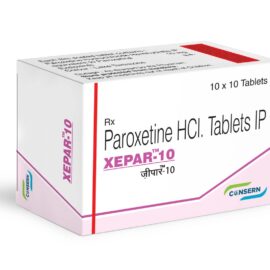
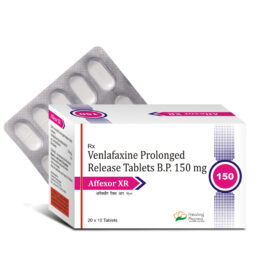
| Sterkte | 25 mg |
|---|---|
| Hoeveelheid | 30 Tabletten, 60 Tabletten, 90 Tabletten, 180 Tabletten |
 D-mine
Vragen & antwoorden
D-mine
Gerelateerde producten




Beoordelingen
Er zijn nog geen beoordelingen