







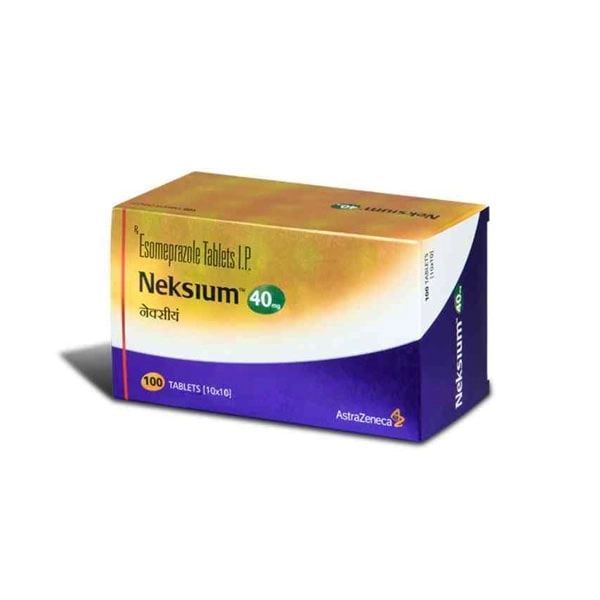
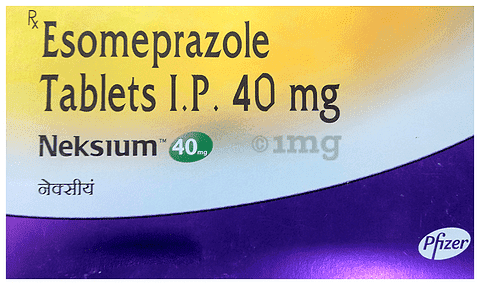
Neksium
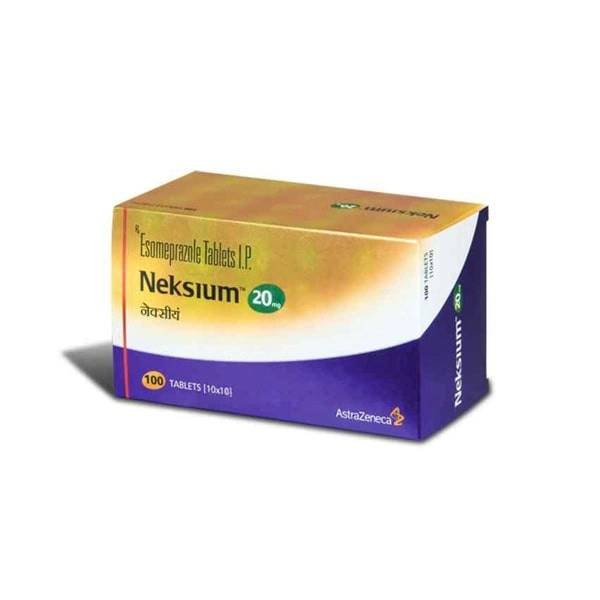
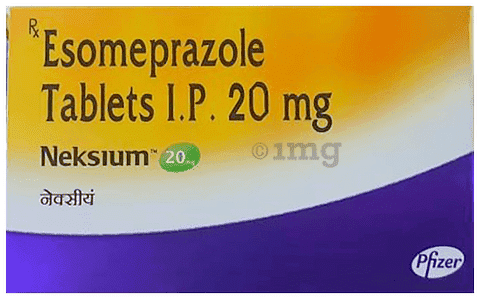
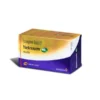
✅ Vermindert overtollig maagzuur
✅ Verlicht zuurgerelateerde symptomen
✅ Behandelt maagzweren effectief
✅ Beheert GERD effectief
Neksium bevat Esomeprazole
✓ Medisch beoordeeld door Morgan Ellis — Apotheekonderzoeker · 8 jaar ervaring · Laatst beoordeeld: mei 2026
⚡ Snelle vraag — Wat is Neksium?
Neksium bevat esomeprazol (20 mg / 40 mg) (gemaakt door AstraZeneca India) van een WHO-GMP gecertificeerde fabrikant — een protonpompremmer die onomkeerbaar de H+/K+-ATPase “zuurpomp” in maagwandcellen uitschakelt. Standaard dosering voor volwassenen: eenmaal daags, 30–60 minuten voor de eerste maaltijd van de dag. uitschakelt. Neksium wordt gebruikt voor gastro-oesofageale refluxziekte (GERD), erosieve oesofagitis, maagzweer., Helicobacter pylori uitroeiingsregimes en preventie van NSAID-geassocieerde zweren. Effecten bouwen op over 3–5 dagen; verwacht geen directe verlichting op dag één. Langdurig gebruik (meer dan een paar maanden) vereist evaluatie — risico's zijn onder andere vitamine B12 - en magnesiumtekort, botbreuken, Clostridioides difficile infectie en reboundzuurhypersecretie bij abrupt stoppen.
📦 Elke bestelling is gedekt door onze Reshipment Assurance-beleid — als uw pakket niet binnen 20 werkdagen arriveert, sturen wij het opnieuw.
Waarom bestellen bij MedsBase
Onze generieke medicijnen zijn afkomstig van WHO-GMP gecertificeerde fabrikanten en worden wereldwijd verzonden in discrete, eenvoudige verpakkingen — geen medicijnnaam op de buitenkant van het pakket. Betalingen met kaart worden verwerkt via een gereguleerde processor (betalingsoverzichten vermelden een gereguleerde kaartbetalingprocessor — nooit “MedsBase” of een medicijnnaam). Crypto en SEPA bankoverschrijvingen worden ook geaccepteerd. Elke bestelling wordt ondersteund door ons Reshipment Assurance Policy.
Wat Neksium (Esomeprazole) Is
Neksium is het merk van AstraZeneca India voor esomeprazol, een benzimidazol protonpompremmer (PPI). Elke tablet bevat 20 mg / 40 mg esomeprazol. PPI's zijn de krachtigste klasse van zuurremmende medicijnen die beschikbaar zijn en zijn eerstelijnsbehandeling voor matige tot ernstige zuurgerelateerde aandoeningen.
Hoe Neksium werkt (werkingsmechanisme)
Protonpompremmers zijn prodrugs. Na opname uit de dunne darm komt het middel in de bloedbaan terecht en wordt het geconcentreerd in de zure secretoire kanaaltjes van de maagwandcellen. Daar wordt het molecuul in het zure milieu geprotoneerd tot zijn actieve sulfenamidevorm, die vervolgens een covalente disulfidebinding vormt met cysteïneresten op de H+/K+-ATPase-pomp - de laatste stap in zuursecretie. Omdat de binding onomkeerbaar is, kan zuurproductie niet hervatten totdat de maagwandcel nieuwe pompen heeft aangemaakt. Dit farmacodynamische effect houdt 24-72 uur aan, ook al is de plasmahalfwaardetijd van het middel slechts ~1-2 uur (langer voor ilaprazol). Maximale zuurremming vereist 3-5 dagen regelmatige dosering.
Hoe esomeprazol verschilt van andere PPI's: Esomeprazol is de pure S-enantiomeer van omeprazol. Omdat de S-isomeer langzamer wordt afgebroken dan de R-isomeer, geeft esomeprazol bij dezelfde milligramdosis een ~30% hogere plasmakoncentratie (AUC) en vertoont het minder interindividuele variabiliteit dan omeprazol. In directe vergelijkende studies naar genezing van erosieve oesofagitis (esomeprazol 40 mg vs. omeprazol 20 mg) zorgde esomeprazol voor snellere en volledigere genezing — daarom is het vaak de voorkeurs-PPI bij ernstige erosieve aandoeningen. Esomeprazol remt nog steeds CYP2C19 en heeft daarom de zelfde interactie met clopidogrel als omeprazol; schakel over op pantoprazol of rabeprazol als u clopidogrel gebruikt.
Indicaties — Wat Neksium behandelt
1. Gastro-oesofageale refluxziekte (GERD)
De meest voorkomende indicatie. Neksium wordt gebruikt voor symptomatische GERD met of zonder endoscopische oesofagitis. Eenmaal daagse dosering is voldoende voor de meeste patiënten; een kleine groep met nachtelijke symptomen heeft baat bij tweemaal daagse dosering of overstappen op een PPI met een langere halfwaardetijd. Leefstijlmaatregelen — gewichtsverlies, hoofdeinde van het bed verhogen, maaltijden vermijden binnen 3 uur voor het slapengaan, alcohol, koffie en tabak verminderen en bekende triggers vermijden — moeten gepaard gaan met medicamenteuze behandeling.
2. Erosieve oesofagitis
Endoscopisch bevestigde ontsteking of ulceratie van de onderste slokdarm. PPI's genezen ~85–95% van de erosieve oesofagitis na 8 weken standaarddosistherapie. Ernstige (Los Angeles graad C/D) ziekte kan 8–12 weken dubbele dosis PPI nodig hebben voordat wordt overgegaan op een onderhoudsdosis. Voortgezette onderhoudstherapie wordt aanbevolen omdat recidief eerder regel dan uitzondering is.
3. Maagzweer — maag- en duodenumzweren
PPI's genezen duodenumzweren in 4 weken (~95% genezingspercentage) en maagzweren in 8 weken. Helicobacter pylori infectie (de oorzaak van de meerderheid van de niet-NSAID maagzweren) moet worden getest en uitgeroeid om recidief te voorkomen.
4. Helicobacter pylori-eradicatie
Neksium maakt deel uit van de standaard H. pylori eradicatieregimes. Veelvoorkomende regimes zijn onder meer:
- Bismut-quadrupletherapie (voorkeursbehandeling bij hoge claritromycineresistentie): PPI tweemaal daags + bismutsubcitraat 120 mg viermaal daags + tetracycline 500 mg viermaal daags + metronidazol 500 mg driemaal daags, gedurende 14 dagen.
- Claritromycine-tripletherapie: PPI tweemaal daags + amoxicilline 1 g tweemaal daags + claritromycine 500 mg tweemaal daags, gedurende 14 dagen. (Vermijd bij lokale claritromycineresistentie > 15%).
- Gecombineerde therapie: PPI + amoxicilline + claritromycine + metronidazol, alle tweemaal daags, gedurende 10–14 dagen.
Bevestig uitroeiing met een ureumademtest of stoelgangantigeentest 4 weken na voltooiing van de therapie en minstens 2 weken zonder PPI — PPI's veroorzaken vals-negatieve resultaten.
5. Preventie van NSAID-gerelateerde ulcera
Voor patiënten die chronische NSAID-therapie moeten voortzetten en een hoger ulcerarisico hebben (leeftijd > 65, eerder ulcus, gelijktijdig corticosteroïd of antistollingsmiddel, hoge NSAID-dosering), vermindert een eenmaal daagse PPI-co-medicatie de incidentie van maag- en duodenumulcera aanzienlijk.
6. Zollinger-Ellison-syndroom
Deze zeldzame gastrine-afscheidende tumor veroorzaakt extreme zuurhypersecretie. PPi's in veel hogere dan gebruikelijke doseringen (vaak 80–120 mg pantoprazol/dag of equivalent, verdeeld) vormen de hoeksteen van de medische behandeling, naast lokalisatie van de tumor en chirurgische/oncologische behandeling.
7. Functionele dyspepsie en niet-erosieve refluxziekte
Een proefbehandeling van 4–8 weken met een PPI is redelijk bij symptomatische functionele dyspepsie of niet-erosieve refluxziekte, met nadere evaluatie van de noodzaak achteraf. Veel patiënten in deze groep kunnen overstappen op on-demand of H2-antagonistentherapie.
Dosering
| Indicatie | Volwassen dosis | Duur |
|---|---|---|
| GERD — standaard | 20 mg eenmaal daags, 30–60 minuten voor het ontbijt | 4–8 weken |
| Erosieve oesofagitis — genezing | 20 mg (of 40 mg bij ernstige gevallen) eenmaal daags | 8–12 weken |
| Erosieve oesofagitis — onderhoud | 20 mg eenmaal daags | langdurig, met jaarlijkse evaluatie |
| Genezing van duodenumulcus | 20 mg eenmaal daags | 4 weken |
| Genezing van maagulcus | 20 mg eenmaal daags | 8 weken |
| H. pylori eradica | 20 mg tweemaal daags (in combinatie met antibiotica) | 10–14 dagen |
| Preventie van NSAID-gerelateerde ulcera | 20 mg eenmaal daags | duur van NSAID-therapie |
| Zollinger-Ellison | Onder leiding van een specialist; vaak 40 mg tweemaal daags of meer | langdurig |
Neem Neksium 30–60 minuten voor de eerste maaltijd van de dag. Het medicijn moet de pariëtale cel bereiken terwijl de maaltijd de protonpompactiviteit stimuleert — PPI's inactiveren alleen actieve pompen. Het innemen na de maaltijd of tijdens de maaltijd geeft een kleiner farmacodynamisch effect. Slik de tabletten heel door; niet pletten of kauwen (de maagzuurresistente coating is cruciaal).
Langdurige veiligheid — wat u moet weten voor maandenlang gebruik
- Vitamine B12 tekort na 2–3 jaar gebruik — zuur is nodig om B vrij te maken12 van eiwit in voeding. Controleer B12 jaarlijks bij PPI-gebruik > 2 jaar.
- Magnesiumtekort — zeldzaam maar belangrijk. Symptomen: spierkrampen, tremor, tetanie, aritmie. Controleer Mg bij deze klachten of bij starten van een diureticum.
- Risico op heup-, pols- en wervelfracturen — ~25% relatieve toename in observationele studies (klein absoluut effect; relevant bij osteoporosepatiënten).
- Clostridioides difficile infectie — PPI's verhogen het CDI-risico ongeveer 2-voudig; het risico in het ziekenhuis + antibioticagebruik is veel hoger dan alleen PPI-gebruik in de thuissituatie.
- Acute interstitiële nefritis en chronische nierziekte — zeldzaam. Stop de PPI bij onverwachte creatinine-stijging.
- Fundic gland polyps — goedaardig, ontwikkelen zich bij langdurig gebruik; vereisen geen ingreep maar worden opgemerkt tijdens endoscopie.
- Rebound zuurhypersecretie — wanneer een langdurige PPI abrupt wordt gestopt, kan de zuurproductie tijdelijk toenemen gedurende 2–4 weken. Bouw de dosering geleidelijk af over 2–4 weken in plaats van abrupt te stoppen.
Het principe: gebruik de laagst effectieve dosis voor de kortst noodzakelijke duur. Jaarlijkse evaluatie door uw voorschrijver is aanbevolen.
Bijwerkingen
Vaak (1–10%):
- Hoofdpijn
- Diarree of obstipatie
- Buikpijn of flatulentie
- Misselijkheid
- Milde huiduitslag
- Duizeligheid
Zeldzaam maar belangrijk:
- Acute interstitiële nefritis (zeldzaam; idiosynchratisch)
- Ernstige hypomagnesiëmie (langdurig gebruik)
- Vitamine B12 tekort (langdurig gebruik)
- Cutane en systemische lupus erythematosus (zeldzaam; omkeerbaar na stoppen)
- Fundic gland polyps (goedaardig; langdurig gebruik)
- Ernstige overgevoeligheid / Stevens-Johnson-syndroom (zeer zeldzaam)
- Botbreuk (bij osteoporosepatiënten bij langdurig hooggedoseerd gebruik)
Geneesmiddelinteracties
Esomeprazol wordt gedeeltelijk gemetaboliseerd door CYP2C19. De interactietabel hieronder behandelt de belangrijkste klassen; vertel uw voorschrijver elk medicijn, supplement en kruidenpreparaat dat u gebruikt voordat u begint.
| Geneesmiddel / klasse | Interactie | Wat te doen |
|---|---|---|
| Clopidogrel | Remming van CYP2C19 vermindert de omzetting van clopidogrel naar zijn actieve metaboliet | Schakel over naar pantoprazol of rabeprazol als antiplaatjesbescherming cruciaal is (na stentplaatsing) |
| Methotrexaat (hooggedoseerd) | PPI's vertragen de klaring van methotrexaat; mogelijk toxisch effect | Stop de PPI 2–3 dagen rond hooggedoseerd methotrexaat |
| HIV-medicatie — rilpivirine, atazanavir | Absorptie hangt af van maagzuur; PPI's verlagen de niveaus aanzienlijk | Vermijd combinatie — kies H2-antagonist of een ander ART-regime |
| Itraconazol, ketoconazol | Absorptie vereist zuur; PPI's verminderen antischimmelniveaus | Vermijd; gebruik waar mogelijk fluconazol of amfotericine-alternatieven |
| Ijzersupplementen | Zuur nodig voor ferrous-ijzerabsorptie; verminderd door PPI | Gebruik met vitamine C versterkt ijzer, gescheiden van PPI door 2 uur, of schakel over op IV ijzer bij ernstig tekort |
| Calciumcarbonaat | Zuurafhankelijke absorptie verminderd; calciumcitraat niet beïnvloed | Schakel over op calciumcitraat voor osteoporosebehandeling |
| Levothyroxine | Verminderde absorptie met PPI's | Controleer TSH na 6–8 weken na start; verwacht dat levothyroxinedosis moet worden verhoogd |
| Mycofenolaatmofetil | PPI's verminderen de AUC van mycophenolaat met ongeveer 30–40% | Controleer de mycophenolaatspiegels bij transplantatiepatiënten; overweeg over te stappen op enteric-coated mycofenolzuur |
| Warfarine | Kleine INR-stijging bij omeprazol/esomeprazol; minimaal bij pantoprazol | Hercontroleer de INR 5–7 dagen na starten/stoppen van een PPI |
| Tacrolimus (transplantatie) | Lichte toename van tacrolimusblootstelling (CYP3A4 minor) | Controleer de trogspiegels rond de start van een PPI |
Hoe moet ik stoppen met Neksium?
Langdurige PPI-gebruikers ervaren vaak reboundzuurhypersecretie wanneer het middel abrupt wordt gestopt — tijdelijke symptomen gedurende 2–4 weken die kunnen worden geïnterpreteerd als “PPI levenslang nodig hebben”. De aanbevolen aanpak is afbouwen in plaats van abrupt stoppen:
- Bij tweemaal daagse dosering, verlaag naar eenmaal daags gedurende 2 weken.
- Verlaag de dosering gedurende nog eens 2 weken (bijv. 20 mg om de dag, of stap over op een tablet met lagere sterkte).
- Schakel over naar op aanvraag dosering — neem een PPI alleen wanneer symptomen optreden.
- Brug met een histamine-H2 antagonist (famotidine 20 mg naar behoefte) voor doorbraaksymptomen tijdens de afbouw.
- Antacida (bijv. Acigene) kunnen worden gebruikt voor incidentele doorbraakperioden tijdens het afbouwen.
Leefstijlmaatregelen (hoofdeinde verhoging, late maaltijden vermijden, gewichtsverlies, alcohol/koffie vermindering) verminderen de afhankelijkheid van zuurremmende medicatie.
Contra-indicaties en voorzorgsmaatregelen
- Bekende overgevoeligheid voor esomeprazol of enig benzimidazol PPI
- Gelijktijdig gebruik van rilpivirine (HIV) — absoluut contra-indicatie
- Ernstige leverfunctiestoornis — dosis verlagen
- Patiënten op clopidogrel na stentplaatsing (overweeg overstap naar pantoprazol of rabeprazol bij gebruik van omeprazol/esomeprazol)
- Langdurige alarmsymptomen (gewichtsverlies, dysfagie, GI-bloeding, bloedarmoede, leeftijd > 55 met nieuwe symptomen) — vereisen onderzoek, geen empirische PPI-therapie
Zwangerschap, Borstvoeding en Kinderen
Zwangerschap: Zuurgerelateerde klachten komen vaak voor tijdens de zwangerschap. Antacida en sucralfaat zijn de eerste keuze. Als een PPI nodig is, heeft omeprazol de grootste veiligheidsdatabase voor zwangerschap; pantoprazol, lansoprazol en esomeprazol hebben allemaal redelijke veiligheidsgegevens. Vermijd gebruik in het eerste trimester tenzij de symptomen ernstig of refractair zijn.
Borstvoeding: Er komen kleine hoeveelheden in de moedermelk terecht; de consensus is dat PPI's compatibel zijn met borstvoeding.
Kinderen: Verschillende PPI's (omeprazol, lansoprazol, esomeprazol) zijn goedgekeurd voor pediatrische GERD met gewichtsafhankelijke dosering. Pantoprazol heeft beperktere pediatrische gegevens. Overleg met een pediatrisch gastro-enteroloog voordat u begint.
Opslag
Bewaren bij 15–30 °C in de originele blister, beschermd tegen vocht en direct zonlicht. Buiten bereik van kinderen houden. Breng tabletten niet over naar weekpillendoosjes voor langere perioden omdat blootstelling aan vocht de maagzuurresistente coating aantast.
Veelgestelde vragen
Wanneer moet ik Neksium innemen — voor of na het eten?
Neem Neksium 30–60 minuten voor de eerste maaltijd van de dag. in. Protonpompremmers inactiveren alleen actieve protonpompen. Eten stimuleert pomactiviteit, en het medicijn moet in de bloedbaan zijn wanneer dit gebeurt. Inname na de maaltijd, met de maaltijd of voor het slapengaan geeft een aanzienlijk kleiner zuurremmend effect.
Hoe lang duurt het voordat Neksium werkt?
Enige verbetering van de symptomen wordt vaak opgemerkt binnen 24–72 uur, maar het volledige farmacodynamische effect van het medicijn treedt op na 3–5 dagen van opeenvolgende dagelijkse doseringen omdat nieuwe protonpompen moeten worden vernieuwd voordat de onderdrukking een stabiele staat bereikt. Als u na 2 weken correct getimede dagelijkse dosering met de standaarddosering van 20 mg geen significante verlichting van de symptomen heeft ervaren, overleg dan met uw voorschrijver — mogelijk heeft u een hogere dosering, een andere PPI of aanvullende H2-antagonistdekking of onderzoek naar een alternatieve diagnose nodig.
Kan ik Neksium langdurig gebruiken?
Veel patiënten met chronische GERD of Barrett-slokdarm gebruiken een PPI langdurig, en het voordeel weegt meestal op tegen de risico's bij de laagst effectieve dosis. Langetermijnzorgen — vitamine B12 - en magnesiumtekort, botbreuken, C. difficile infectie, fundusklierpoliepen en zeer zelden chronische nierziekte — zijn de redenen waarom het principe is laagste effectieve dosis voor de kortst noodzakelijke duur, met een jaarlijkse evaluatie van de noodzaak. Als u langer dan 2 jaar een PPI gebruikt, vraag dan naar controle van serum B12 en magnesium.
Wat gebeurt er als ik plotseling stop met Neksium?
Het abrupt stoppen van een langdurige PPI kan veroorzaken reboundzuurhypersecretie — tijdelijke verergering van brandend maagzuur gedurende 2–4 weken, zelfs bij mensen die nooit refluxsymptomen hadden voordat ze begonnen. Dit is een farmacologisch fenomeen, geen terugkeer van de oorspronkelijke ziekte. Bouw de dosis af over 2–4 weken; overbruggend met famotidine 20 mg indien nodig, of een antacidum voor doorbraakepisodes.
Kan ik alcohol drinken terwijl ik Neksium gebruik?
Er is geen direct gevaarlijke interactie tussen alcohol en PPI's, maar alcohol is een belangrijke trigger voor reflux — het ontspant de onderste slokdarmsfincter en stimuleert de zuurproductie. Als reflux de reden is waarom u Neksium gebruikt, vermindert het minderen van alcohol de klachten aanzienlijk.
Hoe verhoudt Esomeprazol zich tot andere PPI's?
Esomeprazol is de pure S-isomeer van omeprazol en geeft ~30% hogere plasmablootstelling (AUC) bij dezelfde milligram dosis, wat zich vertaalt in snellere en volledigere genezing van ernstige erosieve oesofagitis. Het remt CYP2C19 nog steeds in vergelijkbare mate als omeprazol, dus de zorg over clopidogrel blijft hetzelfde. Als je ernstige erosieve aandoeningen hebt, is esomeprazol vaak een betere keuze dan generiek omeprazol; als je clopidogrel gebruikt, schakel dan over naar pantoprazol of rabeprazol.
Kan ik een antacidum naast Neksium gebruiken?
Ja. Antacida (zoals Acigene) werken door reeds afgescheiden zuur te neutraliseren, terwijl PPI's toekomstige zuursecretie verminderen. Ze vullen elkaar aan — een antacidum is nuttig voor snelle symptoomverlichting tijdens de eerste dagen van PPI-therapie of voor incidentele doorbraakepisodes tijdens PPI-onderhoud. Neem het antacidum minstens 1–2 uur gescheiden van de PPI en van andere medicatie die beïnvloed kan worden door veranderde absorptie.
Heeft Neksium interacties met mijn hartmedicatie?
De belangrijkste PPI-cardiologie-interactie is met clopidogrel. Remming van CYP2C19 vermindert de omzetting van clopidogrel naar zijn actieve metaboliet. Schakel over op pantoprazol of rabeprazol als antiplaatjesbescherming cruciaal is (na stentplaatsing). PPI's hebben slechts geringe effecten op warfarine INR — controleer de INR 5–7 dagen na starten of stoppen. PPI's hebben geen klinisch significante interactie met statines, bètablokkers of ACE-remmers bij standaarddoseringen.
Is Neksium veilig tijdens de zwangerschap?
Antacida en sucralfaat hebben de voorkeur als eerstelijnsbehandeling tijdens de zwangerschap. Als een PPI nodig is, heeft omeprazol de grootste veiligheidsdatabase, maar pantoprazol, lansoprazol en esomeprazol worden allemaal beschouwd als redelijk veilig tijdens de zwangerschap. Vermijd gebruik in het eerste trimester als de symptomen onder controle kunnen worden gehouden met leefstijlmaatregelen en antacida. Overleg met uw verloskundige.
Moet ik Neksium gebruiken als ik een H. pylori infectie heb?
Ja — PPI's zijn een essentieel onderdeel van elk H. pylori uitroeiingsregime. De PPI verhoogt de maag-pH, waardoor de antibiotica (amoxicilline, clarithromycine, tetracycline, metronidazol) effectiever worden en de metabolische activiteit van de bacterie afneemt. Na het voltooien van 10–14 dagen combinatietherapie, moet u meestal nog 4–8 weken alleen de PPI blijven gebruiken als er sprake is van gelijktijdige ulcusziekte. Bevestig de uitroeiing met een ureum-ademtest of stool-antigeentest 4 weken na het afronden van de antibiotica — en minstens 2 weken zonder PPI, wat anders vals-negatieve resultaten kan veroorzaken.
Gerelateerde alternatieven
Andere producten in Algemene gezondheid die klanten ook bekijken:
Meer opties in de behandeling van maagzuurreflux
Gerangschikt op recente bestelvolumes van MedsBase — wat andere klanten in deze categorie kiezen.

| Sterkte | 20 mg, 40 mg |
|---|---|
| Hoeveelheid | 30 Tablet/s, 60 Tablet/s, 90 Tablet/s |
| Farmaceutische vorm | Tablet/s |
| Fabrikant | AstraZeneca |
| Behandeling | Maag-darmgezondheid |
| Generiek merk | Esomeprazole Magnesium |
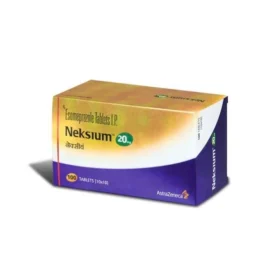 Neksium
Vragen & antwoorden
Neksium
Gerelateerde producten

Beoordelingen
Er zijn nog geen beoordelingen