







Riborea
✓ Medisch beoordeeld door Morgan Ellis — Apotheekonderzoeker · 8 jaar ervaring · Laatst beoordeeld: mei 2026
⚡ Kort antwoord — Wat is Riborea?
Riborea is een orale capsule van Intas Pharmaceuticals met hydroxyurea (hydroxycarbamide) 500 mg — een ribonucleotidereductaseremmer gebruikt bij chronische myeloïde leukemie, polycythaemia vera, essentiële trombocytemie en sikkelcelziekte, en verschillende solide tumoren (hoofd & hals, melanoom). Standaard dosering voor volwassenen varieert per indicatie: typisch 15–30 mg/kg/dag in hematologie; 20–35 mg/kg/dag bij sikkelcelanemie. Verplichte monitoring: volledig bloedbeeld elke 2 weken aanvankelijk, daarna maandelijks — titreer tot ANC > 2.000/µL en bloedplaatjes > 100.000/µL. Contra-indicatie bij zwangerschap; betrouwbare anticonceptie voor beide geslachten gedurende de behandeling. Langetermijnzorg: beenzweren (chronisch, pijnlijk), plaveiselcelcarcinoom van de huid, mogelijk secundaire leukemie (omstreden, vooral bij langdurige polycythaemia vera).
📦 Elke bestelling is gedekt door onze Reshipment Assurance-beleid — als uw pakket niet binnen 20 werkdagen arriveert, sturen wij het opnieuw.
Wat Is Riborea?
Riborea is een orale capsule van Intas Pharmaceuticals met hydroxyurea 500 mg (ook wel hydroxycarbamide genoemd). Hydroxyurea remt ribonucleotide reductase, waardoor DNA-synthese wordt geblokkeerd. Het is een van de meest gebruikte en langst gevestigde cytoreductieve middelen, met een 60-jarige klinische veiligheidsgeschiedenis bij hematologische maligniteiten, sikkelcelziekte en verschillende solide tumoren.
Toepassingen en Indicaties
- Chronische myeloïde leukemie — cytoreductie bij diagnose of als alternatief wanneer TKIs (imatinib etc.) niet kunnen worden gebruikt
- Polycythaemia vera — eerstelijns cytoreductie bij hoogrisicoziekte
- Essentiële trombocytemie — eerstelijns cytoreductie bij hoogrisicoziekte
- Myelofibrose (vroege fase) — symptoom- en waardenbeheer
- Sikkelcelziekte — vermindert de frequentie van vaso-occlusieve crises en acuut chest syndrome; verhoogt HbF
- Acute leukemie — spoedbehandeling bij leukocytose reductie (snelle cytoreductie vóór definitieve therapie)
- Plaveiselcelcarcinoom van hoofd en hals — in combinatie met radiotherapie (oudere behandelregimes)
- Melanoom, eierstokkanker (beperkt modern gebruik)
Dosering en wijze van inname
Dosering varieert per indicatie. Voorbeelden voor volwassenen:
- CML, ET, PV cytoreductie: start met 15 mg/kg/dag; titreer naar 15–30 mg/kg/dag op basis van bloedwaarden
- Sikkelcelziekte: start met 15 mg/kg/dag; verhoog met 5 mg/kg/dag elke 8 weken tot maximaal 35 mg/kg/dag of maximaal verdragen dosis
- Acute leukemie noodcytoreductie: 50–100 mg/kg/dag gedurende 1–2 dagen (specialist)
- Neem eenmaal of tweemaal daags in zoals voorgeschreven, met of zonder voedsel.
- Slik de capsules heel door. Open de capsules NIET — het poeder is cytotoxisch en schadelijk bij contact. Als een capsule niet kan worden doorgeslikt, kan de inhoud worden opgelost in water waarbij de verzorger handschoenen draagt en huid-/oogcontact vermijdt.
- Verplichte monitoring: Volledig bloedbeeld elke 2 weken aanvankelijk (of wekelijks tijdens titratie bij sikkelcelziekte), daarna maandelijks. U&E + leverfunctietesten elke 1–3 maanden. Reticulocytenaantal, HbF (sikkelcelziekte). MCV stijgt bij hydroxyureum (een nuttige marker voor therapietrouw).
- Dosering aanpassen op basis van bloedwaarden: stop bij ANC < 2.000/µL, bloedplaatjes < 80.000/µL of Hb < 4,5 g/dL. Hervat met lagere dosis zodra hersteld.
- Foliumzuur 5 mg per dag wordt vaak mee voorgeschreven (vooral bij hemoglobinopathie).
- Drink voldoende vocht om het risico op hyperurikemie en tumorlysesyndroom te verminderen.
Bijwerkingen
Vaak voorkomend: myelosuppressie (het gewenste effect bij therapeutische dosering), misselijkheid, anorexia, mucositis, milde diarree, huidhyperpigmentatie, nagelpigmentatie, haarverdunning.
Belangrijk:
- Beenulcera — chronisch, pijnlijk, traag genezend; treft ~5% van de langdurige gebruikers; kan dosisverlaging of stopzetting vereisen
- Plaveiselcelcarcinoom van de huid — langdurige gebruikers, vooral mensen met een lichte huid; jaarlijks dermatologisch onderzoek en strikt gebruik van zonnebrandmiddel
- Macrocytose (verhoogd MCV) — verwacht, een marker van therapietrouw, geen probleem
- Pulmonale fibrose (zeldzaam)
- Hyperurikemie, jicht
- Mogelijk secundaire leukemie bij langdurige polycythaemia vera (controversieel)
Waarschuwingen
- Zwangerschap: teratogeen. Sterke anticonceptie tijdens de behandeling EN gedurende 6 maanden na de laatste dosis, voor ZOWEL mannelijke als vrouwelijke patiënten.
- Borstvoeding: wordt uitgescheiden in moedermelk — vermijden.
- Nierfunctiestoornis: dosis aanpassen bij eGFR < 60 mL/min.
- Ernstige leverfunctiestoornis: voorzichtigheid geboden.
- Huidkankerscreening: jaarlijks dermatologisch onderzoek voor langdurige gebruikers; strikt dagelijks gebruik van zonnebrandmiddel.
- Vaccinaties: levende vaccins gecontra-indiceerd; geïnactiveerde vaccins veilig en aanbevolen.
- HIV-co-infectie: hydroxyurea + didanosine combinatie heeft fatale pancreatitis veroorzaakt — vermijden.
Geneesmiddelinteracties
| Combineren met | Effect | Wat te doen |
|---|---|---|
| Didanosine (HIV-antiretroviraal middel) | Fatale pancreatitis gemeld | Combinatie absoluut vermijden. |
| Andere myelosuppressieve geneesmiddelen (chemotherapie, immunosuppressiva) | Additieve beenmergonderdrukking | Specialistisch toezicht; nauwlettende bloedbeeldcontrole. |
| Levende vaccins | Risico op verspreide infectie | Gecontra-indiceerd. |
| Allopurinol of febuxostat | Nuttig voor hyperurikemie / jicht door celvernieuwing | Vaak gecombineerd voorgeschreven. |
Opslag
- Kamertemperatuur, 15–30°C, originele blister.
- Buiten bereik van kinderen, vrouwen in de vruchtbare leeftijd en huisdieren houden.
- Verzorgers die gebroken capsules hanteren, moeten handschoenen dragen — het poeder is cytotoxisch.
Gerelateerde alternatieven op MedsBase
Andere oncologische medicijnen die naast dit product wordt aangeboden:
Bekijk alle anti-kankermedicijnen →
Veelgestelde vragen
Hoe helpt Riborea bij sikkelcelziekte?
Hydroxyurea is het belangrijkste ziekte-modificerende medicijn voor sikkelcelziekte. Het verhoogt de foetale hemoglobine (HbF)-niveaus, wat voorkomt dat rode bloedcellen sikkelen. Effecten: ~50% reductie in vaso-occlusieve crises, minder ziekenhuisopnames, minder acute chest syndrome, lagere bloedtransfusiebehoefte, verbeterde overleving. De meeste patiënten ervaren klinisch voordeel na 8–12 weken van dosistitratie; volledig voordeel na 6–12 maanden. Wereldwijd ondergebruikt ondanks een sterke evidentiebasis — overleg met uw hematoloog als u sikkelcelziekte heeft en geen hydroxyurea heeft gekregen.
Welke bloedtesten heb ik nodig bij Riborea?
Verplicht: Volledig bloedbeeld elke 2 weken aanvankelijk (wekelijks tijdens sikkelcel-titratie), daarna maandelijks eenmaal stabiel. U&E + leverfunctietesten elke 1–3 maanden. Sikkelcelpatiënten ook: HbF-meting, reticulocytenaantal. Onderbreek of verlaag de dosis bij ANC < 2.000/µL, bloedplaatjes < 80.000/µL of Hb < 4,5 g/dL.
Waarom wordt Riborea geassocieerd met beenulcera?
Chronische, pijnlijke beenulcera komen voor bij ~5% van de langdurige hydroxyurea-gebruikers, voornamelijk rond de malleolus (enkel). Het mechanisme is onduidelijk (waarschijnlijk microvasculair). Ze genezen langzaam en kunnen dosisverlaging of stopzetting van hydroxyurea vereisen. Meld een beenulcus direct aan uw arts als u hydroxyurea gebruikt — stel dit niet uit.
Kan Riborea kanker veroorzaken?
Langdurig gebruik van hydroxyurea verhoogt licht het risico op plaveiselcelcarcinomen van de huid, vooral bij patiënten met een lichte huid. Jaarlijks volledig huidonderzoek door een dermatoloog, dagelijks breedspectrum SPF, zonvermijding. De historische bezorgdheid over secundaire leukemie bij polycythaemia vera het risico van langdurig gebruik van hydroxyurea wordt bediscussieerd — recente grootschalige gegevens suggereren dat het risico laag is en dat PV zelf een inherent risico op leukemische transformatie met zich meebrengt.
Kan ik zwanger worden tijdens het gebruik van Riborea?
Hydroxyurea is teratogeen. Betrouwbare anticonceptie is verplicht gedurende de behandeling EN ten minste 6 maanden na de laatste dosis, zowel voor mannelijke als vrouwelijke patiënten. Bespreek gezinsplanning met uw hematoloog voordat u begint. Bij sikkelcelanemie wordt hydroxyurea soms tijdelijk gestaakt tijdens een geplande zwangerschap onder nauwlettend toezicht.
Waarom stijgt mijn MCV bij gebruik van Riborea?
Macrocytose (verhoogd MCV) is een verwacht en nuttig effect — het geeft aan dat u het medicijn consistent inneemt. Artsen gebruiken MCV als een marker voor therapietrouw bij sikkelcelanemie. De stijging is goedaardig en niet geassocieerd met klinische problemen.
Mag ik een capsule openen als ik hem niet kan slikken?
Beter te vermijden — het poeder is cytotoxisch en schadelijk bij contact met huid, ogen en luchtwegen. Indien noodzakelijk moet de verzorger handschoenen dragen, in een geventileerde ruimte werken en de inhoud oplossen in een kleine hoeveelheid water voor directe inname door de patiënt. Was daarna handen en oppervlakken. Een gespecialiseerde apotheker kan een vloeibare suspensie bereiden als alternatief.
Kan ik Riborea gebruiken met hiv-antiretrovirale middelen?
De meeste ART is compatibel. De gevaarlijke combinatie is hydroxyurea + didanosine, wat fatale pancreatitis heeft veroorzaakt. Informeer elke voorschrijver over beide medicijnen en zorg dat didanosine niet in uw regime zit.
Waarom bestellen bij MedsBase
Elke batch wordt ingekocht bij een WHO-GMP gecertificeerde fabrikant. Bestellingen worden verzonden in eenvoudige, ongemarkeerde verpakkingen door onze logistieke partners en vallen onder onze Reshipment Assurance-beleid: als een pakket niet binnen 20 werkdagen arriveert, sturen wij kosteloos een nieuwe zending, zonder vragen te stellen.
Gerelateerde Antikankermedicijnen
Andere oncologische medicijnen die naast dit product wordt aangeboden:
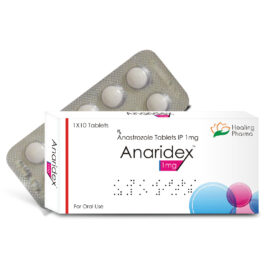
- Anaridex (anastrozol 1 mg)
- Xtane (exemestane 25 mg)
- Letroheal (letrozole 2,5 mg)
- Fempro (letrozole 2,5 mg)
- Tamilong (tamoxifen 10/20 mg)
Meer opties in antikankermedicatie
Gerangschikt op recente bestelvolumes van MedsBase — wat andere klanten in deze categorie kiezen.

| Sterkte | 500 mg |
|---|---|
| Hoeveelheid | 30 Tabletten, 60 Tabletten, 90 Tabletten, 180 Tabletten |
 Riborea
Vragen & antwoorden
Riborea
Gerelateerde producten



Beoordelingen
Er zijn nog geen beoordelingen