







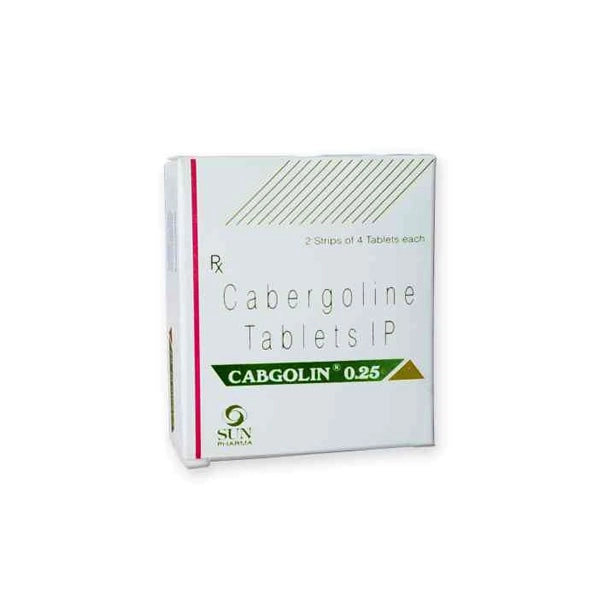
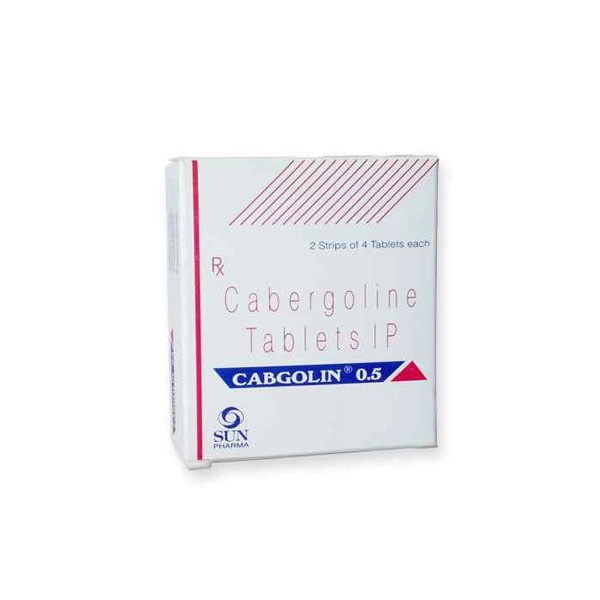
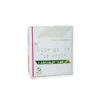
Cabgolin



✅ Normalizace hladiny prolaktinu
✅ Regulace menstruačního cyklu
✅ Podpora plodnosti
✅ Snížení tvorby mateřského mléka
Cabgolin obsahuje Kabergolin
✓ Lékařsky ověřeno Morgan Ellis — Pharmacy Researcher · 8 years experience Last reviewed: May 2026
⚡ Rychlá odpověď — Co je Cabgolin?
Cabgolin je perorální kabergolin tableta v 0,25 mg a 0,5 mg síle — dlouhodobě působící agonista dopaminového D₂ receptoru používaná k léčbě hyperprolaktinemie, prolaktin-sekreční adenomy hypofýzy (prolaktinomy), a pro potlačení laktace. Obvyklé dávkování je 0,25–1 mg dvakrát týdně. Kabergolin je ne hormonální substituční terapie — snižuje hladinu prolaktinu a obnovuje normální funkci gonadální osy. Klinicky ekvivalentní přípravku Pfizer Dostinex®.
📦 Každá objednávka je pokryta naší Zárukou opětovného odeslání — pokud vaše zásilka nedorazí do 20 pracovních dnů, přeposíláme ji.
Proč objednávat z MedsBase
Každá objednávka z MedsBase je odeslána od výrobce certifikovaného WHO-GMP v prostém, zcela diskrétním balení – nic zvenku neidentifikuje obsah ani lékárnu. Platby kartou probíhají přes regulovaný krypto-onramp; popis na výpisu z vašeho účtu je název procesoru (regulovaného zpracovatele plateb kartou) – nikdy “MedsBase” ani nic souvisejícího s lékárnou. Platby v kryptoměnách přes Plisio zůstávají plně anonymní. Každá zásilka je pokryta naším Zárukou opětovného odeslání.
Cabgolin je Sun Pharma kabergolin tableta — dlouhodobě působící selektivní agonista dopaminového receptoru D₂ odvozený od ergotových alkaloidů. Kabergolin je dostupný od roku 1993 a je nyní lékem první volby pro hyperprolaktinémii a prolaktinomy (nejčastější typ funkčního nádoru hypofýzy).
Cabgolin obsahuje stejnou účinnou látku ve stejných koncentracích jako originální přípravek od Pfizer Dostinex®. Jeho dlouhý plazmatický poločas (~65 hodin) umožňuje dávkování dvakrát týdně, což je mnohem pohodlnější než starší alternativa bromokriptin (podávaný denně nebo dvakrát denně).
Co je Cabgolin?
Cabgolin je předepisovaný agonista dopaminového receptoru D₂ indikovaný pro:
- Idiopatickou hyperprolaktinémii — zvýšenou hladinu prolaktinu bez zjištěné příčiny
- Mikroprolaktinom — hypofyzární adenomy <10 mm vylučující prolaktin
- Makroprolaktinom — hypofyzární adenomy ≥10 mm vylučující prolaktin (kabergolin tyto často zmenšuje, čímž se vyhne chirurgickému zákroku)
- Potlačení laktace — když je vyžadováno bezprostředně po porodu nebo pro ustálenou laktaci (jednorázová dávka 1 mg po porodu; 0,25 mg dvakrát denně po dobu 2 dnů, pokud je laktace ustálená)
- Parkinsonově chorobě — mimolabelové nebo historické použití; novější neergotní dopaminové agonisty jsou upřednostňovány
- Ženská neplodnost související s prolaktinem — obnovuje ovulační cykly
- Mužský hypogonadismus / erektilní dysfunkce způsobená hyperprolaktinémií
Jak Cabgolin funguje?
Prolaktin je uvolňován z předního laloku hypofýzy a je normálně udržován pod kontrolou dopaminem (také nazývaným prolaktin-inhibiční faktor), který putuje z hypotalamu:
- Cabergolin se váže na dopaminové D₂ receptory na laktotrofních buňkách hypofýzy
- Tento potlačuje syntézu a uvolňování prolaktinu, a u prolaktinomu také zmenšuje nádorové buňky
- Normální hladiny prolaktinu jsou obvykle obnoveny do 2–4 týdnů
- Jakmile se prolaktin normalizuje, následné účinky se vyřeší: návrat menstruace u žen, obnovení ovulace a plodnosti, obnovení libida a testosteronu u mužů a zastavení galaktorey
- Velmi dlouhý poločas cabergolinu (~65 hodin) umožňuje dávkování dvakrát týdně — významnou praktickou výhodu oproti bromokriptinu
Při potlačení laktace cabergolin rychle blokuje poporodní vzestup prolaktinu, takže napětí prsů a tvorba mléka jsou minimalizovány.
Dávkování a podávání Cabgolinu
| Indikace | Dávka | Dávkovací schéma |
|---|---|---|
| Hyperprolaktinémie (počáteční dávka) | 0,25 mg dvakrát týdně | např. v pondělí a ve čtvrtek, před spaním s jídlem |
| Hyperprolaktinémie (cíl) | 0,5–1 mg dvakrát týdně | Postupně zvyšovat v měsíčních intervalech podle hladiny prolaktinu |
| Makroprolaktinom (velký nádor) | 1–3 mg dvakrát týdně | Protokol s vyšší dávkou; pod dohledem endokrinologa |
| Prevence laktace (poporodní) | 1 mg (čtyři tablety po 0,25 mg) | Jednorázová dávka do 24 hodin po porodu |
| Potlačení již vzniklé laktace | 0,25 mg dvakrát denně | Po dobu 2 dnů (celkem 1 mg) |
| Parkinsonova choroba (historické údaje) | 2–6 mg jednou denně | Novější neergotní dopaminové agonisty jsou nyní preferovány |
| Starší pacienti | Začněte s 0,25 mg jednou týdně | Pomalejší titrace |
| Porucha funkce jater | Snižte dávku; pečlivě sledujte | Kabergolin je metabolizován v játrech |
| Maximální týdenní dávka | 3 mg | Vyšší dávky nesou riziko chlopenního srdečního onemocnění |
Jak správně užívat Cabgolin
- Tabletu spolkněte celou s vodou; užívejte s jídlem a před spaním pro minimalizaci nevolnosti a závratí
- Vyberte dva pevné dny v týdnu a dodržujte je (např. pondělí a čtvrtek)
- Sledujte hladiny prolaktinu za 4–6 týdnů po zahájení léčby a po každé změně dávkování
- Jakmile se hladina prolaktinu normalizuje a stabilizuje, pokračujte alespoň 2 roky před pokusem o postupnou redukci dávky pod dohledem endokrinologa
- Sledujte příznaky poruch impulzivní kontroly (gambling, hypersexualita, nutkavé nakupování, záchvatovité přejídání) – nahlaste jakékoli změny chování
- Echokardiografie se doporučuje na začátku léčby a pravidelně u pacientů užívajících vysoké dávky dlouhodobě (>2 mg týdně u prolaktinomu nebo jakákoli dávka u Parkinsonovy choroby)
- Nepřerušujte léčbu náhle u prolaktinomu – může dojít k opětovnému růstu tumoru
Vedlejší účinky Cabgolinu
| Závažnost | Vedlejší účinek |
|---|---|
| Běžné (≥1 z 10) | Nevolnost, bolest hlavy, závratě, únava, zácpa (obvykle ustoupí za 2–4 týdny) |
| Běžné (≥1 ze 100) | Ortostatická hypotenze (zejména po první dávce), bolesti břicha, změny nálady, návaly horka, bolest prsou, deprese |
| Méně časté | Palpitace, kožní vyrážka, parestezie, nespavost, periferní edém |
| Vzácné, ale závažné | Poruchy impulzivní kontroly (patologický gambling, hypersexualita, nutkavé nakupování), onemocnění chlopenního aparátu srdce (fibrózní změny — dávkově závislé, vzácné při dávkách <3 mg/týden), plicní nebo retroperitoneální fibróza (historická obava z dávek u Parkinsonovy choroby), jaterní dysfunkce |
Impulzivní chování je třídním účinkem dopaminových agonistů. Může se rozvíjet nenápadně — partneři a rodina často problém zaznamenají dříve než pacient. Jakékoli nové nutkavé nebo neobvyklé chování neprodleně nahlaste lékaři. Účinek vymizí po snížení dávky nebo vysazení léku.
Varování a opatření
- Onemocnění chlopenního aparátu srdce. Dlouhodobé podávání vysokých dávek kabergolinu (historicky u Parkinsonovy choroby v dávkách 3–6 mg/den) způsobovalo fibrózní změny srdečních chlopní. Při výrazně nižších dávkách u prolaktinomu (<3 mg/týden) je toto riziko velmi nízké, ale doporučuje se vstupní echokardiografické vyšetření a následně každých 1–2 roky při dlouhodobé léčbě.
- Poruchy impulzivní kontroly. Pacienti, partneři a rodinní příslušníci by měli být informováni; monitorování je nezbytné
- Hypotenze prvního podání. První dávku užijte doma, před spaním, s jídlem. Při první dávce se vyhněte alkoholu.
- Těhotenství. Vysaďte po potvrzení těhotenství — údaje o bezpečnosti pro plod jsou omezené, ale samotný lék není jednoznačně teratogenní. Obnovte léčbu, pokud dojde k růstu tumoru, a to pod odborným dohledem.
- Kojení. Kontraindikováno při kojení — kabergolin potlačuje laktaci a přechází do mateřského mléka.
- Psychiatrická anamnéza. Používejte opatrně u pacientů s těžkou depresí nebo psychózou — vzácně může vyvolat epizody poruch nálady
- Alkohol. Zvyšuje ortostatickou hypotenzi po první dávce; omezte v prvních týdnech léčby
- Renální/jaterní dysfunkce. Snižte dávku a monitorujte při významném poškození
Kontraindikace — Kdo by NEMĚL užívat Cabgolin
- Známá přecitlivělost na kabergolin, ergotové alkaloidy nebo jakoukoli pomocnou látku
- Nekontrolovaná hypertenze (>170/100 mmHg)
- Předexistující chlopenní srdeční onemocnění
- Anamnéza fibrózních poruch (plicních, retroperitoneálních, perikardiálních)
- Poporodní hypertenze nebo preeklampsie
- Těžké jaterní poškození
- Kojení (pokud není cílem potlačení laktace)
Interakce s léčivy
| Léčivo / Třída | Interakce |
|---|---|
| Dopaminergní antagonisté (antipsychotika, metoklopramid, prochlorperazin) | Přímo antagonizují kabergolin — snižují účinnost; zvolte alternativní antiemetikum |
| Makrolidová antibiotika (erytromycin, klarithromycin) | Může zvýšit hladinu kabergolinu v plazmě — používejte opatrně |
| Antihypertenziva | Aditivní hypotenze — monitorujte krevní tlak |
| Další deriváty ergotaminu | Nekombinujte |
| Alkohol | Zvyšuje závratě a hypotenzi |
Pokyny k uchovávání
- Skladujte při teplotě do 25 °C na suchém místě, chráněné před přímým slunečním zářením a vlhkostí
- Uchovávejte v původním blistrovém obalu
- Uchovávejte mimo dosah dětí
- Nepoužívejte po uplynutí data expirace
Související alternativy na MedsBase
- Ropark — ropinirol, neergotový dopaminový agonista pro Parkinsonovu chorobu a syndrom neklidných nohou
- Pramirol — pramipexol, další neergotový dopaminový agonista
- Prohlédněte si všechny léky pro zdraví žen →
Často kladené dotazy
K čemu se používá Cabgolin?
Cabgolin (cabergolin) se používá k léčbě hyperprolaktinémie, prolaktinomů (prolaktin-sekreční nádory hypofýzy) a k potlačení tvorby mateřského mléka. Obnovuje normální menstruační cyklus u žen, plodnost a hladinu testosteronu u mužů s hypogonadismem způsobeným prolaktinem a může zmenšit velké prolaktin-sekreční nádory hypofýzy.
Jak rychle Cabgolin účinkuje?
Hladiny prolaktinu obvykle klesnou do normálního rozmezí během 2–4 týdnů. Menstruační cyklus se obvykle obnoví do 6–12 týdnů a plodnost v podobném časovém rozmezí. Zmenšení nádoru (u makroprolaktinomů) je patrné na MRI již po 3–6 měsících.
Je Cabgolin to samé jako Dostinex?
Ano — oba přípravky obsahují kabergolin ve stejných dávkách. Cabgolin je značka společnosti Sun Pharma; Dostinex je značka Pfizer. Klinicky ekvivalentní.
Proč se Cabgolin podává pouze dvakrát týdně?
Kabergolin má velmi dlouhý poločas v plazmě (~65 hodin), proto dvakrát týdně udržuje dostatečné hladiny. To je jedna z jeho hlavních výhod oproti bromokriptinu, který se musí užívat denně nebo dvakrát denně.
Léčí Cabgolin prolaktinom?
Kabergolin obvykle supresivní léčba — normalizuje hladinu prolaktinu a zmenšuje nádor během užívání. Po 2 nebo více letech dobře kontrolovaného prolaktinu při stabilní dávce může postupné snižování dávky pod odborným dohledem někdy vést k trvalé remisi, zejména u menších nádorů.
Může mi Cabgolin pomoci otěhotnět?
Ano — pokud je vaše neplodnost způsobena hyperprolaktinémií, kabergolin obvykle obnovuje ovulační cykly. Mnoho žen otěhotní během několika měsíců po zahájení léčby. Jakmile je těhotenství potvrzeno, přestaňte užívat kabergolin, pokud vám endokrinolog nedoporučí jinak.
Mohu užívat Cabgolin při kojení?
Ne — kabergolin potlačuje laktaci. Je specificky určen k potlačení laktace a je kontraindikován při kojení.
Ovlivní Cabgolin mé chování?
Malý, ale významný podíl pacientů užívajících dopaminergní agonisty může vyvinout poruch impulzivní kontroly — patologické hráčství, hypersexualitu, nutkavé nakupování nebo záchvatové přejídání. Jakékoli nové nutkavé chování nahlaste svému lékaři. Tento účinek se zvrátí snížením dávky nebo ukončením léčby.
Potřebuji při užívání Cabgolinu echokardiografii?
Ano — před zahájením léčby se doporučuje základní echokardiogram a pravidelné sledování (každých 1–2 roky) pro každého, kdo dlouhodobě užívá kabergolin, aby se vyloučily vzácné fibrózní změny chlopní. Riziko je nízké při typických dávkách pro prolaktinom (<3 mg/týdně), ale monitorování zůstává standardní praxí.
Jak mám užívat Cabgolin, pokud vynechám dávku?
Pokud vynechaná dávka je do jednoho dne, užijte ji, jakmile si vzpomenete. Pokud je blízko další plánované dávky, vynechanou dávku vynechejte — neužívejte dvojnásobnou dávku. Občasné vynechání dávky významně neovlivní kontrolu prolaktinu vzhledem k dlouhému poločasu.
Mohu pít alkohol při užívání Cabgolinu?
Mírná konzumace alkoholu je obvykle tolerována po prvních několika týdnech. Na začátku léčby alkohol zesiluje závratě po první dávce a ortostatickou hypotenzi — omezte ho, dokud nezjistíte, jak lék snášíte.
Související alternativy
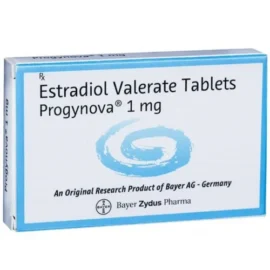
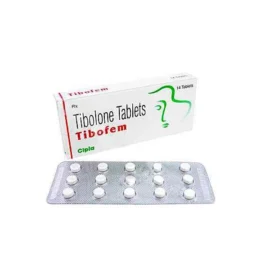
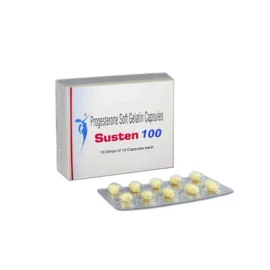
Další produkty v Zdraví žen které zákazníci také prohlížejí:
Více možností v hormonální substituční terapii (HRT) pro menopauzu
Řazeno podle nedávného objemu objednávek na MedsBase — co si ostatní zákazníci v této kategorii vybírají.

| Síla | 0,25 mg, 0,5 mg |
|---|---|
| Množství | 12 tablet, 24 tablet, 36 tablet |
| Léková forma | Tablet/s |
| Výrobce | Sun Pharma |
| Léčba | Zvýšené hladiny prolaktinu, Akromegalie |
| Generická značka | Cabergoline |
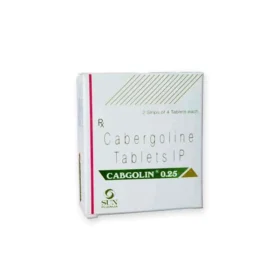 Cabgolin
Otázky a odpovědi
Cabgolin
Související produkty






Hodnocení
Zatím zde nejsou žádná hodnocení