







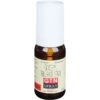
Maxiliv injekce
Maxiliv Injection (Glutathion 600 mg v jedné IV lahvičce) — antioxidační tripeptid pro chemoterapií indukovanou periferní neuropatii a oxidační stres jater. Podává se v nemocnici. Není určen pro kosmetické bělení pleti (FDA varování). Výrobce certifikovaný WHO-GMP.
✓ Lékařsky ověřeno Morgan Ellis — Pharmacy Researcher · 8 years experience Last reviewed: May 2026
⚡ Rychlá odpověď — Co je Maxiliv Injection?
Maxiliv injekce je redukovaný glutathion (GSH) 600 mg v lahvičce pro intravenózní podání — antioxidační tripeptid (glutamát-cystein-glycin) používaný v klinické praxi pro oxidační stres jater, cisplatinem nebo oxaliplatinem indukovanou periferní neuropatii a jako doplňková terapie při chemoterapii. Podává se intravenózně zdravotnickým pracovníkem. Glutathion je hlavní intracelulární antioxidant v těle, který neutralizuje reaktivní formy kyslíku a konjuguje reaktivní elektrofily pro renální/biliární exkreci.
📦 Každá objednávka je pokryta naší Zárukou opětovného odeslání — pokud vaše zásilka nedorazí do 20 pracovních dnů, přeposíláme ji.
Proč objednávat z MedsBase
Naše generické léky pocházejí od výrobců certifikovaných WHO-GMP a jsou expedovány po celém světě v diskrétním, nenápadném balení – na vnější straně balíku není uveden název léku. Platby kartou jsou směrovány prostřednictvím regulovaného procesoru (popisky na výpisu zahrnují regulovaného procesora plateb kartou – nikdy “MedsBase” nebo název léku). Přijímáme také kryptoměny a bankovní převody SEPA. Každá objednávka je zajištěna naší politikou přeposlání.
Proč objednávat z MedsBase
Maxiliv Injection je dodáván z výrobce certifikovaného WHO-GMP. Každá objednávka je diskrétně zasílána po celém světě a je pokryta naší Zárukou opětovného odeslání — pokud nedorazí do 20 pracovních dnů, provedeme opětovné odeslání bez nákladů. IV glutathion se používá jako podpůrná terapie v onkologii a hepatologii — nikoli jako kosmetický zákrok. Klinické dávky, frekvence a způsoby podání určuje ošetřující lékař.
Mechanismus účinku
Glutathion je thiolový tripeptid, který existuje v redukované (GSH) a oxidované (GSSG) formě; redukovaná forma daruje elektrony k neutralizaci peroxidu vodíku a lipidových peroxidů prostřednictvím glutathion peroxidázy a konjuguje reaktivní elektrofily pomocí glutathion-S-transferázy. Buněčný glutathion je vyčerpáván oxidačním stresem, předávkováním paracetamolem, alkoholem, stárnutím a několika chorobnými stavy. IV glutathion přechodně zvyšuje cirkulující hladiny; buněčný příjem neporušeného GSH je omezený, ale molekula je hydrolyzována a její složky (zejména cystein, limitující prekurzor) podporují intracelulární resyntézu.
Klinické indikace
- Periferní neuropatie vyvolaná cisplatinou a oxaliplatinou (studie Schmitt 2009 — zachovaná senzorická nervová funkce v sériových studiích nervového vedení)
- Oxidační stres jater při chronické hepatitidě, ztučnění jater, po anestezii, po chemoterapii
- Akutní toxicita paracetamolu (N-acetylcystein je standardní antidotum, které doplňuje intracelulární GSH; IV GSH je doplňkové)
- Některé výzkumné protokoly u Parkinsonovy choroby (mimo schválené indikace, nízká úroveň důkazů)
- Přídatná léčba idiopatické plicní fibrózy (nízká úroveň důkazů)
Dávkování (stanoveno lékařem)
Neuropatie vyvolaná cisplatinou: 1,5–2,4 g i.v. před každým cyklem chemoterapie. Jaterní podpora: 600 mg–1,2 g jednou denně nebo obden. Vždy pomalá i.v. injekce nebo krátká infuze ve vhodném ředidle (obvykle 5% glukóza nebo fyziologický roztok; ověřte kompatibilitu dle místního protokolu).
Vedlejší účinky
- Reakce v místě vpichu, mírné žilní podráždění
- Sirnatá chuť/zápach během infuze
- Přecitlivělost (vzácně; alergie na thioly, spouštěče astmatu)
- Stevens-Johnsonův syndrom/TEN (vzácné, ale hlášené, zejména při častém nekontrolovaném kosmetickém dávkování)
- Porucha funkce štítné žlázy při chronickém vysokém dávkování (varování FDA pro kosmetické použití)
- Porucha funkce ledvin (vzácně)
Upozornění
- Těžké astma (riziko exacerbace sulfity/thioly)
- Aktivní malignita – rozhodnutí onkologického specialisty (obava, že antioxidační terapie může snížit cytotoxicitu chemo, vyváženo neuroprotektivním benefitem)
- Těhotenství a kojení – nedostatečné údaje, vyvarujte se, pokud není klinický benefit jasný
- Porucha funkce ledvin – snížit dávku
Často kladené dotazy
Mohu dostávat i.v. glutathion na zesvětlení pleti?
Ne – toto není uznávaná lékařská indikace. FDA vydala specifická varování proti nekontrolovanému i.v. podávání glutathionu pro kosmetické účely kvůli hlášeným závažným nežádoucím účinkům.
Chrání skutečně před neuropatií vyvolanou chemoterapií?
Schmitt 2009 (Italská multicentrická kooperativní skupina) prokázal snížení senzorické neuropatie u pacientů s kolorektálním karcinomem léčených cisplatínou po předchozí léčbě intravenózním glutathionem. Následné studie ukázaly různé účinky. Zůstává možností v podpůrné onkologické péči, ale není všeobecně přijímán.
Jak se podává?
Zdravotnickým pracovníkem intravenózně po rekonstituci kompatibilním ředidlem. Samopodání je nebezpečné a nedoporučuje se.
Existují perorální alternativy?
Liposomální perorální glutathion má omezenou absorpci. N-acetylcystein (NAC) 600–1200 mg/den je biologicky dostupnější prekurzor cysteinu a standardní perorální metoda pro zvýšení intracelulárního glutathionu.
Je bezpečný v těhotenství?
Nedostatečné údaje – vyhněte se, pokud to klinická situace výrazně neodůvodňuje. NAC má delší bezpečnostní profil v těhotenství.
Můžu ho užívat s chemoterapií?
Pouze pod dohledem onkologa. Interakce mezi antioxidační suplementací a účinností chemoterapie je předmětem diskuse; klinická rozhodnutí musí být učiněna v rámci multidisciplinárního týmu.
Proč to páchne po síře?
Glutathion obsahuje sulfhydrylovou (-SH) skupinu. Pach během infuze je neškodný a během několika minut zmizí.
Jak často bych ho měl/a dostávat?
Určuje ošetřující lékař. Časté podávání (více než jednou týdně) není podloženo klinickými důkazy a zvyšuje riziko nežádoucích účinků.
Skladování
Pod 25°C, chránit před světlem. Zrekonstituovaný roztok zlikvidujte, pokud není použit v rámci stabilního okna podle místního protokolu (obvykle 2–4 hodiny).
Co když vynechám dávku?
Proberte s ošetřujícím lékařem. Nespoléhejte na samopodání nebo nehlídané infuze.
Další léky na zažívací potíže
- Udimax 300 — UDCA (cholestatické jaterní onemocnění)
- Liv 52 DS — Ájurvédský hepatoprotektivní přípravek
- Mucinac — N-acetylcystein (orální prekurzor cysteinu)
- Folvite — Kyselina listová
- Gasex — Ájurvédský trávicí prostředek
- Prohlédnout všechny léky na zažívací potíže
Více možností v Gastro zdraví
Řazeno podle nedávného objemu objednávek na MedsBase — co si ostatní zákazníci v této kategorii vybírají.


| Síla | 600 mg |
|---|---|
| Množství | 1 lahvička, 2 lahvičky, 3 lahvičky, 6 lahviček |
 Maxiliv injekce
Otázky a odpovědi
Maxiliv injekce
Související produkty

Hodnocení
Zatím zde nejsou žádná hodnocení