







Silectone
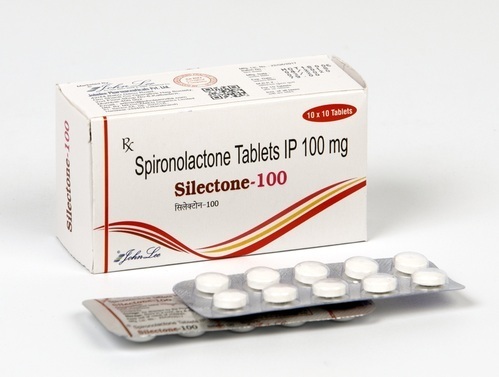
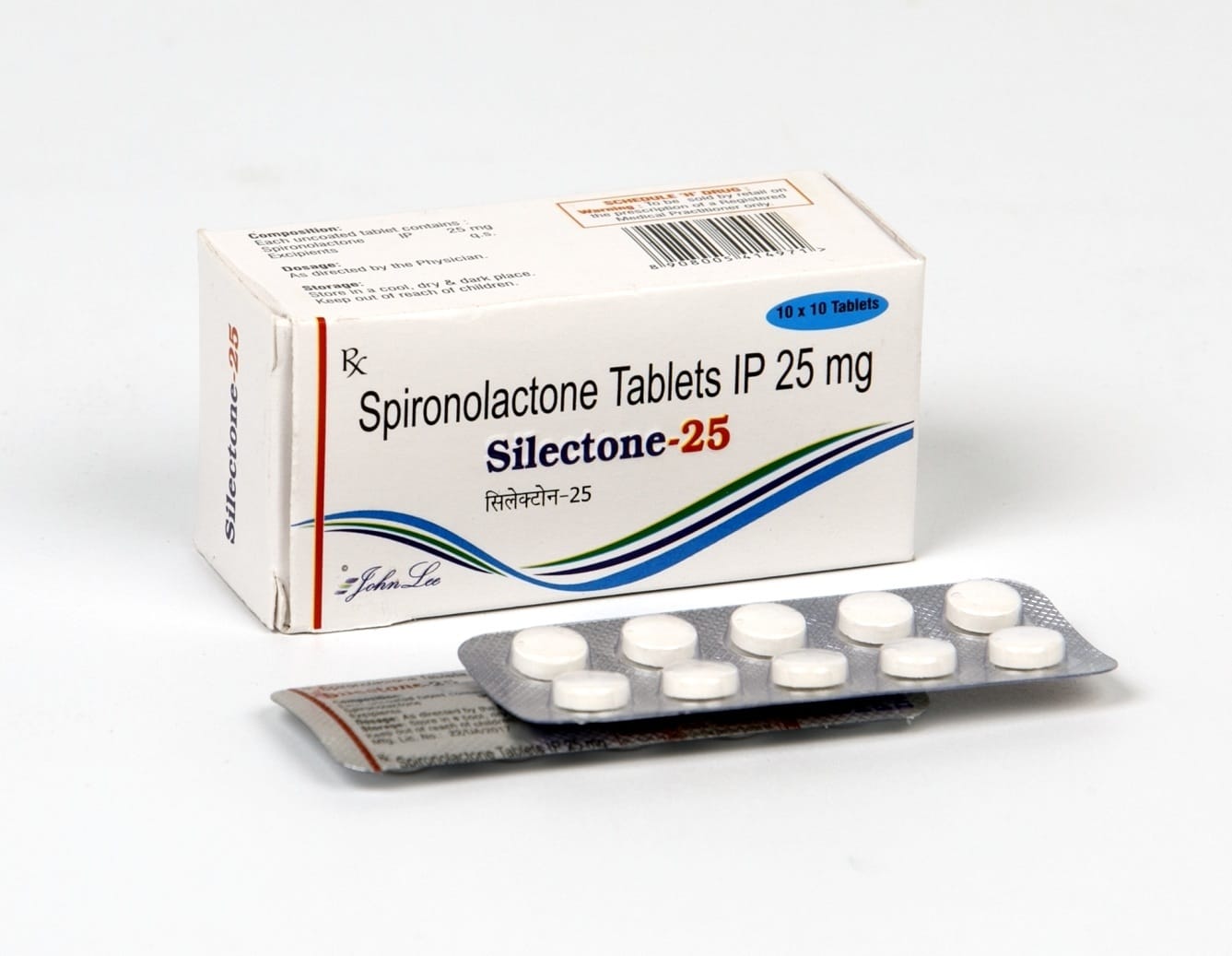
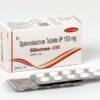
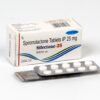
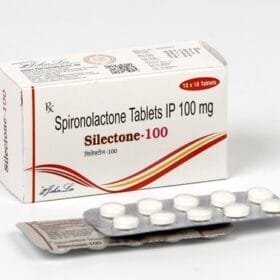
Το Silectone είναι τα δισκία σπιρονολακτόνης 25/50 mg της Sun Pharma — ανταγωνιστής των υποδοχέων των μερικοστεροειδών. Τυπικές δόσεις για καρδιακή ανεπάρκεια (12,5-25 mg, στόχος 25-50 mg σύμφωνα με το RALES), ανθεκτική υπέρταση (25-50 mg σύμφωνα με το PATHWAY-2), κιρρωτική ασκίτη (50-400 mg) και ΣΚΠΥ/υπερτριχωσιμότητα (50-200 mg). Διουρητικό που διατηρεί το κάλιο με καθυστερημένη έναρξη δράσης (24-72 ώρες μέσω του ενεργού μεταβολίτη κανρενονίου). Παρακολουθήστε το κάλιο προσεκτικά.
✓ Ιατρικά ελεγμένο από Morgan Ellis — Ερευνητής Φαρμακευτικής · 8 χρόνια εμπειρία · Τελευταία αναθεώρηση: Μάιος 2026
⚡ Γρήγορη απάντηση — Τι είναι το Silectone;
Silectone είναι Δισκίο σπιρονολακτόνης 25 / 50 mg από τη Sun Pharma — ένα ανταγωνιστής μινεραλοκορτικοειδών υποδοχέων (ανταγωνιστής αλδοστερόνης) που δρα στον μινεραλοκορτικοειδής υποδοχέας (MR) στα κύρια κύτταρα του φλοιού της συλλεκτικής σωλήνας. Η σπιρονολακτόνη εισήχθη από την G.D. Searle το 1959 — σχεδιασμένη ως συνθετικό στεροειδές για να ανταγωνιστεί την επίδραση της αλδοστερόνης στον διασταλτικό σωληνίσκο για τη διατήρηση νατρίου και την έκκριση καλίου. Ο πρώτος ανταγωνιστής MR· παραμένει το αναφορικό παράγοντα παρά τη διαθεσιμότητα της πιο επιλεκτικής επλερενόνης. Ημιζωή 1,4 ώρες (γονέας)· 16-24 ώρες (ενεργοί μεταβολίτες καρενόνη και 7-α-θειομεθυλοσπιρολακτόνη)· έναρξη 24-48 ώρες (χρειάζεται χρόνος για να εκδηλωθεί ο ανταγωνισμός των υποδοχέων σε επίπεδο ιστού)· μέγιστη επίδραση 2-3 ημέρες· διάρκεια 2-3 ημέρες μετά τη διακοπή. Κύρια ενδείξεις: καρδιακή ανεπάρκεια με μειωμένο κλάσμα εξώθησης (HF-REF), πρωτογενής αλδοστερονισμός, ανθεκτική υπέρταση, κιρρωτική ασκίτης, συμπληρωματική θεραπεία για τριχωτότητα και PCOS. Τυπική δοσολογία: Ανθεκτική υπέρταση (πίεση αίματος μη ελεγχόμενη με ACEi/ARB + CCB + θειαζίδη): 25-50 mg μία φορά την ημέρα — αποδεικτικά στοιχεία PATHWAY-2. Η σπιρονολακτόνη νικά τη βισοπρολόλη και τη δοξαζοσίνης ως το τέταρτο φάρμακο στην ανθεκτική υπέρταση. Δεν είναι πρώτης γραμμής αντιυπερτασικό. Πρωτοπαθής αλδοστερονισμός (σύνδρομο Conn): 50-400 mg/ημέρα έως ότου κανονιστούν το κάλιο και η αρτηριακή πίεση, στη συνέχεια συντήρηση 25-100 mg. Βασικές αντενδείξεις: δείτε την πλήρη λίστα παρακάτω. Παρακολούθηση ηλεκτρολυτών, κρεατινίνης και γλυκόζης. Μην συνδυάζετε με λίθιο (τα θειαζίδια/διουρητικά βρόχου μπορούν να προκαλέσουν τοξικότητα λιθίου). Η χρήση κατά την εγκυμοσύνη εξετάζεται ανά περίπτωση (βλ. σημείωση εγκυμοσύνης). Για τους περισσότερους υπερτασικούς ασθενείς, τα διουρητικά λειτουργούν καλύτερα ως το δεύτερο ή τρίτο φάρμακο — συνήθως συνδυάζονται με ARB, αναστολέα ACE ή αναστολέα διαύλων ασβεστίου παρά να χρησιμοποιούνται μόνα.
📦 Κάθε παραγγελία καλύπτεται από την Πολιτική Εγγύησης Επαναποστολής — εάν το δέμα σας δεν φτάσει εντός 20 εργάσιμων ημερών, το επαναποστέλλουμε.
Γιατί να παραγγείλετε από τη MedsBase
Τα γενόσημα φάρμακά μας προέρχονται από κατασκευαστές που πιστοποιούνται από την WHO-GMP και αποστέλλονται παγκοσμίως σε διακριτική, απλή συσκευασία — χωρίς όνομα φαρμάκου στο εξωτερικό του δέματος. Οι πληρωμές με κάρτα δρομολογούνται μέσω ρυθμισμένου επεξεργαστή (οι περιγραφές εκκαθάρισης περιλαμβάνουν ρυθμισμένο επεξεργαστή πληρωμών με κάρτα — ποτέ “MedsBase” ή οποιοδήποτε όνομα φαρμάκου). Γίνονται δεκτές και πληρωμές με κρυπτονομίσματα και τραπεζική μεταφορά SEPA. Κάθε παραγγελία καλύπτεται από την Πολιτική Επαναποστολής Εξασφαλίσεώς μας.
Τι Είναι το Silectone;
Το Silectone είναι ένα δισκίο σπιρονολακτόνης 25 / 50 mg για από του στόματος από τη Sun Pharma, διαθέσιμο σε συσκευασίες 30-180 δισκίων. Η σπιρονολακτόνη εισήχθη από την G.D. Searle το 1959 — σχεδιασμένη ως συνθετικό στεροειδές για να ανταγωνίζεται την επίδραση της αλδοστερόνης στον διασταλτικό σωληνίσκιο ως προς τη διατήρηση νατρίου και την έκκριση καλίου. Ο πρώτος ανταγωνιστής των υποδοχέων των μερικοστεροειδών· παραμένει το πιο αναφερόμενο παράγοντα παρά τη διαθεσιμότητα της πιο επιλεκτικής επλερενόνης.
Πώς λειτουργεί η σπιρονολακτόνη
Η σπιρονολακτόνη αναστέλλει την μινεραλοκορτικοειδής υποδοχέας (MR) στα κύρια κύτταρα του φλοιού της συλλεκτικής σωλήνας. Οι επακόλουθες επιπτώσεις:
- Αναστέλλει την αλδοστερόνη στον ορμονικό υποδοχέα μεσολαβητών στις κύριες κυτταρικές μονάδες του φλοιού του συλλέκτη σωλήνα
- Μειωμένη επαναρρόφηση νατρίου, μειωμένη έκκριση καλίου — ήπια νατριούρηση με διατήρηση καλίου (καλιοφυγή)
- Αντιϊνωτική και αντιμεταρρυθμιστική επίδραση στο μυοκάρδιο — η αλδοστερόνη προκαλεί ίνωση της καρδιάς ανεξάρτητα από την επίδρασή της στη διατήρηση αλατιού· ο αποκλεισμός του υποδοχέα μειώνει την ίνωση. Αυτός είναι ο κύριος μηχανισμός της μείωσης της θνησιμότητας στην HF-REF (RALES).
- Αντι-ανδρογόνη δράση — η διασταυρούμενη δραστικότητα με τους υποδοχείς ανδρογόνων και προγεστερόνης προκαλεί γυναικομαστία και ανωμαλίες στην εμμηνορροϊκή ως παρενέργειες της κλάσης· η ίδια δραστικότητα εξηγεί τη χρήση της εκτός ετικέτας στην υπεροχή τριχόπτωσης και στο PCOS.
- Καθυστερημένη έναρξη/διακοπή (24-72 ώρες σε κάθε κατεύθυνση) — φαρμακολογία υποδοχέα συν ενεργά μεταβολίτες με μακρά διάρκεια δράσης (κανρενόνη)
- Αποτελεσματικό στην ανθεκτική υπέρταση (PATHWAY-2) — δρα στον υποπληθυσμό υπερτονικών με κρυφή υπερβολή αλδοστερόνης
Εγκεκριμένες και Βασισμένες σε Αποδείξεις Χρήσεις
- Καρδιακή ανεπάρκεια με μειωμένο κλάσμα εκβολής (HF-REF), πρωτοπαθής αλδοστερονισμός, ανθεκτική υπέρταση, κιρρωτική ασκίτη, συμπληρωματική θεραπεία για υπεροχή τριχόπτωσης και PCOS — κύρια ενδείξει
- Καρδιακή ανεπάρκεια με μειωμένο κλάσμα εκβολής (EF ≤35%) — στοιχεία από τη μελέτη RALES, 25-50 mg ημερησίως
- Πρωτοπαθής αλδοστερονισμός (σύνδρομο Conn) — οριστική φαρμακευτική θεραπεία για διμερή υπερπλασία επινεφριδίων· γέφυρα θεραπείας για μονόπλευρο αδένωμα πριν από τη χειρουργική επέμβαση
- Ανθεκτική υπέρταση — στοιχεία από τη μελέτη PATHWAY-2· παράγοντας τέταρτης γραμμής μετά από ACEi/ARB + CCB + θειαζίδη
- Κιρρωτική ασκίτης — διουρητικό πρώτης γραμμής στην κίρρωση (προστίθενται διουρητικά βρόχου εάν η απόκριση είναι ανεπαρκής)
- Υπεροχή τριχόπτωσης, ακμή σχετιζόμενη με PCOS, γυναικεία αλωπεκία — εκτός ετικέτας αντι-ανδρογόνη θεραπεία
- Μετά έμφραγμα με δυσλειτουργία αριστερής κοιλίας — προτιμάται η επλερενόνη (συγκεκριμένα για τη δοκιμή EPHESUS)
Κυρίαρχες κλινικές δοκιμές: RALES (1999) — σημαντική δοκιμή της σπιρονολακτόνης 25-50 mg σε σοβαρή HF-REF· 30% μείωση της θνησιμότητας από όλες τις αιτίες. Καθιέρωσε την ανταγωνιστική δράση της αλδοστερόνης ως τυπική θεραπεία για HF-REF. EPHESUS και EMPHASIS-HF επεκτάθηκε στην επλερενόνη. PATHWAY-2 (2015) — η σπιρονολακτόνη 25-50 mg ήταν το πιο αποτελεσματικό τέταρτο φάρμακο για ανθεκτική υπέρταση σε σύγκριση με τη μπισοπρολόλη ή τη δοξαζοσίνη. TOPCAT — μέτριο όφελος στην καρδιακή ανεπάρκεια με διατηρημένο κλάσμα εξώθησης (HF-PEF)· το σήμα ήταν ισχυρότερο στον αμερικανικό κλάδο παρά στον ρωσικό (αμφιλεγόμενο).
Δόση Silectone
Καρδιακή δοσολογία: Ανθεκτική υπέρταση (πίεση αίματος μη ελεγχόμενη με ACEi/ARB + CCB + θειαζίδη): 25-50 mg μία φορά την ημέρα — αποδεικτικά στοιχεία PATHWAY-2. Η σπιρονολακτόνη νικά τη βισοπρολόλη και τη δοξαζοσίνης ως το τέταρτο φάρμακο στην ανθεκτική υπέρταση. Δεν είναι πρώτης γραμμής αντιυπερτασικό. Πρωτοπαθής αλδοστερονισμός (σύνδρομο Conn): 50-400 mg/ημέρα έως την ομαλοποίηση του καλίου και της αρτηριακής πίεσης, στη συνέχεια συντήρηση 25-100 mg.
Άλλες ενδείξεις: Καρδιακή ανεπάρκεια με μειωμένο κλάσμα εξώθησης (EF ≤35%): 12,5-25 mg μία φορά την ημέρα· στόχος 25-50 mg εάν ανεκτό (δοκιμή RALES). Κιρρωτική ασκίτης: 50-400 mg/ημέρα, συνήθως με φουροσεμίδη 20-160 mg (αναλογία 1:2,5)· στόχος απώλειας βάρους 0,5 kg/ημέρα. Υπερτρίχωση / Σύνδρομο πολυκυστικών ωοθηκών / ακμή (γυναίκες ασθενείς): 50-200 mg/ημέρα — καταστέλλει την ανδρογόνο-εξαρτώμενη τριχοφυΐα και την ακμή σε διάστημα 3-6 μηνών (εκτός ετικέτας αλλά καλά τεκμηριωμένο).
Χορήγηση: μία φορά την ημέρα (ή δύο φορές την ημέρα για υψηλές δόσεις θηλακικών διουρητικών σε καρδιακή ανεπάρκεια), το πρωί. Η χορήγηση το βράδυ προκαλεί νυκτουρία και θα πρέπει να αποφεύγεται όταν είναι δυνατόν. Λήψη την ίδια ώρα κάθε μέρα. Η τροφή δεν επηρεάζει σημαντικά την απορρόφηση για κανένα από αυτά τα διουρητικά.
Πρόγραμμα παρακολούθησης:
- Βασική αξιολόγηση: ουρία, ηλεκτρολύτες (ειδικά κάλιο και νάτριο), κρεατινίνη, eGFR, γλυκόζη, ουρικό οξύ ορού. Οικιακή ή κλινική πίεση και καθημερινό βάρος για ασθενείς με καρδιακή ανεπάρκεια.
- 1-2 εβδομάδες μετά την έναρξη ή αλλαγή δόσης: επαναλαμβανόμενη U&E και κρεατινίνη. Αναμένεται ήπια μεταβολή των ηλεκτρολυτών· διερεύνηση σημαντικών αλλαγών.
- 4-6 εβδομάδες: αξιολόγηση πίεσης και πλήρης μεταβολικό προφίλ.
- Συνεχής παρακολούθηση: ετήσια U&E, ουρικό οξύ, γλυκόζη και λιπιδαίο προφίλ μόλις σταθεροποιηθεί. Πιο συχνά σε χρόνια νεφρική νόσο, καρδιακή ανεπάρκεια ή σε συνδυασμένη θεραπεία.
- Διακοπή ή μείωση δόσης σε περίπτωση: νάτριο 5,5, αύξηση κρεατινίνης >30%, νεαρή ουρική αρθρίτιδα, σοβαρά συμπτώματα αφυδάτωσης.
Διακοπή: δεν υπάρχει σύνδρομο στέρησης αλλά η απότομη διακοπή μπορεί να προκαλέσει ανάκαμψη όγκου σε ασθενείς με χρόνια καρδιακή ανεπάρκεια σε χρόνια υψηλή δόση θηλακικών διουρητικών — σταδιακή μείωση όπου είναι δυνατόν και παρακολούθηση βάρους.
- Μη εκλεκτική δραστηριότητα στεροειδών υποδοχέων προκαλεί γυναικομαστία (5-10%), μασταλγία και ανωμαλίες εμμηνορροϊκής λειτουργίας μέσω επίδρασης σε ανδρογόνους και προγεστερόνης υποδοχείς. Η επλερενόνη είναι εκλεκτική για MR και αποφεύγει αυτά· αλλάξτε σε αυτήν εάν αναπτυχθεί γυναικομαστία.
- Καθυστερημένη έναρξη δράσης: η επίδραση εμφανίζεται σε 2-3 ημέρες και διαρκεί 2-3 ημέρες να εξαφανιστεί· οι προσαρμογές δόσης θα πρέπει να λαμβάνουν υπόψη αυτήν την υστέρηση.
- Η υπερκαλιαιμία είναι η δοσο-περιοριστική τοξικότητα, ειδικά όταν συνδυάζεται με ACEi/ARB (πρότυπο στην καρδιακή ανεπάρκεια και υπέρταση). Παρακολουθήστε τα επίπεδα καλίου και κρεατινίνης στην αρχή, μετά από 1 εβδομάδα, 1 μήνα και κάθε 3-4 μήνες.
- Ζητήματα αντισύλληψης: η σπιρονολακτόνη είναι τερατογόνος (θηλυκοποίηση αρσενικού εμβρύου) — γυναίκες που λαμβάνουν σπιρονολακτόνη για ακμή/υπερτρίχωση πρέπει να χρησιμοποιούν αξιόπιστη αντισύλληψη.
Παρενέργειες
Συχνά (>1%):
- Υπερκαλιαιμία — δοσο-περιοριστική· σοβαρή σε χρόνια νεφρική νόσο ή με συνδυασμούς ACEi/ARB
- Γυναικομαστία και μασταλγία σε άνδρες (5-10% σε δόσεις 25-50 mg· έως 50% σε υψηλές δόσεις >150 mg)
- Ανωμαλίες εμμηνορροϊκής κυκλοφορίας σε γυναίκες
- Ενεργητική δυσλειτουργία και μειωμένη λίμπιντο σε κάποιους άνδρες
- Ήπια γαστρεντερική δυσφορία
- Μεταβολική οξέωση (μειωμένη έκκριση H+ στα μακρινά σωληνάρια) — συνήθως ήπια
- Σύνδρομο Stevens-Johnson — σπάνια αλλεργική αντίδραση
- Αύξηση κρεατινίνης — μέτρια αύξηση (10-20%) αναμένεται στην έναρξη· διερευνήστε αν >30%
Σπάνια αλλά κλινικά σημαντικά:
- Σοβαρή υπονατριαιμία — ιδιαίτερα σε ηλικιωμένους με δίαιτα χαμηλής αλατότητας, καταστάσεις με τάση για SIADH ή σε συνδυασμό με SSRIs. Μπορεί να εκδηλωθεί ως σύγχυση, πτώσεις ή σπασμοί.
- Παγκρεατίτιδα — σπάνια επίδραση κλάσης θειαζιδικών/βρόγχων· διακοπή άμεσα σε περίπτωση άνω κοιλιακού πόνου με αύξηση λιπάσης
- Θρομβοκυτταροπενία, λευκοπενία, αγκρανουλοκυττάρωση — σπάνιες υπερευαισθησικές αντιδράσεις (πιο συχνές με θειαζίδια παρά με βρόγχους)
- Οξεία μυωπία και γλαύκωμα κλειστής γωνίας — σπάνια αντίδραση κλάσης σουλφοναμιδών εντός ωρών ή ημερών από την έναρξη· διακοπή άμεσα σε περίπτωση ξαφνικού οφθαλμικού πόνου ή αλλαγής όρασης
- Σύνδρομο Stevens-Johnson / τοξική επιδερμική νεκρόλυση — εξαιρετικά σπάνιο αλλά έχει αναφερθεί
- Σοβαρή υπερκαλιαιμία με καρδιακή αρρυθμία — πιο συχνή σε χρόνια νεφρική νόσο ή με συνδυασμό ACEi/ARB
Αντενδείξεις
- Υπερκαλιαιμία >5,5 mmol/L κατά τη βασική αξιολόγηση — ελέγξτε πριν από την έναρξη
- Σοβαρή νεφρική δυσλειτουργία (eGFR <30) — απαράδεκτος κίνδυνος υπερκαλιαιμίας
- Νόσος του Addison (πρωτογενής επινεφριδιακή ανεπάρκεια)
- Εγκυμοσύνη — τερατογόνο (η αντι-ανδρογόνος δράση θηλυκόπoιεί τα αρσενικά έμβρυα)
- Ταυτόχρονα συμπληρώματα καλίου — μην συνδυάζετε χωρίς παρακολούθηση
- Ταυτόχρονη χρήση άλλων διουρητικών που εξοικονομούν κάλιο (αμιλορίδη, τριαμτερένη, επλερενόνη)
- Ανουρία
Εγκυμοσύνη: απολύτως αντενδεικνύονται — η αντι-ανδρογόνος δραστηριότητα προκαλεί θηλυκόπoίηση αρσενικών εμβρύων.
Θηλασμός: γενικά αποδεκτές σε χαμηλές δόσεις· οι υψηλές δόσεις μπορούν να καταστείλουν τη γαλουχία (ειδικά οι θειαζίδες). Προτιμώνται εναλλακτικά αντιυπερτασικά (προπρανόλολ, νιφεδιπίνη) όταν είναι δυνατόν.
Αλληλεπιδράσεις Φαρμάκων
- Λίθιο — ΚΡΙΣΙΜΗ ΑΛΛΗΛΕΠΙΔΡΑΣΗ. Η σπιρονολακτόνη έχει μέτρια επίδραση στην εκκαθάριση του λιθίου σε σύγκριση με τις θειαζίδες και τους θηκούς, αλλά παρακολουθήστε τα επίπεδα εάν ο συνδυασμός είναι αναπόφευκτος.
- Μη στεροειδή αντιφλεγμονώδη φάρμακα (NSAIDs) — μειώνουν τη διουρητική επίδραση (μέσω αναστολής προσταγλανδινών) και αυξάνουν σημαντικά τον κίνδυνο οξείας νεφρικής βλάβης όταν συνδυάζονται με ACEi/ARB (το “τριπλό χτύπημα”). Χρησιμοποιείτε προτιμησιακά παρακεταμόλη για χρόνιο πόνο.
- Αναστολείς ACE και ARBs — πρόσθετος κίνδυνος υπερκαλιαιμίας — παρακολουθήστε το κάλιο στενά, ειδικά σε ΧΑΝ. Στάνταρτ στην ΚΑΣ-ΑΠ (ACEi/ARB + σπιρονολακτόνη) με προσεκτική παρακολούθηση· επικίνδυνο σε ασθενείς με βασικό K >5,0 ή eGFR <30.
- Προσθήκες καλίου και διουρητικά που εξοικονομούν κάλιο — μην συνδυάζετε· πρόσθετος κίνδυνος υπερκαλιαιμίας.
- Ντιγκοξίνη — η υποκαλιαιμία ενισχύει την τοξικότητα διγοξίνης (διουρητικά βρόγχου και θειαζίδες)· η σπιρονολακτόνη μειώνει άμεσα την κάθαρση διγοξίνης. Παρακολουθήστε τα επίπεδα διγοξίνης και καλίου κατά την έναρξη ή αλλαγή διουρητικού.
- Στοματικοί κορτικοστεροειδείς, αμφοτερικίνη Β, διεγερτικά καθαρτικά — πρόσθετη υποκαλιαιμία (διουρητικά βρόγχου/θειαζίδες) ή κρυμμένη ανάγκη για κάλιο (σπιρονολακτόνη).
- Στοματικά αντιδιαβητικά φάρμακα, ινσουλίνη — οι θειαζίδες και (λιγότερο) τα διουρητικά βρόγχου επιδεινώνουν την ανοχή στη γλυκόζη· μπορεί να απαιτούνται προσαρμογές δόσης.
- Χοληστυραμίνη / κολεστιπόλη — μειώνει την απορρόφηση των θειαζιδικών και των θηλυκωδών διουρητικών κατά 40-85%. Χωρίστε τη δόση κάθε 4 ώρες.
- Ισχυροί αναστολείς CYP3A4 (κλαριθρομυκίνη, ριτοναβίρ, ιτρακοναζόλη) — αυξάνουν τα επίπεδα του μεταβολίτη καρενόνης· αυξάνουν τον κίνδυνο υπερκαλιαμίας.
- Αλκοόλ — πρόσθετη ορθοστατική υπόταση.
Πού ταιριάζει το Silectone στην κατηγορία των διουρητικών
| Κατηγορία | Εκπρόσωποι | Τυπική χρήση |
|---|---|---|
| Θειαζίδιο | HCTZ, χλορθαλιδόνη | Πρώτη γραμμή για υπέρταση, πέτρες νεφρών, νεφρογενή ΔΙ |
| Θειαζιδικό | Ινδαπαμίδη, μετολαζόνη | Υπέρταση (ηλικιωμένοι, στοιχεία HYVET), διαδοχική νεφρική αποκλεισμός |
| Βρόγχος (βραχύβιος) | Φουροσεμίδη, βουμετανίδη | Οξύ πνευμονικό οίδημα, καρδιακή ανεπάρκεια, ασκίτης, υπερκαλιαιμία |
| Βρόγχος (μακρόβιος) | Τορασεμίδη | Χρόνια καρδιακή ανεπάρκεια, υπέρταση (μόνο βρόγχος με στοιχεία υπέρτασης), νεφρική ανεπάρκεια με οίδημα |
| Ανταγωνιστής αλδοστερόνης | Σπιρονολακτόνη, επλερενόνη | Καρδιακή ανεπάρκεια με μειωμένο κλάσμα εξώσεως (RALES), ανθεκτική υπέρταση (PATHWAY-2), σύνδρομο Conn, κιρρωτικός ασκίτης |
| Άλλα διατηρούντα κάλιο | Αμιλορίδη, τριαμτερένη (συνήθως σε συνδυασμούς) | Πρόληψη υποκαλιαιμίας όταν προστίθεται σε βρόγχο/θειαζίδιο |
| Ανθρακική ανυδράση | Ακεταζολαμίδη | Υψοφοβία, γλαύκωμα, μεταβολική αλκάλωση |
Αποθήκευση
Φυλάξτε το Silectone κάτω από 25°C στην αρχική του συσκευασία. Κρατήστε το μακριά από παιδιά.
Συχνές Ερωτήσεις
Πότε πρέπει να παίρνω το Silectone — το πρωί ή το βράδυ;
Πρωί σχεδόν σε όλες τις περιπτώσεις. Το διουρητικό αποτέλεσμα προκαλεί αυξημένη παραγωγή ούρων για 2-8 ώρες μετά τη λήψη. Η λήψη το βράδυ προκαλεί νυκτουρία και διαταράσσει τον ύπνο. Οι ασθενείς που λαμβάνουν διουρητικά βρόχου δύο φορές την ημέρα συνήθως τα παίρνουν στο πρωινό και το πρώτο απόγευμα (όχι πριν τον ύπνο).
Είναι το Silectone φάρμακο πρώτης γραμμής για την πίεση του αίματος;
Όχι — η σπιρονολακτόνη είναι αντιυπερτασικό φάρμακο τέταρτης γραμμής. Είναι η προτιμώμενη προσθήκη όταν η αρτηριακή πίεση παραμένει ανεξέλεγκτη σε συνδυασμό τριών φαρμάκων ACE αναστολέα/ARB + αναστολέα διαύλων ασβεστίου + θειαζίδης (αποδεικτικά στοιχεία από τη δοκιμή PATHWAY-2). Έχει επίσης συγκεκριμένους ρόλους πρώτης γραμμής σε πρωτοπαθής αλδοστερονισμός, καρδιακή ανεπάρκεια με μειωμένο κλάσμα εκροής, και κυρωτική ασκίτη.
Θα επηρεάσει το Silectone το κάλιό μου;
Ναι — η σπιρονολακτόνη αυξάνει κάλιο (είναι κάλιο-διατηρητικό). Η υπερκαλιαιμία (>5,5 mmol/L) είναι η κύρια ανησυχία για την ασφάλεια, ειδικά όταν συνδυάζεται με αναστολείς ACE ή ARBs (που είναι ο συνήθης συνδυασμός για καρδιακή ανεπάρκεια). Ελέγξτε το βασικό επίπεδο καλίου πριν από την έναρξη, στη συνέχεια σε 1 εβδομάδα, 1 μήνα και κάθε 3-4 μήνες μετά. Διακόψτε το Silectone αν το κάλιο ανέβει πάνω από 5,5 και διερευνήστε.
Έχω ουρική αρθρίτιδα — μπορώ να πάρω Silectone;
Ναι — η σπιρονολακτόνη είναι ουδέτερη ως προς τα ουρικά ή ελαφρώς τα μειώνει και δεν προκαλεί ουρική αρθρίτιδα. Είναι μια λογική επιλογή διουρητικού σε ασθενείς με ουρική αρθρίτιδα.
Έχω διαβήτη — είναι το Silectone ασφαλές;
Ναι. Η σπιρονολακτόνη είναι μεταβολικά ουδέτερη ως προς τη γλυκόζη και τα λιπίδια. Έχει συγκεκριμένα στοιχεία σε ασθενείς με καρδιακή ανεπάρκεια και διαβήτη (ο πληθυσμός του RALES περιλάμβανε 26% διαβητικούς) και δεν επιδεινώνει τον έλεγχο του διαβήτη.
Μπορώ να πάρω ιβουπροφαίνη μαζί με το Silectone;
Η περιστασιακή βραχυπρόθεσμη χρήση είναι συνήθως εντάξει. Η χρόνια ημερήσια χρήση NSAIDs (ιβουπροφαίνη, διχλοφαινάκη, ναπροξένη) μειώνει το διουρητικό και αντιυπερτασικό αποτέλεσμα του Silectone (αποκλεισμός προσταγλανδινών) και αυξάνουν σημαντικά τον κίνδυνο οξείας νεφρικής βλάβης όταν συνδυάζονται με αναστολέα ACE ή ARB — το “τριπλό χτύπημα”. Χρησιμοποιήστε παρακεταμόλη προτιμότερα για χρόνιο πόνο.
Θα ουρώ περισσότερο τη νύχτα;
Συνήθως όχι, αν παίρνετε το Silectone το πρωί. Το διουρητικό αποτέλεσμα κορυφώνεται 2-8 ώρες μετά τη λήψη και έχει κυρίως εξασθενήσει μέχρι το βράδυ. Η νυκτουρία είναι μια κοινή παράπονο όταν οι ασθενείς αλλάζουν σε βραδινή λήψη· επιστρέψτε στην πρωινή λήψη και η νυκτουρία επιλύεται εντός 1-3 ημερών.
Μπορώ να πάρω Silectone κατά τη διάρκεια της εγκυμοσύνης;
Όχι — απολύτως αντενδεικνύεται. Η αντι-ανδρογόνη δράση της σπιρονολακτόνης προκαλεί θηλυκοποίηση αρσενικών εμβρύων. Οι γυναίκες σε αναπαραγωγική ηλικία που λαμβάνουν σπιρονολακτόνη (για οποιονδήποτε λόγο, συμπεριλαμβανομένης της ακμής και της τριχοφυΐας) πρέπει να χρησιμοποιούν αξιόπιστη αντισύλληψη. Για γυναίκες που σχεδιάζουν εγκυμοσύνη, αλλάξτε σε εναλλακτική πριν από τη σύλληψη.
Τι γίνεται αν χάσω μια δόση;
Πάρτε το μόλις το θυμηθείτε, εκτός αν είναι σχεδόν ώρα για την επόμενη δόση σας — σε αυτή την περίπτωση παραλείψτε τη χαμένη δόση. Μην πάρετε διπλή δόση. Μία μόνο χαμένη δόση δεν επηρεάζει σημαντικά τον μακροπρόθεσμο έλεγχο της πίεσης ή των υγρών.
Πού μπορώ να αγοράσω Silectone online;
Μπορείτε να αγοράσετε το Silectone (25 / 50 mg σπιρονολακτόνη, 30-180 δισκία) από το MedsBase με διακριτική συσκευασία και παγκόσμια αποστολή.
Σχετικά Αντιυπερτασικά & Διουρητικά στο MedsBase
- Aquazide — Υδροχλωροθειαζίδη (HCTZ) θειαζίδιο
- Dytor — Τορασεμίδη (βρόγχος, πιο προβλέψιμη βιοδιαθεσιμότητα)
- Lasix — Furosemide 40 mg (loop)
- Losar — Λοσαρτάνη (ARB συνεργάτης για διουρητικό)
- Natrilix SR — Ινδαπαμίδη 1.5 mg SR (θειαζιδικό)
- Ramcor — Ραμιπρίλη (ACEi συνεργάτης για διουρητικό)
- Περιήγηση σε όλα τα Φάρμακα για Υψηλή Πίεση Αίματος
Σχετικές Εναλλακτικές
Άλλα προϊόντα σε Χρόνιες Παθήσεις που οι πελάτες εξετάζουν επίσης:
Περισσότερες επιλογές σε φάρμακα για υψηλή πίεση αίματος
Ταξινομημένα σύμφωνα με τον όγκο παραγγελιών στο MedsBase — τι επιλέγουν άλλοι πελάτες σε αυτήν την κατηγορία.
| Ισχύς | 25 mg, 100 mg |
|---|---|
| Ποσότητα | 30 δισκία, 60 δισκία, 90 δισκία, 180 δισκία |
 Silectone
Ερωτήσεις & Απαντήσεις
Silectone
Σχετικά προϊόντα


Κριτικές
Δεν υπάρχουν ακόμη κριτικές