







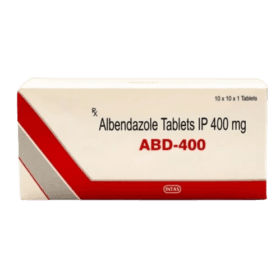
ABD 400 (Albendazole)
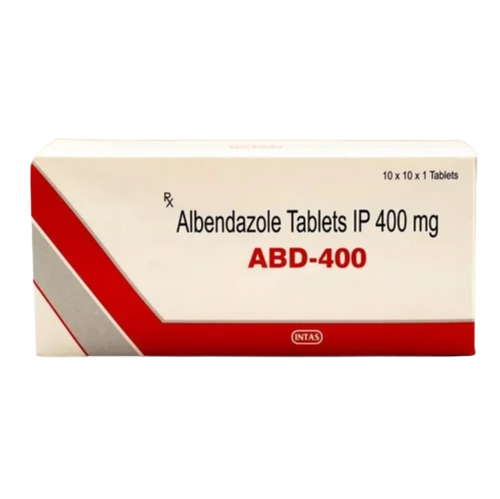
ABD 400 (albendazol 400 mg) — breedspectrum benzimidazol-anthelminticum voor aarsmade, spoelworm, haakworm, zweepworm en weefselstadium hydatide ziekte. Enkele dosis therapie voor volwassenen van een WHO-GMP gecertificeerde fabrikant.
✓ Medisch beoordeeld door Morgan Ellis — Apotheekonderzoeker · 8 jaar ervaring · Laatst beoordeeld: mei 2026
⚡ Snel Antwoord — Wat is ABD 400?
ABD 400 is een albendazol 400 mg oraal tablet — een breedspectrum antiparasiticum werkzaam tegen spoelworm, aarsmade, haakworm, zweepworm, lintworm, hydatidose en neurocysticercose. Standaard dosering voor volwassenen is een enkele tablet van 400 mg voor de meeste darmwormen, na 2 weken te herhalen. Voor hydatidose en neurocysticercose zijn langere kuren nodig. Inname bij een vette maaltijd — absorptie neemt 5-voudig toe.
📦 Elke bestelling is gedekt door onze Reshipment Assurance-beleid — als uw pakket niet binnen 20 werkdagen arriveert, sturen wij het opnieuw.
Waarom bestellen bij MedsBase
Onze generieke medicijnen zijn afkomstig van WHO-GMP gecertificeerde fabrikanten en worden wereldwijd verzonden in discrete, eenvoudige verpakkingen — geen medicijnnaam op de buitenkant van het pakket. Betalingen met kaart worden verwerkt via een gereguleerde processor (betalingsoverzichten vermelden een gereguleerde kaartbetalingprocessor — nooit “MedsBase” of een medicijnnaam). Crypto en SEPA bankoverschrijvingen worden ook geaccepteerd. Elke bestelling wordt ondersteund door ons Reshipment Assurance Policy.
ABD 400 is een Zydus albendazol 400 mg oraal tablet — een hoeksteen antiparasitair medicijn voor darmwormen en geselecteerde weefselcystinfecties. Albendazol is een benzimidazol antihelminthicum met een van de breedste spectra in zijn klasse, effectief tegen volwassen wormen, larven en in verschillende gevallen ook het eistadium.
ABD 400 staat op de WHO Model-lijst van essentiële geneesmiddelen en vormt de ruggengraat van de meeste wereldwijde ontwormingscampagnes, inclusief schoolgebaseerde massale medicatietoedieningsprogramma's die de prevalentie van door de bodem overgedragen helminthen bij kinderen in Azië, Afrika en Latijns-Amerika hebben verminderd.
Wat Is ABD 400?
ABD 400 is een voorschriftplichtig benzimidazol antihelminthicum middel met activiteit tegen de organismen die de meeste menselijke worminfecties veroorzaken:
- Nematoden (rondwormen): Ascaris lumbricoides, Enterobius vermicularis (aarsmade), Trichuris trichiura (zweepworm), Ancylostoma duodenale en Necator americanus (haakwormen), Strongyloides stercoralis
- Cestoden (lintwormen): Taenia solium, Taenia saginata, en weefselcysten bij neurocysticercose en hydatidose (Echinococcus)
- Protozoa: enige werkzaamheid tegen Giardia en Microsporidia
ABD 400 is niet significant werkzaam tegen trematoden (zuigwormen) — praziquantel heeft de voorkeur voor schistosomiasis en de meeste zuigworminfecties.
Voor schurft, hoofdluis, strongyloidiasis en onchocerciasis, ivermectin is de eerste keuze. Zie onze uitgebreide vergelijkende gids: Ivermectine versus Albendazol: Welke te kiezen?
Hoe werkt ABD 400?
Albendazol oefent een selectief, goed gekarakteriseerd anti-parasitair effect uit:
- Na absorptie wordt het snel in de lever omgezet naar zijn actieve metaboliet albendazolsulfoxide
- De sulfoxide bindt aan de parasiet β-tubuline, wat de polymerisatie van microtubuli remt
- Zonder functionele microtubuli kan de parasiet zijn glucoseopname of cellulaire structuur niet behouden — wormcellen raken verstoken van ATP en sterven
- Mammaliaanse β-tubuline heeft een andere bindingsplaats, daarom is albendazol veilig voor mensen bij standaarddoseringen
- Orale absorptie is slecht op een lege maag (<5%) maar neemt toe 5-voudig met een vette maaltijd — cruciaal voor weefselinfecties (hydatidose, neurocysticercose)
De plasmahalfwaardetijd van albendazolsulfoxide is 8–12 uur. Voor darmwormen is meestal een enkele dosis voldoende; voor weefselinfecties zijn kuuren van weken tot maanden nodig.
Toepassingen en Indicaties
- Ascariasis (spoelworm) — enkele dosis van 400 mg, >95% genezing
- Enterobiasis (aarsmade) — enkele dosis, herhaal na 2 weken; behandel alle huisgenoten
- Haakworm (Ancylostoma, Necator) — enkele dosis; 3-daagse kuur bij zware besmetting
- Trichuriasis (zweepworm) — 400 mg dagelijks gedurende 3 dagen geeft een hogere genezingskans dan een enkele dosis
- Strongyloidiasis — albendazole werkt, maar ivermectin wordt voorkeur gegeven als eerstelijnsbehandeling
- Taeniasis (lintworm) — 400 mg per dag gedurende 3 dagen
- Neurocysticercose (hersencysten veroorzaakt door T. solium) — 15 mg/kg/dag in verdeelde doses gedurende 8–30 dagen met corticosteroïdenbehandeling
- Hydatidose (E. granulosus) — 400 mg tweemaal daags gedurende 28-daagse kuren, vaak meerdere cycli
- Giardiasis — alternatief voor metronidazol of tinidazol
- Massa-medicatieprogramma's — jaarlijkse of halfjaarlijkse eenmalige ontworming in endemische regio's
ABD 400 Dosering en toediening
| Indicatie | Dosering voor volwassenen | Schema |
|---|---|---|
| Ascariasis, haakworm, aarsmade | 400 mg | Eenmalige dosis; herhaal na 2 weken voor aarsmade om eirecycling te dekken |
| Zweepworm (trichuriasis) | 400 mg | Eenmaal daags gedurende 3 dagen |
| Lintworm (Taenia) | 400 mg | Eenmaal daags gedurende 3 dagen |
| Strongyloidiasis | 400 mg | Tweemaal daags gedurende 7 dagen (ivermectine is de voorkeursbehandeling) |
| Hydatidose | 400 mg | Tweemaal daags gedurende 28 dagen; meestal 3 cycli met pauzes van 14 dagen |
| Neurocysticercose | 15 mg/kg/dag | Verdeeld over elke 12 uur gedurende 8–30 dagen; met steroïden en anticonvulsiva |
| Giardiasis | 400 mg | Eenmaal daags gedurende 5 dagen |
| Kinderen ≥2 jaar (darmwormen) | 400 mg | Hetzelfde als voor volwassenen — dosis voor massa-medicatietoediening bij schoolgaande kinderen |
| Kinderen van 1–2 jaar | 200 mg | Een halve tablet voor aarsmade / spoelworm |
| Leverfunctiestoornis | Voorzichtigheid geboden; monitor leverfunctietesten | Albendazol en zijn metaboliet hopen zich op |
Hoe ABD 400 op de juiste manier in te nemen
- Slik de tablet heel door met water
- Innemen met een vette maaltijd — de opname van albendazol stijgt 5-voudig met vet, wat vooral belangrijk is voor hydatidose en neurocysticercose
- Voor aarsmade, behandel het hele huishouden tegelijkertijd en herhaal de dosis na 2 weken — anders is herbesmetting door eicelrecycling vrijwel gegarandeerd
- Was beddengoed, kleding en handdoeken in heet water; houd nagels kort; handhygiëne na toiletbezoek en voor de maaltijd
- Voor langdurige therapie (hydatidose, neurocysticercose), monitor leverfunctie en bloedbeeld maandelijks — reversibele hepatotoxiciteit en beenmergdepressie kunnen optreden
- Kinderen met aarsmaden kunnen herhaalde behandelingen nodig hebben omdat aarsmaden-eieren tot 2-3 weken in beddengoed en tapijten kunnen overleven; grondig schoonmaken verkleint het risico op herbesmetting
Bijwerkingen van ABD 400
Eenmalige doses of korte kuren met ABD 400 worden over het algemeen goed verdragen. Langere behandelingen (hydatidose, neurocysticercose) brengen hogere risico's met zich mee.
| Ernst | Bijwerking |
|---|---|
| Vaak (≥1 op de 100) — korte kuren | Lichte misselijkheid, buikklachten, hoofdpijn, duizeligheid, tijdelijke stijging van leverenzymen |
| Vaak bij langdurige behandelingen (weken-maanden) | Duidelijker verhoogde leverenzymwaarden, licht omkeerbaar haarverlies, leukopenie |
| Minder vaak | Huiduitslag, jeuk, braken, koorts |
| Specifiek voor neurocysticercose | Ontstekingsreactie bij afsterven van cystes — verergering van hoofdpijn, toevallen, focale neurologische symptomen. Altijd combineren met corticosteroïden onder specialistisch toezicht |
| Zeldzaam maar ernstig | Ernstige hepatitis, beenmergdepressie (pancytopenie, agranulocytose), syndroom van Stevens-Johnson |
Zoek onmiddellijk medische hulp bij geelverkleuring van ogen of huid, ernstige buikpijn, onverklaarbare blauwe plekken, ongebruikelijke bloedingen, ernstige uitgebreide huiduitslag of nieuwe neurologische symptomen tijdens behandeling van neurocysticercose.
Waarschuwingen en voorzorgsmaatregelen
- Zwangerschap. Albendazol is teratogeen in dierstudies. Vermijd tijdens het eerste trimester van de zwangerschap. De WHO beschouwt eenmalige behandeling voor door de grond overgedragen worminfecties vanaf het tweede trimester acceptabel in endemische gebieden
- Preconceptioneel. Vrouwen in de vruchtbare leeftijd moeten een negatieve zwangerschapstest hebben voordat ze met langdurige behandelingen (hydatidose, neurocysticercose) beginnen en effectieve anticonceptie gebruiken tijdens de behandeling en tot 1 maand erna
- Borstvoeding. Kleine hoeveelheden komen in de moedermelk terecht; een eenmalige behandeling wordt als aanvaardbaar beschouwd. Vermijd waar mogelijk langdurige behandelingen tijdens het geven van borstvoeding
- Monitoring bij langdurige behandeling. Maandelijks volledig bloedbeeld en leverfunctietesten tijdens de behandeling van hydatidose of neurocysticercose
- Neurocysticercose. Start nooit zonder steroïdencover — stervende cysten veroorzaken cerebraal oedeem en kunnen aanvallen of obstructieve hydrocefalie uitlokken. Start onder specialistisch toezicht in het ziekenhuis
- Leverfunctiestoornis. Voorzichtig gebruiken; overweeg dosisverlaging en monitor leverfunctietesten
- Kinderen jonger dan 1 jaar. Beperkte veiligheidsgegevens — alleen gebruiken als duidelijk nodig
Contra-indicaties — Wie ABD 400 NIET moet innemen
- Bekende overgevoeligheid voor albendazol of een benzimidazol
- Eerste trimester van de zwangerschap
- Ernstige leverfunctiestoornis (relatief)
- Reeds bestaande beenmergonderdrukking voor langdurige therapie
Geneesmiddelinteracties
| Geneesmiddel / Klasse | Interactie |
|---|---|
| Dexamethason, prednisolon | Wordt vaak samen voorgeschreven bij neurocysticercose — verhoogt albendazolsulfoxidegehalte met ~50%, klinisch gunstig |
| Praziquantel | Verhoogt albendazolsulfoxidegehalte; wordt vaak samen voorgeschreven bij gemengde infecties |
| Cimetidine | Verhoogt albendazolgehalte — soms bewust gebruikt om de penetratie in hydatide cysten te versterken |
| Fenytoïne, carbamazepine, fenobarbital | Induceren CYP-metabolisme — verlaagt albendazolgehalte en kan de werkzaamheid bij neurocysticercose verminderen (waar deze anticonvulsiva vaak worden gebruikt) |
| Ritonavir | Verhoogt albendazolgehalte — over het algemeen klinisch beheersbaar |
| Ivermectine | Geen farmacokinetische bezwaren — wordt vaak gecombineerd voor lymfatische filariasis en brede ontworming (zie Bandy-Plus) |
| Grapefruitsap | Kan albendazolsulfoxidegehalten licht verhogen — vermijd grote inname bij langdurige therapie |
Vertel uw arts over alle voorgeschreven en niet-voorgeschreven medicijnen, inclusief kruidensupplementen, voordat u met ABD 400 begint.
Wat te doen bij overdosering
Een acute overdosis veroorzaakt meestal alleen maag-darmklachten. Er is geen specifiek tegengif. De behandeling is ondersteunend. Neem contact op met uw plaatselijke vergiftigingencentrum bij grote inname of accidentele overdosis bij kinderen.
Bewaaradvies
- Bewaren onder 30 °C op een droge plaats, uit direct zonlicht
- Bewaren in de originele blisterverpakking
- Buiten bereik van kinderen houden
- Niet gebruiken na de vervaldatum die op de verpakking staat vermeld
- Ongebruikte tabletten inleveren bij een apotheek met innameprogramma, indien beschikbaar
Gerelateerde alternatieven op MedsBase
Op zoek naar gerelateerde antiparasitaire opties?
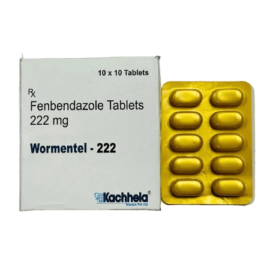
- Wormentel — alternatief albendazolmerk
- Bandy-Plus — albendazol + ivermectine combinatie voor breedspectrum ontworming
- Mebex — mebendazol, een verwant benzimidazolalternatief
- Ivermectol — ivermectine, voorkeursbehandeling voor schurft en strongyloidiasis
- Iverjohn — alternatief ivermectinemerk
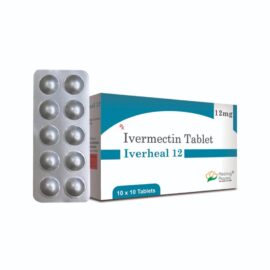
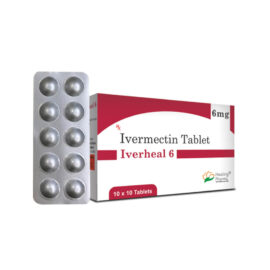
- Iverheal — Healing Pharma ivermectine
- Gids: Ivermectine vs Albendazol — welke te kiezen
- Bekijk alle behandelingen voor parasitaire infecties →
Veelgestelde vragen
Waar wordt ABD 400 voor gebruikt?
ABD 400 is een albendazol 400 mg tablet gebruikt voor spoelworm, aarsmade, haakworm, zweepworm, lintworm, hydatidose, neurocysticercose en giardiasis. Het is een van de meest voorgeschreven antiparasitica wereldwijd.
Hoe moet ik ABD 400 innemen?
Slik de tablet in zijn geheel in met een vette maaltijd — dit verhoogt de opname met 5 keer. Voor aarsmaden herhaal de dosis na 2 weken en behandel alle huisgenoten gelijktijdig.
Albendazol of ivermectine — welke moet ik gebruiken?
Albendazole is de eerste keuze voor darmwormen (spoelworm, aarsmade, haakworm, zweepworm), lintworm, hydatidose en neurocysticercose. Ivermectine is de eerste keuze voor schurft, strongyloidiasis, rivierblindheid en hoofdluis. Voor een volledige vergelijking zie onze Ivermectine versus Albendazol gids.
Hoe snel werkt ABD 400?
Voor darmwormen verbeteren de symptomen meestal binnen 24–72 uur. Voor weefselstadia (hydatidose, neurocysticercose) duurt verbetering weken tot maanden en wordt gevolgd via beeldvorming, niet via symptomen.
Waarom heb ik na 2 weken een tweede dosis nodig voor aarsmaden?
Aarsmadeieren kunnen 2–3 weken in de omgeving overleven. De eerste dosis doodt de volwassen wormen, maar elimineert mogelijk niet de larven die uit al gelegde eieren komen. Een tweede dosis na 2 weken pakt de volgende generatie voordat ze nieuwe eieren kunnen leggen.
Moet ik mijn hele gezin behandelen?
Ja voor aarsmaden — overdracht binnen huishoudens is efficiënt. Iedereen in huis moet op dezelfde dag worden behandeld en de herhalingsdosis moet bij allen tegelijk na 2 weken worden gegeven. Was beddengoed, handdoeken en kleding op de behandelingsdag.
Is ABD 400 veilig tijdens de zwangerschap?
Vermijd in het eerste trimester vanwege teratogeen potentieel in dierstudies. Eenmalige behandeling in het tweede en derde trimester wordt in endemische regio's volgens WHO-richtlijnen als acceptabel beschouwd. Gebruik anticonceptie tijdens langdurige therapie en tot 1 maand erna.
Kan ik ABD 400 aan kinderen geven?
Ja — de dosis van 400 mg is standaard voor schoolgaande kinderen in massa-medicatieprogramma's. Voor kinderen van 1–2 jaar, halveer de dosis (200 mg). Onder de 1 jaar, gebruik alleen indien duidelijk nodig onder pediatrische begeleiding.
Wat als mijn symptomen niet verdwijnen?
Aanhoudende symptomen na een enkele dosis kunnen betekenen: (a) verkeerde diagnose (geen worm), (b) een worm die niet wordt bestreden door albendazol (schistosoma — gebruik praziquantel), (c) herbesmetting door onbehandelde contacten of omgeving, (d) zware besmetting die een 3-daagse kuur vereist. Overleg met uw arts.
Behandelt ABD 400 schurft?
Nee — schurft wordt veroorzaakt door een ectoparasiet (mijt) en wordt behandeld met orale ivermectin of plaatselijke permethrin. Albendazol heeft geen effectieve werking tegen schurft.
Mag ik alcohol drinken bij ABD 400?
Matige alcoholinname bij korte kuren is meestal geen probleem. Vermijd alcohol tijdens langere kuren (hydatidose, neurocysticercose) vanwege het verhoogde risico op leverschade.
Voor gebruikers die protocollen volgen waarbij ivermectine specifiek wordt gecombineerd met fenbendazol in plaats van albendazol, bieden wij Ivermectine & Fenbendazol Combinatiepakket deze twee moleculen aan in een gecombineerd pakket tegen een voordelige prijs.
Gerelateerde alternatieven
Andere producten in Algemene gezondheid die klanten ook bekijken:
Meer opties in behandeling van aarsmaden
Gerangschikt op recente bestelvolumes van MedsBase — wat andere klanten in deze categorie kiezen.
| Sterkte | 400 mg |
|---|---|
| Hoeveelheid | 30 Tabletten, 60 Tabletten, 90 Tabletten, 180 Tabletten |
 ABD 400 (Albendazole)
Vragen & antwoorden
ABD 400 (Albendazole)
Gerelateerde producten



Beoordelingen
Er zijn nog geen beoordelingen