







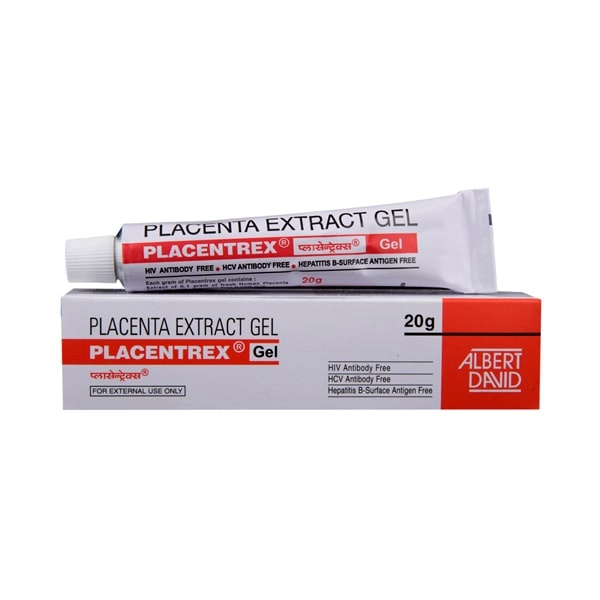
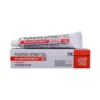
Placentrex Gel
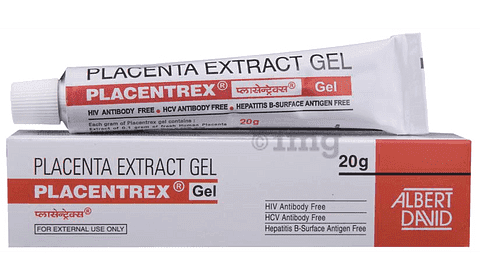
✅ Bevordert wondgenezing
✅ Vermindert huidontsteking
✅ Verbetert huidregeneratie
✅ Behandelt huidaandoeningen
✅ Anti-aging eigenschappen
✓ Medisch beoordeeld door Morgan Ellis — Apotheekonderzoeker · 8 jaar ervaring · Laatst beoordeeld: mei 2026
⚡ Snelle vraag — Wat is Placentrex Gel?
Placentrex Gel bevat 0.25% vers placenta-extract als een topische gel van Albert David Ltd — een biologisch wondgenezend preparaat afgeleid van viraal geïnactiveerd menselijk placenta. Gebruikt voor chronische niet-genezende wonden en ulcera (diabetische voetulcera, veneuze beenulcera, decubitus), post-radiatie ulcera, episiotomie- en chirurgische wondgenezing, en oppervlakkige brandwonden na initiële wondverzorging. Bevat een mengsel van aminozuren, nucleotiden, polypeptiden en groeifactorachtige verbindingen die de vorming van granulatieweefsel en re-epithelialisatie stimuleren. Breng een dunne laag een- of tweemaal daags aan op een gereinigd, gedebrideerd wondoppervlak. Dit is GEEN vervanging voor antimicrobiële therapie bij geïnfecteerde wonden — placenta-extract bevordert genezing maar behandelt geen actieve infectie. Sinds de jaren 1960 veel gebruikt in India, delen van Oost-Europa en Latijns-Amerika; NIET goedgekeurd door de FDA, de regelgevende status varieert per land.
📦 Elke bestelling is gedekt door onze Reshipment Assurance-beleid — als uw pakket niet binnen 20 werkdagen arriveert, sturen wij het opnieuw.
Waarom bestellen bij MedsBase
Onze generieke medicijnen zijn afkomstig van WHO-GMP gecertificeerde fabrikanten en worden wereldwijd verzonden in discrete, eenvoudige verpakkingen — geen medicijnnaam op de buitenkant van het pakket. Betalingen met kaart worden verwerkt via een gereguleerde processor (betalingsoverzichten vermelden een gereguleerde kaartbetalingprocessor — nooit “MedsBase” of een medicijnnaam). Crypto en SEPA bankoverschrijvingen worden ook geaccepteerd. Elke bestelling wordt ondersteund door ons Reshipment Assurance Policy.
Wat Is Placentrex Gel?
Placentrex Gel is een topische 0.25% vers placenta-extract gel van Albert David Ltd, geleverd in een tube van 20 g. De werkzame stof is een waterig extract van voldragen menselijke placenta dat is gescreend op hiv, hepatitis B, hepatitis C en syfilis, vervolgens viraal geïnactiveerd door hitte en solvent-detergentbehandeling voor fractionering. Het extract bevat aminozuren (inclusief glycine, proline, hydroxyproline), nucleotiden, polypeptiden, groeifactorachtige verbindingen, spoormineralen en enzymen waarvan in Indiase en Russische klinische studies is aangetoond dat ze granulatie en re-epithelialisatie van chronische wonden versnellen.
De aanpak gaat terug naar de Russische oogarts V.P. Filatov, die in de jaren 1930 voorstelde dat weefselextracten “biogene stimulatoren” bevatten die vrijkomen onder stresscondities en genezing versnellen wanneer ze op beschadigd weefsel worden aangebracht. Placenta-extract werd in de jaren 1960 opgenomen in de Indiase farmacopee en wordt daar al meer dan 60 jaar onafgebroken klinisch gebruikt in de dermatologie, algemene chirurgie, gynaecologie, tandheelkunde en chronische wondklinieken. Het is niet FDA-goedgekeurd en maakt geen deel uit van de standaard richtlijnen voor wondverzorging in de VS, het VK, de EU of Australië, waar recombinant groeifactoproducten (bijv. becaplermin) en gespecialiseerde verbanden domineren hier. De regelgevende status varieert per land; beschikbaarheid en indicatie-etikettering in India, Bangladesh, Sri Lanka en delen van Oost-Europa is breed.
Hoe Werkt Placentrex Gel?
Placentale extract werkt in op meerdere fasen van de wondgenezing:
- Stimuleert de vorming van granulatieweefsel — de matrix van nieuwe haarvaten, fibroblasten en extracellulaire matrix die een wondbed vult en het steigersysteem biedt voor re-epithelialisatie. Granulatie is de snelheidsbeperkende stap voor de meeste chronische wonden.
- Versnelt re-epithelialisatie — de voortgang van keratinocyten vanaf de wondranden over het granulatiebed. Dierstudies en open Indiase klinische onderzoeken suggereren een 30-50% reductie in tijd-tot-sluiting voor goed geselecteerde chronische wonden.
- Levert exogene aminozuur- en nucleotidesubstraten voor het eiwitbehoeftige genezende wondbed — plausibel nuttig bij ondervoede patiënten of grote wonden met hoge metabole vraag.
- Moduleert lokale ontsteking — preklinische gegevens suggereren verminderde TNF-α en verbeterde TGF-β balans binnen de wondmicro-omgeving.
- Minimale systemische absorptie van intacte huid en kleine oppervlakkige toepassing; het gelvoertuig transporteert geen significante hoeveelheid medicijn over de dermale barrière. Systemische farmacokinetiek is daarom niet klinisch relevant voor topisch gebruik.
Bewijsniveau: de meeste ondersteunende gegevens komen van open-label Indiase onderzoeken en ongecontroleerde casusreeksen in plaats van grote dubbelblinde gerandomiseerde onderzoeken. Het is een redelijk hulpmiddel bij goed geselecteerde patiënten met chronische wonden waar standaard wondzorg alleen een plateau bereikt, vooral in omgevingen waar moderne recombinante groeifactoproducten niet beschikbaar of betaalbaar zijn. Het is niet een vervanging voor de basisprincipes van chronische wondbehandeling: infectiebestrijding, debridement, drukvermindering, glykemische optimalisatie, compressie bij veneuze ulcera, voedingsondersteuning.
Wanneer Placentrex Gel wordt gebruikt
Placentrex Gel heeft een breed traditioneel gebruikspatroon in de Indiase praktijk. Veelal toegepast bij:
- Chronische niet-genezende ulcera — diabetische voetulcera (na debridement en glykemische controle), veneuze beenulcera (naast compressietherapie), decubitus (naast drukvermindering), ischemische ulcera (na vasculaire optimalisatie waar mogelijk)
- Post-radiatie ulcera en herstel van radiatiedermatitis na hoofd-hals-, borst-, bekken- of huidkankerradiotherapie
- Episiotomie en perineale scheuren tijdens de postpartale genezingsfase
- Oppervlakkige brandwonden na het eerste reinigen van de wond en het creëren van een schone granulatiebasis
- Chirurgische wonden met vertraagde genezing — postoperatieve holtes, stomaplekken, dehiscentie
- Dentale/orale ulcera en post-extractie alveolen (dentale gelformuleringen)
- Anorectale fissuren en genezing na hemorroïdectomie
- Cervicale erosie en aanverwante gynaecologische indicaties (alleen voor specialistisch gebruik)
Placentrex Gel is NIET een eerstelijnsbehandeling voor:
- Actief geïnfecteerde wonden — infectie moet eerst worden aangepakt met geschikte antimicrobiële middelen, debridement en cultuurgeleide systemische therapie
- Diepe holtevormende wonden die chirurgisch herstel, huidtransplantatie of flapreconstructie vereisen
- Kwaadaardige wondoppervlakken (bijv. fungerende tumoren) — placenta-extract mag niet worden gebruikt waar ongecontroleerde weefselproliferatie al het probleem is
- Acute diepe brandwonden (derdegraads en diepere tweedegraads) die behandeling in een brandwondencentrum vereisen
Placentrex Gel Dosering en Toepassingswijze
- Maak de wond voorzichtig schoon met zoutoplossing of een milde, neutrale wondreiniger; verwijder necrotisch weefsel en losse necrose (indien nodig door een zorgverlener middels scherpe debridement). Dep de omliggende huid droog.
- Breng een dunne, gelijkmatige laag Placentrex Gel aan direct op het wondbed en een klein beetje overlappend op de wondrand. Een erwtgrote hoeveelheid is meestal voldoende voor 3-4 cm². Stop de gel niet in grote hoeveelheden in diepe holtes — een dun laagje is voldoende.
- Bedek met een niet-klevend verband passend bij het wondtype (bijv. niet-klevend primair verband + absorberend secundair verband voor exsuderende wonden; eenvoudig occlusief verband voor droge wonden). Compressieverbanden voor veneuze ulcera worden hieroverheen aangebracht.
- Breng een- of tweemaal daags aan. De frequentie wordt aangepast aan het exsudaatniveau en het verbandwisselschema. Zwaar exsuderende wonden moeten mogelijk dagelijks worden verschoond; stabiele granulerende wonden kunnen meestal om de 2-3 dagen worden verschoond.
- Typische behandelingsduur: 2-6 weken, verlengd tot 8-12 weken voor moeilijk genezende diabetische of veneuze ulcera onder medisch toezicht. Als er na 4 weken geen meetbare vooruitgang is (afname van wondoppervlak, diepte of necrose), herzie dan het algehele wondzorgplan — placenta-extract alleen zal een ulcus niet genezen als er sprake is van onbehandelde infectie, ischemie, druk of glykemische problemen.
- Gebruik dit niet op uw gezicht of slijmvliezen tenzij uitdrukkelijk geïnstrueerd door een zorgverlener. Er bestaat een tandgelformulering voor orale ulcera — vervang deze niet door de huidformulering.
- Was uw handen voor en na het aanbrengen; draag handschoenen als u het op iemand anders wond aanbrengt.
Kinderen: gebruikt in de pediatrische dermatologie in India; specifieke doseringsbeslissingen moeten worden genomen door de behandelend arts. Zwangerschap en borstvoeding: topicale placenta-extract heeft minimale systemische absorptie en wordt veel gebruikt in de Indiase verloskundige praktijk (voor episiotomieherstel) — gebruik onder begeleiding van een verloskundige of vroedvrouw.
Bijwerkingen
- Vaak (mild): plaatselijk steken of warmte bij aanbrengen (verdwijnt meestal binnen enkele minuten), tijdelijke roodheid van de wondrand
- Minder vaak voorkomend: contactdermatitis, vertraagde-type overgevoeligheid, plaatselijke jeuk
- Zeldzaam: netelroos of gegeneraliseerde overgevoeligheidsreacties (biologisch product — patiënten met een voorgeschiedenis van allergie voor dierlijke of biologische preparaten moeten voorzichtig zijn)
- Zeer zeldzaam (historische zorg): overdracht van infectieuze agentia. Moderne productieprocessen gebruiken donor screening (HIV, HBV, HCV, syfilis) en virusinactiveringsstappen (hittebehandeling, oplosmiddel-detergent), waardoor dit risico extreem laag is bij gelicenseerde producten van gerenommeerde fabrikanten. Het is niet nul — hetzelfde principe als voor plasma-afgeleide geneesmiddelen.
Contra-indicaties & waarschuwingen
- Bekende overgevoeligheid voor placenta-extract of enig hulpstof
- Kwaadaardige of premaligne laesies — placenta-extract bevordert weefselproliferatie en is niet geschikt voor gebruik op of rond actief kwaadaardig weefsel
- Actief geïnfecteerde wonden voor infectiebeheersing — behandel eerst de infectie met geschikte antimicrobiële middelen
- Diepe weefselwonden die chirurgisch herstel vereisen (transplantatie, flap) — topicale producten vervangen geen chirurgische sluiting
- Ernstige diepe brandwonden die behandeling in een brandwondencentrum vereisen
- Onverklaarde chronische wonden zonder diagnose - chronische niet-genezende wonden kunnen het eerste teken zijn van vasculitis, pyoderma gangrenosum, cutane maligniteit en andere ernstige pathologieën; een klinische diagnose moet eerst worden gesteld
Een opmerking over de regelgevende status. Placentale extractpreparaten worden veel gebruikt in India, Bangladesh, Sri Lanka, Nepal, delen van Oost-Europa en Latijns-Amerika, en in sommige Oost-Aziatische landen. Ze zijn niet FDA-goedgekeurd in de Verenigde Staten en worden niet routinematig gebruikt in de praktijk in het VK, de EU, Australië of Canada, waar recombinant groeifactorenproducten en geavanceerde wondverbandmiddelen de chronische wondbehandeling domineren. Klinici buiten de Indiase farmacopee-traditie zijn mogelijk niet bekend met dit product. Patiënten die internationaal reizen, moeten zich bewust zijn van regionale regelgevende verschillen.
Geneesmiddelinteracties
Topical Placentrex Gel heeft minimale systemische absorptie en geen klinisch gedocumenteerde systemische geneesmiddelinteracties. Lokale interacties om te beheren:
- Andere topische producten — leg niet verschillende topische preparaten gelijktijdig op hetzelfde wondbed aan; scheid de toepassing of gebruik idealiter één topisch middel per keer op basis van de klinische behoefte van die fase van genezing
- Topische antiseptica (chloorhexidine, povidonjodium, waterstofperoxide) — deze kunnen de biologische actieve stof denatureren en de werkzaamheid van het extract verminderen. Als antiseptische reiniging nodig is, spoel dan grondig met zoutoplossing voordat u placentair extract aanbrengt
- Topische corticosteroïden — steroïden onderdrukken fibroblastenactiviteit en kunnen het pro-genezende effect tegenwerken; vermijd gelijktijdige toepassing tenzij specifiek door een clinicus geadviseerd
- Zilverbevattende verbandmiddelen en antimicrobiële middelen — kunnen tijdens hetzelfde verbandwisselmoment worden gebruikt als er zorgen zijn over actieve kolonisatie/infectie, maar tijdelijke scheiding heeft de voorkeur
Opslag en houdbaarheid
Bewaar Placentrex Gel onder 25°C op een koele, droge plaats, uit direct zonlicht. NIET invriezen (de biologische actieve stoffen kunnen denatureren). Draai de dop na gebruik goed dicht. Buiten bereik van kinderen houden. Gebruik binnen 30 dagen na eerste opening of vóór de gedrukte vervaldatum, afhankelijk van wat eerder is.
Veelgestelde vragen
Is Placentrex Gel veilig? Het is gemaakt van menselijke placenta - hoe zit het met het infectierisico?
Gelicentieerd placenta-extract wordt vervaardigd uit donorplacenta's die zijn gescreend op hiv, hepatitis B, hepatitis C en syfilis, en vervolgens viraal geïnactiveerd door verhitting en behandeling met oplosmiddel-detergent vóór fractionering. Dit komt overeen met het productieproces voor plasma-afgeleide geneesmiddelen (immunoglobulinen, albumine, stollingsfactoren) en wordt beschouwd als een zeer laag resterend infectierisicoprofiel. Het risico is in principe niet nul, maar moderne productiemethoden hebben daadwerkelijke overdrachtsextremiteiten uiterst zeldzaam gemaakt. Mocht u zich zorgen maken, vraag dan uw leverancier om de documentatie van de fabrikant over virale inactivering.
Kan ik Placentrex Gel gebruiken op een diabetische voetulcus?
Ja — dit is een klassieke indicatie in India, gebruikt naast de kerninterventies: glykemische controle (HbA1c onder 7-8%), drukverlichting (total contact casting of een verwijdbare loopgips), scherp debridement van necrose, infectiebehandeling indien aanwezig, en vasculaire beoordeling als de voet ischemisch is. Placentrex Gel alleen zal een diabetische voetulcus niet genezen — de onderliggende druk-, perfusie- en glykemieproblemen moeten gelijktijdig worden aangepakt. Gebruik het niet bij actieve osteomyelitis of diepe infectie totdat deze onder controle zijn.
Is Placentrex Gel goedgekeurd door de FDA?
Nee. Placenta-extract wondgenezingsproducten zijn niet goedgekeurd door de FDA in de Verenigde Staten en maken geen deel uit van de standaard wondzorgrichtlijnen in de VS, het VK, de EU of Australië. Ze worden veel gebruikt in India, Bangladesh en delen van Oost-Europa en Latijns-Amerika onder de respectieve regelgevende kaders van die landen. Als u zich in een rechtsgebied bevindt waar deze producten niet zijn toegelaten, overleg dan met uw arts over lokaal goedgekeurde alternatieven (recombinant PDGF, gespecialiseerde verbanden, hyperbare zuurstoftherapie).
Hoelang duurt het voordat ik resultaten zie?
De meeste wonden die gaan reageren, vertonen een meetbare vermindering van het wondoppervlak binnen 2-4 weken. Volledige sluiting hangt af van de grootte, locatie en onderliggende aandoeningen van de wond — kleine episiotomie-achtige wonden kunnen binnen dagen sluiten; grote chronische ulcera kunnen 8-12 weken of langer duren. Als er na 4 weken consistent gebruik naast goede standaard wondzorg geen meetbare vooruitgang is (vermindering van wondgrootte, diepte of necrose), herzie dan het algehele plan — er is bijna altijd een onderliggende factor die niet is aangepakt (infectie, ischemie, druk, glykemie, voeding).
Kan ik Placentrex Gel gebruiken op een verse chirurgische wond of episiotomie?
Ja — dit is een veelvoorkomende indicatie in de Indiase verloskunde en postoperatieve zorg. Gebruikt op schone, gesloten chirurgische wonden en episiotomieplaatsen om genezing te versnellen. Breng 1-2 keer per dag een dun laagje aan na voorzichtig reinigen. Breng het niet aan voordat een wond is gesloten (gehecht of getaped) — voor open chirurgische holtes, gebruik onder chirurgisch toezicht.
Kan ik Placentrex Gel op mijn gezicht gebruiken of voor cosmetische anti-veroudering?
Dit product is gelabeld en geprijsd voor therapeutisch wondgenezingsgebruik, niet voor cosmetische toepassing. Er is een aparte categorie van cosmetische “placenta-extract” serums en crèmes die door de schoonheidsindustrie worden verkocht, maar hun samenstelling, steriliteit en bewijs verschillen aanzienlijk van gelicentieerde therapeutische placenta-extractpreparaten. Gebruik geen therapeutisch wondzorgproduct voor routine cosmetische gezichtstoepassing — het bewijs voor dat gebruik is zwak en het regelgevend kader is anders.
Is het veilig tijdens zwangerschap of borstvoeding?
Topicaal placenta-extract heeft minimale systemische absorptie en wordt veel gebruikt in de Indiase verloskundige praktijk (voor episiotomie en postpartale perineale genezing). Gebruik onder toezicht van een verloskundige of vroedvrouw. Systemische en slijmvliestoepassingen tijdens zwangerschap zijn een andere klinische situatie en moeten alleen onder specialistische zorg plaatsvinden.
Waar kan ik Placentrex Gel online bestellen?
U kunt Placentrex Gel bestellen bij MedsBase in standaard verpakkingsgroottes (20 g tube). Bestellingen worden wereldwijd verzonden met discrete verpakking. Omdat de regelgevende status per land verschilt, verschillen de importregels voor biologische wondzorgproducten per rechtsgebied — controleer uw lokale regelgeving voordat u bestelt.
Gerelateerde wondzorg- en huidproducten op MedsBase
- T-Bact Zalf (mupirocine 2%) — plaatselijk antibioticum voor geïnfecteerde wonden en impetigo
- Permite Crème (permethrin 5%) — scabicide (indien parasitaire besmetting huidveranderingen veroorzaakt)
- Tenovate Crème (clobetasol) — zeer krachtige plaatselijke steroïde voor ernstige inflammatoire dermatosen
Handige lectuur: MedsBase klantbeoordelingen.
Gerelateerde alternatieven
Andere producten in Algemene gezondheid die klanten ook bekijken:
Meer opties in Beauty & Huidverzorging
Gerangschikt op recente bestelvolumes van MedsBase — wat andere klanten in deze categorie kiezen.



| Sterkte | 20 g |
|---|---|
| Hoeveelheid | 1 Tube/s, 3 Tube/s, 6 Tube/s |
| Farmaceutische vorm | Gel |
| Fabrikant | Albert David Ltd |
| Behandeling | Chronische niet-genezende wonden |
| Generiek merk | Beclometason Lokaal + Clotrimazol Lokaal + Neomycine Lokaal |
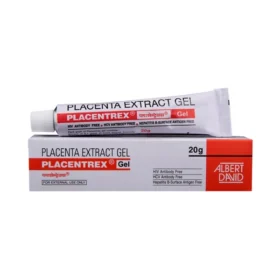 Placentrex Gel
Vragen & antwoorden
Placentrex Gel
Gerelateerde producten





Beoordelingen
Er zijn nog geen beoordelingen