







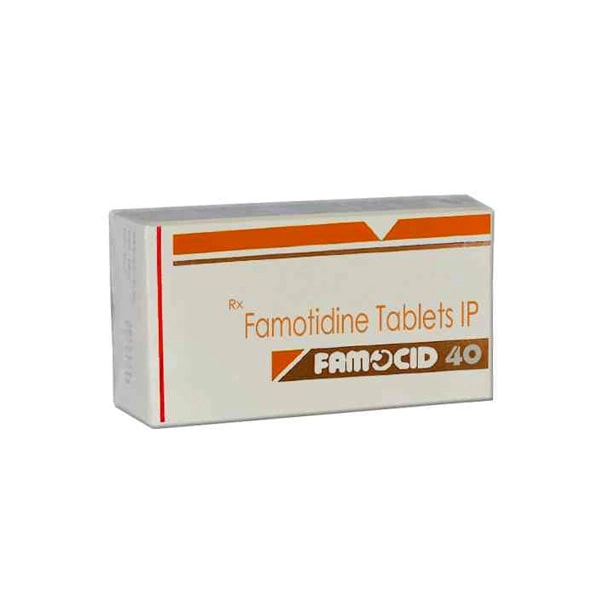
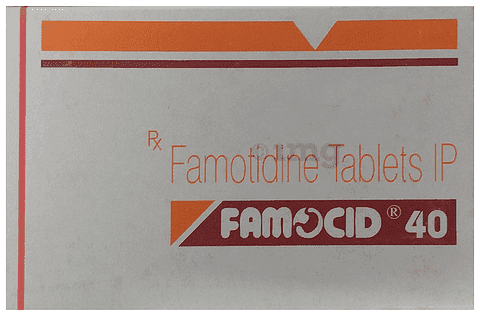
Famocid
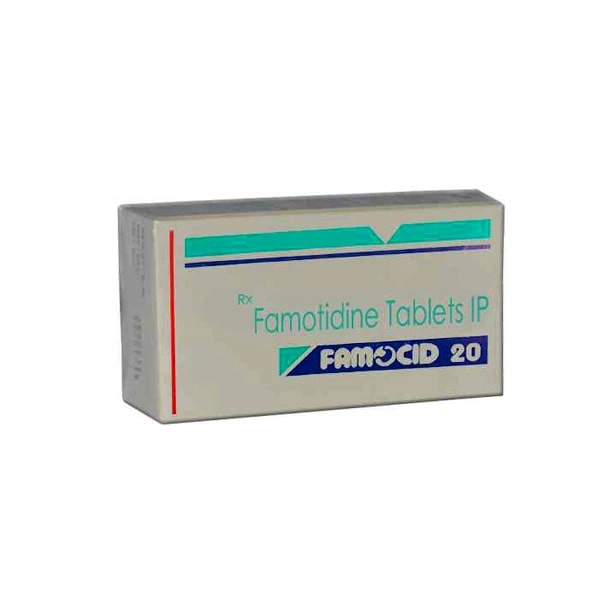
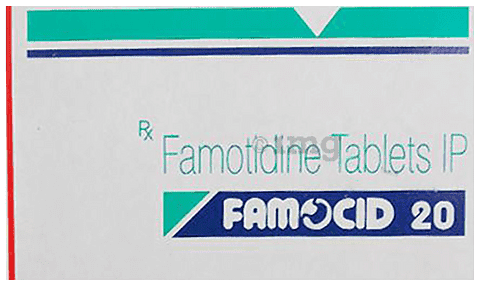
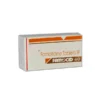
✅ Vermindert overtollig maagzuur
✅ Verlicht zuurgerelateerde symptomen
✅ Behandelt maagzweren effectief
✅ Beheert GERD effectief
Famocid bevat Famotidine
✓ Medisch beoordeeld door Morgan Ellis — Apotheekonderzoeker · 8 jaar ervaring · Laatst beoordeeld: mei 2026
⚡ Kort antwoord — Wat is Famocid?
Famocid is famotidine 20 mg of 40 mg tabletten door Sun Pharma van een WHO-GMP gecertificeerde fabrikant. Famotidine is een histamine H2 receptorantagonist — het blokkeert het histaminesignaal dat de maagzuurproductie stimuleert. Standaard dosering voor volwassenen: 20 mg tweemaal daags, of 40 mg eenmaal voor het slapengaan, gedurende maximaal 8 weken. Het effect treedt sneller in dan bij een PPI (ongeveer 30 minuten), maar het maximale zuurremmende effect is kleiner. Famotidine is het moderne, veilige alternatief voor ranitidine — ranitidine werd in 2020 wereldwijd uit de handel genomen vanwege NDMA-besmetting, en famotidine is de H2 -antagonist die alle belangrijke regelgevende instanties aanbevelen als vervanging. Nuttig voor doorbraakklachten bij een PPI, op aanvraag bij milde GERD, NSAID-ulcusprofylaxe en nachtelijke zuurdoorbraak. Tachyfylaxie (verlies van effect) treedt op na 7–14 dagen continu dagelijks gebruik — dit is waarom famotidine het beste op aanvraag of voor korte kuren kan worden gebruikt, met PPIs als eerste keuze voor chronische aandoeningen.
📦 Elke bestelling is gedekt door onze Reshipment Assurance-beleid — als uw pakket niet binnen 20 werkdagen arriveert, sturen wij het opnieuw.
Waarom bestellen bij MedsBase
Onze generieke medicijnen zijn afkomstig van WHO-GMP gecertificeerde fabrikanten en worden wereldwijd verzonden in discrete, eenvoudige verpakkingen — geen medicijnnaam op de buitenkant van het pakket. Betalingen met kaart worden verwerkt via een gereguleerde processor (betalingsoverzichten vermelden een gereguleerde kaartbetalingprocessor — nooit “MedsBase” of een medicijnnaam). Crypto en SEPA bankoverschrijvingen worden ook geaccepteerd. Elke bestelling wordt ondersteund door ons Reshipment Assurance Policy.
Wat Famocid Is
Famocid is het Sun Pharma-merk van famotidine, een derde generatie H2-receptorantagonist. Elke tablet bevat 20 mg of 40 mg famotidine. Famotidine is de veiligste en meest gebruikte H2 -antagonist op de moderne markt — vooral sinds ranitidine (Aciloc, Rantac) in 2020 uit de meeste grote markten werd teruggetrokken vanwege de ontdekking van N-nitrosodimethylamine (NDMA, een waarschijnlijk kankerverwekkende stof) besmetting. De andere H2 -antagonist die nog in sommige markten beschikbaar is, is cimetidine, maar cimetidine heeft een veel zwaardere geneesmiddelinteractiebelasting dan famotidine en wordt tegenwoordig zelden gebruikt.
Hoe Famocid Werkt (Werkingsmechanisme)
De afscheiding van maagzuur wordt gereguleerd door drie signalen die de pariëtale cel bereiken: acetylcholine (nervus vagus), gastrine (G-cellen in de antrum), en histamine (enterochromaffine-achtige cellen). Het histaminesignaal is het dominante signaal en werkt via H2 receptoren op het basolaterale membraan van de pariëtale cel. Famotidine is een competitieve, reversibele antagonist van deze H2 receptor. Door histamine te blokkeren, wordt de krachtigste drijvende kracht van zuurafscheiding uitgeschakeld. Het effect begint ongeveer 30 minuten na orale inname, bereikt een piek na 1–3 uur en duurt ongeveer 10–12 uur — lang genoeg zodat tweemaal daagse of eenmaal voor het slapengaan dosering voor de meeste patiënten voldoende is.
Dit is een ander mechanisme dan protonpompremmers. PPI's werken verderop in het proces — ze blokkeren de protonpomp zelf, het laatste gemeenschappelijke pad. PPI's zorgen voor een diepere en langdurigere zuurremming, maar hebben 3–5 dagen nodig om volledig effect te bereiken. H2 Antagonisten geven een minder diepe zuurremming maar werken binnen een uur, en ze behouden de gedeeltelijke secretierespons op vagale stimulatie. De twee klassen kunnen worden gecombineerd — PPI 's ochtends, famotidine voor het slapengaan — voor nachtelijke zuurdoorbraak, een strategie met redelijk bewijs bij refractaire GERD.
Indicaties — Wat Famocid behandelt
1. Milde tot matige GERD — op aanvraag of kortdurend
Voor incidentele of milde refluxklachten geeft een H2 antagonist op aanvraag vaak voldoende verlichting zonder de verplichting van een chronische PPI. Werkt binnen een uur, nuttig voor klachten na een bekende triggerlijke maaltijd.
2. Doorbraakklachten bij een PPI — met name 's nachts
Sommige patiënten ondanks adequate PPI-therapie nog steeds last van nachtelijke zuurdoorbraak. Toevoegen van famotidine 20–40 mg voor het slapengaan verbetert de nachtelijke pH-controle. Tachyfylaxie betekent dat deze strategie het best kan worden bewaard voor gebruik bij noodzaak.
3. Maagzweer
Famotidine geneest duodenale en maagzweren, hoewel PPI's effectiever zijn. Nuttig waar PPI slecht wordt verdragen of gecontra-indiceerd is. Genezingsduur is 4–6 weken voor duodenale ulcus, 6–8 weken voor maagulcus.
4. NSAID-geassocieerde ulceraprofylaxe
Voor patiënten met een lager risico onder chronische NSAID-therapie is dubbele dosis famotidine (40 mg tweemaal daags) een alternatief voor PPI ter voorkoming van zweren. PPI blijft de voorkeur hebben voor patiënten met een hoger risico.
5. Stressulcusprofylaxe (waar PPI niet de voorkeur heeft)
Sommige recente ICU-praktijken zijn teruggeschakeld naar H2 antagonisten voor stressulcusprofylaxe vanwege zorgen over PPI-gerelateerde C. difficile infectie en beademingsgerelateerde longontsteking.
6. Zollinger-Ellison-syndroom (hoge dosering als aanvulling)
Gebruikt als aanvulling op hoge doses PPI bij geselecteerde hypersecretoire aandoeningen.
7. Aspiratieprofylaxe vóór operatie
Een dosis van 40 mg de avond ervoor en 2 uur vóór inductie vermindert maagvolume en zuurgraad (profylaxe van Mendelson-syndroom).
Dosering
| Indicatie / patiënt | Volwassen dosis | Duur / opmerkingen |
|---|---|---|
| GERD — mild tot matig | 20 mg tweemaal daags, of 40 mg voor het slapengaan | 6–12 weken; evalueren |
| Op aanvraag bij reflux | 10–20 mg naar behoefte, maximaal 40 mg/24 uur | zo nodig |
| Genezing van duodenumulcus | 40 mg voor het slapengaan, of 20 mg tweemaal daags | 4–6 weken |
| Genezing van maagulcus | 40 mg voor het slapengaan | 6–8 weken |
| NSAID-maagzweerprofylaxe | 20–40 mg tweemaal daags | duur van NSAID-therapie |
| Nierfunctiestoornis (CrCl < 50) | 20 mg eenmaal daags | dosis verlagen |
| Ernstig nierfalen (CrCl < 10) | 10 mg eenmaal daags of 20 mg elke 36–48 uur | onder begeleiding van een specialist |
| Kinderen > 1 jaar (met voorschrift) | 0,5 mg/kg tweemaal daags (maximaal 40 mg/dosis) | pediatrisch toezicht |
Famotidine kan met of zonder voedsel worden ingenomen. De werking treedt sneller in op een lege maag. Vermijd inname tegelijkertijd met een antacidum (Acigene) — houd minstens 1–2 uur ertussen aan.
Bijwerkingen
Vaak (1–3%): hoofdpijn, duizeligheid, obstipatie, diarree, vermoeidheid.
Zeldzaam maar belangrijk:
- Verwardheid, agitatie, hallucinaties — vooral bij oudere of nierpatiënten (komt vaker voor bij hoge doseringen)
- Bradycardie of aritmie (zeer zeldzaam; gerapporteerd bij snelle IV-toediening)
- Trombocytopenie, leukopenie (zeldzaam; omkeerbaar)
- Hepatitis, geelzucht (zeldzaam; omkeerbaar bij stoppen)
- Ernstige overgevoeligheid (huiduitslag, angio-oedeem, anafylaxie — zeer zeldzaam)
Famotidine heeft een veel schoner bijwerkingenprofiel dan cimetidine. In tegenstelling tot cimetidine veroorzaakt het geen gynaecomastie, impotentie of anti-androgene effecten.
Geneesmiddelinteracties
Famotidine heeft een veel kleiner interactieprofiel dan cimetidine. De belangrijkste interacties zijn gerelateerd aan absorptie in plaats van enzym-gemedieerd:
| Geneesmiddel / klasse | Interactie | Actie |
|---|---|---|
| Atazanavir, rilpivirine (HIV) | Zuurafhankelijke absorptie; H2 antagonisten verlagen de niveaus | Minimaal 12 uur tussen doses; specialistisch advies |
| Itraconazol, ketoconazol | Zuurafhankelijke absorptie; verminderd door famotidine | Vermijd combinatie indien mogelijk; kies voor fluconazol |
| Ijzersupplementen | Verminderde zuurproductie belemmert ferrous-ijzerabsorptie | Gebruik ijzer verrijkt met vitamine C, of schakel over op IV-ijzer bij ernstig tekort |
| Calciumcarbonaat | Zuurafhankelijke absorptie verminderd | Schakel over op calciumcitraat voor osteoporosebehandeling |
| Antacida | Kan de absorptie van famotidine verminderen | Minimaal 1–2 uur tussen doses |
| Probenecide | Vermindert de renale klaring van famotidine | Verlaag de dosis famotidine bij langdurige combinatie |
| Tizanidine | Famotidine heeft geen klinisch significant effect (cimetidine wel — maar famotidine is veilig) | Alleen controleren als de dosis is aangepast |
Contra-indicaties en voorzorgsmaatregelen
- Bekende overgevoeligheid voor famotidine of enige H2 -antagonist
- Ernstige nierfunctiestoornis — dosis verlagen
- Voorzichtigheid geboden bij ouderen — bijwerkingen op het centrale zenuwstelsel (verwardheid) komen vaker voor
- Lang-QT-syndroom en aandoeningen die predisponeren voor QT-verlenging — zeldzaam aritmie-signaal bij zeer hoge doses
- Zuurgerelateerde symptomen met alarmsymptomen (gewichtsverlies, dysfagie, GI-bloeding, bloedarmoede, leeftijd > 55 met nieuwe symptomen) — vereisen onderzoek, geen empirische H2-antagonisttherapie
Zwangerschap, Borstvoeding en Kinderen
Zwangerschap: Famotidine heeft redelijke veiligheidsgegevens en wordt veel gebruikt tijdens de zwangerschap wanneer antacida en leefstijlmaatregelen onvoldoende zijn. Over het algemeen de voorkeur boven PPI's in het eerste trimester.
Borstvoeding: Compatibel met borstvoeding — kleine hoeveelheden in moedermelk, geen waargenomen effecten op de baby.
Kinderen: Famotidine is door de FDA goedgekeurd vanaf 1 jaar oud met 0,5 mg/kg tweemaal daags (max 40 mg/dosis). Handig bij pediatrische reflux als alternatief voor PPI.
Opslag
Bewaren bij 15–30 °C in de originele blister, beschermd tegen licht en vocht. Buiten bereik van kinderen houden. Niet gebruiken na de vervaldatum.
Veelgestelde vragen
Famotidine versus PPI — welke moet ik kiezen?
Voor chronische matige tot ernstige reflux, maagzweer, erosieve oesofagitis of H. pylori-eradicatie, is een PPI effectiever — diepere zuurremming, grotere onderzoeksbasis. Voor milde reflux bij behoefte, doorbraakklachten bij PPI-gebruik (vooral 's nachts), of kortdurend gebruik, heeft famotidine voordelen — sneller begin (binnen een uur) en een ander veiligheidsprofiel. Veel patiënten gebruiken 's ochtends een PPI en famotidine bij het slapengaan indien nodig.
Waarom is famotidine het aanbevolen alternatief voor ranitidine?
Ranitidine werd in 2020 uit de meeste grote markten teruggetrokken omdat routinematige geneesmiddelenkwaliteitstests N-nitrosodimethylamine (NDMA), een waarschijnlijk kankerverwekkende stof voor mensen, in afgewerkte ranitidineproducten aantoonden. De verontreiniging werd herleid tot instabiliteit van het ranitidinemolecuul zelf — ranitidine breekt af tot NDMA tijdens opslag, vooral bij warmte en vochtigheid. Famotidine heeft hetzelfde werkingsmechanisme (H2 antagonisme) maar een chemisch stabiele structuur die geen NDMA produceert. De FDA, EMA, MHRA en Health Canada hebben allemaal famotidine aanbevolen als het voorkeursalternatief voor H2-antagonisten.
Hoe snel werkt Famocid?
Begin binnen ongeveer 30 minuten bij inname op een lege maag, piekeffect na 1–3 uur, werkingsduur 10–12 uur. Dit is sneller dan een PPI (die 3–5 dagen nodig heeft om maximaal effect te bereiken) maar de mate van zuurremming is minder.
Ontwikkel ik tolerantie?
Yes — H2-antagonist tachyfylaxie is goed beschreven. Na 7–14 dagen van continue dagelijkse dosering neemt het zuurremmende effect gedeeltelijk af doordat de pariëtale cel andere routes opreguleert. Dit is waarom famotidine het beste op aanvraag of voor korte kuren (< 2 weken) gebruikt kan worden. Voor chronisch continu gebruik is een PPI geschikter.
Kan ik het met mijn PPI innemen?
Ja — het combineren van een ochtend-PPI met een H2 antagonist voor het slapengaan is een erkende strategie voor nachtelijk zuurdoorbraak. De strategie werkt het beste op aanvraag in plaats van continu (vanwege tachyfylaxie). Overleg met uw voorschrijver als nachtelijke symptomen aanhouden bij alleen PPI.
Is Famocid veilig tijdens de zwangerschap?
Famotidine heeft redelijke veiligheidsgegevens tijdens de zwangerschap en is een van de voorkeursopties voor voorgeschreven zuurremming tijdens de zwangerschap wanneer antacida en sucralfaat onvoldoende zijn. Bespreek dit met uw verloskundige.
Veroorzaakt het seksuele bijwerkingen zoals cimetidine?
Nee. Cimetidine heeft anti-androgene effecten (gynaecomastie, impotentie, verminderd libido), vooral bij hoge doses. Famotidine bindt niet aan androgenreceptoren en heeft deze effecten niet.
Wat als ik een nieraandoening heb?
Famotidine wordt via de nieren uitgescheiden en hoopt zich op bij nierfunctiestoornissen. Verlaag de dosis: CrCl 30–50 ml/min → 20 mg eenmaal daags; CrCl < 30 → 20 mg elke 36–48 uur of 10 mg eenmaal daags. CNS-bijwerkingen (verwardheid, agitatie) komen vaker voor bij nierfunctiestoornissen, dus doseringaanpassing is belangrijk.
Kan ik het met antacida innemen?
Ja — een antacidum (zoals Acigene) geeft directe verlichting terwijl famotidine inwerkt. Neem ze met 1–2 uur ertussen om te voorkomen dat het antacidum de opname van famotidine verstoort.
Kan ik alcohol drinken tijdens het gebruik van Famocid?
Geen direct gevaarlijke interactie. Alcohol is echter een belangrijke trigger voor reflux — het ontspant de onderste slokdarmsfincter en stimuleert de zuursecretie. Als reflux de indicatie is, vermindert het beperken van alcohol de klachten aanzienlijk.
Gerelateerde alternatieven
Andere producten in Algemene gezondheid die klanten ook bekijken:
Meer opties in de behandeling van maagzuurreflux
Gerangschikt op recente bestelvolumes van MedsBase — wat andere klanten in deze categorie kiezen.

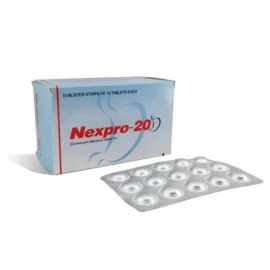

| Sterkte | 20 mg, 40 mg |
|---|---|
| Hoeveelheid | 28 Tablet/s, 56 Tablet/s, 84 Tablet/s |
| Farmaceutische vorm | Tablet/s |
| Fabrikant | Sun Pharma |
| Behandeling | Maag-darmgezondheid |
| Generiek merk | Lansoprazole |
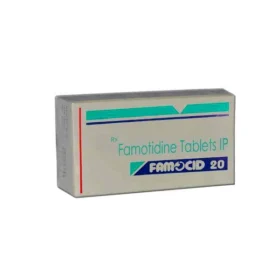 Famocid
Vragen & antwoorden
Famocid
Gerelateerde producten


Beoordelingen
Er zijn nog geen beoordelingen