








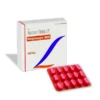
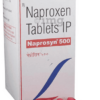
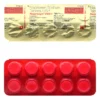
Naprosyn
✅ Verlicht effectief pijn
✅ Vermindert snel ontstekingen
✅ Verlicht gewrichtsstijfheid
✅ Beheert symptomen van artritis
✅ Minimaliseert menstruatieklachten
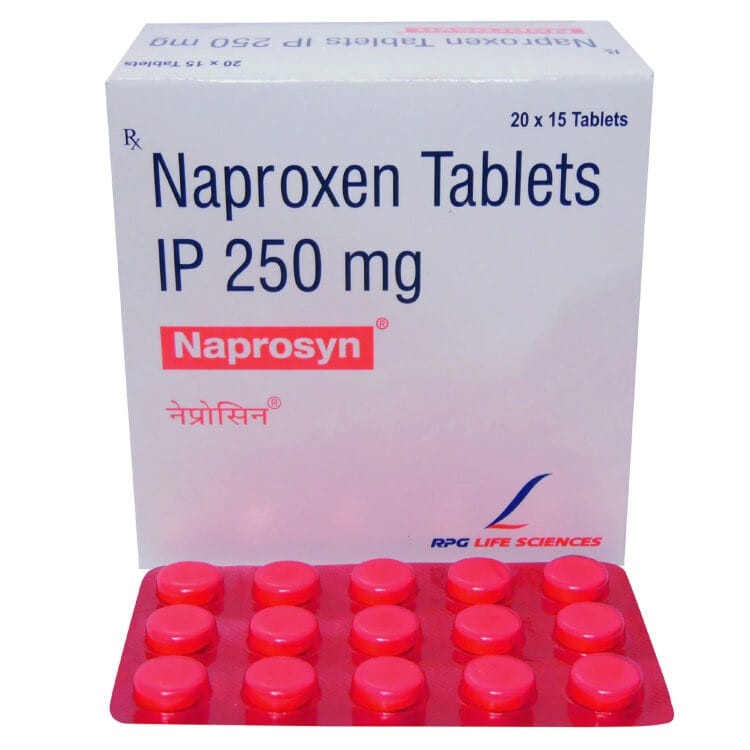
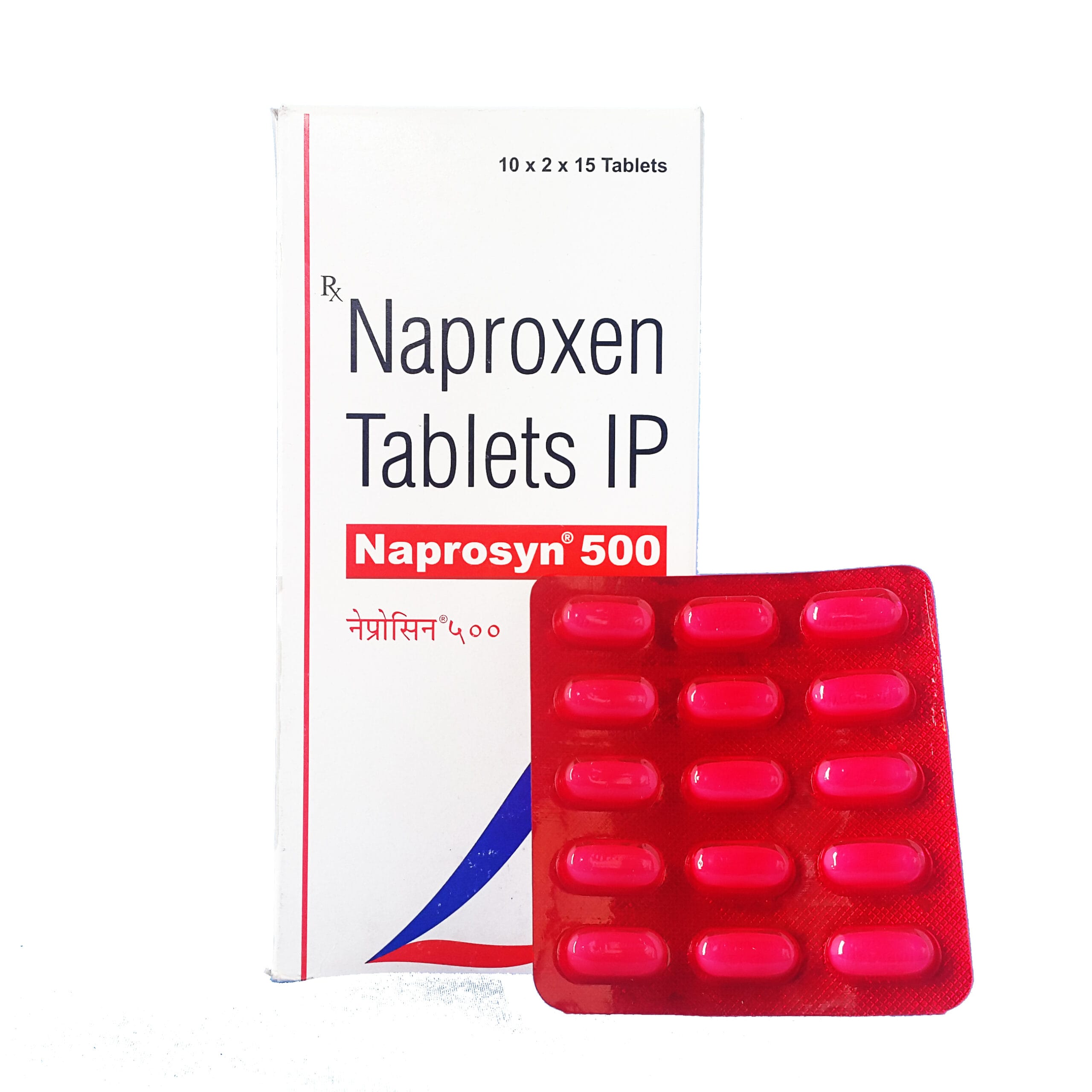
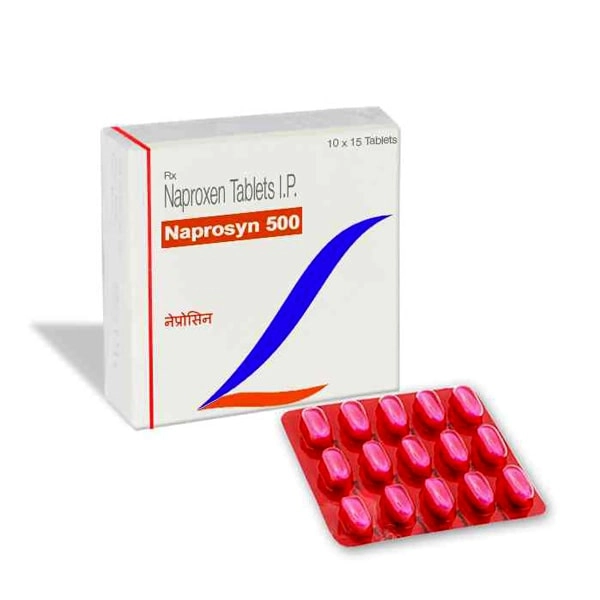
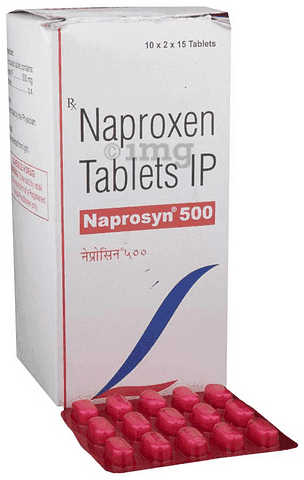
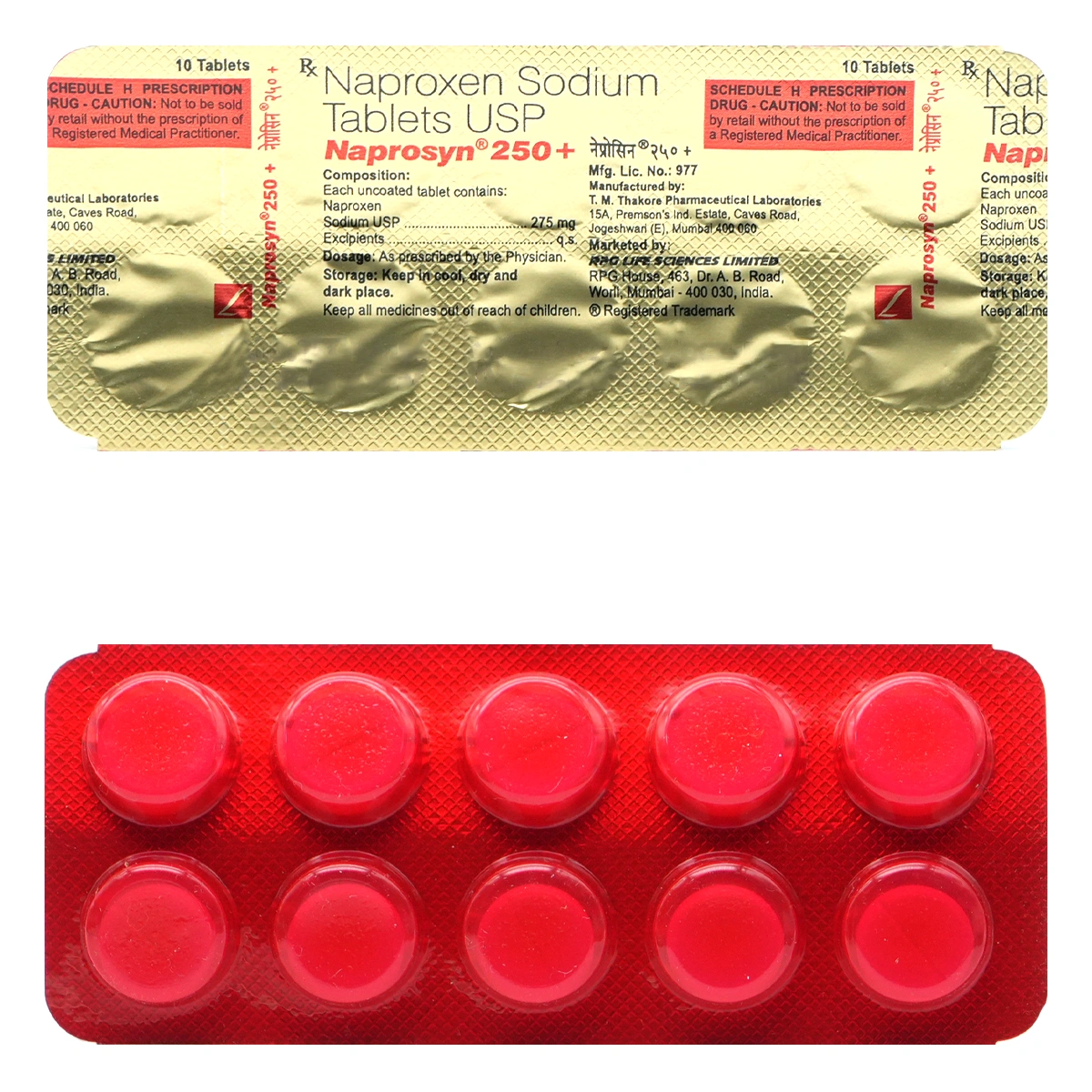
Naprosyn bevat Naproxen.
✓ Medisch beoordeeld door Morgan Ellis — Apotheekonderzoeker · 8 jaar ervaring · Laatst beoordeeld: mei 2026
💡 Snel antwoord
Naprosyn is naproxen 250 mg, een niet-steroïde ontstekingsremmend middel (NSAID) dat veel wordt gebruikt voor primaire dysmenorroe (menstruatiepijn), hevig menstrueel bloedverlies, gewrichtspijn, migraine en algemene musculoskeletale pijn. Werkt door remming van COX-1 en COX-2, waardoor de productie van prostaglandinen die baarmoederkrampen veroorzaken, wordt verminderd. Start bij het eerste teken van pijn voor het beste effect; innemen met voedsel.
Wat Is Naprosyn?
Naprosyn is een merkgebonden generiek van naproxen 250 mg, een NSAID uit de propionzuurderivaten-groep. Naproxen remt cyclo-oxygenase (COX-1 en COX-2), waardoor de prostaglandinesynthese wordt verminderd. Voor menstruatiepijn is dit belangrijk omdat dysmenorroe wordt veroorzaakt door baarmoederprostaglandinen — dus NSAID's zijn pathofysiologisch gerichte therapie, niet alleen pijnstilling. Geproduceerd door Roche.
Genitale herpes (eerste episode):
- Primaire dysmenorroe (menstruatiepijn): eerste keus behandeling. 500 mg startdosis gevolgd door 250 mg elke 6–8 uur.
- Hevig menstrueel bloedverlies (menorragie): vermindert bloedverlies met ~20–30%.
- Migraine: acute behandeling; kan gecombineerd worden met triptanen.
- Musculoskeletale pijn (rug, gewricht, spier), reumatoïde artritis, artrose.
- Jichtaanvallen (niet voor profylaxe).
Hoe in te nemen bij menstruatiepijn
- Begin bij het eerste teken van menstruatiepijn — of zelfs 1–2 dagen van tevoren als je cyclus voorspelbaar is. Prostaglandineniveaus pieken vroeg in de menstruatie; ze vroeg blokkeren geeft veel betere verlichting dan pijn “achtervolgen”.
- Oplaaddosis: 500 mg (2 tabletten), daarna 250 mg elke 6–8 uur naar behoefte, met voedsel of melk.
- Maximale dagelijkse dosis: 1000 mg (kortdurend) of 750 mg (langdurig).
- Ga door voor 2–3 dagen — de duur van de piek in prostaglandineafgifte.
- Neem in met voedsel en zorg voor goede hydratatie.
Bijwerkingen
Vaak voorkomend: Maagdarmklachten (misselijkheid, dyspepsie, brandend maagzuur), hoofdpijn, duizeligheid.
Significant (bij langdurig of hooggedoseerd gebruik): maag- en duodenumzweren (overweeg PPI bij langdurig gebruik of hoog risico), maagdarmbloedingen, nierfunctiestoornis, hypertensie, vochtretentie.
Ernstig (zeldzaam): ernstige maagdarmbloeding of perforatie, acuut nierletsel, cardiovasculaire gebeurtenissen (NSAID-klasse-effect), syndroom van Stevens-Johnson, ernstige allergische reacties.
Wie mag Naprosyn niet gebruiken
- Actieve maagzweer of voorgeschiedenis van NSAID-geïnduceerde maagdarmbloeding
- Ernstig hartfalen, recente coronaire bypassoperatie
- Ernstige nierinsufficiëntie (eGFR <30)
- Bekende overgevoeligheid voor NSAID's (astma-exacerbatie, netelroos, angio-oedeem door aspirine of andere NSAID's)
- Derde trimester van de zwangerschap (risico voor ductus arteriosus van de foetus)
- Ernstige astma (NSAID-geëxacerbeerde luchtwegaandoening)
Geneesmiddelinteracties
- Warfarine, DOAC's: verhoogd bloedingsrisico.
- SSRI's, SNRI's: additief bloedingsrisico, vooral maagdarm.
- ACE-remmers, ARB's, diuretica: verminderd antihypertensief effect; risico op nierfunctiestoornissen bij combinatie.
- Methotrexaat: verhoogde spiegels, risico op toxiciteit.
- Lithium: verminderde renale klaring; risico op toxiciteit.
- Corticosteroïden: additief risico op maag-darmzweren.
Opslag
Bewaren bij kamertemperatuur (15–25 °C). Bewaar de tabletten in de blister. Buiten bereik van kinderen houden.
Veelgestelde vragen
Wanneer moet ik beginnen met naproxen innemen bij menstruatiepijn?
Bij het eerste teken van pijn — of zelfs 1–2 dagen voor je menstruatie als deze voorspelbaar is. Vroeg beginnen geeft een aanzienlijk betere pijnbestrijding dan wachten tot de pijn toeneemt.
Hoe verschilt naproxen van ibuprofen?
Beide zijn NSAID's met vergelijkbare effectiviteit bij menstruatiepijn. Naproxen heeft een langere halfwaardetijd (~12–17 uur) en wordt daarom tweemaal daags ingenomen, terwijl ibuprofen meestal 3–4 keer per dag wordt ingenomen. Naproxen heeft mogelijk een iets lager cardiovasculair risico bij langdurig gebruik.
Kan naproxen ook bloedingen verminderen naast pijn?
Ja — naproxen vermindert menstruatiebloedverlies met ~20–30%. Tranexaminezuur is een gespecialiseerde niet-hormonale optie die bloedingen meer vermindert (~40–50%) zonder de pijn te beïnvloeden.
Wat als naproxen mijn maag irriteert?
Neem het in met voedsel of melk. Overweeg een PPI (omeprazol, esomeprazol) toe te voegen voor kortdurend gebruik als je een voorgeschiedenis van maagproblemen hebt. Bij ernstige maag-darmklachten, schakel over op een andere optie (paracetamol, tranexaminezuur of hormonale behandeling).
Kan ik naproxen gebruiken terwijl ik de anticonceptiepil slik?
Ja — geen significante interactie. Naproxen kan menstruatiepijn verminderen die sommige anticonceptiepillen niet volledig verhelpen.
Mag ik naproxen gebruiken tijdens de zwangerschap?
Vermijd in het derde trimester (risico op ductus arteriosus bij de foetus). Vermijd rond de conceptie als u probeert zwanger te worden (kan de innesteling beïnvloeden). Eerste en tweede trimester: overleg met een arts, meestal wordt het afgeraden.
Wat als de pijn niet reageert op naproxen?
Onderzoek naar secundaire dysmenorroe — endometriose, adenomyose, vleesbomen, PID, ovariumcysten. Aanhoudende ernstige menstruatiepijn die niet reageert op NSAID's vereist een bekkenecho en gynaecologisch onderzoek.
Hoe lang mag ik naproxen gebruiken?
Voor menstruatiepijn is 2–3 dagen per cyclus gebruikelijk. Chronisch dagelijks gebruik vereist evaluatie — risico op maagbloeding, nierproblemen en cardiovasculaire effecten neemt toe met de duur. Voor chronische pijn is de laagst effectieve dosis met maagbescherming (PPI) standaard.
Gerelateerde producten voor vrouwen gezondheid
- Tamodex (Tamoxifen 10 mg)
- Tamilong (Tamoxifen 20 mg)
- Letroheal (Letrozol 2.5 mg)
- Etibo (Lapatinib 250 mg)
- Duphaston (Dydrogesteron 10 mg)
- Deviry (Medroxyprogesteron 10 mg)
- Candid-V Gel (Clotrimazole)
⚕️ Medische disclaimer: De informatie is educatief en vervangt geen medisch advies. Raadpleeg een arts voordat u begint, stopt of een medicatie wijzigt, met name voor kankerbehandeling, hormonale therapieën en voorgeschreven producten.
Waarom bestellen bij MedsBase
📦 Elke bestelling is gedekt door onze Reshipment Assurance-beleid — als uw pakket niet binnen 20 werkdagen arriveert, sturen wij het opnieuw.
Gerelateerde alternatieven
Andere producten in Chronische aandoeningen die klanten ook bekijken:
| Sterkte | 250 mg, 500 mg |
|---|---|
| Hoeveelheid | 30 Tabletten, 60 Tabletten, 90 Tabletten, 180 Tabletten |
| Farmaceutische vorm | Tablet/s |
| Fabrikant | RPG Life Science |
| Behandeling | Pijnverlichting |
| Generiek merk | Rizatriptan |
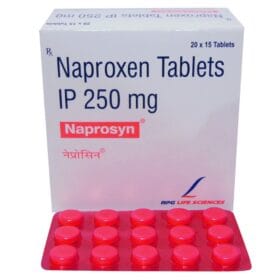 Naprosyn
Vragen & antwoorden
Naprosyn
Gerelateerde producten











Beoordelingen
Er zijn nog geen beoordelingen